
The open road, the freedom to explore, the comfort of home on wheels – owning a recreational vehicle (RV) offers an unparalleled lifestyle. But whether you’re considering an upgrade, a sale, refinancing a loan, or simply curious about your asset’s standing, a fundamental question often arises: “What’s my RV worth?” This isn’t just an idle query; it’s a critical financial assessment that impacts everything from personal budgeting to strategic investment decisions. Unlike conventional vehicles, RV valuation can be a complex ecosystem, influenced by a myriad of factors extending far beyond typical automotive depreciation schedules. Understanding these intricacies is key to making informed financial choices regarding one of your most prized possessions.

In the realm of personal finance, an RV represents a significant investment, often second only to a primary residence. Its value can fluctuate based on market trends, its unique characteristics, and even broader economic conditions. This guide delves deep into the financial mechanisms that determine your RV’s worth, providing insights and practical tools to help you accurately assess its market value. We’ll explore the core determinants, leverage professional and online valuation resources, examine factors that can subtly shift its worth, and discuss how understanding your RV’s value plays into various financial scenarios. Our goal is to equip you with the knowledge to confidently answer “What’s my RV worth?” and navigate the financial landscape of RV ownership with clarity and foresight.
The Core Determinants of RV Value
To accurately assess your RV’s worth, it’s crucial to understand the foundational elements that drive its market value. These factors are the bedrock upon which all valuations are built, influencing everything from initial depreciation to long-term resale potential.
Age and Mileage/Usage
Like any vehicle, age is a primary driver of depreciation for an RV. The moment an RV leaves the dealership lot, its value begins to decline. This initial depreciation is often the steepest in the first few years. However, unlike cars, mileage (for motorized RVs) isn’t always the sole determinant of “usage.” For towable RVs (travel trailers, fifth-wheels), the number of trips taken, the distance traveled, and the intensity of use (e.g., full-time living versus occasional weekend trips) contribute to wear and tear, which ultimately impacts value. An RV with low mileage or usage hours might fetch a higher price, assuming its condition aligns with its limited use. Conversely, an older RV, even with low mileage, will still suffer from age-related degradation of seals, tires, and mechanical components, affecting its overall worth.
Type and Class of RV
The inherent design and functionality of your RV play a significant role in its base value. The RV market is broadly segmented into several categories, each with distinct pricing tiers and depreciation curves:
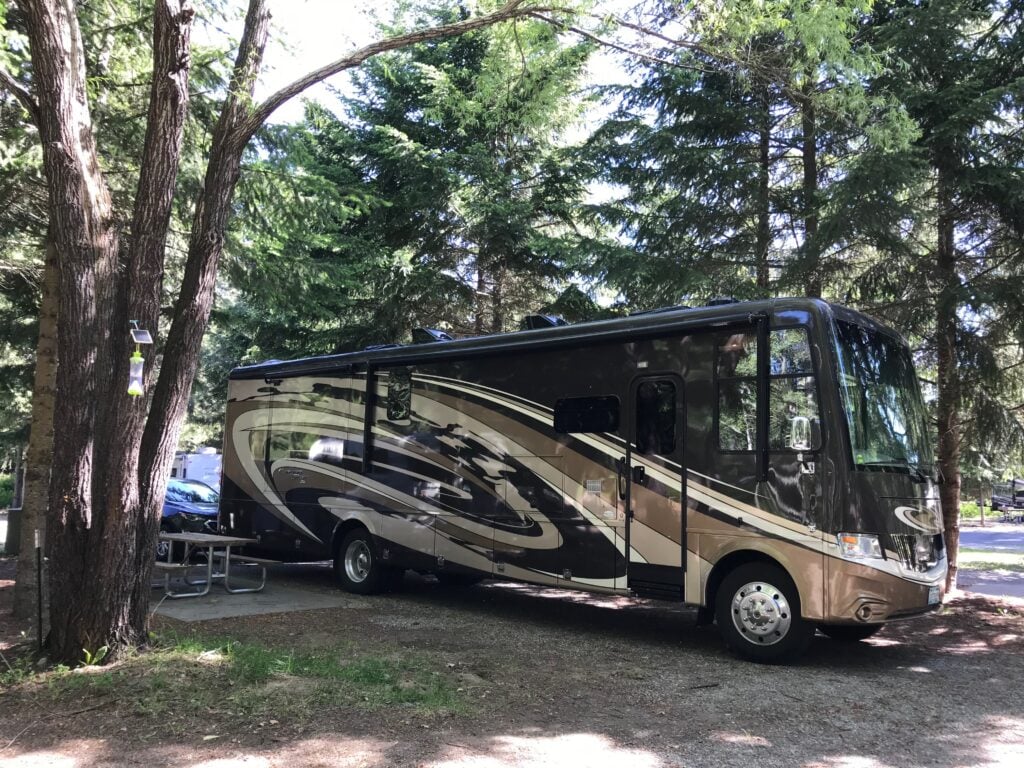
- Class A Motorhomes: Large, bus-like vehicles, often built on commercial truck or bus chassis. They are typically the most expensive and luxurious, featuring extensive amenities. Their initial depreciation is high due but they tend to hold a higher absolute dollar value due to their initial cost.
- Class B Motorhomes: Van conversions, compact and maneuverable. These tend to hold their value remarkably well due to their versatility, ease of driving, and fuel efficiency compared to larger models.
- Class C Motorhomes: Built on a cutaway chassis with an attached RV body, often featuring an overhang above the cab. They offer a good balance of space and drivability, making them popular and generally maintaining decent resale value.
- Travel Trailers and Fifth-Wheels: Towable units that require a separate vehicle. These vary widely in size, amenities, and price. Generally, travel trailers and fifth-wheels have slower depreciation rates than motorized RVs, as there are fewer complex mechanical components to maintain or repair. The absence of an engine and drivetrain simplifies long-term ownership costs.
- Pop-up Campers, Truck Campers, and Toy Haulers: Niche categories with specific buyer markets. Their value is largely dictated by their condition and the demand within their specialized segment.
Understanding where your RV fits within these classes helps benchmark its potential value against similar units.
Make, Model, and Manufacturer Reputation
Just like automobiles, certain RV manufacturers and specific models command higher resale values due to their reputation for quality, reliability, innovative design, and customer service. Brands known for superior construction, durable materials, and robust after-sales support often depreciate slower than those with a history of quality control issues or less desirable layouts. For example, a high-end Airstream travel trailer or a Tiffin Class A motorhome often retains a significant portion of its value for longer periods compared to entry-level models from less established brands. Researching the perceived quality and market demand for your specific make and model is essential.
Condition: Interior, Exterior, and Mechanicals
Perhaps the most subjective yet critical factor in valuation is the overall condition of your RV. This encompasses three main areas:
- Interior Condition: This includes the upholstery, flooring, appliances (refrigerator, stove, microwave), cabinetry, plumbing fixtures, and electronics. Any signs of water damage, excessive wear and tear, stains, or outdated decor can significantly reduce value. A clean, well-maintained, and odor-free interior is paramount.
- Exterior Condition: Examine the paint, decals, fiberglass or aluminum siding, roof, windows, awnings, and tires. Fading, peeling decals, dents, scratches, cracked windows, or signs of roof leaks are major red flags that will deter buyers and lower appraisals. Tire age and tread depth are also critical safety and value considerations.
- Mechanical Condition (for Motorized RVs): The engine, transmission, brakes, suspension, and generator must be in excellent working order. A history of regular maintenance, documented by service records, is invaluable. Any unresolved mechanical issues, warning lights, or abnormal noises will significantly impact its worth, often requiring costly repairs before a sale. Even for towables, the condition of the axle, brakes, and chassis is crucial.
A meticulous owner who has kept their RV in pristine condition, inside and out, and maintained all systems diligently, can expect a substantially higher valuation than someone who has neglected these aspects.
Leveraging Valuation Tools and Resources
Once you understand the core determinants, the next step is to tap into the various tools and resources available to help you pinpoint your RV’s current market value. These resources offer data-driven insights and market comparisons, providing a more objective assessment.
Online RV Valuation Websites
Several reputable online platforms specialize in RV valuation, similar to how Kelley Blue Book or Edmunds operate for cars. These sites consolidate data from sales, listings, and industry trends to provide estimated values:
- NADAguides (National Automobile Dealers Association): Widely considered the gold standard in vehicle valuation, NADAguides offers comprehensive pricing guides for various RV types. It provides estimates for low retail, average retail, and high retail values, factoring in make, model, year, and specific options. It’s often used by dealerships, lenders, and insurance companies. While a good starting point, remember that NADA values can sometimes be slightly higher than what you might achieve in a private sale, as they often reflect dealership pricing.
- RVTrader, RVUSA, and Similar Listing Sites: These platforms are not just for selling; they are powerful tools for market research. By searching for RVs identical or very similar to yours (same make, model, year, and approximate condition), you can see what others are asking for their units. Pay attention to the asking prices of sold units versus active listings. This comparative market analysis (CMA) gives you a real-time pulse on what buyers are willing to pay in your specific region.
- Manufacturer Websites and Forums: Sometimes, specific RV manufacturers or owner forums can offer insights into the resale value of particular models, especially for rare or highly sought-after units. Owners often discuss prices they paid or received, giving you anecdotal yet valuable data.
When using these tools, be honest about your RV’s condition and options. Overstating its condition will lead to an inflated estimate that won’t hold up in the real market.
Dealership Appraisals vs. Private Market Research
While online tools provide a good baseline, sometimes a professional assessment is warranted, particularly if you’re considering a trade-in or need a formal valuation for financial purposes.
- Dealership Appraisals: Many RV dealerships offer free appraisals. This can be beneficial if you’re planning to trade in your RV for a new one. Dealers have extensive knowledge of the local market and current inventory needs. However, their appraisal will likely reflect a wholesale or trade-in value, which is typically lower than what you could achieve in a private sale. This lower offer accounts for their reconditioning costs, marketing expenses, and profit margin. Use a dealership appraisal as a benchmark for a quick sale, but don’t assume it’s the maximum possible value.
- Private Market Research: This involves actively monitoring classifieds, online marketplaces, and even local RV parks for “for sale” signs. Engage with fellow RV enthusiasts; they often have a keen sense of market values. This hands-on research gives you a direct look at what individual sellers are asking and potentially receiving, offering a closer approximation of private party value. Compile a list of comparable sales and active listings to get a realistic price range.
Comparative Market Analysis (CMA): The Power of “Comps”
A CMA is a strategic approach to valuation that relies heavily on “comparables” or “comps.” It involves identifying recently sold RVs that closely match yours in make, model, year, type, and condition.
- Identify Direct Matches: Start by looking for identical units sold within the last 3-6 months.
- Broaden Your Search: If direct matches are scarce, expand to similar models, slightly older or newer units, or different trim levels, adjusting for the differences.
- Analyze Asking vs. Selling Prices: On public listing sites, you usually only see asking prices. On some forums or specialized sites, you might find actual selling prices. Remember that asking prices are often negotiable.
- Factor in Location: RV values can vary significantly by region. A motorhome might fetch a higher price in a warmer state like Florida or Arizona where RVing is popular year-round, compared to a colder climate where the season is shorter.
- Adjust for Condition: This is where your honest assessment comes into play. If your RV is in excellent condition, you can price it at the higher end of the comparable range. If it has issues, adjust downwards.
A thorough CMA provides the most realistic picture of what your RV could sell for in the current market, whether privately or through a dealer.
Factors Beyond the Basics: Enhancing or Diminishing Value
While the core determinants provide the foundation, several other factors can subtly yet significantly influence your RV’s ultimate worth. These nuances often differentiate one unit from another, allowing for premium pricing or necessitating a reduction.
Upgrades and Customizations
The impact of upgrades and customizations on your RV’s value can be a double-edged sword. While some enhancements can genuinely increase appeal and command a higher price, others might only appeal to a niche market or even detract from the value.
- Value-Adding Upgrades: These typically include practical, universally desired improvements that enhance comfort, safety, or longevity. Examples include solar power systems (especially lithium battery setups), upgraded entertainment systems, high-quality mattresses, new tires, improved insulation, upgraded appliance packages, or professional towing modifications (for towables). These improvements often attract buyers willing to pay more for a turn-key solution.
- Personalized Customizations: These are modifications made to suit an individual’s specific tastes or needs. Examples might be unique paint jobs, highly customized interior decor, specific built-in furniture, or unique off-grid systems that might not be universally understood or desired. While these might be priceless to the owner, they can limit the potential buyer pool and may not recoup their full cost, or any cost, at resale. In some cases, overly eccentric customizations might even reduce value if a buyer would need to spend money to revert them.
The key is to consider market appeal. If an upgrade solves a common RVing pain point or adds luxury universally appreciated, it’s more likely to enhance value. If it’s highly specific, it might not.
Maintenance Records and Service History
Documented proof of regular maintenance and service is arguably one of the most powerful value enhancers. A comprehensive maintenance log, detailing oil changes, tire rotations, appliance servicing, roof inspections, and any repairs, provides prospective buyers with immense peace of mind. It demonstrates that you’ve been a responsible owner and that the RV has been well cared for.
- Proof of Proactive Care: Buyers are often wary of hidden issues, especially with complex RV systems. Detailed records alleviate these concerns, suggesting that potential problems were addressed before they became catastrophic.
- Higher Buyer Confidence: An RV with a full service history is perceived as less risky. This confidence often translates into a willingness to pay a premium.
- Resale Negotiation Tool: When negotiating, verifiable service records can justify a higher asking price and help you stand firm against lowball offers. Conversely, a lack of records can raise suspicions and lead to lower offers.
Keep all receipts, service invoices, and a detailed logbook. This seemingly small effort can translate into significant financial returns during a sale.
Regional Market Dynamics
The location where you buy or sell your RV can significantly impact its value. Regional market dynamics are influenced by several factors:
- Climate: RVs stored in harsh climates (extreme heat, cold, or high humidity) may show more wear and tear on exteriors, seals, and interiors than those in milder climates.
- Popularity of RVing: States with a strong RV culture (e.g., Florida, Arizona, Texas, California) often have a larger buyer pool and potentially higher demand, leading to better prices. In areas where RVing is less common, the market might be smaller and prices lower.
- Local Inventory: A glut of similar RVs for sale in your immediate area can drive prices down due to increased competition. Conversely, if your RV type is scarce, you might command a premium.
- Sales Taxes and Registration Fees: These can vary by state and sometimes influence a buyer’s willingness to travel for a deal.
Understanding your local market and potentially being willing to advertise your RV to a wider, more favorable geographical area can sometimes yield a better financial outcome.
Seasonality and Economic Climate
Timing your sale can also be a financial strategy. RV values and demand are often seasonal:
- Peak Season: Spring and early summer typically see the highest demand for RVs, as people start planning their warm-weather adventures. Selling during this period often results in faster sales and potentially higher prices.
- Off-Season: Fall and winter generally see reduced demand, leading to longer selling times and potentially lower offers. Buyers are often looking for deals during these months.
Beyond seasonality, broader economic conditions can influence the RV market. During economic booms, discretionary spending on luxury items like RVs tends to increase, bolstering demand and prices. In economic downturns, RVs may be seen as non-essential, leading to reduced demand and potentially steeper depreciation. Interest rates also play a role; higher rates can make RV loans more expensive, potentially cooling the market. Keeping an eye on these macroeconomic indicators can help you decide the optimal time to sell or buy.
Understanding Your “Worth” for Different Financial Scenarios
Knowing your RV’s market value isn’t just for selling; it’s a critical piece of information for various financial planning scenarios. Different contexts demand different perspectives on “worth.”
Selling Privately vs. Trading In
This is one of the most common financial dilemmas for RV owners.
- Selling Privately: Generally, selling your RV privately will yield the highest possible financial return. You cut out the middleman (the dealership) and retain the profit margin they would have taken. However, it requires significant effort: marketing, showing the RV, negotiating, handling paperwork, and often dealing with financing questions from buyers. This approach maximizes your “worth” in terms of cash received.
- Trading In: Trading your RV into a dealership is convenient and hassle-free. The dealership handles all the paperwork, and you avoid the complexities of private sales. However, the trade-in value will almost always be lower than the private sale value because the dealership needs to recondition, market, and profit from your old RV. The “worth” here is measured in convenience and the potential tax savings if your state offers a sales tax credit for trade-ins (you only pay sales tax on the difference between your new RV’s price and your trade-in value).
Understanding the difference between private party value and trade-in value is essential for making an informed decision that aligns with your financial priorities and tolerance for effort.
Insurance Valuation
In the unfortunate event of a total loss (e.g., severe accident, fire, theft), your insurance company will determine your RV’s “actual cash value” (ACV) or “agreed value.”
- Actual Cash Value (ACV): This is the standard policy valuation, calculated as the replacement cost minus depreciation. The insurance company will factor in the RV’s age, mileage, condition, and market value at the time of the loss. This can sometimes be lower than what you believe your RV is worth, especially if you’ve invested heavily in upgrades that aren’t fully recognized by standard depreciation schedules.
- Agreed Value: For an additional premium, some insurers offer “agreed value” coverage. This means you and the insurer agree on a specific value for your RV when you purchase the policy, and that amount is paid out in case of a total loss, regardless of depreciation. This is often preferred for newer or highly customized RVs to ensure you’re fully compensated.
Periodically reviewing your insurance policy and ensuring your coverage aligns with your RV’s current market value (or your desired payout) is a critical financial safeguarding measure.
Loan Refinancing and Equity
Your RV’s value can also play a role in managing your debt or accessing capital.
- Refinancing an RV Loan: If interest rates have dropped or your credit score has improved since you purchased your RV, you might be able to refinance your loan for a lower rate or different terms. Lenders will use your RV’s current market value as collateral. If its value has depreciated significantly, you might be underwater (owe more than it’s worth), making refinancing more challenging or requiring you to pay down a portion of the principal. Conversely, if it holds its value well, you might secure better terms.
- Accessing Equity: While less common than with a home, if your RV has significant equity (its market value greatly exceeds your outstanding loan balance), you might be able to use it as collateral for other loans. However, remember that RVs are depreciating assets, and leveraging them too heavily can be a risky financial strategy.
Regularly assessing your RV’s value allows you to make strategic decisions about loan management and leverage.
Tax Implications of Selling Your RV
Selling a significant asset like an RV can have tax implications that vary depending on how you’ve used it and your overall financial situation.
- Capital Gains/Losses: If you sell your RV for more than you paid for it (after accounting for depreciation and certain improvements), you might realize a capital gain, which could be taxable. This is rare for RVs, as they are generally depreciating assets. More commonly, you might incur a capital loss if you sell it for less than your adjusted cost basis. While personal property losses are generally not deductible, specific circumstances (e.g., if you used the RV primarily for business or rental income) might allow for deductions.
- Sales Tax: When you sell privately, the buyer is typically responsible for paying sales tax in their state of residence when registering the RV. However, some states have specific rules for private party sales that you should be aware of.
- Income from Rental: If you’ve used your RV as a source of rental income (e.g., through platforms like Outdoorsy or RVshare), the income and associated expenses (including depreciation) will need to be reported on your taxes. The sale of such an asset would then be treated differently from a purely personal asset.
Consulting with a tax professional before selling your RV is always advisable to understand potential liabilities or opportunities for deductions.
Strategies for Maximizing Your RV’s Resale Value
Once you’ve assessed your RV’s worth, the final step for many owners is to implement strategies that enhance its value and attract buyers, ensuring you get the most financial return possible. These proactive measures can significantly bridge the gap between an average selling price and a premium one.
Proactive Maintenance and Minor Repairs
The best time to maximize your RV’s resale value isn’t right before you sell; it’s throughout your ownership. Diligent, proactive maintenance prevents small issues from escalating into expensive problems that deter buyers.
- Regular Servicing: Adhere to all manufacturer-recommended service schedules for the engine, transmission, generator, and all major appliances. Document every service.
- Roof and Seal Inspections: Water damage is an RV’s worst enemy. Regularly inspect and reseal the roof, windows, and seams to prevent leaks. This is a critical selling point.
- Tire Care: Ensure tires are properly inflated, rotated, and replaced when necessary (considering both tread depth and age). Old or worn tires are a major safety concern and a clear sign of neglect.
- Address Minor Issues Promptly: Fix leaky faucets, burnt-out lights, sticky drawers, or malfunctioning blinds as they occur. These small repairs demonstrate a well-cared-for RV and save a future buyer the hassle.
- Appliance Functionality: Test all appliances (fridge, stove, microwave, AC, furnace, water heater) to ensure they are in perfect working order.
A well-maintained RV signals reliability and care, directly translating into higher buyer confidence and a better price.
Thorough Cleaning and Detailing
Presentation matters immensely. A sparkling clean and well-detailed RV can make a powerful first impression, allowing buyers to envision themselves enjoying it.
- Deep Clean the Interior: This goes beyond a superficial wipe-down. Shampoo carpets, scrub all surfaces, clean out all cabinets, sanitize the bathroom and kitchen, and clean all windows and mirrors. Eliminate any lingering odors (pet, smoke, or stale air) using professional cleaners or ozone treatments if necessary.
- Exterior Wash and Wax: A thorough wash, polish, and wax will bring out the shine and protect the paint. Pay attention to cleaning wheels, tires, and awnings. Remove any old decals that are peeling or faded.
- Organize and Depersonalize: Remove all personal items, clutter, and family photos. Present the RV as a blank canvas where a new owner can project their dreams. Ensure all original manuals and documentation are neatly organized.
- Empty All Tanks: Before showing, ensure fresh, grey, and black water tanks are empty and clean.
A clean, well-presented RV suggests a well-cared-for RV, even before mechanical inspections begin.

Effective Marketing and Pricing Strategies
Once your RV is in prime condition, smart marketing and pricing are essential to connect with the right buyers and secure the best offer.
- Competitive Pricing: Based on your thorough CMA and valuation tools, price your RV competitively. Too high, and you’ll deter buyers; too low, and you’ll leave money on the table. Consider leaving a small buffer for negotiation.
- High-Quality Photos and Video: Invest time in taking excellent, well-lit photos and potentially a video tour. Showcase the interior, exterior, key features, and any upgrades. Photos are the first thing buyers see, and they can make or break interest.
- Detailed and Honest Description: Write a comprehensive description highlighting your RV’s features, unique selling points, maintenance history, and any recent upgrades. Be honest about any minor flaws (though ideally, you’ve addressed them). Transparency builds trust.
- Choose the Right Platforms: List your RV on popular RV-specific marketplaces (RVTrader, RVUSA, Facebook Marketplace RV groups), and consider local classifieds or consignment options.
- Be Responsive and Flexible: Respond promptly to inquiries, be available for showings, and be prepared to answer questions thoroughly. A positive and professional interaction can sway a buyer.
- Highlight Unique Selling Points: Did you install solar? Is it pre-wired for Starlink? Does it have brand-new tires? Emphasize these value-adds in your listing.
By combining meticulous maintenance, impeccable presentation, and strategic marketing, you significantly increase your chances of realizing the maximum financial worth of your RV. Understanding “what’s my RV worth” is a journey through market analysis, condition assessment, and strategic financial planning, ultimately empowering you to make the best decisions for your asset.
aViewFromTheCave is a participant in the Amazon Services LLC Associates Program, an affiliate advertising program designed to provide a means for sites to earn advertising fees by advertising and linking to Amazon.com. Amazon, the Amazon logo, AmazonSupply, and the AmazonSupply logo are trademarks of Amazon.com, Inc. or its affiliates. As an Amazon Associate we earn affiliate commissions from qualifying purchases.