
For the majority of households, a vehicle represents the second-largest financial investment after a primary residence. Yet, unlike real estate, which historically appreciates over time, a car is a depreciating asset that requires active management to preserve its fiscal utility. Understanding how to look up the value of a car is not merely a task for those looking to sell; it is an essential component of personal finance, insurance optimization, and strategic asset management.
In the modern digital economy, determining what a car is worth has evolved from guesswork into a data-driven science. Whether you are planning to trade in your current vehicle for a newer model, selling privately to maximize your return, or simply assessing your net worth, having an accurate valuation is the foundation of a sound financial decision.
Understanding the Financial Mechanics of Car Valuation
To effectively look up the value of a car, one must first understand the financial principles that govern automotive pricing. A car’s “value” is not a static number but a range influenced by market liquidity, regional demand, and the specific economic context of the transaction.
The Depreciation Curve
Depreciation is the single largest cost of vehicle ownership, often exceeding the costs of fuel and insurance combined. Most new vehicles lose approximately 20% of their value within the first year and roughly 15% each year thereafter. By the five-year mark, a car may only be worth 40% of its original purchase price. Understanding where your vehicle sits on this curve is vital for timing your exit from the asset to minimize capital loss.
Book Value vs. Market Value
When researching values, you will encounter “Book Value”—the price suggested by valuation providers like Kelley Blue Book (KBB) or NADA—and “Market Value,” which is what buyers in your specific area are actually paying. While book values provide a reliable baseline for financial planning, market value is dictated by real-time supply and demand. For example, a fuel-efficient hybrid may see its market value spike during periods of high gas prices, regardless of its official book value.
The Role of Wholesale vs. Retail Pricing
Financial literacy in the automotive space requires distinguishing between wholesale (trade-in) value and retail (private party or dealer) value. The wholesale value is what a dealer will pay you, allowing them room for reconditioning and profit. The retail value is the price a consumer pays. Understanding this gap—often thousands of dollars—allows you to decide whether the convenience of a trade-in is worth the financial haircut.
Essential Digital Tools for Accurate Price Discovery
In the realm of personal finance, the quality of your data determines the quality of your decisions. To look up the value of a car accurately, you should consult multiple reputable financial tools to triangulate a realistic price range.
Kelley Blue Book (KBB) and the “Gold Standard”
KBB is the most recognized name in vehicle valuation. Its proprietary algorithms analyze massive datasets of actual transactions to provide four distinct values: Trade-In Value, Private Party Value, Used Car Retail Value, and New Car MSRP. For an individual looking to manage their personal balance sheet, the “Private Party Value” is often the most accurate reflection of the asset’s true worth in a peer-to-peer transaction.
J.D. Power (Formerly NADAguides)
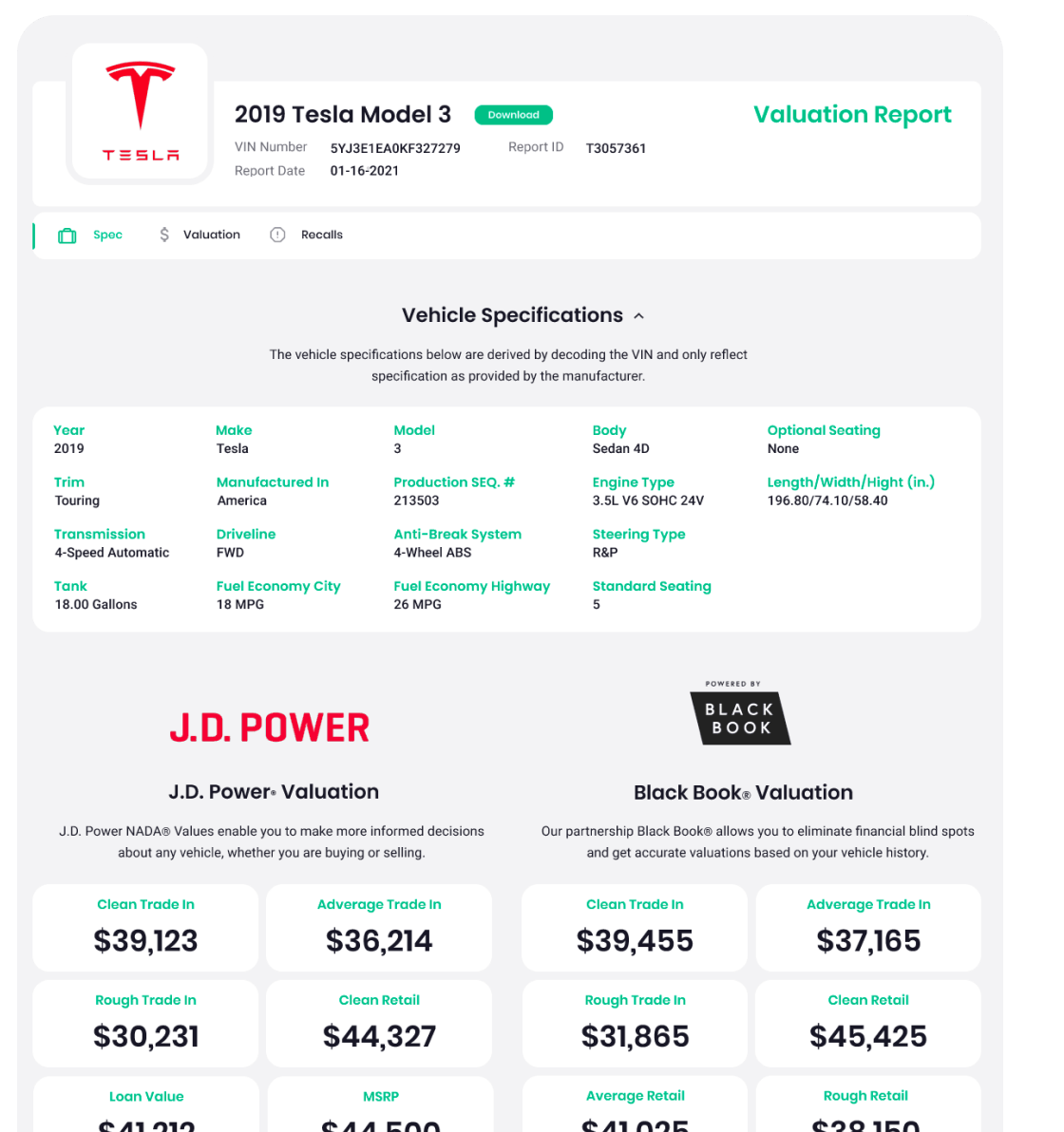
While KBB is popular among consumers, NADA (National Automobile Dealers Association) values—now powered by J.D. Power—are frequently used by credit unions and banks to determine loan-to-value ratios. If you are seeking to refinance an auto loan or determine how much a lender will provide for a used car purchase, J.D. Power is an indispensable tool. It focuses heavily on wholesale data and auction results, making it a more conservative, yet highly accurate, financial metric.
Edmunds and Consumer Reports
Edmunds provides a “True Market Value” (TMV) tool that adjusts for regional variations and current inventory levels. Consumer Reports offers valuation insights that factor in long-term reliability and owner satisfaction, which can be useful when arguing for a higher price point during a sale. By comparing these sources, you can create a “valuation portfolio” for your vehicle, ensuring you aren’t relying on a single data point.
Factors That Influence Your Car’s Resale and Trade-In Value

Looking up a car’s value online provides a generic estimate, but the specific details of your asset will dictate where it falls within the suggested range. In financial terms, these are the variables that impact the “liquidity” and “premium” of your vehicle.
Mileage and the “Threshold” Effect
Mileage is the primary driver of depreciation. From a financial perspective, certain odometer milestones act as psychological and mechanical thresholds. A car with 36,000 miles (often the end of a bumper-to-bumper warranty) or 100,000 miles (perceived end of “prime” life) will see significant value drops. Keeping a vehicle under these thresholds when planning a sale can result in a higher return on investment (ROI).
Physical Condition and Maintenance Documentation
In personal finance, transparency equals value. A car in “Excellent” condition is a rarity; most vehicles fall into the “Good” or “Fair” categories. However, a vehicle backed by a comprehensive service history folder is a “proven” asset. Buyers and dealers are willing to pay a premium for a car that has documented oil changes, brake services, and belt replacements, as it reduces the financial risk of future mechanical failure.
Optional Equipment and Trim Levels
Not all features age equally. While advanced safety tech and leather interiors tend to retain a portion of their original cost, aftermarket modifications like custom rims or expensive audio systems often have a neutral or even negative impact on value. When looking up your car’s value, be sure to select your specific trim level and factory options accurately, as these can fluctuate the price by 10% to 20%.
Strategic Moves: When and How to Leverage Your Car’s Value
Once you have identified the value of your car, the next step is applying that knowledge to improve your financial position. Valuation is not a passive activity; it is a tool for negotiation and wealth preservation.
The Tax Benefits of Trade-Ins
In many jurisdictions, there is a significant financial incentive to trade in a vehicle rather than sell it privately. When you trade in a car, you often only pay sales tax on the difference between the new car price and the trade-in value. For example, if you buy a $40,000 car and trade in a $20,000 car, you only pay sales tax on the remaining $20,000. Depending on your state’s tax rate, this can narrow the gap between the lower trade-in offer and a higher private sale price.
Private Sale: Maximizing the Asset Return
If your primary goal is to maximize the cash inflow, a private sale is almost always the superior financial move. By cutting out the middleman (the dealer), you capture the full retail margin. To succeed here, you must use your valuation research to set a competitive “Ask” price that allows for negotiation while still exceeding the wholesale trade-in offers you received.
Insurance and Total Loss Protection
Knowing your car’s value is critical for insurance purposes. If your vehicle is totaled in an accident, the insurance company will offer you the “Actual Cash Value” (ACV). If you haven’t looked up the value of your car recently, you may be under-insured or, conversely, over-paying for coverage on a vehicle that has depreciated significantly. If you owe more on your loan than the car is worth (being “underwater”), this valuation data will highlight the need for “Gap Insurance.”
Long-Term Financial Planning: Minimizing Depreciation and Maximizing ROI
A proactive approach to car valuation involves looking at the vehicle as a multi-year financial project. By understanding the factors that erode value, you can take steps to protect your equity.
Timing the Market
Automotive values are seasonal. Convertibles and sports cars tend to fetch higher prices in the spring and summer, while 4WD trucks and SUVs see a premium in the autumn and winter. Furthermore, when a new generation of a specific model is released, the value of the previous generation typically drops. Monitoring these cycles allows you to sell when the market is “hot” and buy when it is “cold.”
The Impact of Vehicle History Reports
In the digital age, a vehicle’s history is an open book. Services like CARFAX and AutoCheck track accidents, title brands (like “Salvage” or “Rebuilt”), and service records. A single reported accident can decrease a vehicle’s value by 10% to 40%, even if the repairs were perfect. Maintaining a “clean” history through defensive driving and choosing reputable repair shops is a vital part of protecting the asset’s future value.
Conclusion: The Value of Knowledge
Learning how to look up the value of a car is a fundamental skill in personal finance. It transforms a car from a mysterious monthly expense into a managed asset. By utilizing digital valuation tools, understanding the nuances of depreciation, and timing your transactions based on market data, you ensure that your automotive choices support, rather than hinder, your long-term financial goals. In the world of money, an informed consumer is always the one who retains the most equity.
aViewFromTheCave is a participant in the Amazon Services LLC Associates Program, an affiliate advertising program designed to provide a means for sites to earn advertising fees by advertising and linking to Amazon.com. Amazon, the Amazon logo, AmazonSupply, and the AmazonSupply logo are trademarks of Amazon.com, Inc. or its affiliates. As an Amazon Associate we earn affiliate commissions from qualifying purchases.