
In the modern landscape of personal finance and travel budgeting, few topics spark as much debate as the Ultra Low-Cost Carrier (ULCC). At the forefront of this discussion is Frontier Airlines, a company that has built its entire business architecture around the promise of ultra-low base fares. To the casual observer, a $29 transcontinental flight seems like a financial miracle; to the skeptic, it looks like a marketing trap. Understanding “how Frontier flights are” requires moving beyond the passenger seat and into the ledger. To evaluate the true value of these flights, one must dissect the financial engineering of the ULCC model, the hidden costs of unbundled services, and the strategic math required for a consumer to actually come out ahead.
Understanding the ULCC Financial Architecture
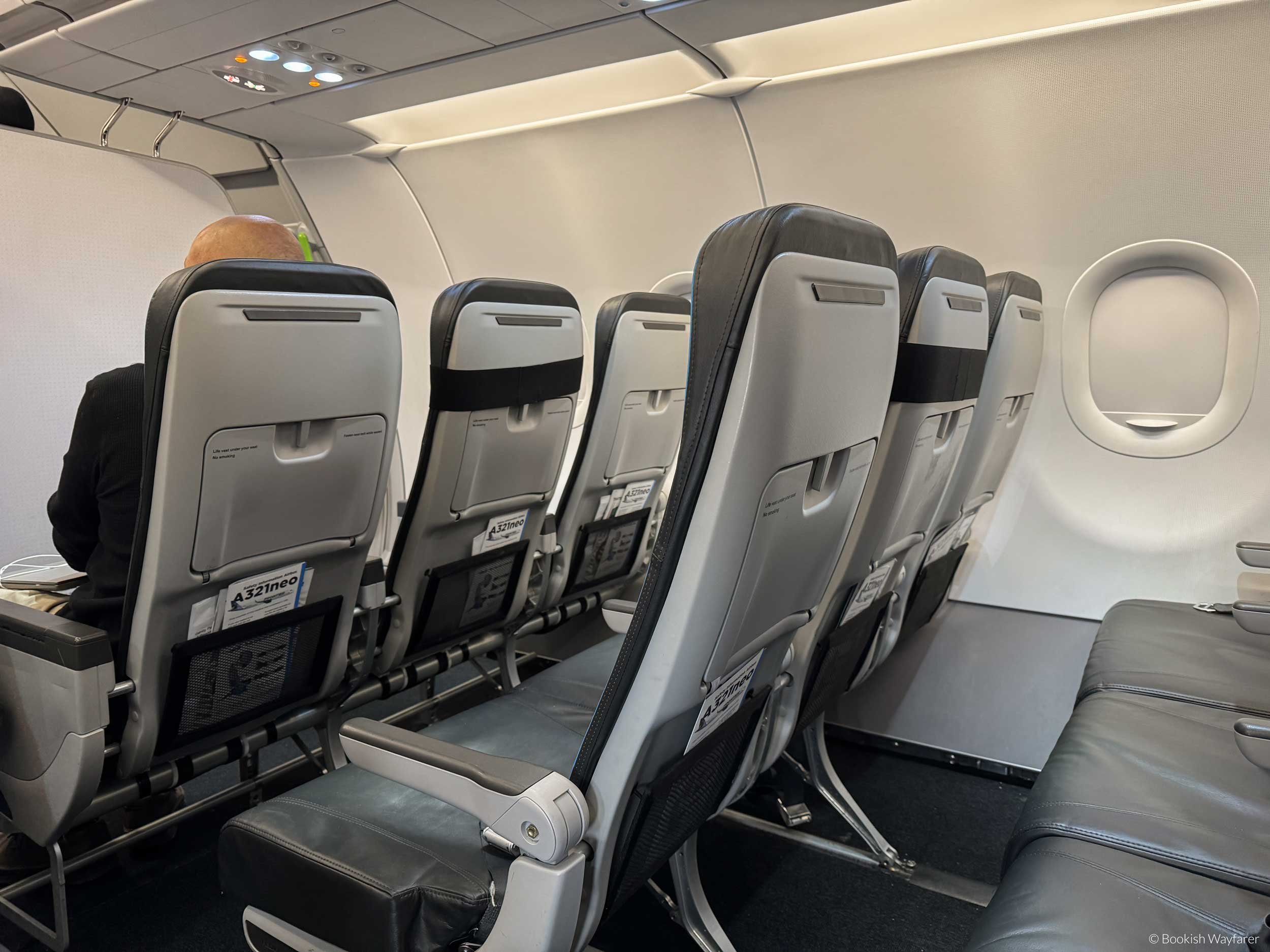
Frontier Airlines operates on a business model fundamentally different from “legacy” carriers like Delta or United. While legacy carriers bake the cost of service, snacks, and baggage into a premium ticket price, Frontier utilizes a strategy known as “unbundling.” This is not merely a service choice; it is a sophisticated financial structure designed to lower the barrier to entry for the consumer while maximizing ancillary revenue.
Unbundling Services as a Revenue Strategy
In the world of corporate finance, unbundling is the practice of selling various components of a product separately. For Frontier, the “product” is the transportation from Point A to Point B. Everything else—overhead bin space, checked luggage, seat assignments, and even water—is a “value-added service.” By stripping these away, Frontier can report lower base fares, which helps them dominate search engine results and attract price-sensitive travelers. Financially, this allows the airline to maintain high “load factors” (the percentage of seats filled), which is a critical metric for profitability in the capital-intensive aviation industry.
The Secondary Revenue Stream: Fees vs. Fares
The genius of the Frontier financial model lies in its ancillary revenue. In many fiscal quarters, Frontier and similar ULCCs generate nearly half of their total revenue from non-ticket sources. This includes baggage fees, change fees, and seat selection. From a business perspective, this is a more resilient revenue stream than ticket sales alone. While ticket prices fluctuate wildly based on market demand and seasonality, the price of a checked bag remains relatively static. This provides the company with a predictable cash flow that offsets the volatility of the competitive fare market.
Calculating the True Cost of a “Cheap” Flight
For the individual focused on personal finance, the “sticker price” of a Frontier flight is rarely the final cost. To determine if a flight is truly a bargain, one must perform a comprehensive cost-benefit analysis that accounts for the “hidden” expenditures that occur after the initial booking.
The Hidden Expenses of Carry-ons and Seat Selection
The most common financial pitfall for the uninitiated Frontier traveler is the baggage fee. Frontier’s business model incentivizes “traveling light.” Their baggage fees are dynamic, often increasing as the departure date approaches or reaching their peak at the airport gate. If a traveler pays $30 for a flight but $70 for a carry-on bag, the total cost of $100 might exceed a $90 fare on a legacy carrier that includes a bag.
Furthermore, seat selection is a significant profit center. Frontier’s algorithmic seating often separates groups unless a fee is paid to sit together. For a family of four, these fees can add $100 to $200 to the total round-trip cost. When evaluating the financial viability of a Frontier flight, the savvy consumer must calculate the “Total Cost of Journey” (TCJ) rather than the “Initial Fare Cost” (IFC).
Opportunity Cost and Reliability Risks
A deeper financial consideration often overlooked is the opportunity cost of time and the risk of operational disruption. Frontier operates a “point-to-point” network with a leaner fleet compared to global giants. If a flight is canceled, the lack of frequent alternative routes can result in a traveler being stranded for 24 to 48 hours.
From a financial standpoint, this presents a significant risk. If a traveler misses a day of work, has to pay for an unplanned hotel stay, or must book a last-minute replacement flight on another airline, the “savings” of the original Frontier ticket are instantly wiped out. For business travelers or those with high-stakes commitments, the potential “downside risk” of a ULCC often outweighs the “upside gain” of a lower fare.
Frontier’s Position in the Competitive Aviation Market
To understand how Frontier maintains its low-cost position, one must look at the macro-level business finance of the airline. Frontier’s ability to offer low prices is a result of extreme operational efficiency and aggressive cost-cutting measures that differentiate it from its competitors.
Operational Efficiency and Fleet Management
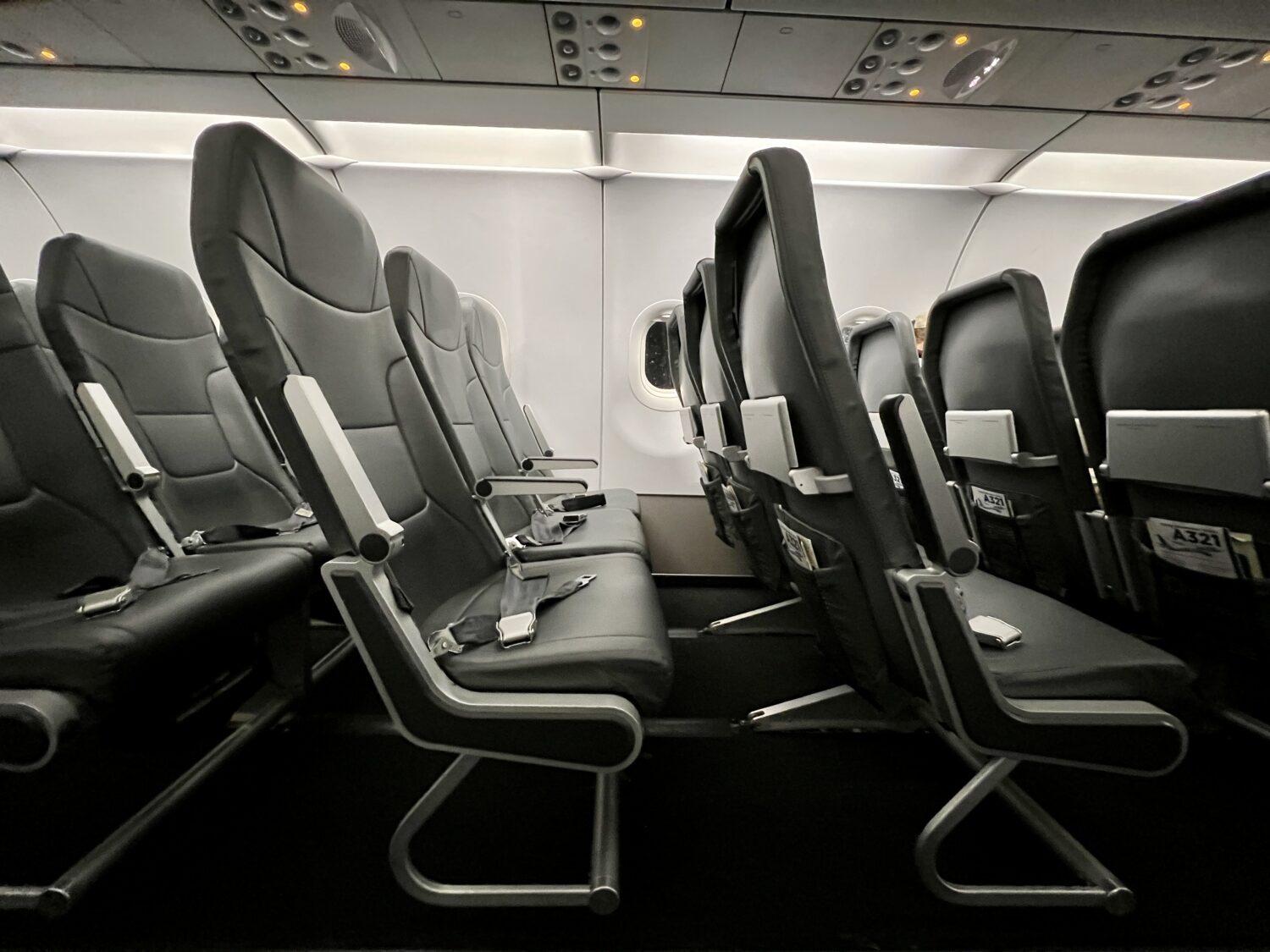
Frontier maintains one of the youngest and most fuel-efficient fleets in the industry, primarily composed of Airbus A320neo family aircraft. In the airline industry, fuel is typically the largest or second-largest operating expense. By investing in “New Engine Option” (neo) technology, Frontier significantly reduces its burn rate per seat-mile.
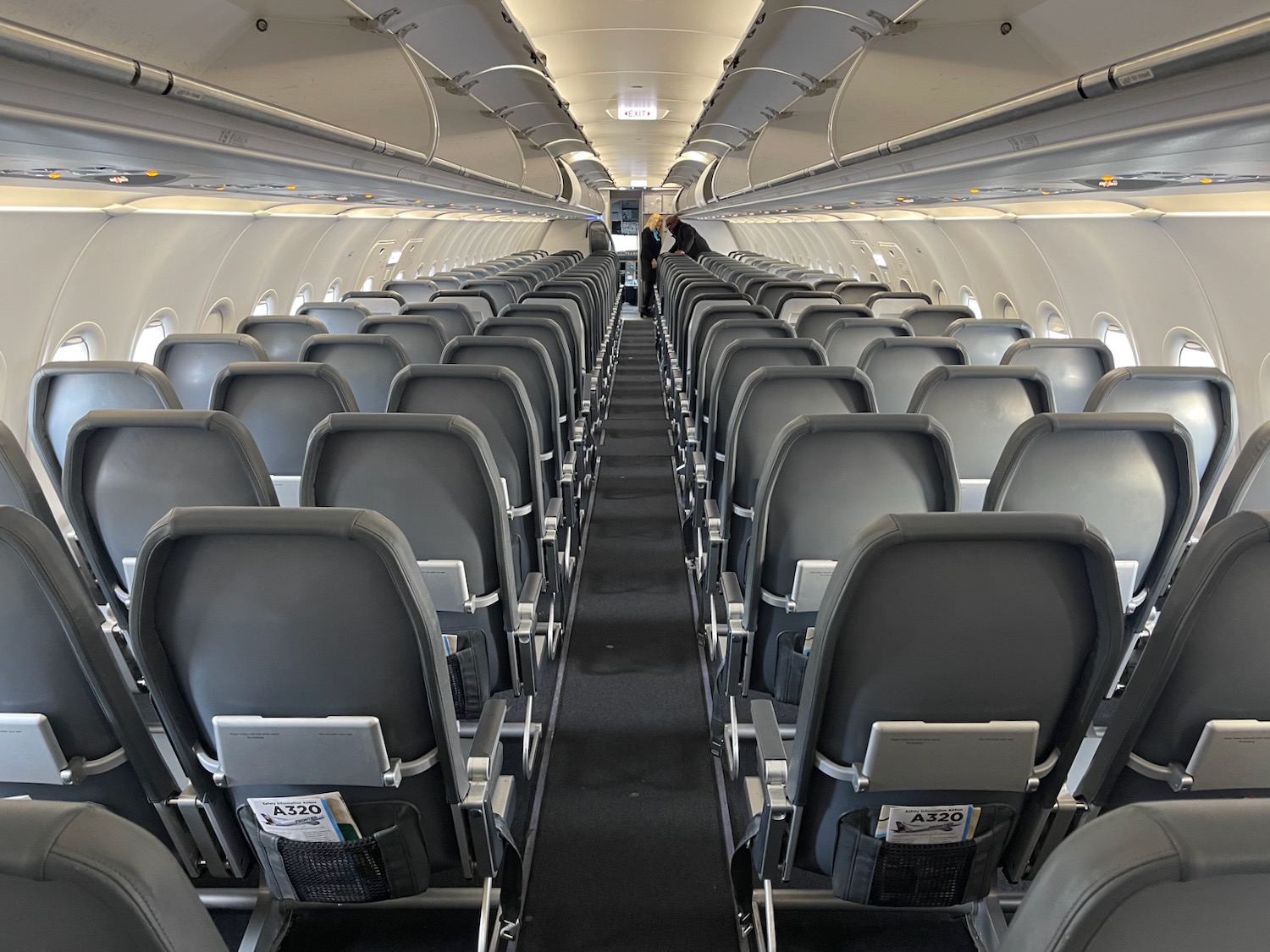
Additionally, Frontier utilizes a high-density seating configuration. By fitting more seats into the same cabin space compared to a legacy carrier, they lower the “Cost per Available Seat Mile” (CASM). This financial metric is the holy grail of airline management; the lower the CASM, the more aggressively an airline can price its tickets while still maintaining a profit margin.
Market Volatility and the Future of Budget Travel
The budget airline sector is currently in a state of financial flux. Rising labor costs, fluctuating fuel prices, and the attempted (and often blocked) mergers within the industry—such as the Spirit and JetBlue saga—highlight the fragility of the ULCC model. Frontier must constantly balance its low-price promise with the need to satisfy shareholders and cover rising operational costs. For the consumer, this often manifests as a “fee-creep,” where the airline introduces new charges or tightens restrictions to maintain their margins in a tightening economy.
Financial Strategy for Travelers: How to Hack the Frontier System
If the goal is purely to minimize expenditure and maximize the value of every dollar, flying Frontier requires a specific financial strategy. It is not a “passive” experience; it is an active exercise in budget management.
The “GoWild!” Pass and Subscription Models
Frontier has pioneered the use of the “all-you-can-fly” pass, known as the GoWild! Pass. From a personal finance perspective, this is a subscription model for travel. For a flat annual or seasonal fee, travelers can book flights for just the cost of taxes and fees ($14.90 for most domestic legs).
However, the “math” of the GoWild! Pass only works for a specific demographic: the flexible freelancer or the student. Because flights can only be confirmed 24 hours in advance (for domestic) or 10 days in advance (for international), the pass is a high-risk, high-reward financial instrument. For someone who can travel on short notice, the pass can drive the effective cost of a flight down to under $20, representing an incredible return on investment.
Leveraging Credit Cards and Loyalty Points for Bottom-Line Gains
To truly master the Frontier financial ecosystem, one must look at their co-branded credit card and the “Frontier Miles” program. Unlike legacy programs that have undergone massive devaluation, Frontier’s loyalty program remains relatively straightforward.
The strategy here is to use the credit card to earn “Elite Status.” Frontier’s status tiers are unique because they eventually unlock free carry-on bags and seat assignments for the entire party on a reservation. For a frequent budget traveler, the initial investment in a credit card annual fee can be recovered in just two or three flights through the elimination of ancillary fees. This moves the traveler from the “unbundled” economy into a “bundled” experience at a fraction of the market rate.
Conclusion: The Bottom Line on Frontier
Ultimately, the question of “how Frontier flights are” is a question of financial literacy and personal tolerance for risk. Frontier is not a service provider in the traditional sense; it is a transportation utility. It offers a low-cost “raw material”—the flight—and leaves it to the consumer to decide which “finished goods” (bags, seats, flexibility) they are willing to pay for.
For the savvy individual who understands the rules of the game—who travels with a “personal item” only, understands the risk of delays, and avoids the “traps” of last-minute fee spikes—Frontier is a powerful tool for wealth preservation. It allows for the reallocation of travel funds toward experiences at the destination rather than the cost of getting there. However, for the traveler who expects a traditional service model at a discount price, the “Frontier math” may end in a deficit. In the world of budget aviation, the cheapest flight is only a bargain if you know exactly how to account for every cent.
aViewFromTheCave is a participant in the Amazon Services LLC Associates Program, an affiliate advertising program designed to provide a means for sites to earn advertising fees by advertising and linking to Amazon.com. Amazon, the Amazon logo, AmazonSupply, and the AmazonSupply logo are trademarks of Amazon.com, Inc. or its affiliates. As an Amazon Associate we earn affiliate commissions from qualifying purchases.