
Travel is often perceived as a luxury expenditure—a discretionary drain on one’s capital that yields temporary memories but offers little in the way of financial sustainability. However, when viewed through the lens of sophisticated personal finance, travel becomes a game of resource allocation, arbitrage, and strategic asset management. Traveling “cheaply” is not merely about deprivation or staying in subpar accommodations; it is about optimizing the return on every dollar spent and leveraging financial systems to explore the world without compromising one’s long-term fiscal health.
By treating travel as a budgetary challenge rather than an emotional impulse, individuals can unlock global experiences that were once reserved for the wealthy. This requires a deep dive into the mechanics of currency, credit, and cost-benefit analysis.
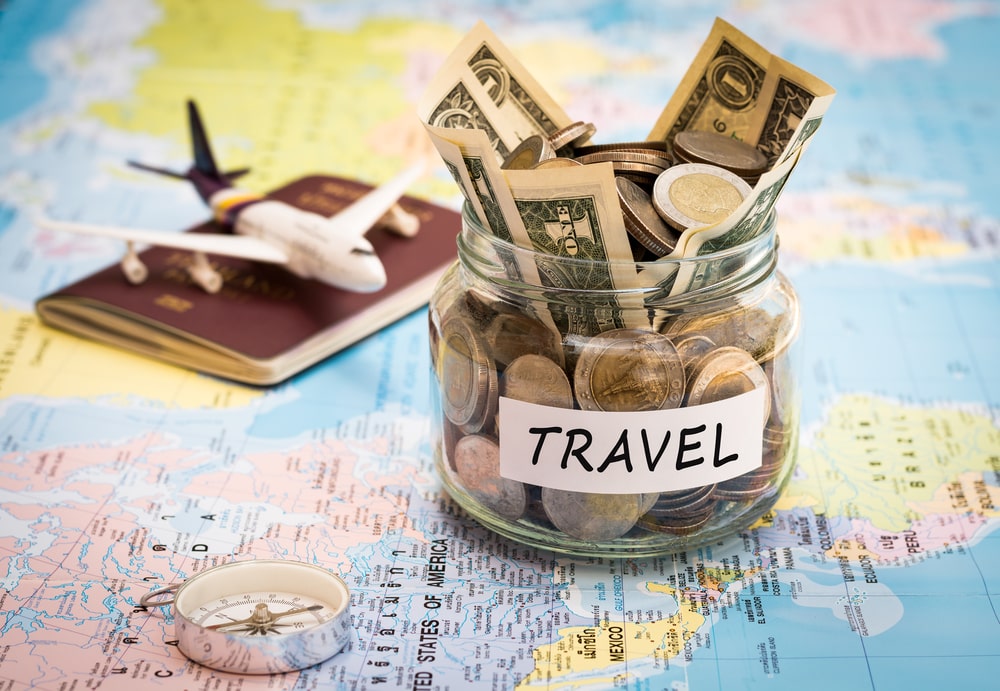
The Macro-Economics of Modern Travel: Strategic Planning and Budgeting
The foundation of affordable travel is not found in a suitcase, but in a spreadsheet. To travel effectively on a limited budget, one must understand the macro-economic factors that influence the cost of movement and residency.
Analyzing Geo-Arbitrage and Cost-of-Living Indexes
The most powerful tool in the budget traveler’s arsenal is geo-arbitrage. This financial strategy involves earning money in a strong currency (such as the USD, EUR, or GBP) and spending it in a region where the cost of living is significantly lower. By targeting destinations where the local purchasing power is high relative to your home currency, you can effectively “buy” a higher standard of living for a fraction of the price.
Before booking, a savvy traveler analyzes the Consumer Price Index (CPI) and local inflation rates of potential destinations. Choosing Southeast Asia, parts of Eastern Europe, or South America over Western European capitals can result in a 50% to 70% reduction in daily expenses. In these regions, the capital required for a week of basic survival in London might fund a month of high-quality living elsewhere.
Building a Dedicated Travel Sinking Fund
From a personal finance perspective, travel should never be funded by high-interest debt or emergency savings. Instead, the implementation of a “Sinking Fund”—a specific savings category for a future expense—is essential. By automating a monthly transfer into a dedicated high-yield savings account (HYSA), travelers can capitalize on compound interest while ensuring their adventures are fully “pre-paid.” This approach eliminates the “financial hangover” of post-vacation credit card bills and allows for more disciplined spending during the trip, as the budget is predetermined by the fund’s balance.
Leveraging Financial Instruments: The Power of Credit Card Rewards and Arbitrage
In the modern financial ecosystem, the way you pay for your travel is just as important as how much you pay. Strategic use of financial instruments can offset the highest costs of travel, specifically airfare and lodging.
Optimizing Point Accumulation for Maximum ROI
Credit card “churning” and the strategic accumulation of loyalty points represent a form of financial arbitrage. By utilizing credit cards that offer significant sign-up bonuses and tiered spending rewards, travelers can convert their everyday expenses—groceries, utilities, and business costs—into travel capital.
The key is to understand the “cents per point” (CPP) valuation. A professional approach involves transferring points to airline and hotel partners rather than using them as “cash back,” which often yields a lower return. When a flight that costs $1,200 can be secured for 60,000 points (a 2.0 CPP value), the traveler has effectively generated a high-yield return on their regular spending. However, this strategy is only viable for those with the fiscal discipline to pay off balances in full every month, as interest charges will quickly negate any rewards earned.
Navigating Currency Exchange and Avoiding Hidden Transaction Fees
Hidden fees are the silent killers of a travel budget. Many standard debit and credit cards charge a 3% foreign transaction fee on every purchase made abroad. Over a $5,000 trip, this equates to $150 lost to banking margins.
To mitigate this, travelers must utilize financial products designed for international use, such as cards that waive these fees and provide ATM fee reimbursements. Furthermore, understanding the “Dynamic Currency Conversion” (DCC) trap is vital. When an international merchant asks if you want to pay in your “home currency” or the “local currency,” the local currency is almost always the financially superior choice. Choosing the home currency allows the merchant’s bank to set an unfavorable exchange rate, often adding a hidden 5-10% markup to the transaction.
Tactical Spending: Reducing Fixed and Variable Travel Costs
Once the destination is chosen and the financial instruments are in place, the focus shifts to the tactical execution of the trip. Travel costs are generally split into fixed costs (flights and major transport) and variable costs (food, local transit, and entertainment).
The Hidden Value in Alternative Accommodations and Shared Economies
Traditional hotels are often the least efficient use of capital for the budget-conscious traveler. The rise of the sharing economy and alternative lodging platforms has introduced a competitive market that drives prices down. Beyond simple rentals, savvy travelers look toward “slow travel” models, such as house-sitting or long-term apartment leases, which offer significant discounts over nightly rates.
For those focused on extreme cost-efficiency, “Hostel-hopping” remains a staple, but the modern market also offers “flashpacker” options—high-end hostels that provide the social and financial benefits of shared space with the professional amenities of a boutique hotel. By choosing accommodations with kitchen facilities, travelers can also mitigate one of the largest variable costs: dining out. The ability to prepare just one meal a day using local ingredients can reduce a food budget by 30%.
Strategic Transportation Management: Beyond Budget Airlines
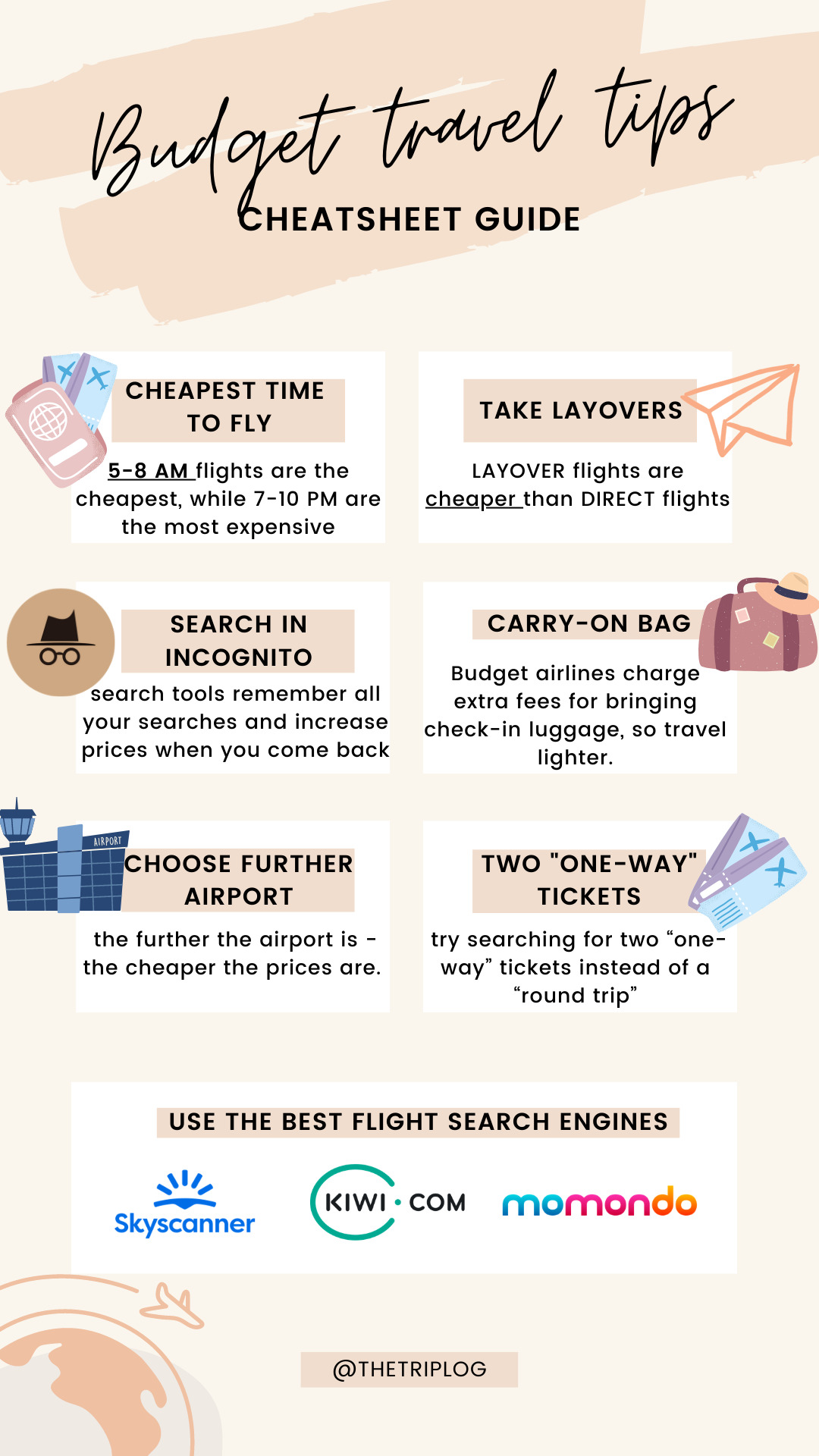
While budget airlines offer low base fares, their business models rely on “ancillary revenue”—fees for bags, seat selection, and boarding passes. A financially literate traveler calculates the total cost of carriage before booking. Sometimes, a full-service carrier is cheaper once all fees are aggregated.
Furthermore, the “Hidden City Ticketing” strategy and the use of regional rail passes (like the Eurail or Japan Rail Pass) can offer significant savings, provided the traveler understands the contractual risks and the time-vs-money trade-off. In many regions, overnight buses or trains serve a dual purpose: they act as a transport mechanism and a night’s accommodation, effectively “double-dipping” on the budget.
The Psychology of Frugality vs. Value in Travel
The ultimate goal of traveling cheap is not to spend the least amount of money possible, but to maximize the value derived from the capital deployed. This requires a shift in mindset from “price-focused” to “value-focused.”
Distinguishing Between Cheapness and Financial Efficiency
Being “cheap” can often be expensive. For example, booking a flight with a 12-hour layover to save $50 might result in $60 spent on airport food and a lost day of vacation time. Financial efficiency in travel means valuing your time and your health as much as your bank balance.
A professional traveler understands the concept of “Opportunity Cost.” If spending $20 more on a central accommodation saves two hours of commuting time each day, that $20 is an investment in the quality and quantity of the experience. The objective is to cut costs on the things that don’t matter (fancy soaps, airplane meals, brand-name luggage) to fund the things that do (unique cultural experiences, professional networking, and personal growth).
Long-term Travel as an Investment in Human Capital
Finally, it is important to view the money spent on travel not as “burned” capital, but as an investment in human capital. Travel provides exposure to new markets, languages, and networking opportunities that can lead to increased earning potential in the long run.
By maintaining a lean travel budget, an individual can afford to travel more frequently or for longer durations. This extended exposure to the world fosters adaptability and global literacy—traits that are increasingly valuable in the modern economy. In this sense, “traveling cheap” is the ultimate arbitrage: you are trading a small amount of liquid capital for a massive increase in personal and professional perspective.
In conclusion, mastering the art of cheap travel is a testament to one’s financial literacy. It requires the coordination of currency management, reward optimization, and strategic lifestyle choices. When executed with professional precision, a budget-conscious approach doesn’t limit the travel experience; it expands it, proving that the world is accessible to anyone who understands the true value of a dollar.
aViewFromTheCave is a participant in the Amazon Services LLC Associates Program, an affiliate advertising program designed to provide a means for sites to earn advertising fees by advertising and linking to Amazon.com. Amazon, the Amazon logo, AmazonSupply, and the AmazonSupply logo are trademarks of Amazon.com, Inc. or its affiliates. As an Amazon Associate we earn affiliate commissions from qualifying purchases.