
In the modern era of global connectivity, the ability to track a pressurized metal tube traveling at 500 miles per hour at 35,000 feet is no longer a luxury reserved for air traffic controllers. For the average traveler, the question of “how to check plane status” has evolved from a simple phone call to the airline into a sophisticated interaction with a global network of satellites, ground stations, and complex software algorithms. Understanding the technology behind flight tracking not only ensures you never miss a pickup but also provides a fascinating look into the digital infrastructure that keeps the world moving.

The Evolution of Flight Tracking Systems
To understand how to check a plane’s status effectively, one must first understand the data ecosystem that powers these updates. We have moved far beyond the era of manual logs and radio-only communication. Today’s flight tracking is a triumph of synchronized hardware and software.
ADS-B: The Backbone of Modern Aviation Data
At the heart of modern flight tracking is Automatic Dependent Surveillance-Broadcast (ADS-B) technology. Unlike traditional radar, which “pings” an aircraft to determine its location, ADS-B allows the aircraft to determine its own position via satellite navigation and periodically broadcast it. This broadcast includes the plane’s GPS coordinates, altitude, airspeed, and a unique identification code.
For the tech-savvy user, this means that the “status” you see on your screen is often coming directly from the aircraft’s transponder in near-real-time. Thousands of ground-based receivers—many operated by hobbyists using inexpensive Raspberry Pi setups—collect these signals and feed them into centralized servers. This crowdsourced data model is what allows apps to show you exactly where a plane is on a map with startling accuracy.
Satellite-Based Tracking and Real-Time Telemetry
While ground-based ADS-B is incredibly effective over land, it historically suffered from “blind spots” over oceans or remote mountainous regions. This is where Space-Based ADS-B comes into play. Companies like Aireon have deployed receivers on low-earth orbit satellites, ensuring that an aircraft’s status can be tracked even in the middle of the Atlantic.
When you check a plane’s status on a high-end tracking platform, the software is often seamlessly switching between terrestrial and satellite data streams. This ensures that the “Status: In Flight” update remains constant, regardless of the geographical challenges.
Top Software and Apps for Real-Time Flight Monitoring
When looking for the best way to check a plane status, the choice of software is critical. Different platforms offer varying levels of data granularity, from basic arrival times to advanced telemetry like vertical speed and squawk codes.
FlightRadar24 and FlightAware: The Power of Crowdsourced Data
FlightRadar24 and FlightAware are the industry titans in the consumer space. FlightRadar24 is widely praised for its augmented reality (AR) features and its sleek, map-centric interface. From a technical standpoint, its strength lies in its massive network of over 30,000 ground receivers. If you want to see a 3D view of what the pilot sees, these apps use flight data to render a simulated cockpit environment.
FlightAware, on the other hand, excels in “predictive” status updates. Its proprietary “MiseryMap” and “Where is my plane?” features use historical data and current air traffic flows to predict delays before the airline even announces them. For the user, this means the app might tell you your flight is delayed twenty minutes before the airport departure board updates.
Integrated Airline Apps and Push Notification Architecture
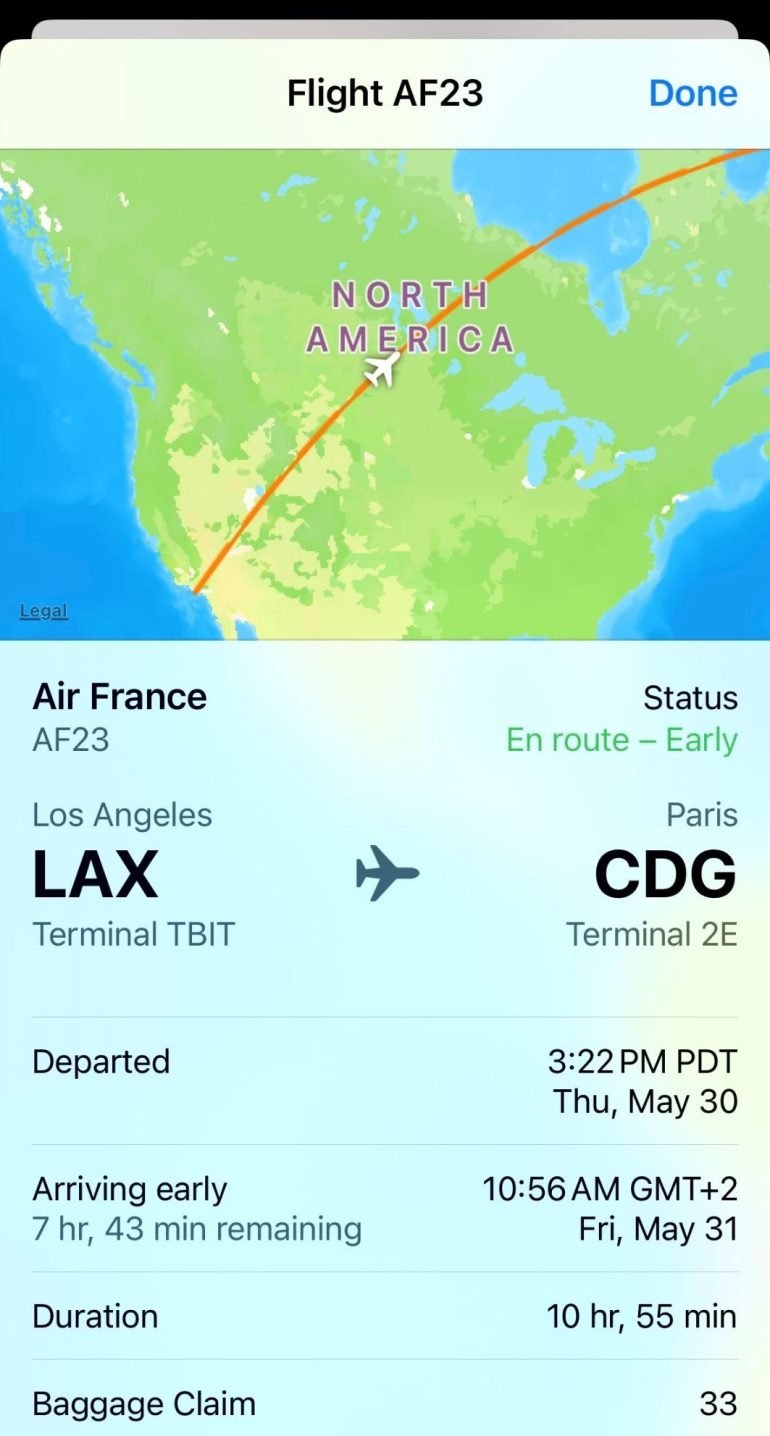
While third-party trackers are great for enthusiasts, official airline apps (like those from Delta, United, or Lufthansa) are optimized for the end-user journey. These apps rely on a direct API (Application Programming Interface) connection to the airline’s Computer Reservation System (CRS).
The technology here is less about the physics of the plane and more about the synchronization of data. When a gate change occurs, a trigger is sent through the airline’s backend, which then pushes a notification to your smartphone using Firebase or Apple Push Notification Service (APNs). This ensures that the status update reaches the user within seconds of the decision being made in the operations center.
How AI and Machine Learning Predict Flight Delays
One of the most significant technological leaps in checking plane status is the move from reactive data to predictive analytics. It is no longer enough to know where a plane is; travelers want to know where it will be two hours from now.
Analyzing Weather Patterns and Air Traffic Congestion
Advanced tracking platforms now integrate Artificial Intelligence (AI) to provide more accurate “estimated time of arrival” (ETA) figures. These AI models ingest massive datasets, including National Oceanic and Atmospheric Administration (NOAA) weather feeds, historical gate-to-gate durations, and current congestion levels at specific hubs like O’Hare or Heathrow.
If a storm system is moving across the Midwest, the software doesn’t just look at the plane’s current speed. It calculates the likely rerouting path and the resulting “flow control” measures implemented by the FAA. Consequently, when you check the status, the “Expected” time reflects a sophisticated calculation of meteorological and logistical variables.
Predictive Maintenance and Ground Operation Algorithms
Sometimes a plane is on the tarmac, but its “status” remains stuck. This is often due to ground operations. Tech companies are now using machine learning to analyze “turnaround times”—the period a plane spends at the gate. By monitoring the movement of ground service equipment (like fuel trucks and baggage loaders) via IoT (Internet of Things) sensors, systems can predict if a flight will depart on time based on whether the catering truck has arrived or the cargo door has been closed.
Digital Security and Privacy in Travel Tracking
As with any technology that involves real-time location data and personal itineraries, security is a paramount concern when checking plane status.
Protecting Personal Data in Third-Party Travel Apps
When you input a flight number or link your email to a tracking app, you are sharing sensitive data. The best-in-class apps use end-to-end encryption to ensure that your travel patterns aren’t intercepted. From a tech perspective, users should look for apps that support OAuth 2.0 for secure login and have clear policies on data anonymization.
Furthermore, many “status” check tools now offer a “blurring” feature for private aviation. While commercial flights are public record, high-net-worth individuals and corporations often use the FAA’s “Limiting Aircraft Data Displayed” (LADD) program. This highlights the technical tug-of-war between the transparency of the ADS-B system and the privacy requirements of private entities.
The Ethical Implications of Open-Source Flight Tracking
The rise of open-source flight tracking (like ADSB-Exchange) has sparked a debate in the tech community. Unlike corporate platforms that filter certain aircraft, open-source platforms show every signal they receive. This “raw data” approach is a testament to the decentralized nature of modern technology, but it also raises questions about the security of government and sensitive transport flights.
Future Trends: The Next Generation of Global Air Monitoring
The technology we use to check plane status is not static. We are on the verge of several breakthroughs that will make tracking even more seamless and integrated.
Space-Based ADS-B and Total Global Coverage
As mentioned earlier, satellite tracking is the current frontier. As more “CubeSats” and low-orbit constellations are launched, the latency of flight updates will drop from seconds to milliseconds. This will allow for “4D Trajectory-Based Operations,” where a plane’s status is tracked in three spatial dimensions plus time, allowing for incredibly tight spacing between aircraft and virtually eliminating “unknown” statuses.
Integration with Smart Cities and Autonomous Transit
In the near future, checking your plane status won’t require opening an app. Through the integration of the Internet of Things (IoT) and Smart City infrastructure, your autonomous rideshare vehicle will receive a direct data feed from the aircraft’s transponder. If the plane’s status changes to “Landed,” your car will automatically adjust its pickup time at the terminal. This level of cross-platform communication represents the ultimate goal of travel tech: a frictionless ecosystem where data moves as fast as the travelers themselves.
By leveraging ADS-B data, AI-driven predictions, and secure software interfaces, the process of checking a plane’s status has become a masterclass in modern digital engineering. Whether you are a casual traveler or a logistics professional, the technology at your fingertips provides a level of insight that was once the stuff of science fiction.
aViewFromTheCave is a participant in the Amazon Services LLC Associates Program, an affiliate advertising program designed to provide a means for sites to earn advertising fees by advertising and linking to Amazon.com. Amazon, the Amazon logo, AmazonSupply, and the AmazonSupply logo are trademarks of Amazon.com, Inc. or its affiliates. As an Amazon Associate we earn affiliate commissions from qualifying purchases.