
In an era dominated by instant transfers, mobile wallets, and contactless payments, the traditional paper check may seem like a relic of the past. However, in the world of personal and business finance, checks remain a fundamental tool for high-value transactions, payroll, and official record-keeping. Whether you are setting up a direct deposit for a new job, linking your bank account to an investment platform, or paying a contractor, you will inevitably be asked for your routing and account numbers.
For many, looking at the string of digits at the bottom of a check can be confusing. Which set of numbers identifies the bank, and which identifies your specific funds? Understanding the anatomy of a check is not just a matter of convenience; it is a core component of financial literacy that ensures your money moves accurately and securely through the global banking system.
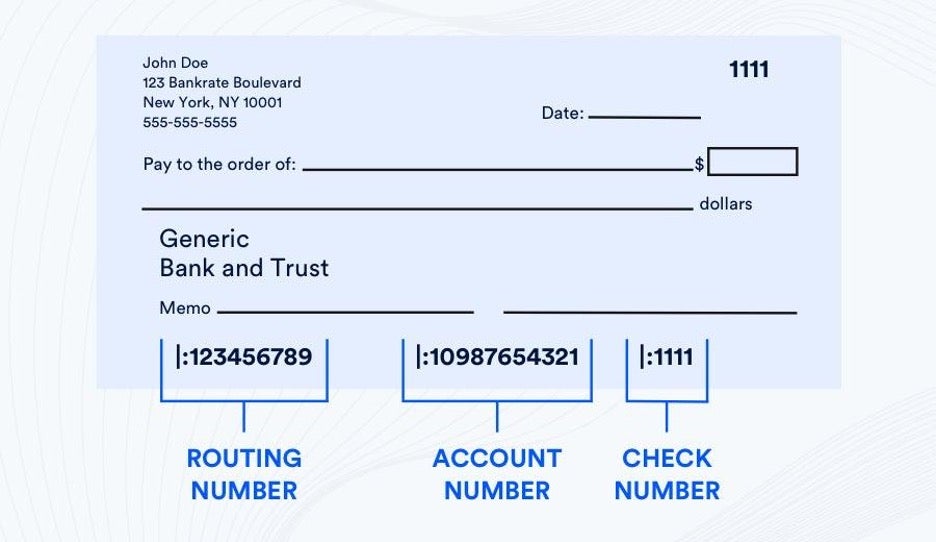
The Anatomy of a Check: Decoding the Bottom Row
When you look at a check, the most critical information is printed at the very bottom in a unique, blocky font. This is known as the MICR (Magnetic Ink Character Recognition) line. This line allows high-speed processing machines at the Federal Reserve and private clearinghouses to read the information magnetically, even if the check is smudged or written over. The MICR line is typically composed of three distinct sets of numbers.
The Routing Number (ABA)
The first set of numbers on the left side of the check is the American Bankers Association (ABA) routing number, also known as a transit number. This nine-digit code serves as the “address” for your financial institution. It tells the banking system exactly where the money needs to go or where it is being pulled from.
In the United States, every bank has at least one routing number. Larger national banks may have several different routing numbers based on the geographic region where the account was opened. When you are filling out a form for a domestic wire transfer or an ACH (Automated Clearing House) payment, the routing number ensures the funds reach the correct bank.
The Account Number
The second set of numbers—usually located in the middle or slightly to the right of the routing number—is your specific account number. This is the most vital piece of information for identifying your individual “bucket” of money within the bank’s massive database.
Unlike the routing number, which is nine digits long, account numbers vary in length depending on the bank. They can be anywhere from 8 to 12 digits or more. On a physical check, the account number is often followed by a unique symbol that looks like a vertical bar and a colon (the “on-us” symbol), which signals to the scanning machine that the account number sequence has ended. Identifying this number correctly is essential; a single digit error can result in a rejected transaction or, worse, money being deposited into the wrong person’s account.
The Check Number
The final set of numbers on the MICR line is the check number. This is usually the shortest sequence and corresponds to the number printed in the top right-hand corner of the check. The check number is used for your personal record-keeping and allows the bank to track which specific checks have been processed.
If you ever need to place a “stop payment” on a check—for instance, if a check you mailed was lost—you will need to provide the bank with this specific number. In the MICR line, the check number is often separated from the account number by a space or another special symbol to prevent the two sequences from being read as one.
Why Knowing Your Account Number is Crucial for Personal Finance
In the realm of personal finance, your account number is the key that unlocks various financial tools and services. While we often rely on debit cards for daily spending, the underlying account number is what powers the most significant movements of your wealth.
Setting Up Direct Deposits and Automatic Payments
The most common scenario where you will need to identify your account number is when setting up a direct deposit. Most employers require a voided check or a direct deposit authorization form to ensure your paycheck is routed correctly. By providing the routing and account numbers found on your check, you enable a seamless transfer of funds every pay period.

Similarly, for recurring expenses such as mortgages, car loans, or utility bills, using your account number to set up an ACH pull is often more reliable than using a credit card. Credit cards expire or can be canceled due to fraud, which can lead to missed payments and late fees. An account-to-account transfer via your bank details provides a more stable, long-term solution for automated financial management.
Wire Transfers vs. ACH Transfers
Understanding your account details is also necessary when choosing between different types of electronic transfers. An ACH transfer is the standard way bills are paid and direct deposits are made; it is generally free but takes 1–3 business days. A wire transfer, however, is an instantaneous movement of money often used for large transactions like a down payment on a home.
When initiating a wire transfer, the bank will ask for your account number and a specific “Wire Routing Number,” which is sometimes different from the routing number found on your paper checks. Being able to distinguish between these numbers and knowing where to find them prevents costly delays in time-sensitive financial closings.
Security and Preventing Fraud
Your account number is sensitive financial data. Just as you wouldn’t leave your social security number lying around, you should be cautious with your checks. Because the account number and routing number are printed clearly on every check you write, anyone who handles your check technically has the information needed to attempt an unauthorized electronic withdrawal.
In professional financial management, it is recommended to monitor your statements regularly for any “e-check” or ACH withdrawals you didn’t authorize. Many modern banks offer “Positive Pay” services for business accounts, where the bank will only honor checks that match a list of check numbers and amounts previously provided by the account holder. For personal accounts, simply being aware of where your account number is located helps you keep track of who has access to your financial “address.”
Digital Banking and the Evolution of the Paper Check
The financial landscape is shifting toward digital-first solutions, but the paper check has evolved rather than disappeared. The numbers found on your check are now the foundation for several high-tech financial tools.
Mobile Check Deposit Technology
One of the most significant advancements in banking tech is Mobile Deposit. By taking a photo of the front and back of a check, your bank’s app uses OCR (Optical Character Recognition) to read the MICR line—the routing, account, and check numbers—and digitize the transaction. This technology has largely removed the need to visit a physical bank branch, yet it relies entirely on the clarity and accuracy of the numbers printed on that slip of paper.
Electronic Checks (eChecks)
When you pay a bill online and enter your routing and account numbers instead of a credit card number, you are using an “eCheck.” This is essentially a digital version of the paper check. It uses the same clearinghouse system (ACH) to move money. Businesses prefer eChecks because they avoid the 2–3% processing fees associated with credit cards. As a consumer, knowing exactly which number is your account number allows you to take advantage of these fee-free payment methods.
When Do You Still Need a Physical Check?
Despite the rise of Venmo, Zelle, and Apple Pay, there are moments in your financial life where a physical check—or at least the information on it—is non-negotiable. Government agencies often require checks for tax payments to ensure a clear paper trail. Landlords in many markets still prefer physical checks to avoid digital platform fees. Furthermore, when opening a new brokerage account to invest in the stock market, you will often need to “link” your bank by providing your account number to facilitate the transfer of investment capital.
Best Practices for Managing Your Banking Details
Managing your personal or business finance effectively requires organized record-keeping. Your account number is a permanent fixture of your financial identity, and knowing how to access and protect it is vital.
Where to Find Your Account Number Without a Check
If you don’t have a physical checkbook, you can still find your account number through your bank’s online portal or mobile app. Usually, under “Account Details” or “Settings,” there will be an option to “View Routing and Account Number.” For security reasons, these numbers are often masked (showing only the last four digits) until you pass a biometric or two-factor authentication check. Additionally, your monthly bank statement—whether paper or digital—will always list your account number, though usually not the routing number.

Safeguarding Your Financial Identity
To maintain a healthy financial life, treat your checks like cash. If you have old checkbooks for closed accounts, do not simply throw them away; shred them. Because the routing and account numbers are the “keys” to your account, a discarded check is a goldmine for identity thieves who can use those numbers to create counterfeit checks or make online purchases.
By mastering the simple layout of a check, you empower yourself to navigate the complexities of the modern financial system. Whether you are moving money between accounts, starting a new job, or protecting yourself from fraud, the ability to quickly and accurately identify your account number is a small but powerful tool in your financial toolkit. Professional finance is built on accuracy, and that accuracy begins with the fundamental understanding of how your money is identified and routed.
aViewFromTheCave is a participant in the Amazon Services LLC Associates Program, an affiliate advertising program designed to provide a means for sites to earn advertising fees by advertising and linking to Amazon.com. Amazon, the Amazon logo, AmazonSupply, and the AmazonSupply logo are trademarks of Amazon.com, Inc. or its affiliates. As an Amazon Associate we earn affiliate commissions from qualifying purchases.