
In the modern financial landscape, our identities are often distilled into strings of numerical code. Among these, few are as foundational yet frequently misunderstood as the bank account number. Whether you are setting up a direct deposit for a new job, configuring an automated bill payment, or initiating a high-stakes wire transfer, the question “What is my account number?” is the starting point of almost every significant financial transaction.
While it may seem like a simple identifier, your account number is the “DNA” of your financial life. It is the specific address that allows capital to move through the complex global banking infrastructure and land exactly where it belongs. Understanding how to find, use, and protect this number is a cornerstone of personal financial literacy. This guide explores the intricacies of financial identifiers, their role in wealth management, and the security protocols necessary to keep your assets safe.
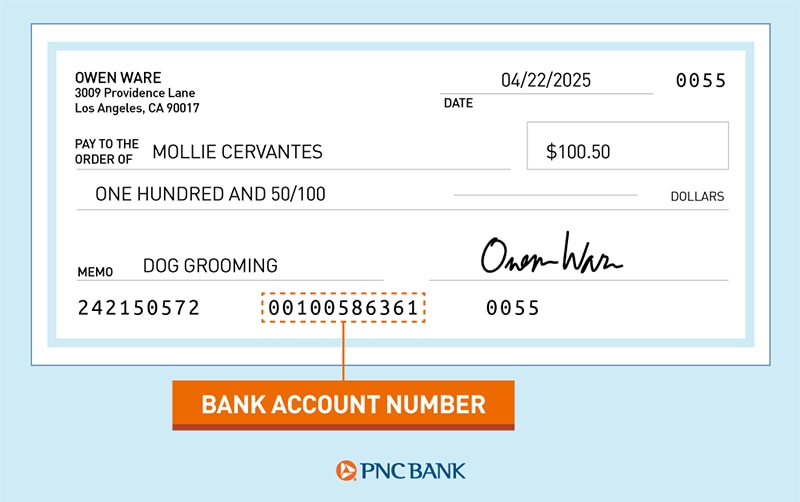
Decoding the Anatomy of Bank Account Numbers
To the untrained eye, a bank account number is just a random sequence of digits. However, in the world of personal finance, these numbers follow a strict logic designed to facilitate the seamless movement of money across institutions.
Checking vs. Savings: Why the Difference Matters
Most consumers hold at least two primary types of accounts: checking and savings. Each is assigned a unique account number, even if they are housed under the same banking institution and appear on the same monthly statement.
A checking account number identifies a transactional account designed for high-frequency movement—debit card purchases, ATM withdrawals, and bill payments. Conversely, a savings account number identifies a repository for capital meant to accrue interest over time. Misidentifying these during a transfer can lead to “Return to Sender” errors or, worse, unintended overdraft fees if a payment is pulled from a low-balance savings account instead of a well-funded checking account.
The Routing Number vs. Account Number: Understanding the Duo
In the United States, the account number never travels alone. It is almost always paired with an ABA Routing Transit Number (RTN). Think of the routing number as the “zip code” that identifies the specific financial institution, while the account number is the “street address” that identifies your specific mailbox within that institution.
The routing number is a nine-digit code used by the Federal Reserve to direct funds to the correct bank. Without the routing number, your account number is essentially a key without a lock. For a transaction to be successful, both pieces of information must be perfectly accurate.
IBAN and SWIFT: Identifying Accounts in a Global Context
As personal finance becomes increasingly globalized, you may encounter the International Bank Account Number (IBAN) and the SWIFT/BIC code. Used primarily in Europe, the Middle East, and parts of the Caribbean, the IBAN integrates the country code, bank code, and account number into one long string. If you are receiving a side-hustle payment from an international client or investing in overseas markets, knowing your IBAN—or how to derive it from your domestic account number—is essential for avoiding astronomical wire transfer errors.
Where to Locate Your Account Number Safely
In an era of digital-first banking, the traditional method of looking at a physical check is becoming less common. However, there are several secure ways to retrieve your account information depending on your immediate needs.
Digital Banking Portals and Mobile Apps
The most common way to find your account number today is through a secure banking app. Most institutions “mask” the account number for security, showing only the last four digits (e.g., ****6789). To see the full number, you usually need to navigate to “Account Details” or “Settings” and undergo a secondary authentication step, such as a biometric thumbprint or a FaceID scan. This layer of security ensures that even if your phone is unlocked, your most sensitive financial identifiers remain protected.
Physical Documents: Paper Statements and Checks
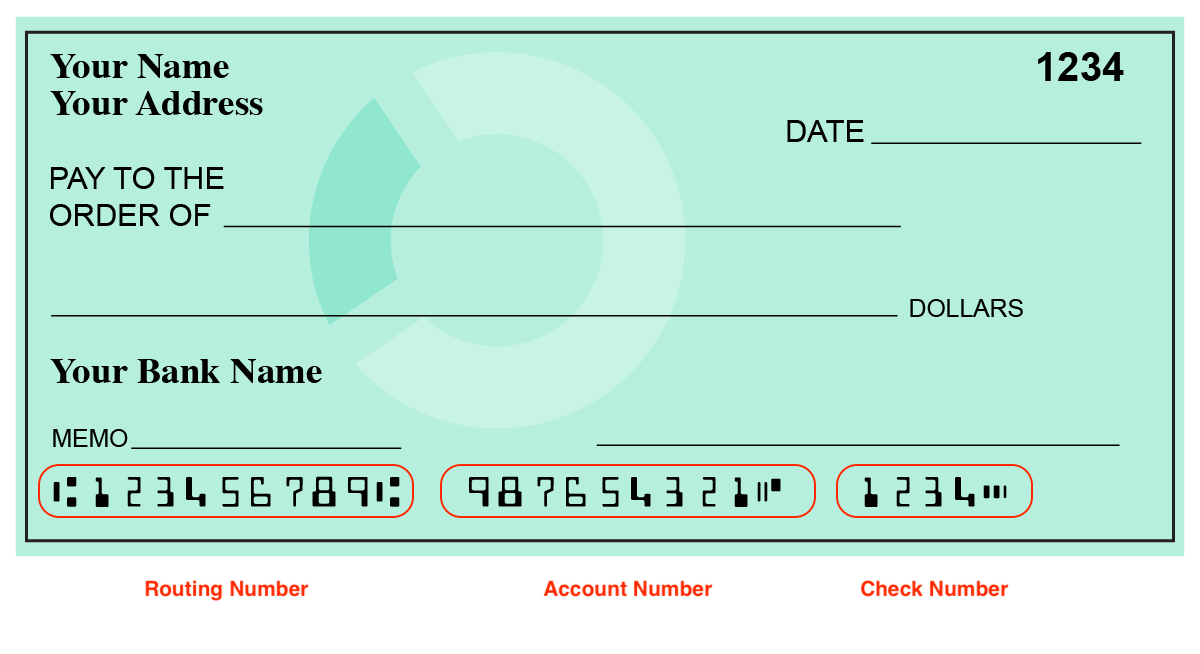
If you still use a physical checkbook, your account number is printed at the bottom in a specialized font known as MICR (Magnetic Ink Character Recognition). In the string of numbers at the bottom, the routing number is usually on the left, the account number is in the middle, and the check number is on the right.
Monthly bank statements, whether delivered via mail or downloaded as a PDF, also contain your account number. It is typically found at the top of the first page. For those practicing high-level financial organization, keeping a digital archive of these statements is a reliable way to have your numbers on hand without needing to log into a portal every time.

Verifying Account Information Through Customer Service
If digital and physical options are unavailable, you can verify your account number by calling your bank’s customer service line or visiting a branch in person. However, be prepared for a rigorous identity verification process. Banks will ask for your Social Security number, recent transaction history, and perhaps a “secret question” answer. This friction is a necessary component of financial security, ensuring that sensitive data is only released to the verified account holder.
The Role of Account Numbers in Financial Management and Transfers
Your account number is more than just an ID; it is the engine of your financial automation. Efficiently managing your money requires understanding how this number interacts with various payment systems.
Setting Up Direct Deposits and Automated Clearing House (ACH) Transfers
The most common use for an account number is setting up a direct deposit. By providing your employer with your account and routing numbers, you bypass the need for physical checks, allowing funds to be available the moment they are issued. This is facilitated through the ACH network, a system that batches transactions together for efficient processing. Beyond payroll, ACH transfers are used for “pull” payments, such as your mortgage or car insurance, ensuring you never miss a due date and protect your credit score.
Wiring Funds: The Precision Required for Large Transactions
Unlike ACH transfers, which can sometimes be reversed in cases of error, wire transfers are often instantaneous and irreversible. This is common in real estate transactions or large-scale business investments. In these scenarios, the accuracy of the account number is paramount. A single transposed digit can send hundreds of thousands of dollars into a “suspense account” or, in rare cases, to the wrong recipient entirely, leading to a long and stressful recovery process.
Managing Multiple Accounts: Organizational Strategies for Success
As your financial complexity grows, you may find yourself managing a checking account, a high-yield savings account, an Emergency Fund, and perhaps a business account. Savvy financial managers often “nickname” these accounts within their banking portals. While the account numbers remain the same, labeling them “Tax Reserve” or “Vacation Fund” helps prevent the accidental use of the wrong account number when setting up external transfers or payments.
Security Protocols: Protecting Your Account Number from Fraud
Because the account number acts as a “key” to your wealth, it is a prime target for bad actors. Protecting this number is a critical aspect of modern personal finance.
Common Threats: Phishing, Skimming, and Social Engineering
Fraudsters use various tactics to acquire account numbers. “Phishing” involves sending emails that mimic legitimate banks, asking you to “verify” your account info on a fake website. “Social engineering” occurs when a scammer calls you, pretending to be a bank fraud investigator, and asks you to read back your account number to “confirm your identity.” It is vital to remember: a legitimate bank will never call you and ask for your full account number, as they already have it on file.
Best Practices for Digital Privacy
To keep your financial data secure, avoid accessing your banking portal over public Wi-Fi networks (like those in coffee shops). Public networks are often unencrypted, allowing hackers to “sniff” data packets and potentially capture your login credentials or account details. Additionally, ensure that your banking app is always updated to the latest version, as these updates often include critical security patches for newly discovered vulnerabilities.
What to Do If Your Account Number Is Compromised
If you believe your account number has been stolen or if you notice unauthorized transactions, time is of the essence. You should immediately contact your bank to “freeze” or close the account. The bank will then issue you a new account number. While it is a hassle to update all your direct deposits and automated bill pays, it is the only way to ensure that the compromised “key” no longer works.
The Future of Identification: Beyond the Traditional Account Number
As we look toward the future of money, the traditional account number may eventually become a “back-end” identifier that the consumer rarely sees.
Biometrics and Tokenization
Financial technology (FinTech) is moving toward tokenization. Similar to how Apple Pay works, where a “token” is shared with a merchant instead of your actual credit card number, future banking systems may use one-time-use tokens for ACH transfers. This would mean you never have to share your actual, permanent account number with a third-party utility company or employer, drastically reducing the risk of data breaches.
Centralized Digital Identities in Modern Finance
We are also seeing the rise of “alias-based” payments. Systems like Zelle, Venmo, and various Global Real-Time Payment (RTP) networks allow you to send and receive money using only a phone number or email address. These aliases act as a user-friendly layer on top of the account number, allowing the banking system to handle the complex numerical routing in the background while the user enjoys a simplified experience.
In conclusion, while the question “What is my account number?” may seem like a basic administrative query, it sits at the heart of your financial operations. By understanding the structure of these numbers, knowing how to access them securely, and implementing rigorous protection strategies, you empower yourself to navigate the financial world with confidence and precision. Your account number is the gateway to your financial future—manage it with the respect and diligence it deserves.
aViewFromTheCave is a participant in the Amazon Services LLC Associates Program, an affiliate advertising program designed to provide a means for sites to earn advertising fees by advertising and linking to Amazon.com. Amazon, the Amazon logo, AmazonSupply, and the AmazonSupply logo are trademarks of Amazon.com, Inc. or its affiliates. As an Amazon Associate we earn affiliate commissions from qualifying purchases.