
In the modern financial landscape, precision is the cornerstone of every transaction. Whether you are setting up your first paycheck’s direct deposit, sending a wire transfer to a vendor, or automating your monthly mortgage payment, the movement of capital relies on a specific set of digital coordinates. For millions of customers at JPMorgan Chase, one of the largest financial institutions in the world, the “routing number” is the most critical of these coordinates.
While it may seem like a mere string of nine digits, the Chase routing number serves as the foundational address for your liquid assets. Understanding what it is, how it functions, and how to utilize it effectively is a vital component of sophisticated personal finance management.

The Anatomy and Purpose of the Chase Routing Number
To manage your money effectively, you must first understand the infrastructure that moves it. A routing number—formally known as an American Bankers Association (ABA) Routing Transit Number (RTN)—is a nine-digit code used to identify a specific financial institution within the United States.
The History of the ABA System
The routing number system was developed by the American Bankers Association in 1910. Its primary purpose was to simplify the processing of paper checks. By assigning a unique identifier to every bank, the system ensured that a check written in California and deposited in New York could find its way back to the correct originating vault. In the digital age, this system has transitioned from physical sorting machines to high-speed electronic clearinghouses, but the fundamental logic remains the same: it is the “zip code” for your bank.
Breaking Down the Nine Digits
A Chase routing number is not a random sequence. It is structured to provide specific information to the Federal Reserve and other banking entities:
- The first four digits: These represent the Federal Reserve routing symbol, indicating the geographic district where the bank is located.
- The next four digits: These identify the specific financial institution (in this case, Chase).
- The final digit: This is a “check digit,” calculated using a complex mathematical formula involving the first eight digits. If the check digit does not match the result of the formula, the transaction is immediately flagged as an error, preventing costly typos.
How to Locate Your Specific Chase Routing Number
One common misconception among banking novices is that Chase has a single routing number for its entire global operation. In reality, Chase utilizes dozens of different routing numbers based on the state where the account was opened and the type of transaction being performed.
Finding the Number on a Physical Check
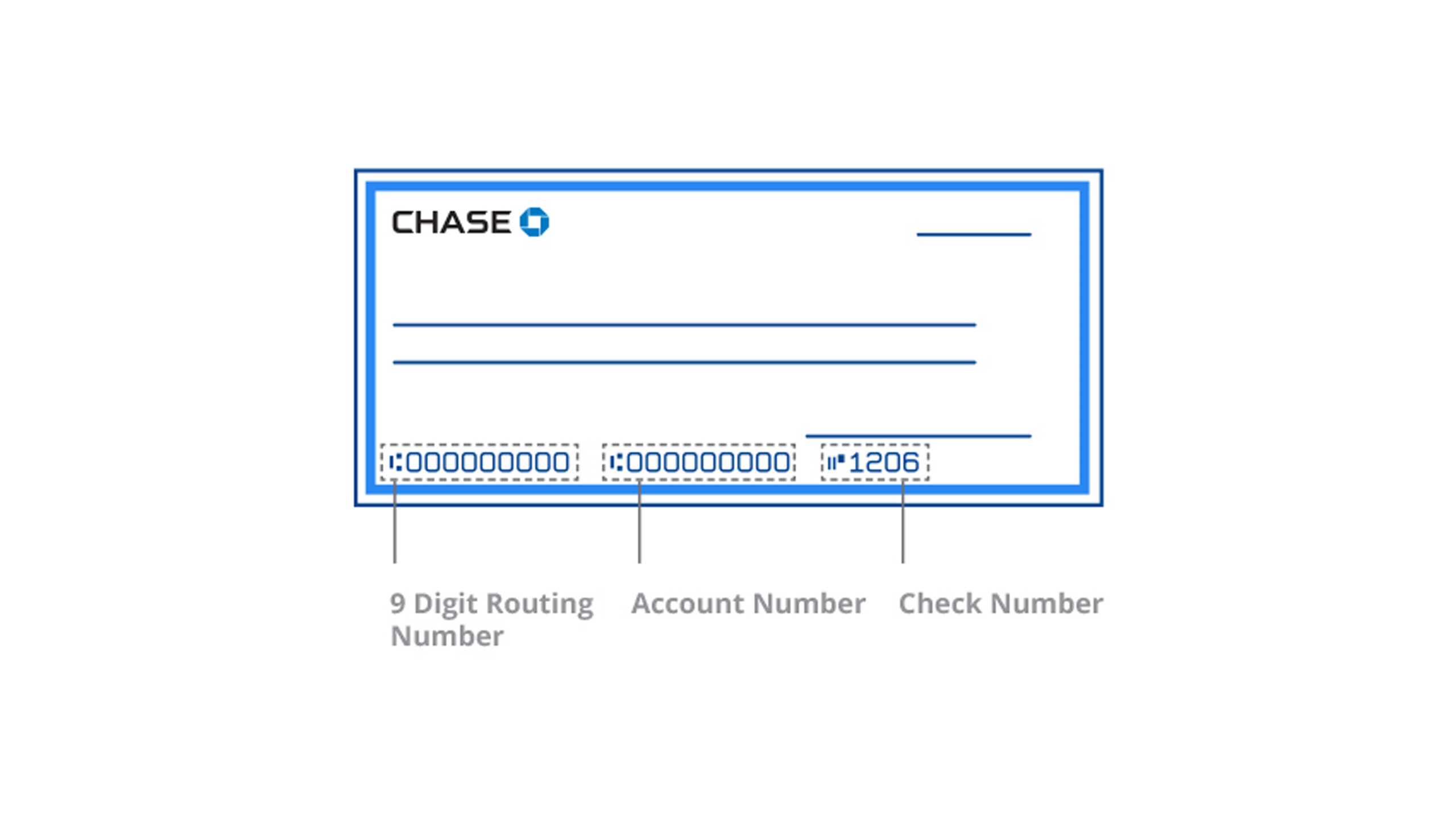
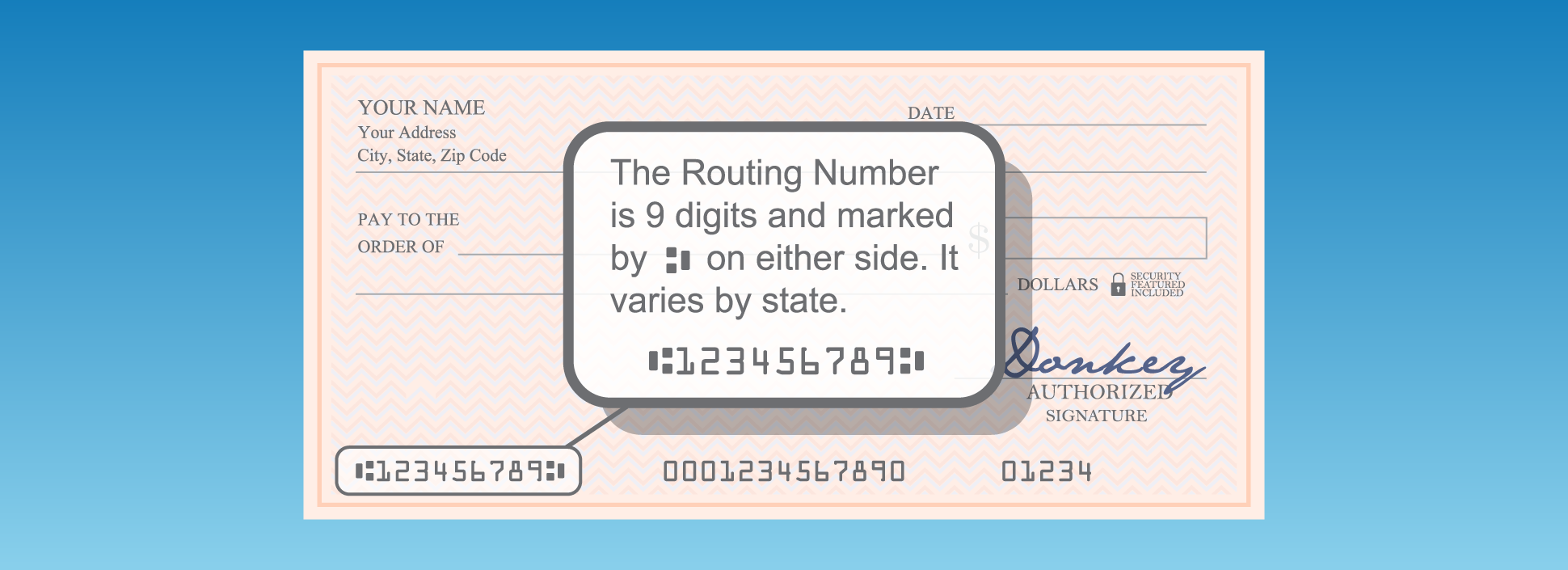
If you still use paper checks, the most reliable way to find your routing number is to look at the bottom-left corner of a check. You will see three sets of numbers:
- The Routing Number: The first nine digits on the left.
- The Account Number: The middle set of digits (this is unique to you).
- The Check Number: The final set of digits on the right.
Utilizing Digital Banking Portals
In the era of “Money Tech,” most users find their routing numbers via the Chase Mobile® app or Chase Online℠. After logging in, you can select your specific checking or savings account and navigate to the “Account Details” or “Paperless Statements” section. Chase conveniently lists the routing number alongside your account number, ensuring you have the correct data for electronic transfers.
Understanding Regional Variations
Because JPMorgan Chase grew through decades of mergers and acquisitions (incorporating banks like Washington Mutual and Bank One), its routing numbers are segmented by region. A customer who opened an account in Chicago will have a different routing number than one who opened an account in New York City. Always ensure you are using the number associated with the state where you opened the account, even if you have since moved.
The Financial Mechanics: ACH vs. Wire Transfers
When dealing with Chase, or any major financial entity, you must distinguish between the two primary ways money moves: the Automated Clearing House (ACH) and Wire Transfers. Using the wrong routing number for these specific paths can lead to transaction reversals or significant delays.
ACH Transactions: The Backbone of Personal Finance
ACH transfers are used for “low-stakes,” high-volume transactions. This includes your employer’s direct deposit, your automatic utility bill payments, and transfers to apps like Venmo or PayPal. Chase typically uses its standard regional routing numbers for these transactions. ACH transfers are generally free or very low-cost, though they may take 1–3 business days to settle.
Wire Transfers: The High-Speed Alternative
Wire transfers are designed for the immediate movement of large sums of money, such as a down payment for a home or a high-value business investment. Unlike ACH, wire transfers often require a specific “Wire Routing Number” that may differ from the one on your checks. Chase uses a centralized wire routing number for domestic transfers to ensure that these high-priority funds are processed through the Federal Reserve’s “Fedwire” system instantly.
International Transfers and SWIFT Codes
If you are moving money across international borders, a nine-digit routing number is insufficient. In the global money market, Chase uses a SWIFT code (Society for Worldwide Interbank Financial Telecommunication). While the routing number handles domestic traffic, the SWIFT code acts as the international identifier for Chase’s global headquarters.
Strategic Financial Management: Why Accuracy Matters
In the world of personal finance and wealth building, the routing number is the gateway to automation. Successful financial planning often relies on “setting and forgetting” your contributions to savings and investment accounts.
Streamlining Direct Deposits
The most common use for your Chase routing number is the setup of a direct deposit. By providing your employer with an accurate routing and account number, you bypass the friction of physical checks. This allows for “split deposits,” a powerful wealth-building strategy where a portion of your paycheck is automatically routed to a savings or brokerage account before you ever have the chance to spend it.
Avoiding Costly Errors and Fees
Entering an incorrect routing number can have cascading negative effects on your financial health. If a mortgage payment is sent to an incorrect routing number, the transaction will fail. This can result in:
- Late Fees: Charges from the service provider for missed payments.
- NSF Fees: Non-Sufficient Funds or “returned item” fees from Chase.
- Credit Score Impact: If a payment is delayed by more than 30 days due to a technical error, it can damage your credit profile, making future borrowing more expensive.
Scaling Business Operations
For entrepreneurs and small business owners using Chase Business Banking, the routing number is essential for B2B transactions. Accurate routing information allows for the seamless payment of vendors and the receipt of client payments via electronic funds transfer (EFT). Efficiently managing these “pipes” of cash flow is what separates a struggling startup from a scalable enterprise.
Security and Protection in the Digital Banking Era
Because a routing number is public information (it is printed on every check you write), it is not a “secret” in the same way a password or PIN is. However, when combined with your private account number, it provides the keys to your financial kingdom.
Protecting Your Account Information
While you must share your Chase routing number to conduct business, you should be discerning about where you enter it. Only provide your bank details to verified, encrypted platforms. Be wary of “phishing” emails that ask for your routing and account numbers under the guise of “verifying” your identity.
The Role of Modern Encryption
Chase employs multi-layer security to protect transactions. Even if a bad actor has your routing number, Chase’s internal systems monitor for unusual patterns, such as a sudden large transfer to an unknown account. Additionally, the move toward “tokenization” in some financial apps means that your actual routing and account numbers are often masked by a one-time digital token, adding an extra layer of insulation for your capital.
Monitoring Your Ledgers
The best defense in personal finance is a good offense. Regularly reviewing your Chase statements ensures that any unauthorized ACH pull—often initiated using just a routing and account number—is caught and disputed within the legal timeframe (usually 60 days for consumers).
Conclusion: Mastering the Fundamentals of Capital Movement
The Chase routing number is more than just a sequence of digits; it is a vital tool in the kit of any financially literate individual. It facilitates the velocity of your money, allowing for the rapid deployment of capital into savings, investments, and necessary expenses.
By understanding the regional nature of these numbers, the distinction between ACH and wire transfers, and the importance of accuracy in automation, you position yourself to navigate the complexities of the banking system with confidence. In the quest for financial independence, mastering these fundamentals ensures that your money always arrives exactly where it needs to be, exactly when it needs to be there.
aViewFromTheCave is a participant in the Amazon Services LLC Associates Program, an affiliate advertising program designed to provide a means for sites to earn advertising fees by advertising and linking to Amazon.com. Amazon, the Amazon logo, AmazonSupply, and the AmazonSupply logo are trademarks of Amazon.com, Inc. or its affiliates. As an Amazon Associate we earn affiliate commissions from qualifying purchases.