
In the modern financial landscape, choosing the right banking partner is a foundational step toward long-term fiscal health. JPMorgan Chase & Co., standing as the largest bank in the United States, offers a robust suite of products that cater to everyone from students and young professionals to high-net-worth investors. However, before you can leverage their sophisticated digital tools or expansive branch network, you must navigate the onboarding process.
Opening a checking account is more than a simple transaction; it is a formal entry into a regulated financial ecosystem. To ensure your application is seamless, you must be prepared with specific documentation and an understanding of which product aligns with your financial goals. This guide provides a deep dive into the requirements, the selection process, and the strategic advantages of banking with Chase.

1. Core Requirements and Documentation
When you approach a financial institution like Chase, you are entering a space governed by strict federal regulations, including the USA PATRIOT Act. These laws require banks to verify the identity of every customer to prevent money laundering and identity theft. Therefore, gathering your documentation is the most critical step in the process.
Personal Identification Documents
To open an account, Chase requires at least two forms of identification, one of which must be a primary government-issued photo ID.
- Primary ID: A valid U.S. Driver’s License, State-issued ID card, or a U.S. Passport.
- Secondary ID: This can often be a Social Security card, a birth certificate, or even a credit card from another reputable issuer.
For non-U.S. citizens residing in the States, Chase typically accepts a Permanent Resident Card (Green Card) or a valid foreign passport with appropriate visa documentation.
Proof of Address and Residency
Chase needs to verify that you have a physical residence within their service area. While your driver’s license often serves this purpose, if your current address does not match your ID, you will need supplemental proof. Acceptable documents generally include a recent utility bill (gas, electric, or water), a signed lease agreement, or a mortgage statement. It is important to note that a P.O. Box is generally not sufficient as a primary residence address due to federal “Know Your Customer” (KYC) requirements.
Social Security Number and Tax Information
Your Social Security Number (SSN) or Individual Taxpayer Identification Number (ITIN) is non-negotiable. This is used not only for identity verification but also for reporting interest earned to the IRS. Furthermore, Chase will likely run a soft credit inquiry or a “ChexSystems” report. Unlike a hard credit pull, this does not affect your credit score, but it allows the bank to see your history with other financial institutions, ensuring you don’t have a history of unpaid overdrafts or fraudulent activity elsewhere.
2. Selecting the Right Checking Product for Your Needs
Chase does not offer a one-size-fits-all solution. Instead, they have curated various tiers of checking accounts designed for different stages of a consumer’s financial journey. Selecting the wrong one could result in unnecessary monthly service fees.
Chase Total Checking®
This is the flagship product and the most popular choice for general consumers. It offers access to over 15,000 ATMs and nearly 4,700 branches.
- The Advantage: It provides all the essential features of modern banking, including the highly-rated Chase Mobile® app.
- Fee Mitigation: While there is a monthly service fee, it is easily waived if you have monthly direct deposits totaling $500 or more, or if you maintain a minimum daily balance of $1,500.
Chase Secure Banking℠
For those who are focused on rebuilding their financial standing or who prefer a simpler, “no-check” experience, Secure Banking is a strategic choice.
- The Advantage: There are no overdraft fees. This is a “checkless” account, meaning you can only spend what is available in your balance, making it an excellent tool for strict budgeting.
- The Requirement: There is a low monthly fee that cannot be waived through direct deposit, but the lack of overdraft risks often offsets this cost for many users.
Chase Premier Plus Checking℠ and Sapphire Banking℠
These accounts are designed for individuals who maintain higher balances across their Chase deposit and investment accounts.
- The Advantage: These tiers offer “relationship banking” perks, such as waived fees for out-of-network ATMs, free personal checks, and even waived fees on four additional linked checking accounts.
- The Requirement: To waive the higher monthly fees, you typically need an average beginning day balance of $15,000 (for Premier Plus) or $75,000 (for Sapphire) across linked deposits and investments.
3. The Application Process: Online vs. In-Branch
In the digital age, Chase has streamlined the application process to take less than ten minutes online. However, there are still distinct advantages to visiting a physical branch, depending on your specific circumstances.
Streamlining the Online Application
Applying online via the Chase website or mobile app is the most efficient route for most U.S. citizens with a standard credit and banking history. You will be asked to input your personal details, scan your ID using your phone’s camera, and link an external account to fund your initial deposit.
- Strategic Tip: Before you apply, look for a “Chase Checking Coupon.” Chase frequently offers sign-up bonuses (ranging from $200 to $300 or more) for new customers who open an account and set up a qualifying direct deposit within a certain timeframe.
The Benefits of an In-Person Visit
While online banking is convenient, certain situations necessitate a face-to-face meeting with a personal banker. If you are a non-U.S. citizen, if you are opening a joint account with someone who isn’t present, or if you are seeking to open a specialized business checking account, a branch visit is often required. Furthermore, a personal banker can provide insights into “relationship rates” on savings accounts or CDs that might not be immediately obvious online.
Opening an Account for Minors or Students
Chase offers specific products like “Chase First Checking℠” (for ages 6-12) and “Chase High School Checking℠” (for ages 13-17). These must be opened in person by a parent or guardian who already holds a Chase checking account. For college students (ages 17-24), “Chase College Checking℠” offers a $0 monthly service fee for up to five years while in school, making it a powerful tool for young adults learning to manage their first independent income.
4. Post-Opening Steps and Maximizing Your Account
Once your account is open and your debit card is in the mail, your work isn’t quite finished. To truly benefit from the Chase ecosystem, you need to integrate the account into your daily financial life.
Meeting Minimum Balance Requirements and Avoiding Fees
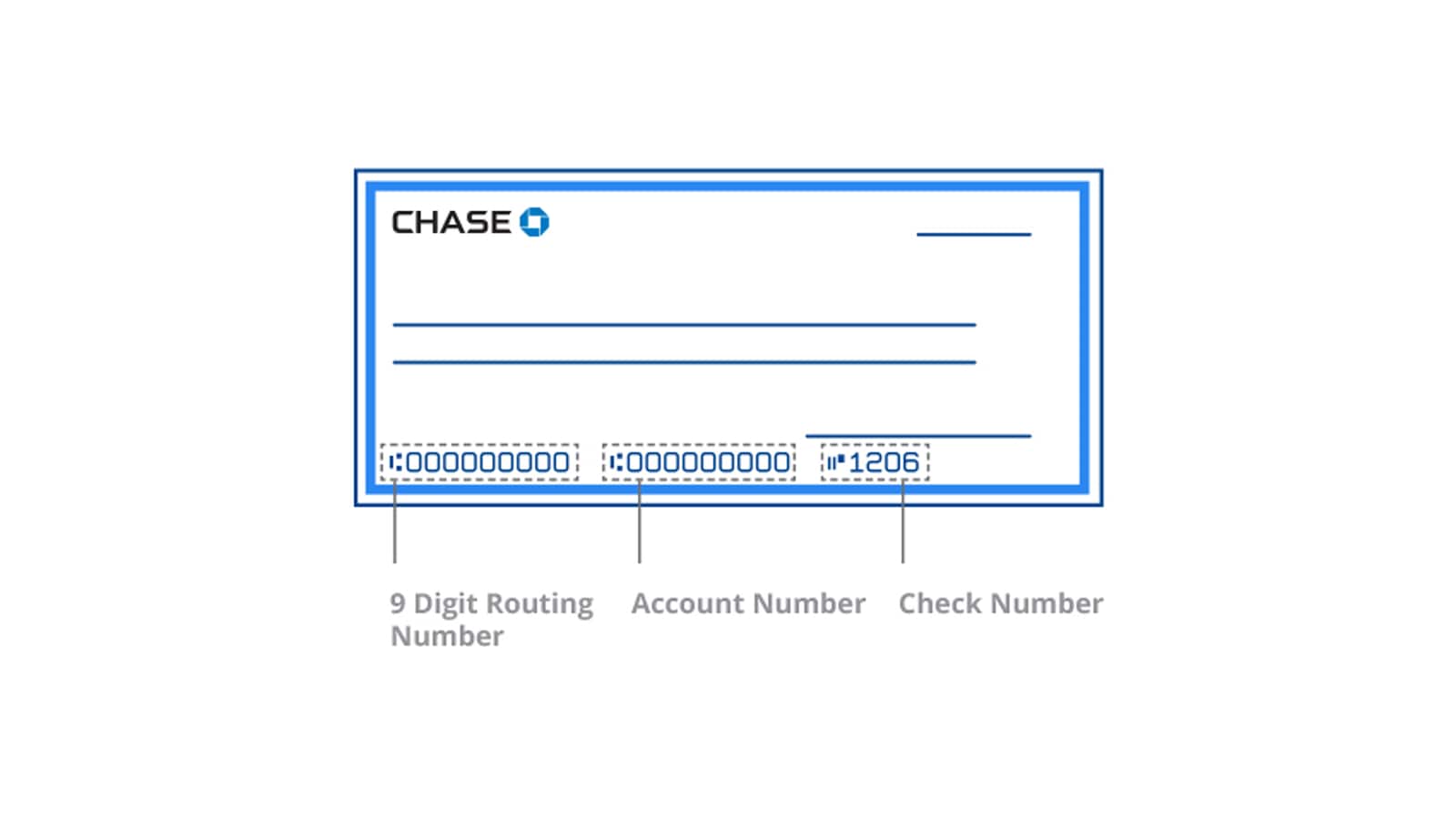
The primary mistake new account holders make is failing to meet the requirements to waive the monthly fee. Immediately after opening, ensure your HR department updates your payroll to reflect your new Chase routing and account numbers. Consistent direct deposits are the easiest way to keep the account free. If you are using a balance-based waiver, ensure you move the necessary funds into the account immediately to avoid a fee in the very first month.
Setting Up Digital Tools and Security
The Chase Mobile® app is widely considered one of the best in the industry. Once your account is active, you should:
- Enable Push Notifications: Track every transaction in real-time to spot unauthorized activity.
- Set Up Zelle®: Chase integrates natively with Zelle, allowing for instant, fee-free money transfers to friends and family.
- Paperless Statements: Opting out of paper statements is not just environmentally friendly; it often simplifies the record-keeping required for certain account fee waivers.
Integrating with the Chase Ecosystem
A Chase checking account is the “hub” of a broader financial wheel. If you have a Chase credit card (like the Freedom Unlimited or Sapphire Preferred), having a Chase checking account allows for instantaneous payment of your credit card bills. Furthermore, it simplifies the process of opening a Chase Self-Directed Investing account, allowing you to move money between your “spending” bucket and your “investing” bucket with zero lag time.

Conclusion
Opening a Chase checking account is a straightforward process, provided you are prepared with the correct identification and a clear understanding of your financial habits. By choosing the account tier that matches your monthly cash flow and utilizing the bank’s digital tools, you position yourself to take full advantage of one of the world’s most sophisticated financial platforms.
Whether you are looking for the accessibility of the Total Checking account or the premium perks of Sapphire Banking, the key to success lies in the details: have your documents ready, understand the fee structures, and leverage the introductory bonuses. In doing so, you don’t just open a bank account; you secure a versatile tool for your personal financial future.
aViewFromTheCave is a participant in the Amazon Services LLC Associates Program, an affiliate advertising program designed to provide a means for sites to earn advertising fees by advertising and linking to Amazon.com. Amazon, the Amazon logo, AmazonSupply, and the AmazonSupply logo are trademarks of Amazon.com, Inc. or its affiliates. As an Amazon Associate we earn affiliate commissions from qualifying purchases.