
In the complex ecosystem of modern personal and business finance, few strings of data are as critical yet as frequently misunderstood as the nine-digit routing transit number (RTN). Often referred to simply as a “routing number,” this sequence serves as the primary navigational tool for the movement of trillions of dollars daily. Whether you are setting up a direct deposit for a new job, authorizing an electronic bill payment, or sending a domestic wire transfer, the routing number is the digital address that tells the financial system exactly where your money needs to go.
Identifying which bank is associated with a specific routing number is more than just a matter of curiosity; it is a fundamental aspect of financial literacy and security. Understanding this system allows consumers and business owners to verify transactions, manage multiple accounts across different institutions, and ensure that their capital remains in motion without friction.
Decoding the Anatomy of a Routing Transit Number (RTN)
To understand how to identify a bank via its routing number, one must first understand what these nine digits represent. Established by the American Bankers Association (ABA) in 1910, the routing transit number system was originally designed to facilitate the sorting and shipping of paper checks. Today, it serves as the backbone of the Automated Clearing House (ACH) and Fedwire systems.
The History and Purpose of the ABA System
Before the standardization of routing numbers, the clearing of checks was a chaotic and localized process. The ABA introduced the numerical system to provide a unique identifier for every financial institution in the United States that is eligible to maintain an account at a Federal Reserve Bank. This standardization allowed for the rapid expansion of the American economy by ensuring that a check written in New York could be efficiently processed by a bank in California.
What the Nine Digits Actually Mean
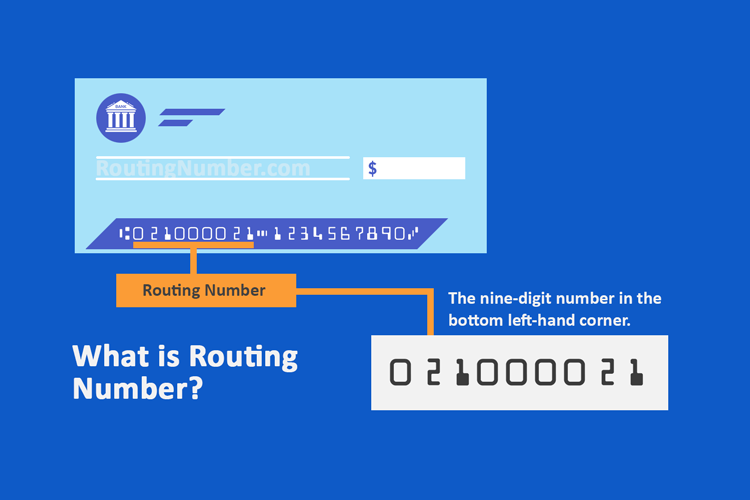
A routing number is not a random sequence. It is a structured code:
- The First Four Digits: These are the Federal Reserve Routing Symbol. The first two digits indicate which of the 12 Federal Reserve districts the bank is located in, while the next two indicate the specific Federal Reserve check processing center.
- The Next Four Digits: These are the ABA institution identifier. They are unique to the specific bank or credit union.
- The Ninth Digit: This is known as the “Check Digit.” It is calculated using a complex mathematical formula involving the first eight digits. If the final calculation does not match the ninth digit, the financial system flags the number as invalid, preventing processing errors.
Check Digits and Security Verification
The inclusion of a check digit is a critical financial tool for preventing manual entry errors. In the era of digital banking, when a user types a routing number into a portal, the software instantly runs the “Modulus 10” algorithm. If a single digit is transposed, the system rejects the number immediately. This layer of security saves billions of dollars in “lost” or misdirected funds that would otherwise require manual intervention to recover.
How to Identify a Bank Using a Routing Number
If you have a routing number but are unsure which institution it belongs to, there are several professional avenues to verify the association. This is common when reviewing old bank statements, verifying a vendor’s payment information, or auditing personal financial records.
Using the ABA Online Lookup Tool
The most authoritative source for identifying a bank is the American Bankers Association itself. They maintain a web-based lookup tool that allows users to search by bank name or by routing number. As the registrar of these numbers, the ABA database is the gold standard for accuracy. This tool is particularly useful for verifying that a small, local credit union or a newly merged entity is the legitimate owner of a specific RTN.
Decoding the MICR Line on Physical Checks
For those with a physical check in hand, the routing number is found at the bottom left. This area is printed in Magnetic Ink Character Recognition (MICR) font. The routing number is always the first set of nine digits, enclosed by a specific symbol. Following it is the account number and the check number. Understanding this layout is essential for business owners who must manually enter data into accounting software like QuickBooks or Xero.
Mobile Banking and Digital Dashboards
In the modern “Money” niche, most identification happens within digital apps. If you are trying to find the routing number for your own bank, it is typically located under “Account Details” or “Direct Deposit Information.” It is important to note that larger national banks often have different routing numbers for different states or for different types of transactions (ACH vs. Wire). Always verify which specific number is required for the transaction type you are initiating.
Why Routing Numbers Matter for Your Personal Finances

The routing number is the primary gatekeeper for your cash flow. In personal finance management, knowing how to use and protect this number is as important as knowing your credit score.
Direct Deposits and Payroll Management
For the average employee, the routing number is the key to receiving a paycheck. When you provide a “voided check” to an employer, you are providing the coordinates for an ACH credit. A mistake in this number can lead to a “Return to ODFI” (Originating Depository Financial Institution), which can delay your pay by several business days—a significant hurdle for those managing tight monthly budgets.
Automated Clearing House (ACH) vs. Wire Transfers
One of the most common points of confusion in business finance is the difference between an ACH routing number and a Wire routing number.
- ACH Transfers: Usually used for payroll, bill pay, and person-to-person transfers (like Venmo). These are processed in batches and can take 1-3 business days.
- Wire Transfers: Used for high-value, real-time settlements, such as a down payment on a house.
Many large institutions, such as Chase or Bank of America, use different routing numbers for these two functions. Sending a wire transfer using an ACH routing number can result in the transfer being rejected or, worse, held in a suspense account.
Avoiding Costly Errors in Transaction Processing
Precision is the hallmark of sound financial management. When a transaction fails due to an incorrect routing number, many banks charge “Returned Item” fees. Furthermore, if you are paying a high-stakes bill—such as a mortgage or a credit card balance—a rejected payment due to a routing error could result in late fees and a negative hit to your credit report. Identifying the correct bank and its specific RTN is a proactive step in wealth preservation.
Security and Fraud Prevention in the Digital Age
While a routing number is public information in the sense that it identifies a public institution, it is a sensitive piece of the “account-routing” pair. When combined with an account number, a bad actor has everything they need to initiate an unauthorized ACH withdrawal.
Is a Routing Number Sensitive Information?
By itself, a routing number is not a secret. You can find the routing numbers for major banks like Wells Fargo or Citibank with a simple Google search. However, in the context of your personal finance, it should be guarded. Professional financial advisors recommend never sharing your routing and account numbers over unsecured email or text messages.
How Criminals Use Routing and Account Numbers
“ACH Fraud” is a growing concern in the financial sector. If a fraudster obtains your routing and account numbers, they can create “demand drafts” or initiate electronic payments for services. Unlike credit card transactions, which have robust consumer protections under the Fair Credit Billing Act, ACH transactions from a checking account are governed by different regulations (Regulation E), which can sometimes make the recovery of funds more cumbersome if the fraud is not reported immediately.
Protecting Your Banking Credentials
To maintain high financial security:
- Use Micro-Deposits: When linking accounts, use services that verify through micro-deposits (two small amounts sent to your account) rather than just entering the numbers.
- Monitor Your Ledger: Check your bank statements weekly for any unauthorized ACH “pulls.”
- Use Portals: Always enter banking information through secure, encrypted payment portals rather than providing them verbally over the phone.
Common Scenarios Involving Routing Number Changes
The banking landscape is not static. Mergers, acquisitions, and regional expansions frequently cause routing numbers to change, which can create significant confusion for consumers.
Mergers and Acquisitions: When Your Number Changes
In the last decade, we have seen massive consolidation in the banking industry (e.g., the merger of BB&T and SunTrust to become Truist). When one bank acquires another, they eventually consolidate their routing numbers to a single ABA identifier. During this transition, the “old” routing number is usually kept active for a period (often 12–24 months) to allow customers to update their direct deposits and automatic payments. However, failing to update these details before the “sunset date” can lead to failed transactions.
Regional vs. National Routing Numbers
Some banks operate with a single national routing number, while others maintain dozens of regional ones. For example, a customer who opened an account in Florida might have a different routing number than one who opened an account in New York, even if they both use the same national bank. If you move across the country, you do not necessarily need to change your routing number, but you must be aware of which one is tied to your specific branch of origin.

Closing the Loop: Updating Your Financial Ecosystem
Financial health requires an organized “ecosystem.” This means keeping a list of every service that uses your routing number. If your bank notifies you of a routing number change—or if you switch banks entirely—you must systematically update your payroll, utility companies, subscription services, and investment platforms. Viewing the routing number as the “linking tissue” of your financial life ensures that your wealth continues to move efficiently and securely.
In conclusion, the question “what bank is this routing number” is the starting point for a deeper understanding of how money moves in the 21st century. By mastering the use of these nine digits, verifying them through proper channels, and understanding their role in the broader financial infrastructure, you position yourself as a more informed and secure participant in the global economy.
aViewFromTheCave is a participant in the Amazon Services LLC Associates Program, an affiliate advertising program designed to provide a means for sites to earn advertising fees by advertising and linking to Amazon.com. Amazon, the Amazon logo, AmazonSupply, and the AmazonSupply logo are trademarks of Amazon.com, Inc. or its affiliates. As an Amazon Associate we earn affiliate commissions from qualifying purchases.