
In the modern financial landscape, the ability to access and manage your banking information instantaneously is no longer a luxury—it is a necessity. Whether you are setting up a direct deposit for a new side hustle, linking your accounts to a high-yield investment platform, or simply organizing your monthly budget, your bank account number is the fundamental key to these transactions. As we move further away from the era of physical passbooks and paper checks, understanding how to retrieve this information securely through digital channels is a vital component of financial literacy.
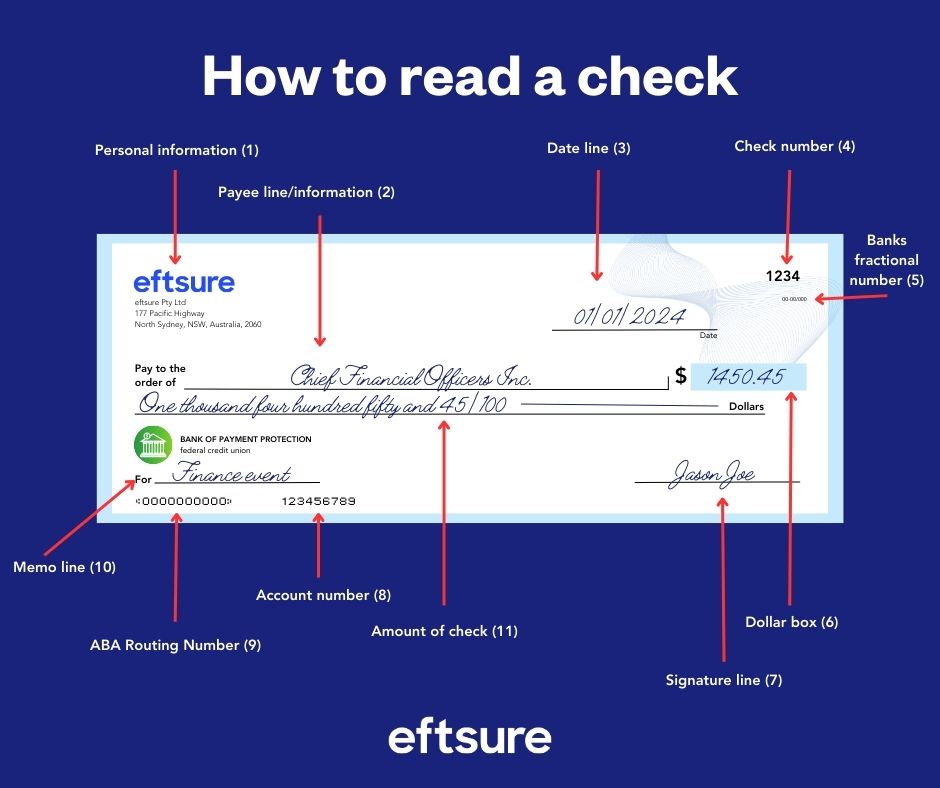
This guide explores the various methodologies for identifying your bank account number online, the distinction between various banking identifiers, and how to leverage digital financial tools to maintain a seamless and secure personal finance ecosystem.
Understanding the Role of Account Identifiers in Personal Finance
Before diving into the “how-to” of digital retrieval, it is essential to understand why this specific string of numbers is so critical to your financial health. Your bank account number is your unique identifier within a specific financial institution. Unlike a debit card number, which can change if a card is lost or expired, your account number remains constant, acting as the primary anchor for your funds.
Why Your Account Number is the Key to Financial Mobility
In the realm of personal finance, mobility refers to how easily you can move money between different “buckets”—savings, investments, and spending. To facilitate an Electronic Funds Transfer (EFT) or an Automated Clearing House (ACH) payment, the account number is the destination address. Without it, you cannot automate your savings or receive payments from online income streams. Knowing how to access this number online allows you to bypass the friction of visiting a physical branch, enabling a more agile approach to money management.
Account Number vs. Routing Number: Knowing the Difference
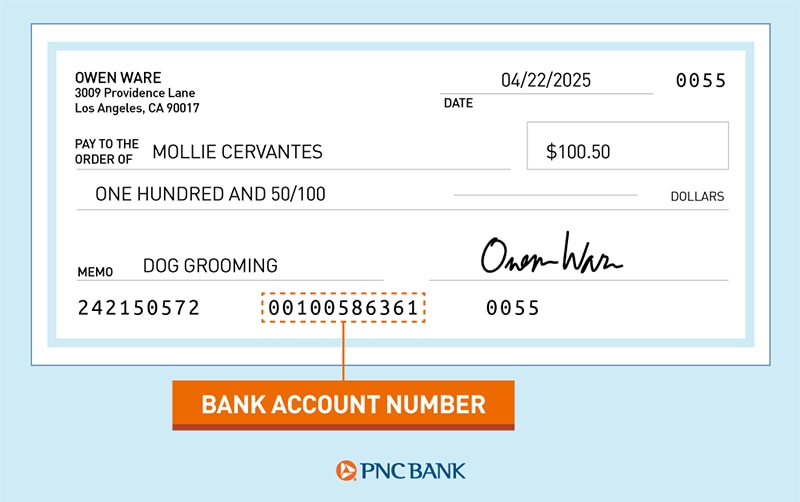
A common point of confusion for many users of online banking tools is the distinction between the account number and the routing number.
- The Routing Number: This is a nine-digit code that identifies the specific financial institution. Think of it as the “zip code” for your bank.
- The Account Number: This is your specific “street address” within that bank.
When setting up online income transfers or paying bills, you will almost always need both. Online portals typically display these side-by-side, but knowing which is which ensures that your financial transactions are processed without error.
Secure Methods to Retrieve Your Bank Account Number Online
The transition to digital-first banking has made it significantly easier to find your account details, provided you know where to look. Most reputable financial institutions have streamlined their interfaces to prioritize user accessibility while maintaining high-security standards.
Using Mobile Banking Apps for Instant Retrieval
For most consumers, the mobile banking app is the primary touchpoint for their finances. To find your account number here, the process usually follows a standard pattern:
- Authentication: Log in using biometric data (Face ID or fingerprint) or a secure passcode.
- Account Selection: Tap on the specific account (e.g., “Main Checking” or “Emergency Fund”) for which you need the number.
- Account Details/Settings: Look for a tab or icon labeled “Account Details,” “Info,” or “Manage Account.”
- The “Reveal” Feature: For security, many apps mask the account number (e.g., XXXXX1234). You will often need to click an “eye” icon or a “Show” button to view the full string of digits.
Navigating Online Banking Portals
If you are working from a desktop, the online banking portal offers a more comprehensive view of your financial tools. Once logged in, your account number is typically found on the “Summary” page. If it is masked, navigating to the “Settings” or “Direct Deposit Info” section will usually yield the full number. The advantage of using a desktop portal is the ease of “copy-pasting” the number directly into other financial tools, such as tax software or investment platforms, reducing the risk of manual entry errors.
Utilizing Digital Bank Statements and E-Statements
If the app or portal interface is confusing, the most foolproof way to find your account number is by viewing a PDF of your latest e-statement.
- Navigate to the “Documents” or “Statements” section of your online account.
- Download the most recent monthly statement.
- The account number is almost always printed at the top of the first page, clearly labeled.
E-statements are legally recognized documents, making them the gold standard for verifying your account information when applying for loans or setting up significant business finance transfers.
Integrating Your Account Information with Modern Financial Tools
Once you know how to retrieve your bank account number online, you unlock the ability to integrate your primary bank with a wider array of financial tools. This integration is the cornerstone of sophisticated personal finance management.
Linking to Budgeting and Investment Apps
Modern wealth management often involves using third-party apps to track spending or invest spare change. Tools like YNAB (You Need A Budget), Mint, or various brokerage apps require your banking credentials or account/routing numbers to sync data. By knowing how to quickly grab your account number online, you can set up these integrations in minutes. This allows for a “bird’s eye view” of your net worth, aggregating data from multiple institutions into a single dashboard.
Peer-to-Peer (P2P) Payment Platforms and Direct Deposits
For those pursuing side hustles or online income, getting paid efficiently is a priority. Platforms like PayPal, Venmo, or specialized freelance payment portals require your bank account number to “verify” your identity and facilitate transfers. Furthermore, setting up direct deposit for a corporate salary or freelance contract requires this number to ensure funds are routed correctly. Having digital access to this information ensures that you never miss a payment window due to missing documentation.
Safeguarding Your Financial Data in a Digital World
While the convenience of finding your bank account number online is immense, it comes with a responsibility to maintain rigorous digital security. Your account number, combined with a routing number, is enough for someone to initiate unauthorized ACH withdrawals.
Best Practices for Digital Privacy
When accessing your sensitive financial information online, follow these strict protocols:
- Avoid Public Wi-Fi: Never log into your bank account or view e-statements while on a public or unsecured Wi-Fi network. Use a VPN or your mobile data.
- Enable Two-Factor Authentication (2FA): Ensure that any tool showing your account number requires a secondary code sent to your mobile device or generated by an authenticator app.
- Clear Your Cache: If you are using a shared or public computer (which is generally discouraged), ensure you log out completely and clear the browser history and downloads folder if you viewed an e-statement.
What to Do if Your Account Information is Compromised
If you suspect that your account number has fallen into the wrong hands, the digital tools that helped you find it can also help you protect it. Most banking apps allow you to “freeze” certain types of transactions or set up instant alerts for any withdrawal over a specific dollar amount. If a breach is confirmed, you must contact your bank’s fraud department immediately. They will likely close the compromised account and issue you a new account number—at which point, you will once again use your online banking skills to update your various financial integrations.

Conclusion: Embracing Financial Literacy in the Digital Age
Knowing how to find your bank account number online is more than just a technical skill; it is a fundamental part of modern financial management. In a world where personal finance moves at the speed of light, being able to navigate your digital banking environment with confidence allows you to take control of your money, maximize your investment opportunities, and protect your hard-earned assets.
By mastering the use of mobile apps, online portals, and e-statements, you remove the barriers to financial mobility. You transition from a passive observer of your bank balance to an active manager of your financial destiny. Whether you are scaling a business, building an investment portfolio, or simply ensuring your bills are paid on time, the digital tools at your fingertips are the most powerful allies you have. Stay informed, stay secure, and use your digital access to build a more robust financial future.
aViewFromTheCave is a participant in the Amazon Services LLC Associates Program, an affiliate advertising program designed to provide a means for sites to earn advertising fees by advertising and linking to Amazon.com. Amazon, the Amazon logo, AmazonSupply, and the AmazonSupply logo are trademarks of Amazon.com, Inc. or its affiliates. As an Amazon Associate we earn affiliate commissions from qualifying purchases.