
In the era of instant digital payments, Peer-to-Peer (P2P) apps, and contactless credit cards, the humble paper check often feels like a relic of a bygone era. However, when it comes to high-stakes transactions—such as purchasing a vehicle, placing a down payment on a home, or settling a legal dispute—the standard personal check often lacks the necessary security. This is where the certified check enters the fold.
For many consumers, the primary question isn’t just about how the check works, but rather: How much does a certified check cost? Understanding the fee structures, the mechanics of the instrument, and the alternatives available is essential for anyone navigating significant financial milestones.
Understanding Certified Checks and Their Fee Structures
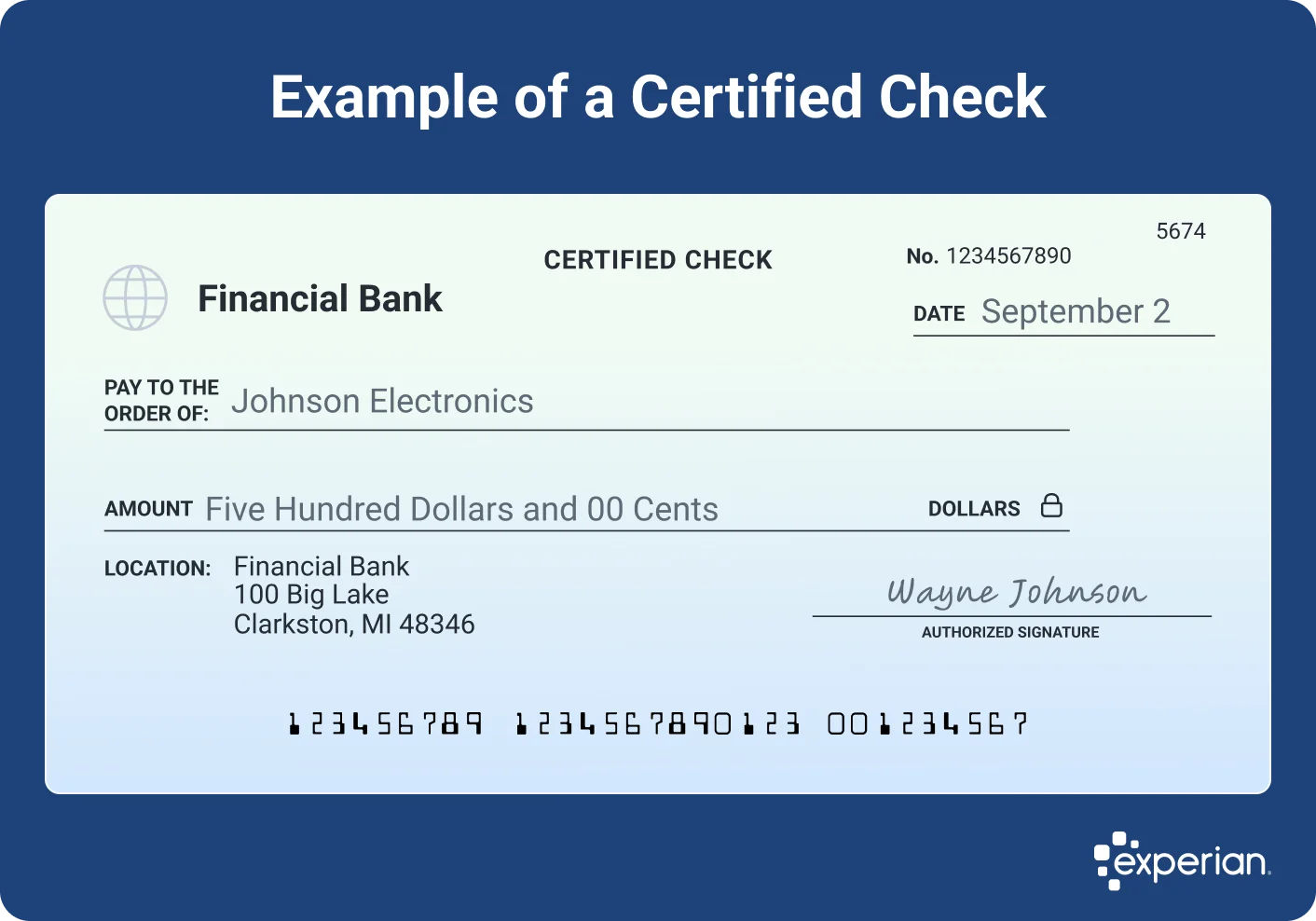
A certified check is a type of personal check that a bank or credit union “certifies.” Unlike a standard check, where the recipient must hope the funds are available when they deposit it, a certified check carries a guarantee from the financial institution. The bank verifies the account holder’s signature and confirms that sufficient funds exist to cover the amount. Once verified, the bank typically “freezes” or earmarks those funds specifically for that check, ensuring they cannot be spent elsewhere before the check clears.
Average Fee Ranges in the Current Market
Generally, the cost of a certified check ranges between $5 and $15, though this varies significantly depending on your relationship with your bank. Some institutions may charge a flat fee regardless of the check’s value, while others may offer the service for free to long-term members or those with premium account tiers.
While $15 might seem like a small price to pay for a large transaction, these fees can add up if you require multiple checks for different vendors during a move or a large-scale project. It is also worth noting that many major national banks have moved away from certified checks entirely, preferring to issue cashier’s checks instead, which often carry similar or slightly higher fee structures.
Factors That Influence the Price
Several variables dictate exactly what you will see on your bank statement after requesting a certified check:
- Account Tier: High-net-worth individuals or those with “Preferred” or “Platinum” banking status often receive “official” check services for free as a perk of their membership.
- Institution Type: Credit unions are notorious for having lower fees than big-box commercial banks. A credit union might charge $2 to $5, whereas a global bank might charge $15.
- Location of Service: Requesting a check in a physical branch is the standard method, but some institutions may charge additional “expedited” fees if you need the check handled through a specific internal courier process.
Comparing Certified Checks to Other Payment Methods
To understand if the cost of a certified check is “worth it,” you must compare it to the other financial tools available for high-value transfers. In the world of personal finance, not all “guaranteed” funds are created equal.
Certified Checks vs. Cashier’s Checks
The most common point of confusion is the difference between a certified check and a cashier’s check. While both offer a level of guarantee that a personal check does not, the source of the funds differs.
- Certified Check: The funds come from your personal account. The bank simply certifies that the funds are there and that your signature is genuine.
- Cashier’s Check: The funds are drawn from the bank’s own assets. You pay the bank the amount of the check upfront (plus a fee), and the bank issues a check signed by its own representative.
Cashier’s checks are generally considered even more secure than certified checks because they aren’t tied to an individual’s account liquidity—they are backed by the bank’s solvency. Consequently, cashier’s checks often cost slightly more, typically ranging from $10 to $20.
Certified Checks vs. Money Orders
For smaller transactions, a money order is a common alternative. You can purchase these at post offices, grocery stores, and pharmacies.
- Cost: Money orders are significantly cheaper, often costing between $1 and $5.
- Limits: The primary drawback is the limit. Most money orders are capped at $1,000. If you are buying a $15,000 car, you would need 15 money orders, making the $15 fee for a single certified check far more convenient and professional.

Certified Checks vs. Wire Transfers
If speed is the priority, a wire transfer is the electronic equivalent of a certified check.
- Cost: Wire transfers are the most expensive option, usually costing between $25 and $50 for domestic transfers and more for international ones.
- Value Proposition: While a certified check costs less, a wire transfer is nearly instantaneous. If you are in a closing meeting for a house and need the funds to clear within the hour, the higher cost of a wire transfer is justified.
How to Obtain a Certified Check and Minimize Costs
Obtaining a certified check is a more involved process than simply pulling a checkbook out of your desk. Because the bank is assuming a level of liability by certifying the funds, you must follow specific protocols.
The Step-by-Step Acquisition Process
- Verify the Recipient’s Requirements: Before heading to the bank, ensure the person or business you are paying specifically accepts certified checks. Some may prefer cashier’s checks or wire transfers.
- Confirm the Balance: Ensure the full amount of the check, plus the anticipated fee, is available in your checking account.
- Visit a Branch: Certified checks almost always require a physical visit to a branch. You will need to provide a valid government-issued ID.
- Wait for Verification: The teller will verify your signature against their records and check your account balance.
- The Certification Stamp: The bank will stamp the check (often with a “Certified” or “Accepted” mark) and have a bank official sign it. At this point, the fee is usually deducted from your account.
Strategies to Avoid or Waive Fees
If you find yourself needing certified checks frequently, there are ways to circumvent the costs:
- Leverage Premium Accounts: If you maintain a high minimum balance, ask your bank to move you to a “Premium” tier. One of the first fees to disappear in these tiers is the “official check” fee.
- Negotiate Based on Longevity: If you have been a loyal customer for a decade, many branch managers have the discretion to waive a $15 fee as a gesture of goodwill.
- Use Credit Unions: If you aren’t already a member, joining a local credit union can significantly reduce your administrative banking costs.
Security, Risks, and Fraud Prevention
The cost of a certified check isn’t just for the paper and the ink; it is for the security infrastructure behind it. However, even with bank certification, these instruments are not entirely immune to risks.
Protecting Against Fraud and Scams
In recent years, “Certified Check Scams” have become a tool for fraudsters. Scammers may send a counterfeit certified check to a seller for an amount higher than the purchase price, asking the seller to wire back the difference. Because the check looks official and the bank may “clear” it initially (by law, banks must make funds available quickly), the victim assumes the check is valid. When the bank eventually realizes the check is a sophisticated fake, they reverse the deposit, leaving the victim out of their money.
To protect your finances, never accept a certified check from someone you do not trust without calling the issuing bank directly to verify the check’s serial number and authenticity.
What Happens if a Certified Check is Lost?
Losing a certified check is significantly more stressful than losing a personal check. Because the bank has already earmarked those funds, they cannot simply “stop payment” with the click of a button.
To replace a lost certified check, you often have to purchase an indemnity bond through an insurance company. This bond ensures the bank won’t be liable if the original check is eventually found and cashed. This process can be expensive and can take 30 to 90 days to resolve, which is why treating a certified check like cash is the best policy.

Conclusion: Weighing the Value of Certified Funds
While the digital revolution has changed how we handle daily expenses, the certified check remains a vital tool in the landscape of personal finance. The $5 to $15 cost is a relatively small insurance premium to pay for the peace of mind it provides to both the buyer and the seller.
When you are involved in a major life transaction, the priority should be security and the successful transfer of ownership. By understanding the fee structures of your specific bank and knowing how a certified check compares to cashier’s checks and wire transfers, you can make an informed decision that protects your assets while minimizing unnecessary banking expenses. In the world of money, being prepared for the “big” transactions is just as important as managing the small ones.
aViewFromTheCave is a participant in the Amazon Services LLC Associates Program, an affiliate advertising program designed to provide a means for sites to earn advertising fees by advertising and linking to Amazon.com. Amazon, the Amazon logo, AmazonSupply, and the AmazonSupply logo are trademarks of Amazon.com, Inc. or its affiliates. As an Amazon Associate we earn affiliate commissions from qualifying purchases.