
Choosing to close a bank account is a significant financial decision that requires more than just a simple “stop” on your services. Whether you are moving toward a high-yield savings account at a fintech startup, consolidating your assets for better management, or switching to a local credit union with lower fees, the process of closing an account at a major institution like JPMorgan Chase & Co. must be handled with precision.
Managing your exit strategy correctly ensures that you avoid unnecessary fees, prevent negative impacts on your credit history, and maintain a seamless flow of personal liquidity. In this guide, we will explore the professional steps required to close your Chase account while maintaining your financial health.
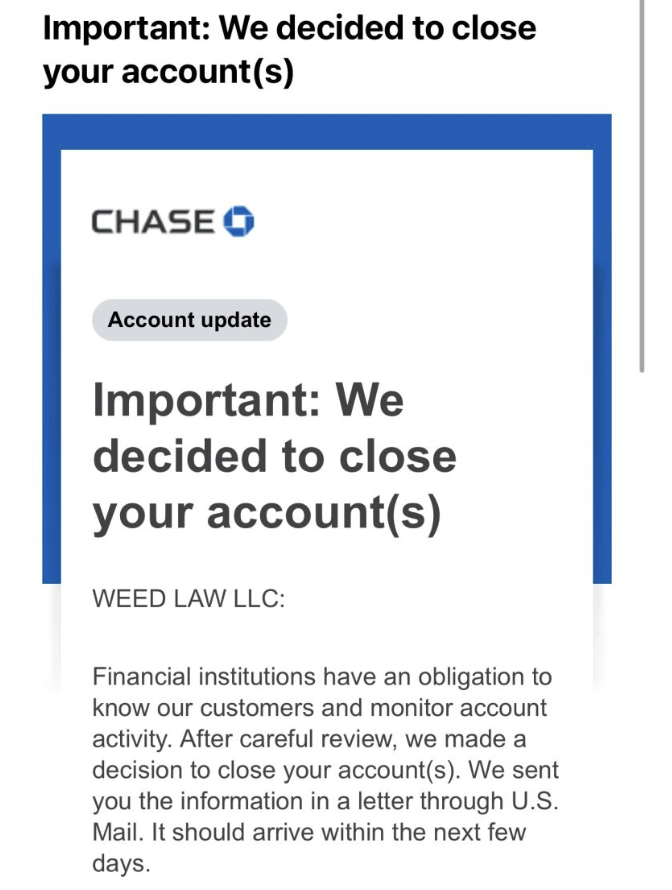
Preparing Your Finances for the Transition
Before you initiate contact with Chase to close your account, you must perform a thorough audit of your current financial ecosystem. Simply walking into a branch and asking to close an account without preparation can lead to “zombie debits” and overdraft fees that can haunt your financial records for months.
Auditing Your Recurring Transactions
Most modern bank accounts serve as the central hub for our financial lives. Over time, we accumulate a web of automated payments and deposits. To ensure a smooth transition, you should review the last 12 months of bank statements. Look specifically for:
- Direct Deposits: Ensure your employer’s payroll department has updated your information to your new account.
- Subscription Services: Streaming platforms, gym memberships, and software subscriptions often draw from your debit card or ACH info.
- Utility Payments: Electricity, water, and internet bills are often set to “autopay.”
- External Transfers: Automated transfers to brokerage accounts, IRAs, or emergency funds.
Opening a New Account First
In the world of personal finance, liquidity is king. You should never close your primary bank account until your new account is fully functional. This means the new account is not only open but also funded, and you have received your new debit card and set up your online banking credentials. Experts recommend keeping both accounts open for at least one full billing cycle (30 days) to catch any “straggler” transactions that you may have missed during your audit.
Managing the “Zero Balance” Requirement
While it may seem intuitive to withdraw all your money immediately, doing so can actually trigger a “low balance fee” if the account remains open for several days with a $0 balance. The best strategy is to move the majority of your funds to your new institution, leaving a small “buffer” (e.g., $50 to $100) to cover any final automated charges. Once you are ready to officially close the account, you will deal with the remaining balance through Chase’s official channels.
The Step-by-Step Methods to Close Your Account
Chase provides several avenues for account closure, ranging from digital interfaces to traditional in-person consultations. The method you choose should align with your comfort level and the complexity of your financial holdings.
Closing via Online Banking or the Mobile App
For most tech-savvy consumers, the Chase Secure Message Center is the most efficient way to initiate closure.
- Log in: Access your account via the Chase website or mobile app.
- Secure Message: Navigate to the “Secure Message Center” under the main menu.
- Submit Request: Choose “New Message” and select “Inquiry about my account.” State clearly that you wish to close your account.
- Wait for Confirmation: A representative will typically respond within 1–2 business days. They may ask for a destination for your remaining balance or confirm that your balance is zero.
Closing via Phone or Written Request
If you prefer direct communication but cannot visit a branch, calling Chase customer service is a viable option. You should be prepared for the representative to attempt a “retention” pitch, offering to waive fees or provide new perks to keep you as a customer. If your mind is made up, be firm but professional.
- By Phone: Call the number on the back of your debit card or 1-800-935-9935.
- By Mail: You can send a notarized letter to Chase Bank, N.A., P.O. Box 659754, San Antonio, TX 78265-9754. While this is the slowest method, it provides a physical paper trail which can be useful for high-net-worth individuals or complex corporate entities.

The In-Person Branch Visit
For those who value a clean break and immediate documentation, visiting a Chase branch is the gold standard. By sitting down with a personal banker, you can:
- Receive a printed confirmation of the closure.
- Withdraw your remaining balance in cash or as a cashier’s check on the spot.
- Ensure that all linked products (like overdraft protection from a linked savings account) are also addressed.
Navigating Post-Closure Financial Responsibilities
Closing an account is not just about stopping service; it is about protecting your financial reputation. Even after you receive confirmation that the account is closed, there are several “post-flight” checks you must perform.
Avoiding Account Reopening and Zombie Debits
One of the most common pitfalls in personal finance is the “automatic reopening” of an account. Many large banks, including Chase, may automatically reopen a closed account if an incoming deposit or an authorized ACH debit request is received. This can lead to a negative balance and subsequent overdraft fees that you may not notice for weeks. To prevent this, ensure that you have received a “Letter of Closure” and monitor your mail for any unexpected statements.
Impact on Credit Scores and Financial Records
Generally, closing a checking or savings account does not directly impact your FICO credit score because these accounts do not involve credit lines. However, there are two exceptions:
- Overdraft Lines of Credit: If your Chase account had an associated line of credit that was reported to credit bureaus, closing it might slightly affect your “length of credit history.”
- Unpaid Fees: If you close an account with a negative balance and fail to settle it, Chase may report the loss to ChexSystems. A negative report in ChexSystems can make it difficult to open bank accounts at other institutions for up to five years.
Tax and Record Keeping
From a professional financial management perspective, do not delete your digital records immediately. You should download at least the last two years of bank statements and any 1099-INT forms (interest income) for tax purposes. Once an account is closed, your access to the online portal is typically revoked, making it difficult to retrieve these documents during tax season.
Strategic Reasons to Transition Your Capital
In the broader context of money management, closing an account is often a strategic move to optimize your personal balance sheet. As your financial goals evolve, the tools you use should evolve with them.
Seeking Higher APYs and Lower Fees
Many consumers move away from “Big Four” banks like Chase to take advantage of the higher Annual Percentage Yields (APY) offered by online-only banks. While Chase offers convenience and a massive ATM network, its standard savings rates often pale in comparison to digital competitors. In a high-interest-rate environment, keeping your emergency fund in an account yielding 0.01% versus 4.50% represents a significant “opportunity cost.”
Aligning with New Financial Goals
As you move through different stages of life—from a student to a professional, or from an employee to a business owner—your banking needs change. You might require more robust business tools, better integration with investment platforms, or a bank that offers specialized mortgage rates for existing customers. Closing a legacy account is often the first step in “leveling up” your financial infrastructure to support long-term wealth creation.
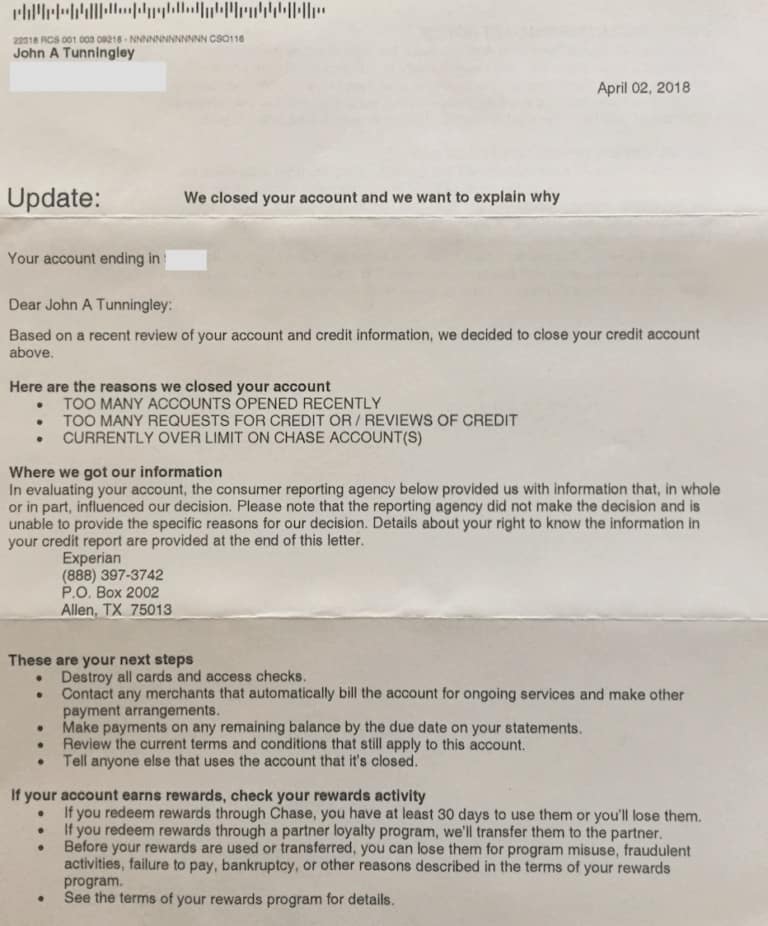
Consolidating for Simplicity
Complexity is the enemy of financial clarity. Managing multiple accounts across various institutions can lead to missed payments or forgotten assets. By closing underutilized accounts and consolidating your capital into a primary “financial hub,” you can better track your net worth, monitor your spending habits, and ensure that your money is working as hard as possible for you.
In conclusion, closing a Chase bank account is a straightforward process, but it requires diligent preparation and a clear understanding of the financial implications. By following a structured approach—auditing your transactions, choosing the right closure method, and maintaining records—you can transition your capital to its next destination with confidence and professional poise.
aViewFromTheCave is a participant in the Amazon Services LLC Associates Program, an affiliate advertising program designed to provide a means for sites to earn advertising fees by advertising and linking to Amazon.com. Amazon, the Amazon logo, AmazonSupply, and the AmazonSupply logo are trademarks of Amazon.com, Inc. or its affiliates. As an Amazon Associate we earn affiliate commissions from qualifying purchases.