
In the modern financial landscape, a credit card is more than just a piece of plastic; it is a fundamental tool for building a credit history, managing daily cash flow, and accessing premium rewards. Capital One has established itself as a leader in the personal finance space, offering a diverse suite of products that cater to everyone from students and credit-builders to luxury travelers and small business owners. However, the process of applying for a credit card can often feel daunting, fraught with concerns about credit scores and approval odds. Understanding the nuances of the Capital One application ecosystem—and how it fits into your broader financial strategy—is the first step toward optimizing your personal economy.
1. Evaluating Your Financial Standing and Selecting the Right Card
Before you ever click the “Apply Now” button, you must conduct a thorough audit of your current financial health. Capital One is known for its data-driven approach to lending, meaning they have specific criteria for each of their card tiers. Applying for a card that does not align with your credit profile is not just a waste of time; it can result in a hard inquiry on your credit report that temporarily lowers your score without providing any benefit.
Understanding the Three Main Credit Tiers
Capital One generally categorizes its products into three buckets: Excellent, Good, and Rebuilding.
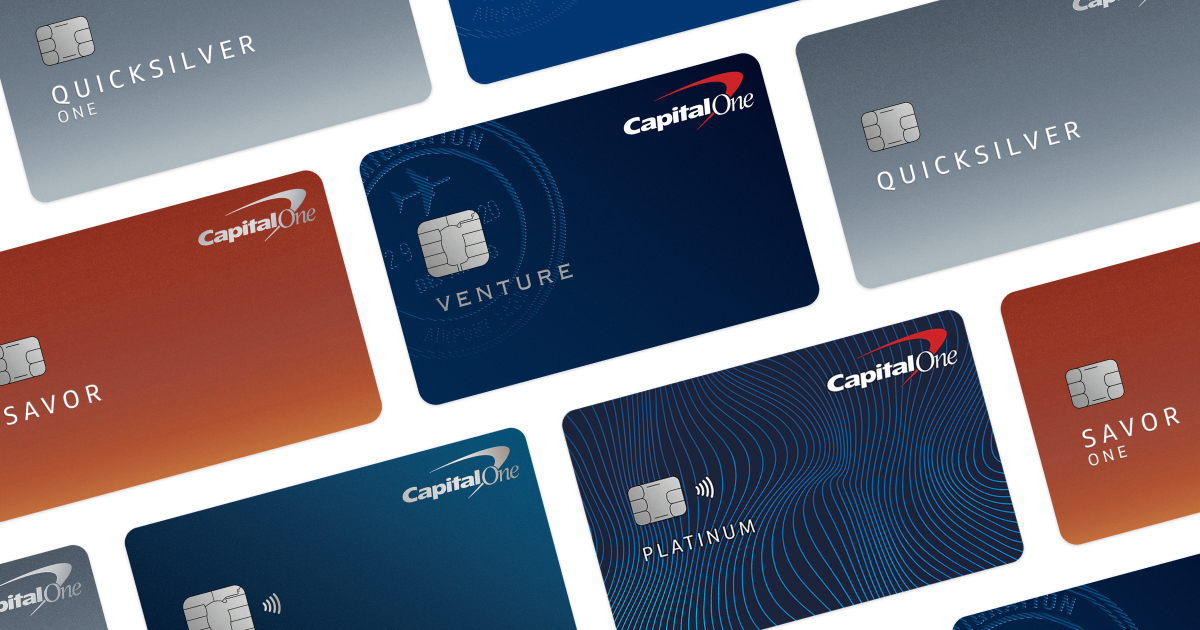
- Excellent Credit: Typically characterized by a credit score of 720 or higher. Individuals in this category are eligible for the Venture X or Savor cards, which offer high-value rewards and premium perks.
- Good Credit: Scores between 670 and 719. These applicants usually qualify for the Quicksilver or the standard Venture rewards cards.
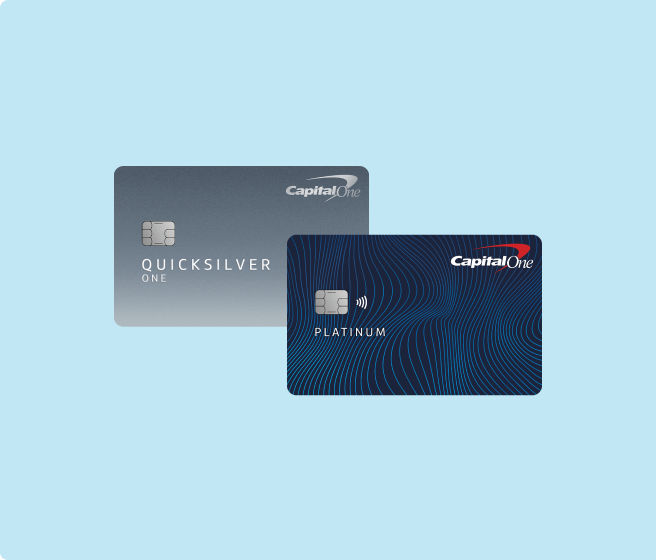
- Rebuilding Credit: For those with limited history or prior financial setbacks, the Platinum Mastercard or the QuicksilverOne are designed to help users graduate to higher tiers through consistent, on-time payments.
The Power of Capital One Pre-Approval
One of the most significant advantages of choosing Capital One is their robust pre-approval tool. Unlike a formal application, the pre-approval process uses a “soft pull” on your credit report, which does not impact your credit score. By providing basic information—such as your name, address, and the last four digits of your Social Security Number—you can see which cards you are likely to be approved for. This transparency allows you to make an informed decision and protects your credit score from unnecessary hard inquiries.
Aligning Rewards with Spending Habits
In the realm of personal finance, the “best” card is entirely subjective. If your monthly budget is heavily weighted toward groceries and dining, the SavorOne card, with its tiered cash-back rewards, is likely your best bet. Conversely, if you are looking to fund a dream vacation, the Venture series allows you to earn “miles” on every purchase. Selecting a card that mirrors your existing spending habits ensures that you are maximizing your “return on spend” without inflating your lifestyle.
2. Navigating the Capital One Application Process
Once you have identified the appropriate card and utilized the pre-approval tool, it is time to move to the formal application. While the process is streamlined and digital-first, accuracy is paramount. Errors in your personal information can lead to delays or automatic denials, as lenders are legally required to verify your identity under “Know Your Customer” (KYC) regulations.
Gathering Necessary Information
The application will ask for several key pieces of data. Having these ready will ensure a smooth process:
- Personal Identification: Legal name, date of birth, and Social Security Number (SSN) or Individual Taxpayer Identification Number (ITIN).
- Contact Details: Residential address (no P.O. boxes), email, and phone number.
- Financial Disclosures: Total annual income and monthly housing payment (rent or mortgage).
Defining “Annual Income” in Personal Finance
Many applicants underestimate their income because they only report their primary salary. However, for credit card applications, “income” is often defined more broadly. You may include your salary, bonuses, investment dividends, and even shared household income if you have a reasonable expectation of access to it (relevant for stay-at-home spouses). Accurately reporting a higher total income can lower your debt-to-income (DTI) ratio, which is a critical factor in determining your initial credit limit.
The Submission and the “Hard Pull”
When you submit the final application, Capital One will perform a “hard pull” on your credit report. This is a formal inquiry that will appear on your credit history for two years and may slightly lower your score for a few months. Capital One is unique in that they often pull reports from all three major bureaus—Equifax, Experian, and TransUnion. While this provides them with a comprehensive view of your financial behavior, it means your credit must be “unfrozen” across all three platforms before you apply.
3. Strategies to Increase Your Approval Odds
While no application is guaranteed, savvy financial planning can significantly tip the scales in your favor. Lending is fundamentally a game of risk management, and your goal as an applicant is to demonstrate that you are a low-risk, high-reliability borrower.
Managing Your Credit Utilization Ratio
In the weeks leading up to your application, pay down as much existing revolving debt as possible. Your credit utilization ratio—the amount of credit you are using divided by your total available credit—is a massive driver of your credit score. Aim for a utilization rate below 10%. If a lender sees that your current cards are nearly maxed out, they may view you as financially overextended, regardless of your income.
Timing Your Applications
Capital One has internal rules regarding the frequency of applications. Generally, they limit individuals to one new card every six months. If you have recently opened another credit account (even with a different bank), it may be wise to wait. A “velocity” of too many new accounts in a short period signals desperation or potential fraud to a lender’s automated underwriting systems.
Understanding the Debt-to-Income (DTI) Filter
Lenders look at your monthly debt obligations relative to your gross monthly income. If you have significant student loans, car payments, or a high mortgage, your DTI might be high. Before applying for a new line of credit, ensure your fixed monthly debts do not exceed 35–40% of your gross income. If they do, focus on retiring smaller debts before seeking a new credit card.
4. Post-Application: Management and Financial Growth
After you hit “submit,” you will receive one of three responses: an instant approval, a denial, or a “pending” status. Each requires a different strategic response to ensure your long-term financial health.
Immediate Steps After Approval
If you are approved, you will often receive your digital card details immediately through the Capital One mobile app, allowing you to begin using the account for online purchases before the physical card arrives. This is an excellent time to set up “Auto-Pay.” In the world of personal finance, the single most important factor for your credit score is your payment history. Missing a single payment can cause a score to plummet by 50 to 100 points.
Navigating a Denial: The Adverse Action Notice
If your application is declined, Capital One is legally required to send you an “Adverse Action Notice.” This document will list the specific reasons for the denial (e.g., “too many recent inquiries” or “insufficient income”). Do not view this as a permanent failure, but rather as a roadmap for improvement. If the reason is a low credit score, you might consider the Capital One Platinum Secured card, which requires a refundable deposit but helps build the very history needed to qualify for a “Good Credit” card in the future.
Leveraging the Capital One Ecosystem for Wealth Building
Once you are a cardholder, the Capital One app becomes a powerful financial tool. Features like “CreditWise” allow you to monitor your credit score for free and simulate how different financial moves (like paying off a loan) will affect your rating. Furthermore, by utilizing “Capital One Shopping” and card-specific offers, you can generate “forced savings”—money saved on necessary purchases that can then be diverted into an emergency fund or a high-yield savings account.

Conclusion: Credit as a Cornerstone of Personal Finance
Applying for a Capital One credit card is not merely a transactional event; it is a strategic move in your broader financial journey. By understanding the importance of pre-approval, accurately reporting your financial data, and managing your credit health prior to application, you position yourself as a prime candidate for the best rates and rewards.
Remember that a credit card is a double-edged sword. When used responsibly—paying the balance in full every month and staying within your means—it serves as a vehicle for wealth generation through rewards and a sterling credit reputation. Whether you are seeking the travel perks of the Venture X or the straightforward simplicity of the Quicksilver, the key to success lies in preparation, discipline, and a deep understanding of the financial mechanisms at play. Your journey toward a more robust financial future begins with a single, well-informed application.
aViewFromTheCave is a participant in the Amazon Services LLC Associates Program, an affiliate advertising program designed to provide a means for sites to earn advertising fees by advertising and linking to Amazon.com. Amazon, the Amazon logo, AmazonSupply, and the AmazonSupply logo are trademarks of Amazon.com, Inc. or its affiliates. As an Amazon Associate we earn affiliate commissions from qualifying purchases.