
In the modern economic landscape, credit is more than just a convenience; it is a fundamental tool for building wealth, managing cash flow, and securing one’s financial future. Among the plethora of financial institutions, Capital One has carved out a significant niche by offering a diverse array of products tailored to everyone from credit novices to seasoned travelers. Understanding how to apply for a Capital One credit card is not merely about filling out a form—it is about strategic financial positioning. This guide explores the nuances of the application process, the criteria for selection, and how to leverage these financial tools to optimize your personal balance sheet.
1. Evaluating Your Financial Standing and Product Selection
Before initiating an application with Capital One, a prudent consumer must conduct a thorough internal audit of their financial health. Capital One is unique in the market because it offers products across the entire credit spectrum. Therefore, the first step in the application journey is identifying which “bucket” your current financial profile falls into.
Assessing Your Credit Score and History
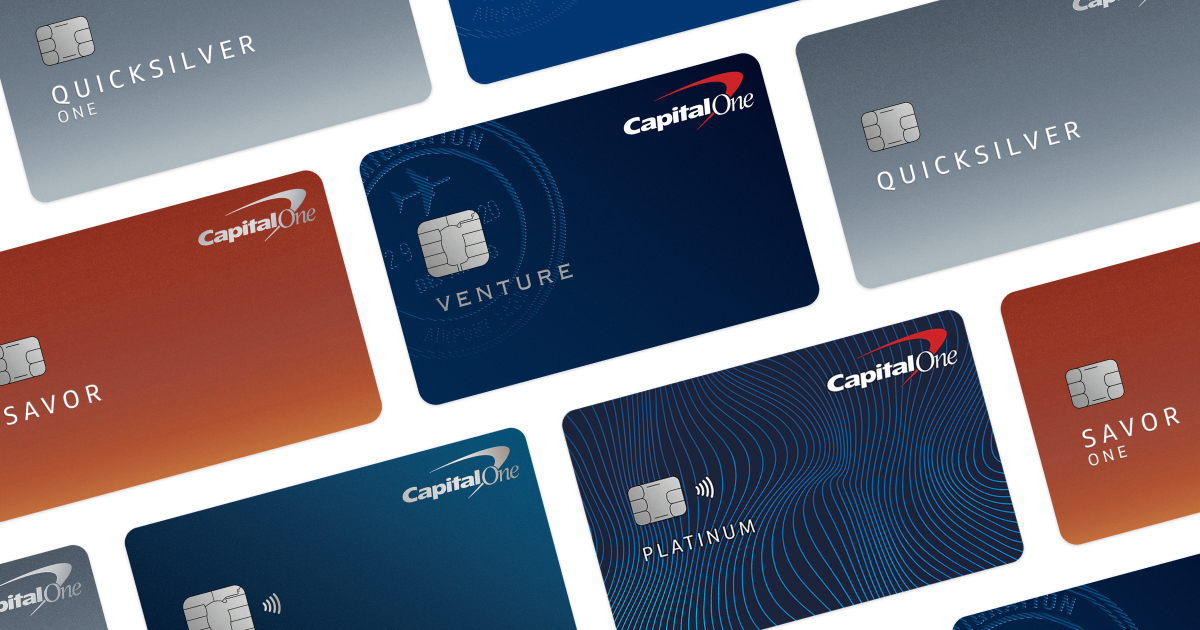
Your credit score is the primary determinant of which Capital One products are accessible to you. Capital One generally categorizes its cards into three tiers: Excellent, Good, and Fair/Rebuilding.
- Excellent Credit: Usually defined as a score above 720. This tier provides access to the Venture X or Savor rewards cards, which offer premium perks and higher credit limits.
- Good Credit: Typically scores between 670 and 719. Applicants here are often eligible for the Quicksilver or standard Venture cards.
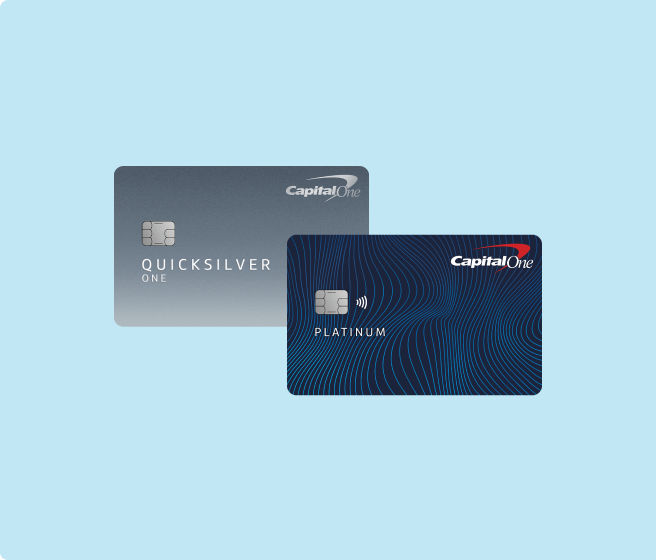
- Fair/Rebuilding Credit: For those with scores below 670 or limited history, the Capital One Platinum or the Secured Quicksilver cards serve as essential tools for credit rehabilitation.
Understanding where you stand via a free credit report or a tool like CreditWise (Capital One’s own monitoring service) allows you to apply with confidence rather than shooting in the dark.
Matching Card Utility to Spending Habits
Financial efficiency is maximized when your credit card rewards align with your largest expenditure categories. If your financial goals involve global mobility and travel, the Venture series offers “miles” that act as a currency for flights and hotels. Conversely, if your budget is dominated by grocery and dining expenses, the Savor suite provides high-percentage cash back on those specific categories. Applying for the wrong card—even if you are approved—can be a missed opportunity for financial optimization.
2. The Strategic Advantage of the Pre-Approval Process
One of the most significant barriers to financial progress is the “hard inquiry” on a credit report, which can temporarily lower your score. Capital One has pioneered a sophisticated pre-approval system that allows potential applicants to see their likelihood of success without impacting their credit score.
The Mechanics of the “Soft Pull”
The pre-approval tool uses a “soft inquiry” to scan your credit profile. Unlike a formal application, this does not notify the credit bureaus in a way that affects your rating. By utilizing this tool on the Capital One website, you receive a curated list of cards you are “likely” to be approved for. This is an essential step for anyone concerned about their debt-to-income ratio or those who have recently applied for other lines of credit. It allows you to pivot your strategy if you find you don’t yet qualify for a premium card, saving you from a high-stakes rejection.
Interpreting Pre-Approval Results
Receiving a pre-approval offer is a strong indicator of success, but it is not a guarantee. Capital One’s algorithms look for specific stability markers: consistent income, a reasonable debt load, and a lack of recent delinquencies. If the pre-approval tool suggests a “Secured” card when you were hoping for a “Rewards” card, it is a signal from the market that your financial foundation needs more reinforcement before you take on high-limit revolving debt.
3. Navigating the Formal Application and Documentation Requirements
Once you have identified the appropriate financial instrument and checked your pre-approval status, the formal application begins. This stage requires precision, as inaccuracies can lead to automatic denials or requests for manual reviews, which delay access to credit.
Required Financial Disclosures
Capital One requires specific data points to calculate your creditworthiness and set your initial credit limit. You will need:
- Total Annual Income: This includes not just your base salary, but any bonuses, investment income, or secondary income streams (like side hustles or rental income).
- Monthly Housing Payment: Whether you own or rent, this helps the bank calculate your residual income.
- Social Security Number (SSN) or ITIN: Necessary for the bank to pull your formal credit file from the major bureaus (Equifax, Experian, and TransUnion).
The Role of Employment Status
Your employment status is a proxy for the stability of your cash flow. While freelancers and business owners can certainly qualify, they may be required to provide more granular detail regarding their net vs. gross income. Capital One’s underwriting process is designed to ensure that the credit limit extended to you is sustainable, preventing the “debt trap” that occurs when credit limits exceed a user’s ability to repay.
4. Post-Application: Understanding Decisions and Initial Management
The moments following the submission of a credit application are critical. While many receive an “instant approval” thanks to automated underwriting, others may enter a “pending” status.
The Decision Timeline and Reconsideration
If your application is not approved instantly, it does not necessarily mean a rejection. It often means the system requires a manual verification of your identity or income. If you are denied, Capital One is legally required to provide an “Adverse Action Notice,” which outlines the specific reasons for the denial. This document is a roadmap for your financial improvement. For example, if the reason is “too many recent inquiries,” the strategy is simple: wait six months before applying again to allow your credit report to “cool.”
Activating the Digital Financial Suite
Upon approval, your relationship with Capital One becomes a digital-first experience. Leveraging the Capital One mobile app is a key component of modern money management. The app provides real-time transaction tracking, which is vital for maintaining a budget. Furthermore, features like “Eno”—Capital One’s intelligent assistant—can help monitor for duplicate charges or unexpected increases in subscription fees, serving as an automated guardian of your personal finances.
5. Long-Term Wealth Building with Capital One Tools
Applying for the card is only the beginning. To truly benefit from this financial tool, one must integrate it into a broader strategy of wealth accumulation and credit score optimization.
Mastering the Credit Utilization Ratio
Your credit limit is not a target for spending; it is a ceiling to stay far beneath. To maximize your credit score, financial experts recommend keeping your “utilization ratio” below 30%, and ideally below 10%. For instance, if Capital One grants you a $10,000 limit, carrying a balance of only $500 shows other lenders that you are a low-risk borrower. This discipline eventually leads to “credit limit increases,” which further lowers your utilization and boosts your score, creating a virtuous cycle of financial growth.

Leveraging Rewards for Capital Reinvestment
The cash back or miles earned through Capital One should be viewed as a “discount” on your cost of living. A savvy personal finance strategist does not view rewards as “free money” for luxury spending, but rather as capital that can be reinvested. Applying your cash back as a statement credit reduces your monthly expenses, allowing you to divert those saved funds into an interest-bearing savings account or a brokerage account. By doing so, the act of simply using your credit card becomes a passive income stream that contributes to your long-term net worth.
In conclusion, applying for a Capital One credit card is a structured process that requires self-awareness, strategic planning, and disciplined execution. By understanding your credit profile, utilizing pre-approval tools, and managing your new account with a focus on low utilization and reward reinvestment, you transform a simple piece of plastic into a powerful engine for financial advancement. Capital One provides the platform, but your informed approach to the application and subsequent usage determines the height of your financial trajectory.
aViewFromTheCave is a participant in the Amazon Services LLC Associates Program, an affiliate advertising program designed to provide a means for sites to earn advertising fees by advertising and linking to Amazon.com. Amazon, the Amazon logo, AmazonSupply, and the AmazonSupply logo are trademarks of Amazon.com, Inc. or its affiliates. As an Amazon Associate we earn affiliate commissions from qualifying purchases.