
In the realm of personal finance, every expenditure warrants scrutiny, and few consumer decisions spark as much debate as the cost and value of a warehouse club membership. Costco Wholesale, a titan in the retail industry, operates on a unique model where paying an annual fee is the gateway to a world of bulk savings, exclusive services, and often, an exhilarating treasure hunt for deals. For the savvy consumer or the budget-conscious household, understanding “what is the cost of a Costco membership” is not merely about a number, but about unlocking a strategy for smarter spending and maximizing household budgets. This article delves into the financial intricacies of a Costco membership, helping you assess its worth as a strategic personal finance tool.
Unpacking the Costco Membership Tiers: A Financial Breakdown
Costco’s membership structure is designed to cater to different shopping habits and financial capacities, offering distinct tiers with varying benefits and costs. Each tier presents a unique value proposition, making it crucial to understand which one aligns best with your financial goals and consumption patterns.
Gold Star Membership: The Everyday Shopper’s Choice
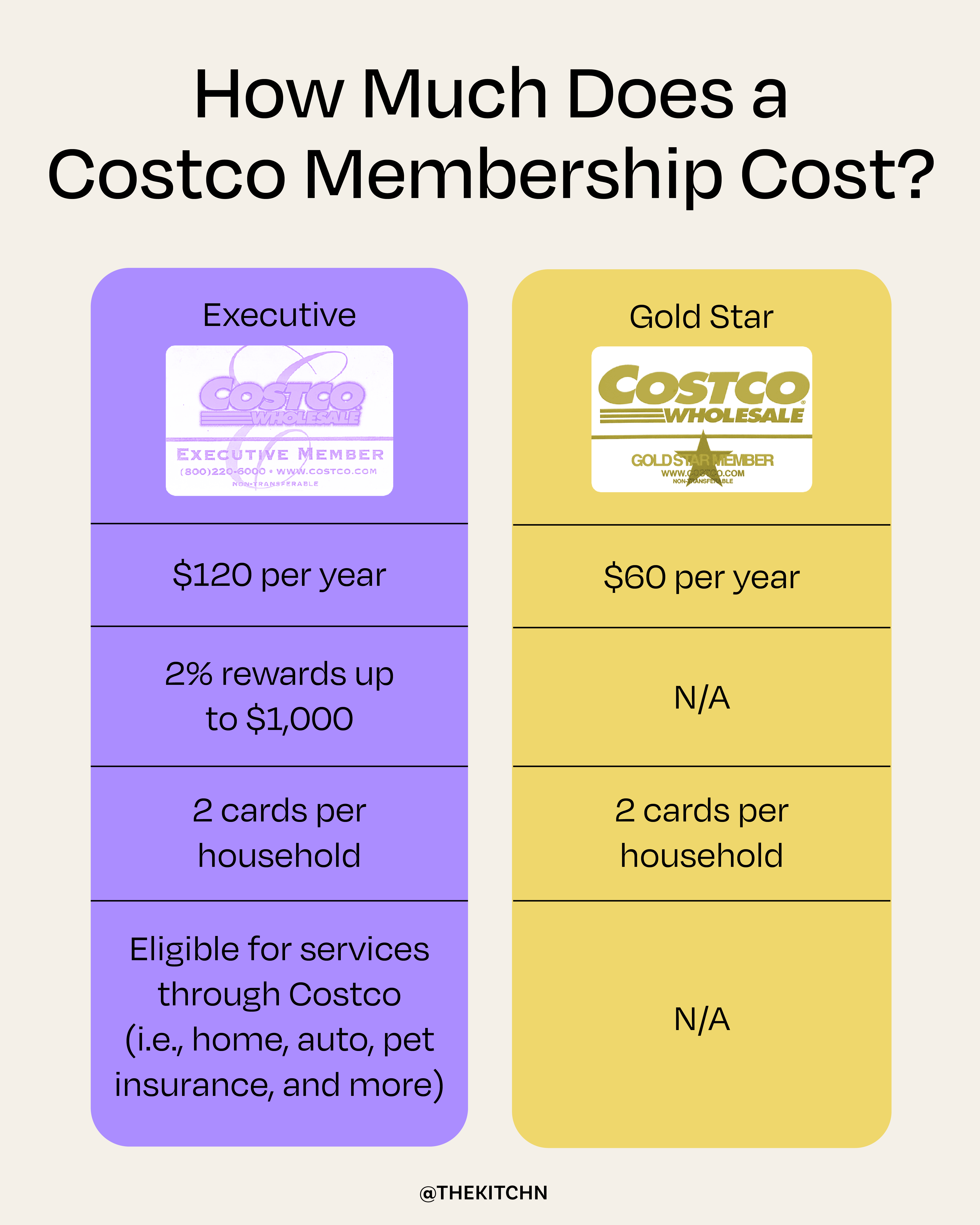
The Gold Star Membership is the foundational tier and the most popular choice for individual households. Priced at $60 per year, this membership grants access to all Costco warehouses worldwide, as well as their online platform, Costco.com. With this membership, you receive one primary card and a free household card for someone living at the same address.
From a financial perspective, the Gold Star membership is designed for the typical shopper looking for bulk discounts on groceries, household essentials, electronics, and more. It’s a straightforward entry point that promises savings primarily through lower unit prices on products. The $60 annual fee acts as a modest upfront investment, which many members recoup within a few shopping trips, especially if they regularly purchase high-value items like fresh produce, meat, or gas. For families or individuals new to warehouse shopping, the Gold Star option offers a low-risk way to explore the Costco ecosystem and determine if its bulk-buying model fits their lifestyle and budget. The financial decision here revolves around whether the projected savings on your regular purchases will comfortably exceed the $60 fee.
Executive Membership: Maximizing Rewards for High Spenders
Stepping up from the Gold Star, the Executive Membership is Costco’s premium offering, designed for members who anticipate significant annual spending at the warehouse. Pric Priced at $120 per year, it comes with all the benefits of the Gold Star membership, plus a crucial additional perk: a 2% Annual Reward on most eligible Costco and Costco.com purchases. This reward is capped at a maximum of $1,000 per year, meaning eligible spending up to $50,000.
From a personal finance standpoint, the Executive Membership presents a clear break-even point calculation. To recoup the additional $60 cost over a Gold Star membership, a member needs to spend $3,000 annually ($60 / 0.02 = $3,000) on eligible items. If your household’s annual spending at Costco consistently exceeds this threshold, the Executive Membership effectively pays for itself and then some. For example, spending $5,000 would generate a $100 reward, making the net cost of your membership only $20 ($120 fee – $100 reward). This tier also comes with enhanced benefits on services like Costco Travel, optical, and water delivery, offering additional avenues for savings that can contribute to the overall financial value. For high-volume shoppers, small business owners, or large families, the Executive Membership transforms the annual fee from an expense into a potential profit center.
Business Membership: Tailored for Enterprises
Costco also offers a Business Membership, available for $60 per year, mirroring the Gold Star cost. This membership is specifically designed for business owners who wish to purchase items for resale or for business use. It provides access to all Costco warehouses and online platforms, much like the Gold Star, but includes the ability to purchase products for resale (a key differentiator) and allows for the addition of supplemental cards for business associates at an additional cost.
While the annual fee is the same as the Gold Star, the financial implications differ significantly. For businesses, this membership isn’t just about personal savings; it’s about optimizing operational costs, managing inventory, and potentially boosting profit margins through wholesale pricing. A business can often deduct the membership fee as an operating expense, which provides a tax advantage not typically available to individual consumers. The ability to purchase products in bulk for resale, or to stock up on office supplies and equipment at competitive prices, can translate into substantial savings for a business. The strategic financial decision for a business owner is whether the potential for lower procurement costs and simplified purchasing processes justifies the annual fee, rather than comparing it against individual household savings.
Is a Costco Membership Worth the Investment? A Financial Analysis
Beyond simply knowing the cost, the critical question for any financially prudent individual is whether the investment in a Costco membership truly pays off. This involves a thoughtful analysis of potential savings versus the annual fee, considering both tangible and intangible benefits.
Calculating Your Potential Savings
The primary allure of Costco is the promise of savings, which can manifest in several key areas. First, bulk purchases often lead to significantly lower unit prices compared to conventional supermarkets. For items with a long shelf life or high consumption rates like paper towels, cleaning supplies, and pantry staples, these savings can quickly accumulate. Second, Costco’s gas stations consistently offer some of the lowest prices per gallon, and for frequent drivers, the cumulative savings on fuel alone can largely offset the membership fee. Third, specialized departments like optical, pharmacy, and tire centers often provide services and products at prices substantially below market rates. A new pair of prescription glasses or a set of tires could easily save you hundreds of dollars in a single transaction. Finally, even the legendary food court offers exceptionally low prices on meals and snacks, serving as a small but consistent contributor to overall savings. Quantifying these potential savings requires a realistic assessment of your household’s purchasing habits and a comparison of Costco’s prices against your current shopping destinations.
The Break-Even Point: When Does it Pay Off?
Understanding your “break-even point” is central to the financial analysis of a Costco membership. For a Gold Star membership ($60), you need to save an average of $5 per month through lower prices or discounted services to justify the cost. For an Executive Membership ($120), the analysis is two-fold. Firstly, you need to save at least $120 through direct price reductions on purchases, fuel, or services. Secondly, and often more importantly, the 2% annual reward plays a critical role. As mentioned, an annual spend of $3,000 ($120 / 0.02) will generate a $60 reward, effectively reducing the net cost to $60, making it comparable to the Gold Star. Any spending above $3,000 means the Executive membership begins to generate a positive financial return beyond just direct savings.
For example, if you spend $4,000 annually at Costco as an Executive member, you’d receive an $80 reward. Your net membership cost would then be $40 ($120 fee – $80 reward), making it significantly cheaper than a Gold Star, and providing substantial additional savings from the lower product prices. This makes the Executive membership an almost unequivocal choice for high-spending households or small businesses.
Hidden Value: Beyond Direct Savings
The financial benefits of a Costco membership extend beyond immediate price reductions. Many members overlook the “hidden value” embedded in their membership. Costco Travel offers vacation packages, cruises, and rental cars often at competitive rates, sometimes including extra perks for members. The auto program provides pre-negotiated prices on new and used vehicles, potentially saving buyers thousands. Specialized member services like home improvement installation, bottled water delivery, and business services (payroll, payment processing) further augment the value proposition. While these services might not be utilized by every member, their availability adds a layer of financial protection and convenience, allowing members to potentially save significant sums on infrequent but substantial purchases or services. The sheer breadth of offerings under the Costco umbrella means that a single large saving event – whether it’s on a new appliance, a vacation, or a set of tires – can single-handedly justify the annual fee.
Factors to Consider Before Joining: A Prudent Financial Checklist
Before committing to a Costco membership, a thorough self-assessment of your spending habits, logistical realities, and alternative options is paramount. This strategic financial checklist helps ensure the membership is a true asset, not an unnecessary expense.
Shopping Habits and Household Size

The fundamental premise of Costco’s value proposition is bulk buying. Therefore, the first question to ask is: Do you buy in bulk? A large family, individuals who cook frequently, or those who consistently stock up on non-perishables are ideal candidates. A single individual with limited storage space or a preference for buying fresh produce in small quantities might find it challenging to fully leverage the bulk-purchase model without waste, potentially negating savings. Consider your consumption rate for various products; does a multi-pack of yogurt expire before you can finish it? Do you have ample pantry or freezer space for large quantities of groceries? Understanding your household’s actual needs and capacity is crucial to determining if bulk buying is financially advantageous or leads to wasteful overconsumption.
Proximity to a Warehouse
Geographic proximity plays a significant role in the financial viability of a Costco membership. If the nearest warehouse is a considerable distance away, the cost of gasoline and the time spent commuting can quickly erode potential savings. Factor in the fuel expenses for a round trip and the opportunity cost of your time. For some, a once-a-month major stock-up might justify the drive, especially if combined with other errands. For others, the inconvenience and associated costs might render frequent trips impractical, leading to underutilization of the membership. An honest assessment of how often you realistically would visit, given the travel involved, is essential. Remember that Costco.com offers many items, but often at higher prices than in-store and with shipping fees that can negate savings.
Alternative Shopping Options
Costco isn’t the only player in the game. Before committing, consider your current shopping landscape. Do you have access to other warehouse clubs like Sam’s Club, which might have different pricing or product selections? Do your local supermarkets offer competitive sales, loyalty programs, or private-label brands that provide similar value without an annual fee? Online retailers like Amazon often offer competitive prices on bulk items, sometimes with free shipping for Prime members. A smart financial decision involves comparing the total cost (product price + membership fee + travel expenses) of shopping at Costco versus your existing options. If your current shopping habits already yield significant savings through strategic couponing, sales, or discount retailers, the incremental value of a Costco membership might be less pronounced.
The Allure of Impulse Buys
One of the biggest financial pitfalls at Costco is the temptation of impulse buys. The “treasure hunt” atmosphere, rotating seasonal items, and attractive displays of non-essential goods (electronics, apparel, home decor) can easily lead to overspending. A financially savvy shopper must cultivate discipline to stick to their shopping list and avoid purchasing items simply because they seem like a “deal” or are aesthetically pleasing. Overspending on unnecessary items can quickly negate any savings achieved on essentials, turning a potentially profitable membership into a net financial loss. It’s crucial to view your Costco membership as a tool for intentional savings, not an invitation for recreational spending.
Strategies to Maximize Your Costco Membership Value
Once you’ve determined a Costco membership aligns with your financial goals, implementing smart strategies can significantly amplify its value, ensuring you extract the most out of your annual fee.
Smart Shopping Techniques
Maximizing value begins with disciplined shopping. Always compare unit prices; just because an item is in bulk doesn’t automatically mean it’s the best deal. Use your phone to quickly check competitor prices for key items. Become familiar with Costco’s pricing codes: an asterisk (*) indicates an item will not be restocked, often meaning it’s a clearance item, while prices ending in .97 are often manager markdowns. Plan your visits to avoid impulse purchases; go in with a list and stick to it. Consider sharing bulk purchases with friends or family if you can’t consume the entire quantity, effectively getting the bulk price without the waste. Stock up on non-perishables and frequently used items when they are on sale.
Leveraging Member-Exclusive Services
Beyond groceries and general merchandise, make it a point to explore and utilize Costco’s range of member-exclusive services. The pharmacy often offers highly competitive prices on prescription medications, sometimes beating insurance co-pays. The optical department provides eye exams and eyeglasses at substantial discounts. The tire center not only sells tires at competitive prices but also includes free rotation, balancing, and flat repair for the life of the tires – a significant ongoing saving. If you’re planning a vacation, check Costco Travel for package deals, cruises, and rental cars, which often include extra perks or discounts not available elsewhere. Using just one or two of these services over the year can easily offset your membership fee.
Utilizing the Executive Membership Rewards Wisely
For Executive Members, understanding and strategically using the 2% Annual Reward is key. This reward comes as a certificate mailed with your renewal notice and can be redeemed for merchandise or cash at any Costco warehouse. Plan how you’ll use this reward: apply it towards your next year’s membership fee, use it to purchase essential groceries, or treat yourself to something special. Remember that certain purchases, like alcohol (in some states), tobacco, stamps, and fuel, are often excluded from the reward calculation, so be aware of what counts towards your 2%. For optimal financial management, consider these rewards as a reduction in your overall spending at Costco, rather than ‘free money,’ and factor them into your annual budget.
The Costco Anywhere Visa® Card by Citi
For those looking to supercharge their savings, the Costco Anywhere Visa® Card by Citi is a powerful financial tool. This co-branded credit card offers significant cashback rewards: 4% on eligible gas (including Costco gas and other gas stations, up to $7,000 per year, then 1%), 3% on restaurants and eligible travel purchases, 2% on all Costco and Costco.com purchases, and 1% on all other purchases. The cashback is received once a year as a reward certificate, similar to the Executive Membership reward. This means an Executive Member using the Visa card effectively earns 4% back on Costco purchases (2% Executive + 2% Visa). For high-spending members, particularly those who fill up at Costco gas frequently, this card can generate substantial annual savings, making the membership’s value proposition even more compelling.
The Financial Landscape of Retail Memberships
Understanding the cost of a Costco membership also involves appreciating its place within the broader financial landscape of retail, especially how its unique business model impacts both pricing and profitability.
Costco’s Business Model: A Membership-Driven Profit Engine
Costco’s financial success is rooted in its membership-based model, which fundamentally differs from traditional retail. Unlike most retailers that rely heavily on product markups for profit, Costco operates on razor-thin margins for its merchandise. Its primary source of profit comes from the annual membership fees. This allows the company to sell products at exceptionally low prices, passing significant savings onto members. This model creates a virtuous cycle: low prices attract more members, and a growing membership base generates more revenue from fees, enabling Costco to negotiate even better deals with suppliers and maintain its low-price strategy. From a financial perspective, members are essentially investing in a collective buying power that grants them access to wholesale prices, making the annual fee an entry ticket to a highly efficient, high-volume retail ecosystem designed for savings.
Comparing Costco to Other Membership-Based Retailers
While Costco stands out, it’s not the only membership-based retailer. Sam’s Club, a direct competitor, offers a similar model with different pricing tiers (e.g., Club membership and Plus membership) and often competes head-to-head on many products. Amazon Prime, while not a warehouse club, is another membership-based service that offers financial benefits like free shipping, streaming, and exclusive deals. A comprehensive financial assessment would involve comparing the annual fees, product pricing, and supplementary benefits of these alternatives to determine which best aligns with your spending patterns and delivers the highest return on investment. For instance, if you prioritize convenience and digital services, Amazon Prime might offer more value. If physical bulk shopping and specific services like cheap gas or optical are paramount, Costco or Sam’s Club might be superior. The key is to evaluate each membership’s financial benefits relative to its cost and your specific needs, rather than viewing them in isolation.

Conclusion
The question “what is the cost of a Costco membership” transcends a simple dollar amount; it initiates a journey into strategic personal finance and savvy consumerism. Whether opting for the $60 Gold Star or the $120 Executive tier, the annual fee represents an investment. For many, this investment quickly pays dividends through significant savings on groceries, fuel, household essentials, and exclusive member services. By understanding the different membership tiers, calculating potential savings and break-even points, and leveraging smart shopping strategies, members can transform the annual fee from an expense into a powerful tool for budget optimization.
Ultimately, the true cost of a Costco membership is not just the sticker price, but the opportunity cost of not maximizing its potential, or conversely, the financial drain of impulsive spending. For the financially astute consumer, a Costco membership, when approached with discipline and an understanding of its value proposition, can be a cornerstone of a well-managed household budget, proving to be an exceptionally worthwhile investment in the pursuit of smarter spending and substantial savings.
aViewFromTheCave is a participant in the Amazon Services LLC Associates Program, an affiliate advertising program designed to provide a means for sites to earn advertising fees by advertising and linking to Amazon.com. Amazon, the Amazon logo, AmazonSupply, and the AmazonSupply logo are trademarks of Amazon.com, Inc. or its affiliates. As an Amazon Associate we earn affiliate commissions from qualifying purchases.