
Renting a vehicle, whether for a weekend getaway, a business trip, or an extended period while your own car is in the shop, often seems straightforward at first glance. However, the initial quote can be just the tip of the iceberg, with various fees, surcharges, and optional extras quickly escalating the final bill. For the financially savvy consumer, understanding the true cost of renting a vehicle is paramount to effective budgeting and avoiding unwelcome surprises. This comprehensive guide will delve into the myriad factors that contribute to the price of a rental, offering insights and strategies to help you navigate the rental market with confidence and fiscal prudence.
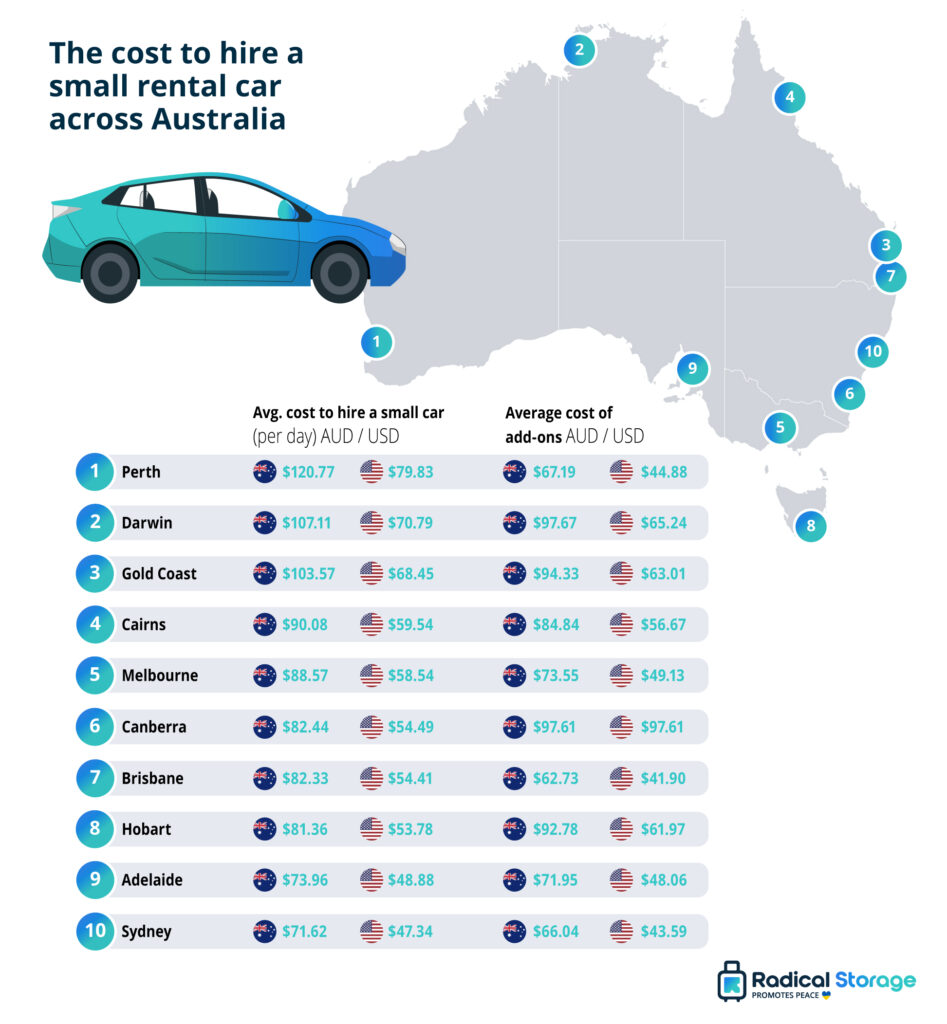
The decision to rent a car is rarely made lightly, carrying with it implications for personal or business budgets. From the base rate to intricate insurance policies and unforeseen surcharges, the total expenditure can significantly vary based on numerous choices and circumstances. Our objective here is to demystify these costs, empowering you to make informed decisions that align with your financial goals, ensuring your vehicle rental experience is both convenient and economically sound.
Understanding the Core Rental Costs
At the heart of any vehicle rental agreement lies the base rate, but it’s crucial to look beyond this initial figure. The core cost is primarily dictated by the duration of the rental and the type of vehicle chosen, forming the foundation upon which all other charges are built.
The Base Rate: Time and Vehicle Type
The most fundamental component of your rental cost is the base rate, which is typically calculated on a daily, weekly, or monthly basis. Rental companies often offer more favorable daily rates for longer rental periods, incentivizing extended bookings. For instance, renting a car for a week might not cost seven times the daily rate, but rather a slightly reduced average daily rate that factors in the longer commitment. It’s always wise to compare different rental durations to see if a slightly longer booking qualifies for a better overall price.
The type of vehicle selected also plays a significant role. Economy cars, being smaller and more fuel-efficient, generally command the lowest base rates. As you move up the hierarchy to compact, mid-size, full-size, SUVs, minivans, and luxury vehicles, the base rate progressively increases. The choice here should balance your needs (e.g., passenger capacity, luggage space, terrain requirements) with your budget. Opting for a vehicle class larger than necessary can lead to avoidable expenses.
Taxes and Government Surcharges
Regardless of the rental company or vehicle chosen, taxes and various government-mandated surcharges are unavoidable additions to your bill. These can vary significantly by location, even within the same country or state. Common examples include:
- Sales Tax: A standard consumption tax applied to the rental service.
- Airport Concession Fees (ACF): Often a percentage of the rental cost, levied when picking up a vehicle at an airport location, reflecting the cost of doing business at such facilities.
- Tourism Surcharges: Some cities or regions impose specific fees to support local tourism initiatives.
- Vehicle License Fees (VLF) / Registration Fees: These cover the cost of registering the vehicle for road use.
These charges are usually calculated as a percentage of the base rate or as flat fees per day, and while non-negotiable, being aware of them helps in calculating the true initial cost. They can add anywhere from 10% to 30% or more to your base rate, underscoring the importance of getting a total estimated cost rather than just the daily rate.
Unpacking Additional Fees and Charges
Beyond the base rate and taxes, a multitude of additional fees and optional services can dramatically inflate the final rental cost. Understanding these potential add-ons is crucial for managing your budget effectively.
Insurance Options and Waivers
This is arguably the most complex and expensive area of vehicle rental. Rental companies aggressively offer various insurance products and waivers, which can significantly increase your daily rate. These typically include:
- Collision Damage Waiver (CDW) / Loss Damage Waiver (LDW): This waives your financial responsibility for damage to or theft of the rental vehicle. It is not technically insurance but a contractual agreement. Without it, you are responsible for the full value of the car.
- Supplemental Liability Insurance (SLI): This provides additional liability coverage beyond the state-mandated minimums, protecting you against claims from third parties for property damage or bodily injury in an accident.
- Personal Accident Insurance (PAI): This covers medical expenses and accidental death benefits for you and your passengers.
- Personal Effects Coverage (PEC): This insures your personal belongings against theft or damage while in the rental vehicle.
Before purchasing any of these, always check your existing auto insurance policy, credit card benefits, and travel insurance. Many personal auto insurance policies extend coverage to rental cars, and numerous credit cards offer secondary (or sometimes primary) CDW/LDW coverage as a cardholder benefit. Leveraging existing coverage can lead to substantial savings, but it’s essential to understand the specifics of your policy and credit card terms.
Fuel Policies and Charges
Rental companies offer various fuel policies, and your choice can have a notable impact on the cost:
- Full-to-Full: You pick up the car with a full tank and return it full. This is generally the most cost-effective option, allowing you to refuel at a local gas station at market rates.
- Pre-Paid Fuel: You pay for a full tank upfront at a price determined by the rental company. This can be convenient but is often more expensive per gallon than local gas stations.
- Return Empty (or Company Refuels): You return the car with less than a full tank, and the rental company refuels it. This is almost always the most expensive option, as companies charge a premium for both the fuel and the service.
Always aim for the “full-to-full” option and plan to refuel the vehicle yourself shortly before returning it to avoid hefty company-imposed surcharges.
Extra Equipment and Services
Optional extras, while convenient, come at an additional daily cost:
- GPS/Navigation Systems: Many modern smartphones offer superior navigation, often rendering dedicated GPS units unnecessary.
- Child Safety Seats: Essential for families, but renting them from the agency can be pricey. Consider bringing your own if feasible.
- Toll Pass Devices: These allow for automated toll payments, but daily usage fees and service charges can add up, especially if you only pass through a few tolls. Research local toll roads and consider paying cash where possible or using your own transponder if compatible.
- Roadside Assistance: While usually covered by your credit card or personal auto insurance, rental companies offer their own versions.
- Wi-Fi Hotspots: Handy for connectivity on the go, but often expensive.
Evaluate whether you truly need these extras before accepting them.
Location Surcharges
Where you pick up and drop off your vehicle matters. Airport and train station locations typically incur higher fees due to concession agreements with those facilities. Renting from an off-airport or downtown location, even if it requires a short taxi or ride-share, can sometimes offer significant savings.
Age-Related Fees and Additional Driver Fees
Most rental companies impose a “young renter fee” for drivers under the age of 25, citing higher accident risks. This can add a substantial daily charge. Similarly, if multiple people will be driving the rental car, most companies charge an “additional driver fee” per day per extra driver. Some loyalty programs or memberships (e.g., AAA) waive these fees for qualifying members.
One-Way Rental Fees
If you pick up a car in one location and drop it off in another, you’ll almost certainly incur a “one-way rental fee.” This covers the cost for the company to transport the vehicle back to its original location. These fees can range from moderate to extremely high, depending on the distance and demand.
Factors Influencing Rental Vehicle Prices
Beyond the explicit fees, several market dynamics and operational factors contribute to the fluctuation of rental prices. Understanding these can help you time your bookings strategically.
Demand and Seasonality
Like airfares and hotel rooms, rental car prices are highly sensitive to demand. Peak travel seasons (e.g., summer holidays, spring break, major festivals, public holidays) see significantly higher prices due to increased demand and limited supply. Conversely, renting during off-peak seasons or mid-week can often yield substantial savings. Last-minute bookings during high demand periods are almost always the most expensive option.
Vehicle Type and Availability
While economy cars are typically the cheapest, their availability can influence pricing. If a rental agency runs out of economy cars, you might be upgraded to a higher class at no extra charge. However, if there’s a general shortage of vehicles across the board, even economy cars can see price surges. Specific vehicle types, like 4x4s in snowy regions or convertibles in tourist destinations, can also command premium prices due to specialized demand.
Rental Duration
As mentioned earlier, longer rental periods often result in lower average daily rates. Weekly rates are almost always cheaper per day than daily rates, and monthly rates offer even greater per-day value. If your trip is just shy of a weekly threshold, it might sometimes be cheaper to rent for the full week rather than just the number of days you need.
Booking Lead Time
Generally, booking your rental vehicle well in advance can secure better rates, especially during high-demand periods. Rental companies use dynamic pricing models, and as availability decreases, prices tend to increase. However, it’s worth noting that very occasionally, last-minute deals might appear if a company has surplus inventory. For critical travel, relying on early booking is the safer and more financially prudent approach.
Location (Country/City)
Rental prices vary wildly between countries and even cities within the same country. Factors like local economic conditions, competition among rental agencies, fuel costs, local taxes, and tourism levels all play a role. A rental car in a bustling metropolitan area might cost more than in a rural town, or vice versa, depending on the local market dynamics and public transport alternatives.
Strategies for Cost-Effective Vehicle Rental
Armed with knowledge of the various costs, you can now employ specific strategies to minimize your rental expenses without compromising on your needs.
Compare Prices Across Providers
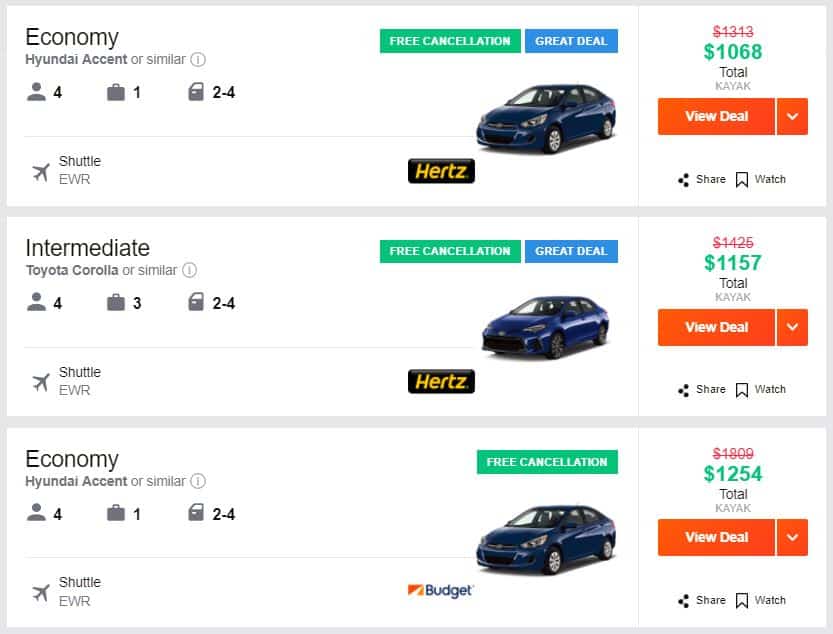
Never settle for the first quote you receive. Use online aggregators (like Kayak, Expedia, Skyscanner) to get a broad overview of prices from multiple companies (Hertz, Enterprise, Avis, Budget, Sixt, National, Alamo, etc.). Then, check the rental companies’ direct websites, as they sometimes offer exclusive deals or better rates than aggregators. Also, consider smaller, local rental agencies, especially if you’re familiar with the area, as they can sometimes offer competitive pricing.
Leverage Discounts and Loyalty Programs
Before booking, explore any discounts you might be eligible for:
- Membership Discounts: AAA, AARP, Costco, military, or student discounts are widely offered.
- Corporate Rates: If you’re traveling for business, inquire about your company’s corporate rates.
- Loyalty Programs: If you frequently rent from a particular company, joining their loyalty program can unlock benefits like discounted rates, free upgrades, or waived fees for additional drivers.
- Credit Card Perks: Many premium credit cards offer not just insurance but also discounts with specific rental partners.
Smart Insurance Decisions
This is where significant savings can be found.
- Review Existing Policies: Thoroughly check your personal auto insurance policy and the benefits offered by the credit card you plan to use for the rental.
- Understand Coverage Gaps: If your personal insurance has high deductibles or doesn’t cover certain types of damage (e.g., loss of use, diminished value), you might consider supplemental coverage.
- Decline Unnecessary Coverage: If you are adequately covered elsewhere, confidently decline the rental company’s expensive insurance offers.
Optimize Fueling
Opt for the “full-to-full” fuel policy. Plan your return trip to include a stop at a gas station near the rental drop-off location to refill the tank yourself. Use navigation apps to find the cheapest gas prices in the vicinity.
Avoid Unnecessary Extras
Be judicious about add-ons. If you have a smartphone, you likely don’t need a GPS. If you’re traveling light, you don’t need a larger vehicle than necessary. Bring your own child seat if possible. Scrutinize every extra charge before agreeing to it.
Check Your Credit Card Benefits Again
Beyond insurance, some credit cards offer rental car benefits such as primary insurance coverage, roadside assistance, or even status upgrades with rental car companies. Understanding these can add value beyond just the cost of the rental.
Budgeting and Financial Considerations for Vehicle Rental
Integrating vehicle rental into your overall financial planning requires a holistic view, moving beyond just the daily rate to anticipate all potential costs.
Estimating Total Cost
Always request a detailed quote that itemizes all known charges, including the base rate, taxes, surcharges, and any chosen optional extras. Don’t just look at the headline daily rate. Use this comprehensive estimate to gauge the true financial impact of your rental. Remember that unforeseen circumstances, like minor damage, can still lead to additional costs, even with insurance.
Impact on Travel Budget
For leisure travelers, the cost of a rental vehicle is a significant component of the overall travel budget. Factor it in alongside flights, accommodation, food, and activities. Overspending on a rental car could mean cutting back on other enjoyable aspects of your trip. For business travelers, understanding these costs is crucial for accurate expense reporting and adherence to company travel policies.
Business vs. Personal Expense
If renting for business purposes, ensure you understand how to properly track and categorize these expenses for tax purposes or company reimbursement. Keep all receipts and documentation related to the rental, including fuel and any incidentals.
Hidden Costs Awareness
Even with all the preparation, remain vigilant. Always read the rental agreement carefully before signing. Pay attention to clauses regarding mileage limits, late return penalties, cleaning fees, and any restrictions on where you can drive the vehicle. A quick inspection of the car before driving off, noting any existing damage, and taking photos can save disputes upon return.

Conclusion
Renting a vehicle doesn’t have to be a financial minefield. By dissecting the various components of the cost – from base rates and taxes to a myriad of optional extras, insurance policies, and location-based surcharges – you can approach the rental counter with confidence and a clear financial strategy. Understanding market influences like seasonality and booking lead times further empowers you to secure the best possible deal.
The key to cost-effective vehicle rental lies in meticulous planning, proactive research, and informed decision-making. Leverage your existing insurance, credit card benefits, and membership discounts. Be critical of every add-on, and always opt for transparent fuel policies. Ultimately, by treating vehicle rental as a significant financial transaction requiring due diligence, you can ensure your mobility needs are met without breaking the bank, leaving you with more resources for the journey ahead.
aViewFromTheCave is a participant in the Amazon Services LLC Associates Program, an affiliate advertising program designed to provide a means for sites to earn advertising fees by advertising and linking to Amazon.com. Amazon, the Amazon logo, AmazonSupply, and the AmazonSupply logo are trademarks of Amazon.com, Inc. or its affiliates. As an Amazon Associate we earn affiliate commissions from qualifying purchases.