
In the traditional world of finance, location is everything. When you think of a banking powerhouse, you envision a towering skyscraper on Wall Street or a high-security vault in Zurich. However, in the rapidly evolving landscape of digital assets, the concept of a physical “headquarters” is becoming increasingly obsolete. For Coinbase, the largest cryptocurrency exchange in the United States, the answer to “where is it located?” is more complex than a simple street address.
As of 2021, Coinbase officially became a “remote-first” company, shuttering its former San Francisco headquarters to embrace a decentralized operational model. For investors, traders, and financial enthusiasts, this shift isn’t just a corporate curiosity—it represents a fundamental change in how financial institutions operate, how they are regulated, and how they protect user assets.
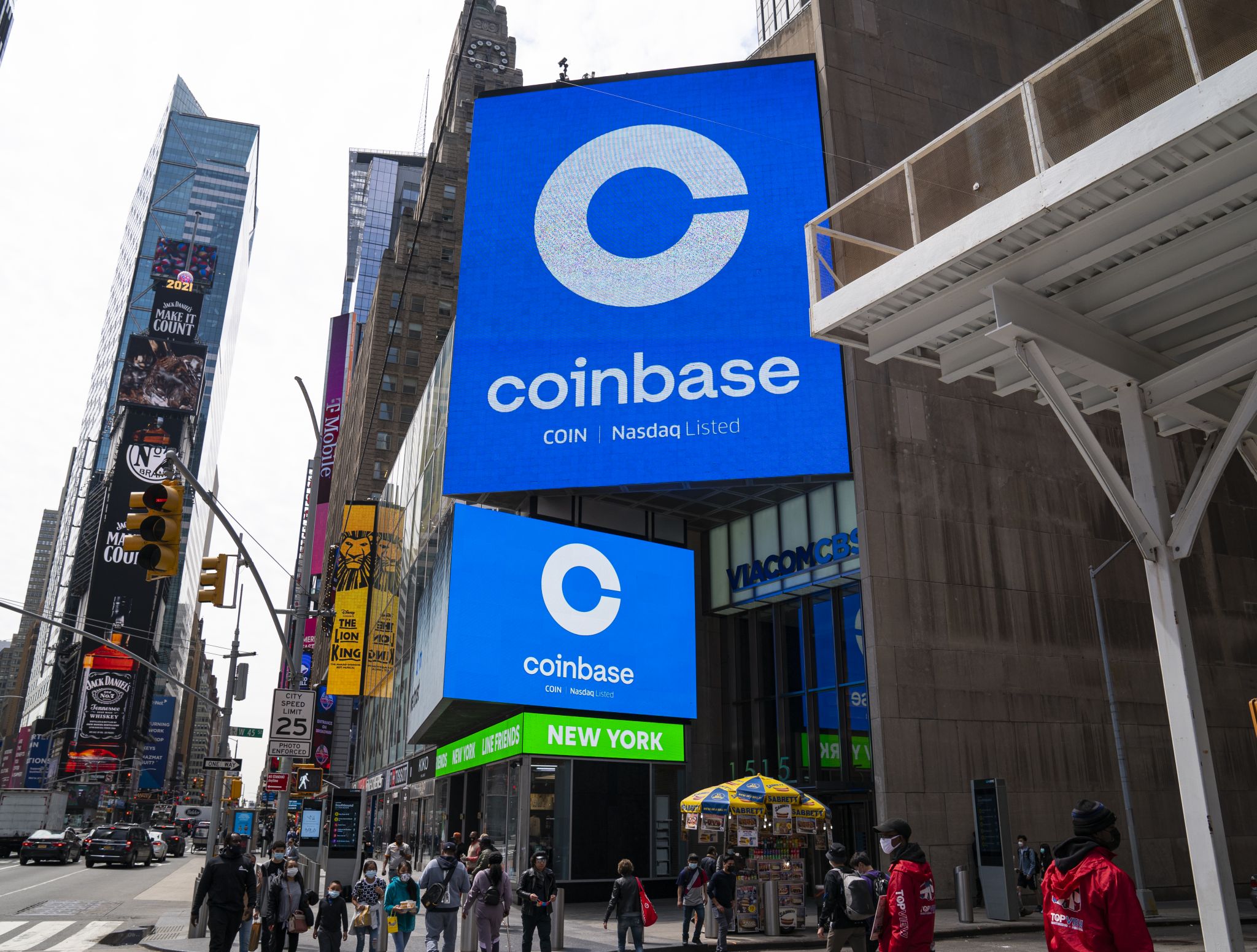
The Evolution of Coinbase’s Corporate Identity
To understand where Coinbase is today, we must first look at its origins. Founded in June 2012 by Brian Armstrong and Fred Ehrsam, Coinbase began its journey in an apartment in San Francisco. At the time, being located in Silicon Valley was essential for attracting venture capital and tech talent.
The San Francisco Era
For nearly a decade, 1 Market Street in San Francisco served as the nerve center for the burgeoning crypto economy. This physical location provided a sense of legitimacy to a technology that many in the traditional financial sector viewed with skepticism. From this base, Coinbase grew from a niche Bitcoin wallet into a publicly traded behemoth. However, as the company matured and the COVID-19 pandemic reshaped global work cultures, the leadership realized that a centralized office was antithetical to the decentralized nature of the assets they traded.
The Shift to Remote-First
In May 2021, shortly after its direct listing on the Nasdaq, Coinbase officially closed its San Francisco headquarters. This was a bold strategic move. By declaring itself “remote-first,” Coinbase signaled that its workforce would be distributed globally, with no primary office serving as the company’s heart. While this move was partly a response to the pandemic, it was primarily a philosophical choice. If Coinbase was building a decentralized financial system for the world, it made sense for the company itself to be decentralized.
Legal Incorporation: Delaware
While Coinbase may not have a physical headquarters for its employees, it must still exist as a legal entity. Like many major American corporations, Coinbase Global, Inc. is incorporated in the state of Delaware. This is a common practice in the world of business finance due to Delaware’s business-friendly laws and its specialized Court of Chancery. For an investor, this means that while the CEO might be working from a remote location, the legal framework governing the company’s corporate actions is rooted in U.S. law.
Why “Location” Matters for Financial Security and Regulation
For anyone holding significant capital on a crypto exchange, the “location” of the company is intrinsically linked to the safety of their funds. In the world of money and investing, geography often dictates the level of consumer protection and regulatory oversight a user receives.
Navigating the U.S. Regulatory Patchwork
Although Coinbase is “remote-first,” its operations are heavily concentrated within the United States regulatory framework. This is a key differentiator for investors who prioritize security. Coinbase is registered as a Money Services Business with FinCEN and is required to comply with the Bank Secrecy Act and anti-money laundering (AML) laws.
Furthermore, because Coinbase operates across various states, it must maintain individual money transmitter licenses in each jurisdiction. This includes the highly coveted and notoriously difficult-to-obtain BitLicense from the New York State Department of Financial Services (NYDFS). For the user, the “location” of Coinbase is effectively “everywhere it is licensed,” ensuring that there is a legal recourse and a governing body overseeing their transactions.
International Hubs and Global Compliance
As a global financial tool, Coinbase has expanded its footprint far beyond U.S. borders. The company maintains significant presences in the United Kingdom, Ireland, and Germany. By establishing entities like Coinbase Ireland Limited, the company can serve European customers under the regulations of the European Union. These regional hubs are not just administrative offices; they are strategic “locations” that allow Coinbase to tap into different banking systems and liquidity pools, providing users with faster deposits and withdrawals in local currencies like the Euro or British Pound.

The Role of Jurisdictional Safety
In the history of cryptocurrency, many exchanges have collapsed after operating out of “offshore” jurisdictions with little to no oversight. By choosing to remain rooted in high-regulation zones (the US and EU) despite its remote-first policy, Coinbase positions itself as a “safe haven” for institutional and retail money. For the serious investor, the fact that Coinbase is located—legally and regulatorily—within the reach of the SEC and other major watchdogs is a vital component of their risk management strategy.
Where is the Money? Digital Presence and Custody Infrastructure
When a user asks “where is Coinbase located,” they are often subconsciously asking: “Where is my money kept?” In a digital financial system, the answer isn’t a bank vault, but a sophisticated network of digital and physical security protocols.
Cold Storage and Geographic Redundancy
Coinbase manages billions of dollars in digital assets. To protect these assets, they utilize “cold storage”—keeping the vast majority of user funds offline and disconnected from the internet. However, these digital keys aren’t just sitting on a single USB drive in a drawer.
Coinbase employs geographic redundancy for its custody services. This means the sensitive data and private keys required to access funds are split and stored in secure, physically protected vaults around the world. These locations are undisclosed for security reasons, but they represent the true “physical location” of the value stored on the platform.
Data Centers and Infrastructure
The software that powers Coinbase’s trading engine lives in the cloud, primarily through Amazon Web Services (AWS). While this might seem abstract, it means the “location” of the exchange’s functionality is distributed across multiple data centers. This ensures that even if one region faces a power outage or a natural disaster, the financial tool remains accessible to users worldwide. For a high-frequency trader or a retail investor, this digital “location” is more important than a corporate office because it guarantees uptime and liquidity.
The Coinbase Custody Trust Company
For institutional investors, the “location” of their assets is even more specific. Coinbase operates the Coinbase Custody Trust Company, which is a fiduciary under the New York Banking Law. This entity is physically and legally situated in New York, providing a level of institutional-grade security that allows pension funds and large corporations to invest in crypto with the same confidence they would have in a traditional New York bank.
Investing in a Borderless Financial World
The shift from a physical headquarters to a remote-first, decentralized model reflects the broader trend in personal finance and online income. As we move toward a globalized economy, the traditional barriers of “location” are being dismantled.
The Advantage of a Distributed Workforce
By not being tied to a single location, Coinbase can hire the best financial and technical talent from across the globe. For the company’s financial health, this is a major advantage. It reduces overhead costs associated with expensive real estate in tech hubs and allows for 24/7 operational coverage. For the investor in Coinbase stock (COIN), this lean, global approach is a key part of the company’s long-term scalability and profitability.
The Future of “Location” in DeFi
Coinbase is increasingly bridging the gap between centralized finance (CeFi) and decentralized finance (DeFi). In the world of DeFi, “location” truly does not exist; the protocols live on the blockchain. Through the Coinbase Wallet and its integration with various networks, Coinbase is teaching its users how to navigate a world where financial tools are governed by code rather than by the laws of a specific country. This is the ultimate evolution of the “where is it located” question—a future where your financial agency is portable and independent of any single geographic point.

Conclusion: A Global Institution for a Digital Age
So, where is Coinbase located? Legally, it is a Delaware corporation. Regulatorily, it is a licensed entity in dozens of U.S. states and several international jurisdictions. Physically, its “location” is the aggregate of its thousands of remote employees and its highly secure, geographically distributed data centers and cold-storage vaults.
For the modern investor, this lack of a singular “home” is not a sign of instability, but a sign of strength. It reflects a company that is purpose-built for the 21st century—agile, compliant, and global. Whether you are using Coinbase to build a side hustle through crypto rewards, managing a high-net-worth portfolio, or simply exploring the future of money, understanding its decentralized nature is essential. In the new economy, the most important financial institutions aren’t found on a map; they are found on the network.
aViewFromTheCave is a participant in the Amazon Services LLC Associates Program, an affiliate advertising program designed to provide a means for sites to earn advertising fees by advertising and linking to Amazon.com. Amazon, the Amazon logo, AmazonSupply, and the AmazonSupply logo are trademarks of Amazon.com, Inc. or its affiliates. As an Amazon Associate we earn affiliate commissions from qualifying purchases.