
In the modern experience economy, entertainment is no longer just a leisure activity; it is a significant financial investment. Whether it is a high-profile concert tour, a championship sporting event, or a premier theater production, the cost of entry has risen dramatically over the last decade. Within this landscape, “presale tickets” have emerged as one of the most vital financial tools for savvy consumers.
Understanding what presale tickets are—and how to navigate the complex ecosystem surrounding them—is essential for anyone looking to optimize their personal finance while maintaining a high quality of life. From a financial perspective, a presale is an exclusive window of opportunity that allows a specific group of buyers to purchase tickets before the general public. By participating in these early windows, consumers can bypass the volatility of the secondary market and secure assets at their base valuation.
The Economics of the Presale: Understanding the Financial Mechanism
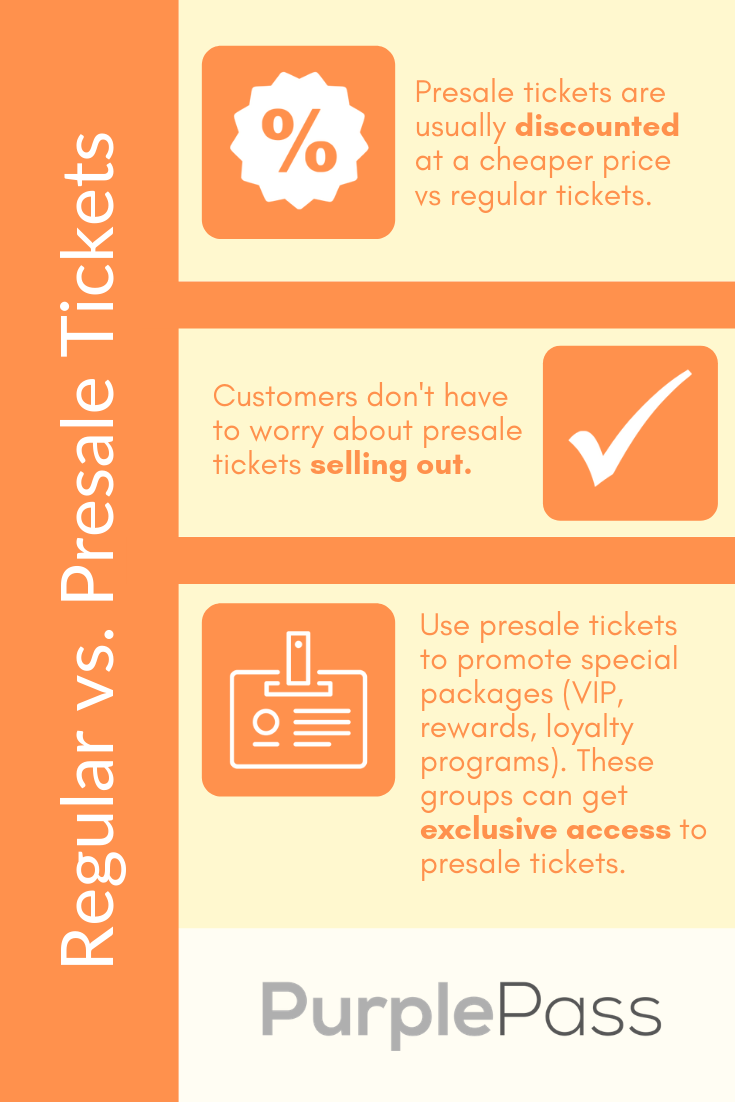
To understand the value of a presale, one must first understand the market dynamics of the ticketing industry. At its core, the ticketing market functions on the principles of extreme scarcity and time-sensitive demand. Presales serve as a controlled release of inventory designed to reward loyalty and manage cash flow for event organizers.
Supply and Demand Dynamics in the Ticketing Industry
In a standard market, supply and demand eventually reach an equilibrium price. However, in the entertainment world, the “primary market” price (the face value set by the artist or venue) is often significantly lower than the “market-clearing” price (what people are actually willing to pay). This discrepancy creates a massive financial incentive for early access.
Presale tickets represent a “privileged supply.” By limiting the number of people who can bid on a specific set of seats, the seller reduces the immediate competition. For the consumer, this is a strategic move to lock in a price before the general sale, where a surge in demand often triggers “dynamic pricing” algorithms that can double or triple the cost of a seat in real-time.
Direct-to-Consumer Financial Models for Artists and Venues
From the perspective of the business entity—be it an artist, a sports team, or a venue—presales are a sophisticated financial management tool. By selling a portion of tickets months in advance, these entities can secure upfront capital, which improves their liquidity and helps fund the production costs of the event itself.
Furthermore, presales allow businesses to segment their customers based on their “lifetime value.” Instead of a first-come, first-served free-for-all, they can prioritize customers who have already invested in their ecosystem (through fan clubs or specific credit card partnerships). This targeted distribution ensures that the most financially committed “shareholders” of the brand get the first opportunity to transact.
Strategic Financial Benefits of Participating in Presales
For the individual, engaging in the presale market is a matter of proactive financial planning. It is the difference between purchasing a retail product and being forced to buy that same product at a premium from a third-party reseller.
Avoiding the “Secondary Market Tax”: Beating Price Gouging
The secondary ticket market is a multi-billion dollar industry built entirely on the “spread”—the difference between the original price and the resale price. When a general sale sells out instantly, consumers are forced onto platforms where tickets are marked up by 50% to 500%.
Accessing a presale is the most effective way to avoid this “secondary market tax.” By securing a ticket at the primary price, you are essentially protecting your net worth from unnecessary erosion. In many cases, the money saved by participating in a presale for a major event can equal the cost of an entire second ticket, effectively providing a 50% discount compared to the eventual market rate.
Budgeting and Financial Planning for High-Demand Events
High-demand events are often announced with very little lead time before the general sale. Presales provide a structured window that allows for better financial preparation. Because many presales require specific codes or memberships, they force the consumer to do their due diligence early.
From a personal finance standpoint, this encourages a “sinking fund” approach to entertainment. Instead of an impulsive, high-stress purchase during a general sale where price points are unpredictable, a presale buyer knows exactly when the transaction will occur and can budget accordingly. It eliminates the financial stress of “guessing” what the final cost will be on a resale site weeks later.
Methods for Unlocking Financial Advantage (How to Get Access)

Gaining access to a presale is rarely a matter of luck; it is a matter of financial positioning. There are several specific avenues through which a consumer can leverage their existing financial habits to gain early access.
Credit Card Perks and Financial Partnerships
Some of the most powerful presale opportunities are tied to high-tier financial products. Major credit card issuers like American Express, Chase, and Citi often negotiate exclusive presale windows for their cardholders. These partnerships are a form of “value-add” for the consumer’s annual fee.
If you are already paying for a premium credit card, not utilizing its presale access is leaving money on the table. These financial institutions buy up blocks of tickets or negotiate early windows specifically to provide their clients with a “barrier to entry” against the general public. For the cardholder, this is a tangible ROI on their credit card choice, providing access to “Platinum” or “Preferred” seating that is never even offered to the general public.
Fan Clubs and Subscription-Based ROI
Many artists utilize a subscription model to manage their core audience. By paying a small annual fee to a fan club, members receive a unique presale code. While some may see this as an unnecessary expense, a cold financial analysis often proves otherwise.
If a fan club membership costs $50 a year, but it allows you to buy two tickets at $150 each instead of $400 each on the secondary market, your ROI is nearly 900%. In this context, the fan club fee is not a cost; it is an insurance premium that protects you from market volatility.
The Business of Resale: Presales as a Side Hustle Opportunity
While many buyers seek presale tickets for personal use, there is a significant segment of the market that views them as an asset class. For those interested in online income and side hustles, the presale market offers a unique opportunity for arbitrage.
Identifying High-Margin Events
Professional ticket resellers—often referred to as “brokers”—specialize in identifying the delta between the presale price and the predicted secondary market value. This requires a deep understanding of market trends, artist popularity, and venue capacity.
By gaining access to presales for “blue-chip” events (such as a Taylor Swift tour or the Super Bowl), an individual can purchase an asset that is almost guaranteed to appreciate in value the moment the general sale concludes. This is a high-turnover financial strategy where liquidity is realized quickly.
Risk Management in the Digital Ticket Market
Like any investment, “spec-buying” tickets during a presale carries risk. If an event is over-hyped or if the artist adds too many additional dates, the supply might exceed demand, causing prices to crash below the original purchase price.
Successful financial players in this space use risk management strategies. They diversify their “portfolio” of tickets across different genres and dates and never invest money they cannot afford to lose. They also account for “platform fees” (the 10-20% cut taken by resale sites), ensuring that their profit margins are wide enough to remain in the black after all transaction costs are deducted.
Maximizing Your Financial Return on Entertainment Spending
Ultimately, the goal of understanding presale tickets is to ensure that your entertainment spending is as efficient as possible. In an era of high inflation, every dollar saved on a “want” is a dollar that can be redirected toward a “need” or an investment account.
Leveraging Technology to Secure Lower Prices
To win in the presale game, you must treat it with the same seriousness as a stock trade. This involves setting up alerts, using “verified fan” registration systems to prove you aren’t a bot, and ensuring your payment information is pre-loaded to avoid “cart timeouts.” In the digital economy, time is money. A thirty-second delay during a presale window can be the difference between a $100 ticket and a $500 resale ticket.

Evaluating the Opportunity Cost of Presale vs. General Sale
Every financial decision involves an opportunity cost. The “cost” of a presale is often the time spent researching codes, the potential fee for a fan club, or the requirement to hold a specific credit card. However, when weighed against the “cost” of the general sale—which includes higher stress, potential failure to secure a ticket, and the high probability of paying secondary market prices—the presale is almost always the superior financial choice.
By viewing “what are presale tickets” not just as a logistical question, but as a question of financial strategy, consumers can take control of their spending. Whether you are a fan looking to save money or an entrepreneur looking for a side hustle, mastering the presale market is a vital component of modern financial literacy. In the end, the best way to grow your wealth is to stop overpaying for your experiences.
aViewFromTheCave is a participant in the Amazon Services LLC Associates Program, an affiliate advertising program designed to provide a means for sites to earn advertising fees by advertising and linking to Amazon.com. Amazon, the Amazon logo, AmazonSupply, and the AmazonSupply logo are trademarks of Amazon.com, Inc. or its affiliates. As an Amazon Associate we earn affiliate commissions from qualifying purchases.