
In the rapidly evolving landscape of personal finance, the boundary between traditional banking and digital liquidity has become increasingly blurred. Cash App, developed by Block, Inc., has emerged as a cornerstone of the modern “neo-banking” movement, offering users a seamless way to send, spend, and invest money. Central to this ecosystem is the Cash Card—a Visa debit card that allows users to access their Cash App balance in the physical world.
However, a digital wallet is only as useful as the funds within it. Understanding the various channels for loading a Cash App card is not just about convenience; it is about strategic financial management. Whether you are unbanked, underbanked, or simply a tech-savvy consumer looking to optimize your cash flow, knowing exactly where and how to fund your account is essential. This guide explores the retail, digital, and strategic dimensions of loading your Cash App card to ensure your capital is always where you need it.
The Retail Ecosystem: Where to Load Cash Instantly
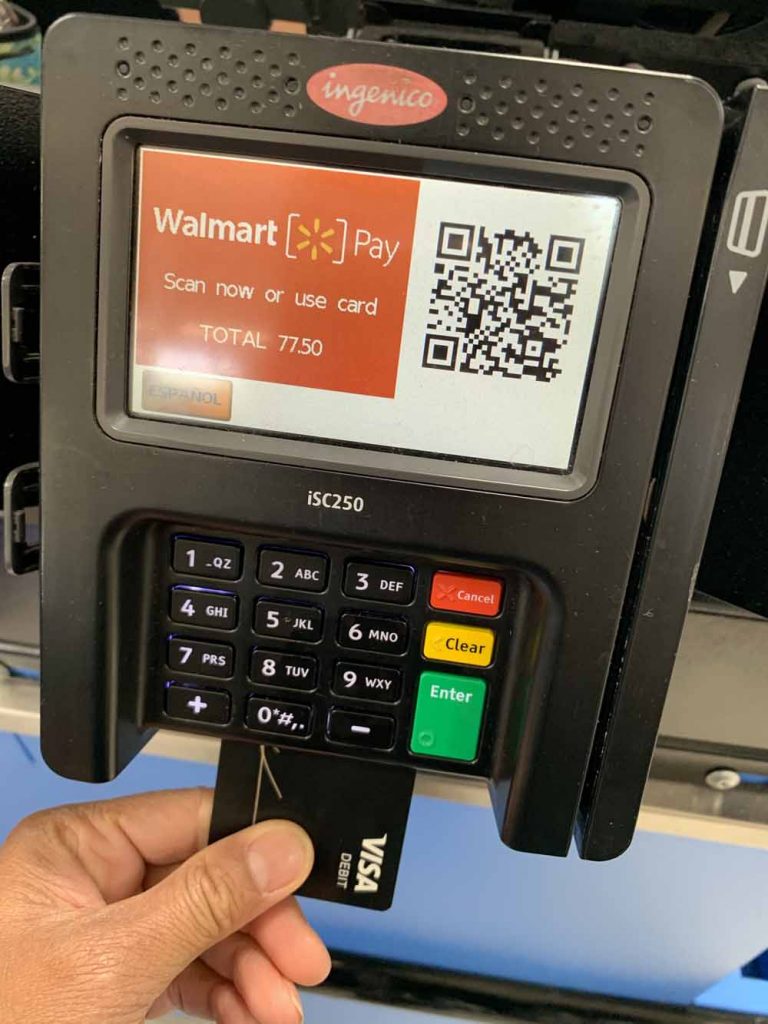
One of the most significant advantages of Cash App is its integration with physical retail locations. For individuals who receive a portion of their income in physical currency or those who prefer to keep their cash holdings liquid, retail “Paper Money” deposits are a vital tool. Cash App has partnered with a vast network of national retailers to facilitate these transactions.
National Retailers and Convenience Stores
You can load your Cash App card at a variety of high-traffic retail chains across the United States. These include:
- Walmart: Through the Customer Service desk or designated registers.
- 7-Eleven: Available at most locations 24/7.
- Walgreens and Duane Reade: Often found at the main checkout counters.
- Rite Aid: A reliable option for suburban and urban users.
- Family Dollar and Dollar General: Providing accessibility in rural and underserved areas.
- Kroger and its subsidiaries: Including Ralphs, Dillons, and Smith’s.
This extensive network ensures that regardless of your geographic location, a “human ATM” is likely within a few miles, allowing you to convert physical cash into digital currency almost instantly.
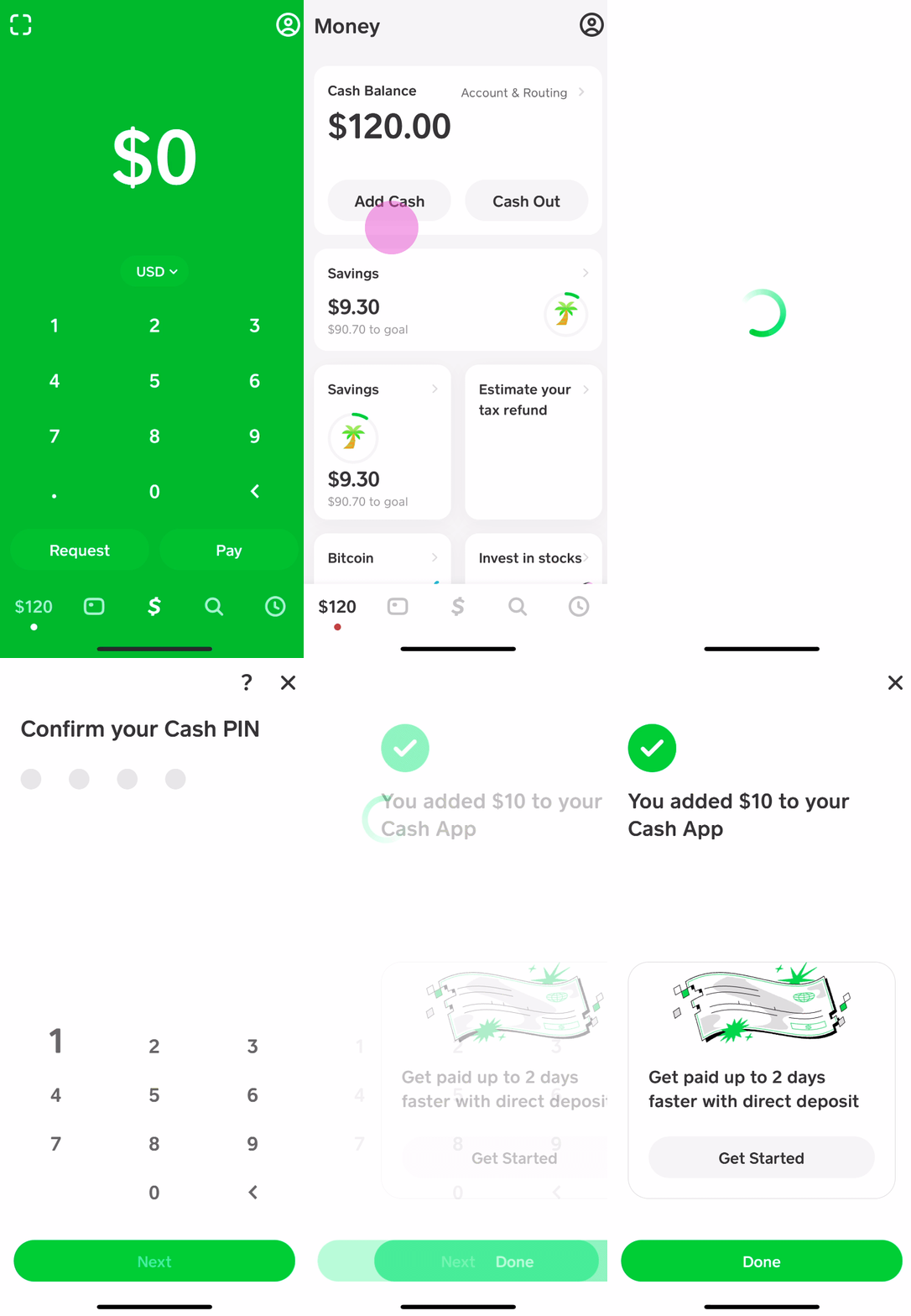
The Step-by-Step Process at the Register
To load money at a retail location, you do not simply hand over your card. The process is handled through the “Paper Money” feature within the app.
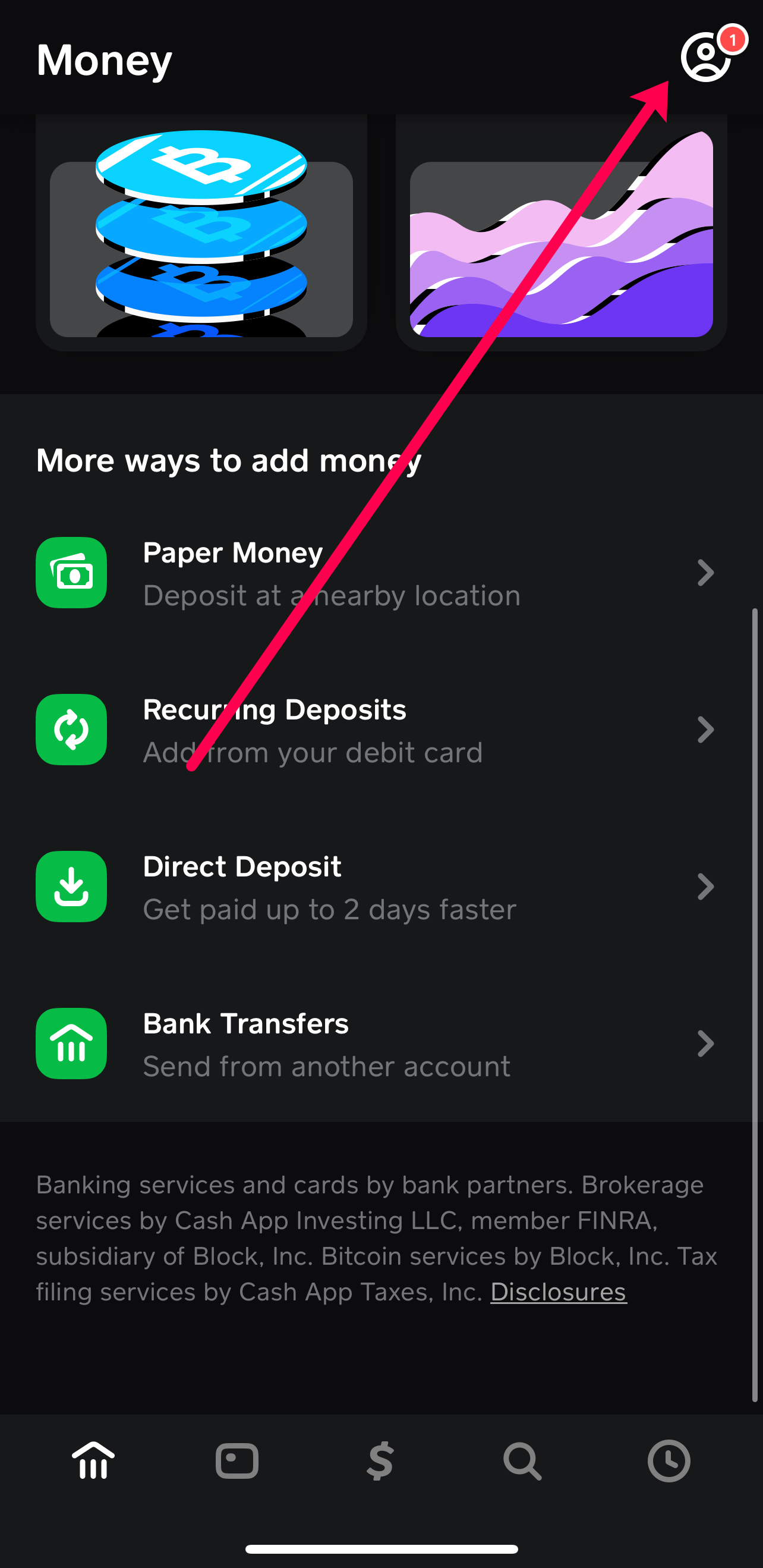
- Open Cash App and tap the Money tab on your home screen.
- Select “Paper Money.”
- Use the map to find a nearby location or simply tap “Show Barcode” if you are already at the store.
- The cashier will scan the barcode on your smartphone.
- Hand the cashier the cash you wish to deposit plus any applicable fees.
Once the transaction is processed, the funds typically appear in your balance within minutes, though you should always retain your paper receipt until the app confirms the deposit.
Associated Fees and Limits
From a financial planning perspective, it is important to account for the costs of retail deposits. Most retailers charge a flat fee—usually $1—for the service of loading your card. While this may seem nominal, frequent small deposits can erode your balance over time. Additionally, Cash App imposes limits on paper money deposits: typically $500 per transaction, $1,000 per rolling 7-day period, and $4,000 per rolling 30-day period. Managing these limits is crucial for users who rely on Cash App as their primary vehicle for financial transactions.
Digital Funding: Linking External Accounts and Direct Deposits
While retail deposits offer a physical bridge, the most efficient way to manage your Cash App balance is through digital integration. By treating Cash App as a central hub for your financial life, you can automate your savings and ensure your card is always funded for daily expenses.
Standard and Instant Transfers from Bank Accounts
The most common method for loading a Cash App card is by linking a traditional bank account or an external debit card. Cash App offers two tiers of transfers:
- Standard Transfers: These are free and typically take 1 to 3 business days to clear. This is the optimal choice for non-urgent funding and long-term budgeting.
- Instant Transfers: If you need funds immediately, you can opt for an Instant Transfer to your linked debit card. This carries a fee (usually between 0.5% and 1.75%, with a minimum fee of $0.25). From a money-management standpoint, Instant Transfers should be used sparingly to avoid unnecessary “convenience taxes” on your capital.
Optimizing Your Income with Direct Deposit
For those looking to replace traditional checking accounts entirely, Cash App provides a routing and account number. By directing your payroll, tax refunds, or government stimulus checks to these numbers, you can load your card automatically.
The primary financial benefit of this method is speed. Cash App often makes funds available up to two days earlier than traditional banks. Furthermore, having a consistent direct deposit often unlocks additional features within the app, such as free ATM withdrawals and increased borrowing limits (if eligible for Cash App Borrow).
Peer-to-Peer Transfers as a Funding Source
One cannot overlook the social aspect of Cash App. Receiving payments from friends, family, or clients for freelance work is a direct way to load your card. Unlike many traditional banking transfers, peer-to-peer (P2P) transfers within the Cash App ecosystem are instantaneous and free. For many side-hustlers and gig economy workers, this has become the preferred method for receiving small-scale business payments, which can then be spent immediately via the Cash Card.
Strategic Cash Management: Fees, Security, and Limits
Effective personal finance is as much about protecting your money as it is about moving it. When loading your Cash App card, you must remain vigilant regarding the security of your transactions and the regulatory limits that govern them.
Navigating Transaction and Loading Fees
To maximize your net worth, you must be a “fee-conscious” consumer. As mentioned, retail deposits and instant transfers carry costs. To minimize these:
- Plan your deposits in larger, less frequent increments to avoid multiple $1 retail fees.
- Anticipate your spending needs 3 days in advance to utilize free Standard Transfers rather than paid Instant Transfers.
- Monitor your app for “Cash Boosts” that might offset the cost of loading your card by providing discounts at the retailers where you deposit cash.
Daily and Monthly Deposit Boundaries
Cash App is subject to federal regulations and internal risk management policies. Users who have not verified their identity are subject to much lower limits. By completing the identity verification process (providing your full name, date of birth, and the last four digits of your SSN), you can significantly increase your ability to load and send money. This is a critical step for anyone using the platform for significant financial activity, as it ensures your “financial ceiling” is high enough to accommodate your lifestyle.
Protecting Your Assets During the Loading Process
Security is paramount when dealing with digital wallets. When loading your card at a retail location, ensure you are using the official app and never share your PIN or sign-in code with anyone—including the cashier.
Furthermore, be wary of “Cash App Flipping” scams or third parties claiming they can load your card for you at a discount. Only load money through the official retail partners listed in the app or through your own linked, verified bank accounts. Using the app’s built-in security features, such as Security Lock (requiring FaceID or a PIN for every transaction), adds an essential layer of protection to your newly loaded funds.
Maximizing the Value of Your Loaded Funds
Once you have successfully loaded your Cash App card, the focus shifts from liquidity to utility. The goal is to make every dollar on that card work harder for you than it would in a standard checking account.
Utilizing Cash Boosts for Smarter Spending
The Cash Card offers a unique feature called “Boosts.” These are merchant-specific discounts that apply instantly when you use your card. For example, you might find a 5% boost at a grocery store or a $1 discount at a coffee shop. By strategically loading your card just before making these purchases, you are essentially earning an immediate return on your deposit. This is a powerful tool for micro-budgeting and reducing daily overhead.
Diversifying Your Portfolio with Bitcoin and Stocks
Cash App is not just a spending tool; it is an investment platform. Once your card is loaded, those funds can be instantly diverted into fractional shares of stocks or Bitcoin.
From a wealth-building perspective, this allows for “frictionless investing.” If you load $100 at a Walgreens, you can immediately put $20 of that into an S&P 500 ETF or a Bitcoin position. This integration encourages consistent, small-scale investing (dollar-cost averaging), which is a proven strategy for long-term financial growth. By keeping your “spending money” and “investing money” in the same ecosystem, you reduce the psychological and technical barriers to building a portfolio.
In conclusion, knowing where to load a Cash App card is the first step in mastering a versatile financial tool. Whether you are utilizing the vast network of retail partners for cash deposits or leveraging the efficiency of direct deposits and digital transfers, the key is to act with intentionality. By minimizing fees, respecting limits, and utilizing the app’s investment and discount features, you transform a simple debit card into a comprehensive engine for personal financial success.
aViewFromTheCave is a participant in the Amazon Services LLC Associates Program, an affiliate advertising program designed to provide a means for sites to earn advertising fees by advertising and linking to Amazon.com. Amazon, the Amazon logo, AmazonSupply, and the AmazonSupply logo are trademarks of Amazon.com, Inc. or its affiliates. As an Amazon Associate we earn affiliate commissions from qualifying purchases.