
In the contemporary financial landscape, the way we interact with currency has undergone a seismic shift. The days of carrying bulky wallets filled with paper bills or writing paper checks for shared expenses are rapidly receding into the background. At the forefront of this digital revolution is Venmo, a peer-to-peer (P2P) payment service that has transformed from a simple utility into a cornerstone of personal finance management. Understanding how to send money using Venmo is no longer just a technical skill; it is a fundamental requirement for navigating the modern economy, managing side hustles, and maintaining financial fluidity in a socially connected world.

The Evolution of Peer-to-Peer Payments in Personal Finance
The emergence of Venmo represents a broader trend in financial technology (FinTech) where the friction of moving money is being systematically removed. To understand its role in your personal financial toolkit, one must first look at how it bridges the gap between traditional banking and the immediate needs of the digital consumer.
From Cash to Digital Wallets
For decades, the “settling up” of small debts—splitting a dinner bill, paying a roommate for rent, or chipping in for a group gift—was a logistical hurdle. It required physical proximity and the exact change. Digital wallets changed this by allowing users to store value in a cloud-based account, linked directly to their existing banking infrastructure. Venmo’s primary contribution to personal finance was making these transactions feel less like a formal bank transfer and more like a conversation. This shift has increased the velocity of money in the micro-economy, allowing individuals to settle debts instantly rather than letting them linger as informal liabilities.
Why Venmo Became the Standard for Personal Finance
While several competitors exist, Venmo’s dominance in the North American market is attributed to its integration of social proof and financial utility. From a money management perspective, it provides a transparent ledger of casual expenditures. For the user, it serves as a secondary liquidity pool. Money held in a Venmo balance can be repurposed for other P2P payments or transferred back to a traditional savings account, creating a flexible ecosystem for managing “discretionary” income.
Navigating the Venmo Ecosystem: Setup and Security
Before sending your first dollar, it is essential to understand the underlying financial architecture of the platform. How you fund your transactions significantly impacts your personal bottom line, particularly regarding fees and interest.
Linking Bank Accounts vs. Credit Cards: Understanding the Cost Basis
One of the most critical financial decisions a Venmo user makes is choosing their primary funding source. Venmo allows users to link bank accounts, debit cards, and credit cards.
- Bank Accounts and Debit Cards: For the cost-conscious user, these are the preferred methods. Sending money via a bank account or a major debit card is generally free of transaction fees. This is ideal for routine personal finance tasks like paying rent or splitting groceries.
- Credit Cards: Venmo charges a 3% fee for payments sent using a linked credit card. From a financial planning perspective, this is often an inefficient way to move money unless the user is trying to meet a minimum spend requirement for a sign-up bonus—though even then, the 3% “tax” on the transaction often outweighs the rewards earned. Furthermore, some card issuers treat Venmo transfers as “cash advances,” which can incur even higher interest rates and immediate fees.
Safeguarding Your Financial Data in a Connected World
Because Venmo is a gateway to your primary bank account, digital security is synonymous with financial security. A professional approach to using Venmo involves more than just setting a password. Users should implement multi-factor authentication (MFA) and utilize the app’s privacy settings to ensure their transaction history isn’t broadcast to the public. In the world of personal finance, privacy is a layer of protection against social engineering scams that target users based on their visible spending habits.
The Mechanics of Sending Money: Step-by-Step and Fee Structures
Once the infrastructure is in place, the actual act of sending money is straightforward, yet it requires attention to detail to avoid costly errors.
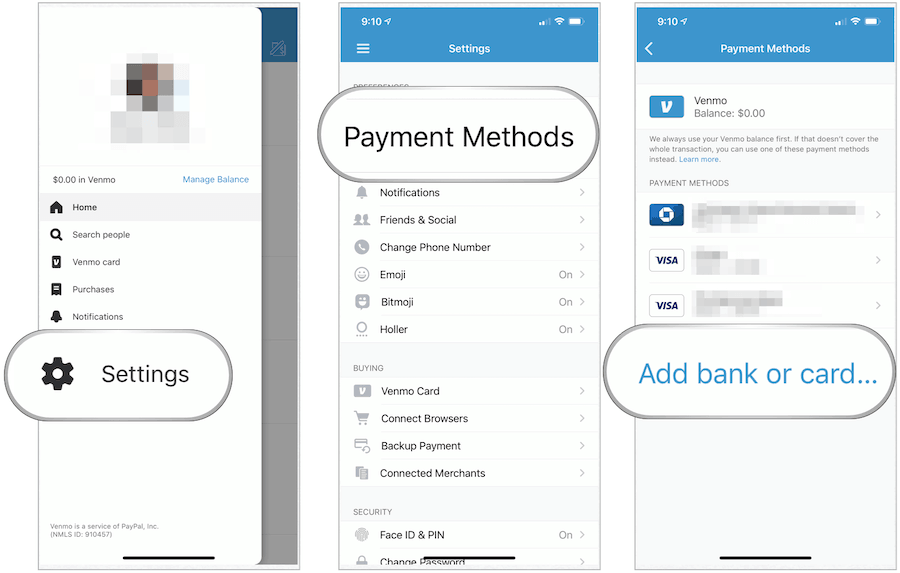
Executing Your First Transaction
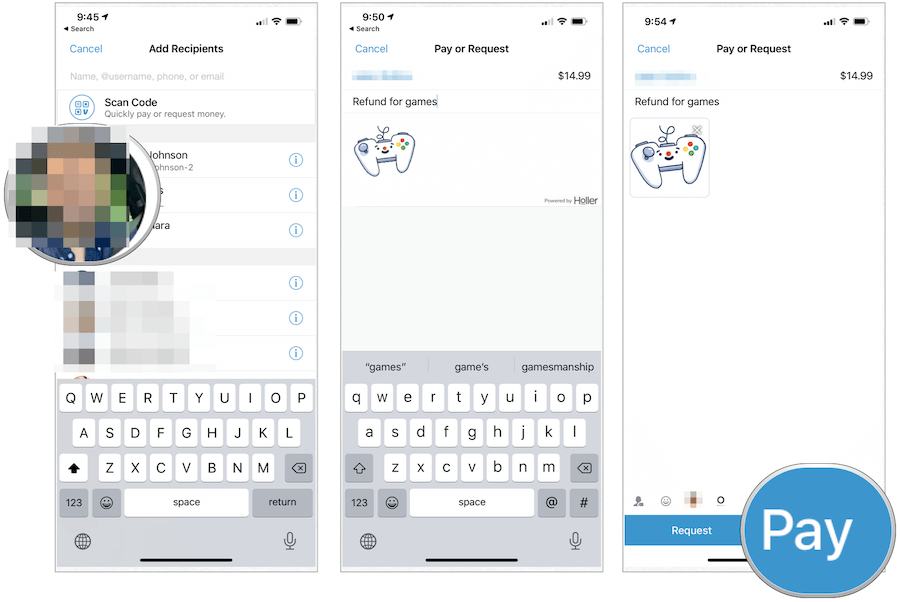
To send money, you simply tap the “Pay/Request” button, search for the recipient’s username (or scan their QR code), and enter the amount. The “Note” field is not just for emojis; for those who use Venmo for serious money management, it serves as a memo line for tracking expenses. Once you confirm the payment, the funds are immediately deducted from your Venmo balance or your linked funding source. It is important to note that once a payment is sent to a verified user, it is generally permanent. Unlike a credit card chargeback, reversing a P2P payment is difficult, making it vital to double-check recipient handles before hitting “Pay.”
Standard vs. Instant Transfers: Time is Money
When you receive money or want to move funds from your Venmo balance to your bank, you face a choice between a Standard Transfer and an Instant Transfer.
- Standard Transfer (Free): This uses the ACH (Automated Clearing House) network. It typically takes 1–3 business days to complete. For those with a disciplined budget and healthy cash flow, this is the optimal choice.
- Instant Transfer (Fee-based): If you need the funds immediately, Venmo offers a transfer to eligible debit cards or bank accounts within minutes. This service comes with a fee—currently 1.75% of the transfer amount (with a minimum and maximum cap). While convenient, frequent use of instant transfers can nibble away at your savings. Over a year, these small percentages can add up to a significant amount of lost capital.
Transaction Limits and Identity Verification
To comply with federal regulations, Venmo imposes limits on how much money can be sent and transferred. Unverified users have much lower weekly limits. By completing the identity verification process—providing your Social Security Number and other identifying details—you can increase your spending limits significantly. This is a crucial step for users who intend to use the platform for larger financial obligations, such as monthly rent payments or major purchases.
Venmo for Business and Tax Implications
As the gig economy grows, Venmo has expanded beyond personal use into the realm of business finance. This transition brings about a new set of rules regarding fees and taxation.
Managing Side Hustle Income via Venmo Business
For freelancers, small business owners, and those with side hustles, Venmo offers “Business Profiles.” Using a personal account for business transactions is a violation of Venmo’s terms of service and can lead to account suspension. Business profiles allow you to accept payments for goods and services, but they come with a transaction fee (similar to credit card processing fees). This fee covers the cost of “Purchase Protection,” providing a layer of security for the buyer and a professional interface for the seller.
Understanding IRS Form 1099-K Requirements
One of the most significant shifts in the P2P landscape involves tax reporting. Under current IRS guidelines, third-party settlement organizations (like Venmo) are required to report certain gross payments for goods and services. If you use Venmo Business to collect income, you will likely receive a Form 1099-K if your transactions exceed the federal threshold. It is imperative for users to distinguish between “Friends and Family” payments (which are not taxable) and “Goods and Services” payments (which are). Misclassifying these can lead to complications during tax season and potential audits.
Strategic Financial Management Using P2P Tools
Beyond the basic functionality, Venmo can be a powerful tool for optimizing your overall financial health when used strategically.
Budgeting and Expense Splitting Efficiency
The ability to split expenses in real-time prevents the accumulation of “social debt.” By using the “Split” feature on transactions, users can ensure they are reimbursed immediately for shared costs. For those using budgeting software like YNAB or Mint, Venmo transactions can be synced or exported, allowing for a granular view of where money is going. Treating Venmo as a legitimate ledger rather than a “hidden” pool of money is key to accurate financial tracking.
Avoiding Common Financial Pitfalls and Scams
Because Venmo transactions are near-instant and difficult to reverse, the platform is a target for financial bad actors. Common scams include the “accidental transfer” scam, where a stranger sends you money and asks for it back, only to have their original payment (usually made with a stolen card) cancelled later, leaving you out of your own funds. Professional money management requires a skeptical eye: never use Venmo to pay strangers for items outside of the “Business” protection umbrella, and never send money to someone you do not know personally unless you are prepared to lose that capital entirely.
In conclusion, Venmo has evolved from a simple app into a sophisticated financial instrument. By understanding the nuances of funding sources, fee structures, tax implications, and security protocols, users can leverage this tool to enhance their financial agility. Whether you are splitting a pizza or managing a burgeoning side business, the key to mastering Venmo lies in treating every digital transfer with the same diligence and care as you would a traditional bank transaction. In the digital age, being “money smart” means being “app smart.”
aViewFromTheCave is a participant in the Amazon Services LLC Associates Program, an affiliate advertising program designed to provide a means for sites to earn advertising fees by advertising and linking to Amazon.com. Amazon, the Amazon logo, AmazonSupply, and the AmazonSupply logo are trademarks of Amazon.com, Inc. or its affiliates. As an Amazon Associate we earn affiliate commissions from qualifying purchases.