
In the contemporary financial landscape, the phrase “Venmo me” has become as common as “Google it.” As physical cash continues its slow decline into obsolescence, digital wallets and peer-to-peer (P2P) payment platforms have stepped in to fill the void. Venmo, owned by PayPal, stands at the forefront of this revolution, serving not just as a tool for splitting pizza bills, but as a sophisticated financial instrument for personal and business liquidity. Understanding how to pay someone with Venmo is merely the starting point; mastering the platform requires a deep dive into its fee structures, security protocols, and its role in a broader personal finance strategy.

Establishing Your Digital Financial Hub: Setup and Security
Before sending your first dollar, you must treat Venmo like any other high-stakes financial account. In the world of personal finance, the security of your “entry points”—the apps that connect to your bank accounts—is paramount. Venmo acts as a bridge between your traditional banking institution and the digital marketplace, making the initial setup phase the most critical step for your financial health.
Linking Assets and Understanding Liquidity
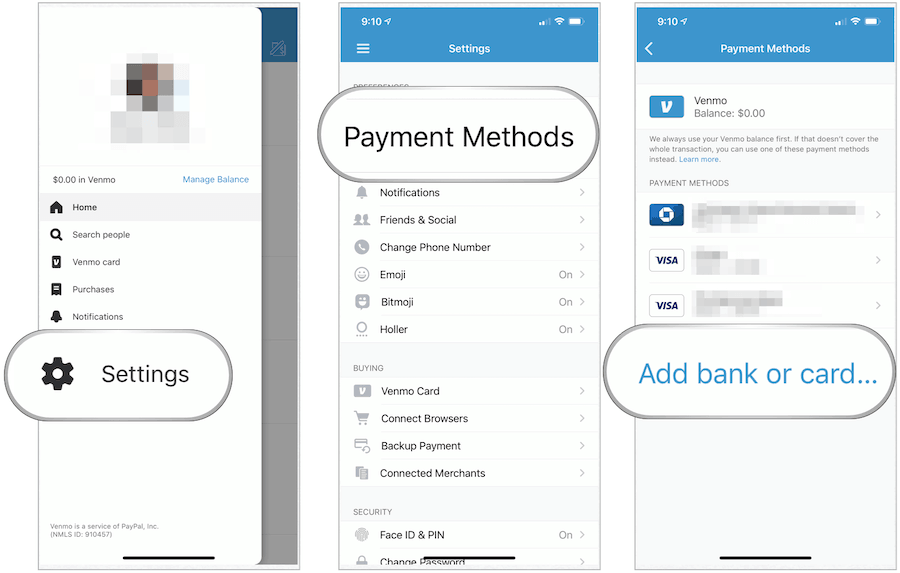
To pay someone, you must first source the funds. Venmo allows you to link three primary types of financial instruments: bank accounts, debit cards, and credit cards. From a money management perspective, the choice of source is vital. Linking a bank account via the ACH (Automated Clearing House) network is generally the most cost-effective method for personal use, as it avoids the processing fees associated with credit cards. Debit cards offer similar benefits but provide a faster “pull” of funds. Understanding which asset to link depends on your current cash flow needs and whether you prefer the immediate deduction of a debit card or the structured settlement of a bank transfer.
Implementing Multi-Layered Financial Security
In the “Money” niche, protecting capital is the first rule of growth. Venmo offers several security features that are often overlooked by casual users. Beyond a strong, unique password, users should enable Multi-Factor Authentication (MFA) and biometric locks (FaceID or Fingerprint). Furthermore, Venmo’s privacy settings are a financial consideration, not just a social one. By setting your transactions to “Private,” you prevent the public from seeing who you are paying and how frequently—data that could potentially be used by bad actors to map your financial habits or target you for social engineering scams.
Verifying Your Identity for Expanded Limits
To prevent money laundering and ensure compliance with federal “Know Your Customer” (KYC) regulations, Venmo imposes strict limits on unverified accounts. For those looking to use the app for significant financial transactions, such as paying monthly rent or high-value service providers, identity verification is necessary. This involves providing your Social Security Number (SSN) and confirming your legal address. Once verified, your weekly rolling limit for sending funds increases significantly, often from a few hundred dollars to several thousand, allowing Venmo to function as a primary tool for your monthly expenditures.
Executing Transactions: The Mechanics of Modern P2P Payments
The core functionality of Venmo is the transfer of value. While the interface is designed for ease of use, there are financial nuances to every transaction that users must navigate to ensure funds reach the intended recipient without friction or unnecessary cost.
Finding and Confirming the Recipient
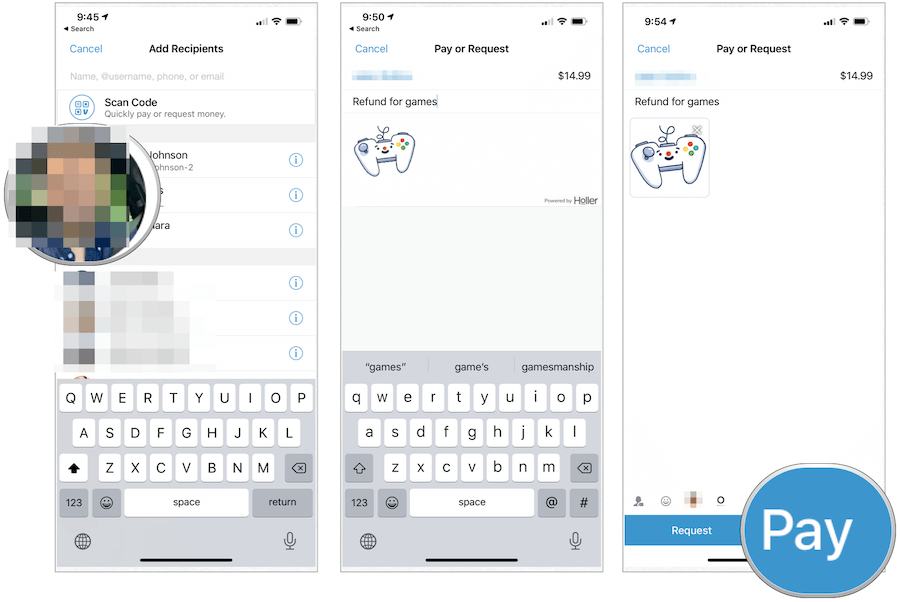
One of the greatest risks in digital finance is “fat-finger syndrome”—the act of sending money to the wrong person due to a typo. To pay someone, you navigate to the “Pay/Request” button and search for their username (@handle), email, or phone number. However, the safest financial practice is to use the unique Venmo QR code. If you are paying someone in person, scanning their code eliminates the risk of an accidental transfer to a stranger with a similar name. If you are paying remotely, many savvy users send a $1 “test” payment first to confirm receipt before sending larger sums, a strategy that protects your principal.
The Importance of Transactional Documentation
Every Venmo payment requires a note. While many users use emojis or jokes, from a professional finance perspective, these notes serve as a digital ledger. If you are using Venmo for deductible expenses—such as paying a freelance designer or a business consultant—your note should be descriptive (e.g., “Q3 Marketing Consultation”). This creates an audit trail that can be vital during tax season. In the event of a dispute, a clear memo provides the necessary documentation to prove the intent of the payment, which is a cornerstone of responsible financial record-keeping.
Choosing the Right Funding Source at Checkout
At the moment of payment, Venmo defaults to your “Venmo Balance” if you have funds available from people who have paid you. If your balance is zero, it pulls from your primary linked source. It is important to note that using a credit card for P2P payments typically incurs a 3% fee. In the context of personal finance, this is a high cost for convenience. Always opt for a bank account or debit card to ensure that 100% of your money goes toward the debt or service rather than being lost to transaction fees.
Understanding the Financial Ecosystem: Fees, Limits, and Transfers
Venmo is not a bank; it is a money transmitter. Understanding where your money “lives” while it is in the Venmo ecosystem is crucial for managing your overall net worth and liquidity.
The “Instant Transfer” vs. Standard Transfer Dilemma
Once you receive money on Venmo, you have two choices for moving it to your bank: Standard Transfer or Instant Transfer. Standard transfers are free and typically take 1–3 business days via the ACH network. Instant transfers, however, incur a percentage-based fee (currently 1.75% with a minimum and maximum cap) and land in your bank account within minutes. From a wealth-building perspective, minimizing these fees is essential. Unless you are facing a genuine liquidity crisis, opting for the free standard transfer preserves your capital and prevents “death by a thousand cuts” through small, recurring fees.
Managing the Venmo Balance
A common financial mistake is treated the Venmo balance as a secondary savings account. Because Venmo is not a traditional bank, funds held in your balance may not always be FDIC-insured unless you have added certain features like the Venmo Debit Card. Furthermore, money sitting in a Venmo balance is not earning interest. In an environment where high-yield savings accounts (HYSAs) offer 4%–5% APY, leaving several thousand dollars in a Venmo balance represents a significant “opportunity cost.” A disciplined financial strategy involves “sweeping” your Venmo balance into your interest-bearing bank accounts at least once a week.
Navigating Business vs. Personal Profiles
In recent years, Venmo has introduced Business Profiles. This is a critical distinction for anyone with a side hustle or small business. Personal profiles are intended for gifts and splitting shared expenses. If you are receiving payment for goods or services, using a Business Profile is not just a suggestion; it’s a requirement for tax compliance. Business transactions are subject to a small seller fee, but they offer “Purchase Protection” for the buyer and ensure that your income is correctly reported via Form 1099-K if you meet the IRS thresholds. Keeping your personal and business finances separate is the first step in professional financial management.
Strategic Integration: Venmo as a Tool for Financial Optimization
Beyond the simple act of paying someone, Venmo can be integrated into a broader strategy to manage debt, track spending, and even participate in new asset classes.
Using Venmo for Debt Management and Expense Splitting
One of the most powerful features of Venmo is its ability to reduce “transactional friction” in shared living situations. For roommates or couples, Venmo’s “Split” feature allows for the precise division of utilities, rent, and groceries. By automating these requests, you ensure that your personal cash flow remains predictable and that you aren’t subsidizing others’ living expenses due to awkwardness around asking for money. In the realm of personal finance, consistent cash flow is king, and Venmo is the ultimate tool for maintaining it in social settings.
Tax Implications and the 1099-K Regulation
The IRS has recently focused heavily on P2P apps. For those earning income through Venmo, it is vital to understand that the platform is required to report gross payments for goods and services that exceed specific federal and state thresholds. As a user, you should maintain a separate spreadsheet or accounting software (like QuickBooks) that mirrors your Venmo history. This proactive approach to “tax hygiene” prevents end-of-year surprises and ensures that you are taking advantage of all eligible business deductions.
The Role of Cryptocurrency in the Venmo Wallet
Venmo has expanded its financial reach by allowing users to buy, hold, and sell cryptocurrencies like Bitcoin and Ethereum directly within the app. While this offers an easy entry point for those curious about digital assets, it should be approached with the caution of a seasoned investor. Buying crypto on Venmo is a “custodial” experience, meaning Venmo holds the keys to the assets. For a comprehensive financial plan, users must weigh the convenience of Venmo’s crypto interface against the transaction fees and the lack of traditional “cold storage” security found in dedicated hardware wallets.
The Future of Digital Wallets and Your Bottom Line
As Venmo continues to evolve, it is moving closer to becoming a full-service financial ecosystem, offering credit cards, debit cards, and even direct deposit options. For the savvy individual, the goal is to use these tools to increase financial efficiency without falling into the trap of mindless spending.
The convenience of “one-tap” payments can often lead to “lifestyle creep” or impulsive purchases. By treating Venmo not just as a social app, but as a component of your broader financial architecture, you can leverage its speed and ease-of-use while maintaining the rigors of a professional budget. Whether you are paying a friend for dinner or a contractor for a home renovation, every transaction is a movement of capital. Mastering how to pay someone with Venmo is the first step in ensuring that those movements are secure, documented, and strategically aligned with your long-term financial goals.
aViewFromTheCave is a participant in the Amazon Services LLC Associates Program, an affiliate advertising program designed to provide a means for sites to earn advertising fees by advertising and linking to Amazon.com. Amazon, the Amazon logo, AmazonSupply, and the AmazonSupply logo are trademarks of Amazon.com, Inc. or its affiliates. As an Amazon Associate we earn affiliate commissions from qualifying purchases.