
In the modern financial landscape, the line between digital wallets and traditional banking has blurred. Cash App, developed by Block, Inc., has emerged as a cornerstone of personal finance for millions of users. It is no longer just a tool for splitting a dinner bill; it is a comprehensive financial ecosystem that allows for investing, direct deposits, and even Bitcoin transactions. However, the most fundamental question for many users remains: how do you actually get your money out of the app and into your hand or your traditional bank account?
Understanding the nuances of “cashing out” is essential for effective liquidity management. Whether you need physical currency for a cash-only vendor or you want to move your side-hustle earnings into a high-yield savings account, mastering the withdrawal process is a key component of digital financial literacy.
1. Navigating Digital Transfers: Moving Money to Your Bank Account
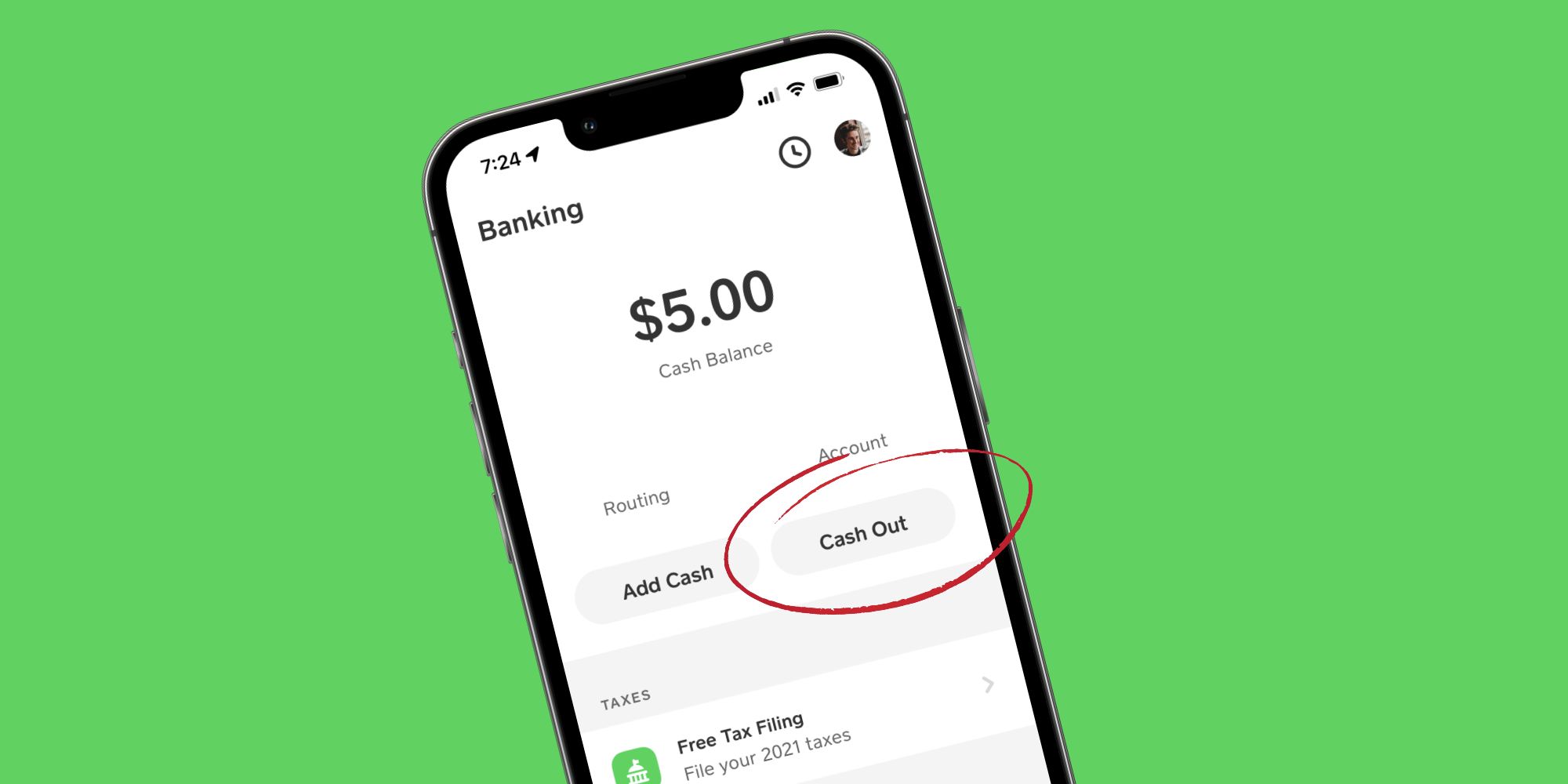
The most common way to “get cash” from Cash App is to transfer your digital balance to a linked traditional financial institution. This process, known as “Cashing Out,” offers two primary pathways, each with its own implications for your personal cash flow and fee management.
Standard Transfers vs. Instant Deposits
When you initiate a transfer to your bank, Cash App offers two speeds. The Standard Transfer is the most cost-effective method for those who practice proactive financial planning. These transfers are free and typically arrive in your bank account within one to three business days. From a personal finance perspective, this is the preferred method for non-urgent funds, as it preserves 100% of your capital.
Conversely, the Instant Deposit option is designed for immediate liquidity needs. For a fee—typically 0.5% to 1.75% of the transfer amount (with a minimum fee of $0.25)—the funds are pushed to your linked debit card instantly. While the convenience is high, frequent use of Instant Deposits can erode your savings over time. For a user transferring $1,000, a 1.75% fee represents $17.50—money that could otherwise be invested or saved.
Linking and Verifying Your Financial Infrastructure
To ensure a seamless transfer process, your underlying financial infrastructure must be correctly configured. Cash App requires a linked debit card for Instant Deposits and a linked bank account (via routing and account numbers) for Standard Transfers.
From a security and financial management standpoint, ensuring that these accounts are verified is crucial. Verification not only increases your transaction limits but also adds a layer of protection against fraud. When your accounts are properly synced, Cash App functions as a high-velocity bridge between your digital earnings and your primary wealth-building accounts.
2. Leveraging the Cash Card for Physical Cash Access
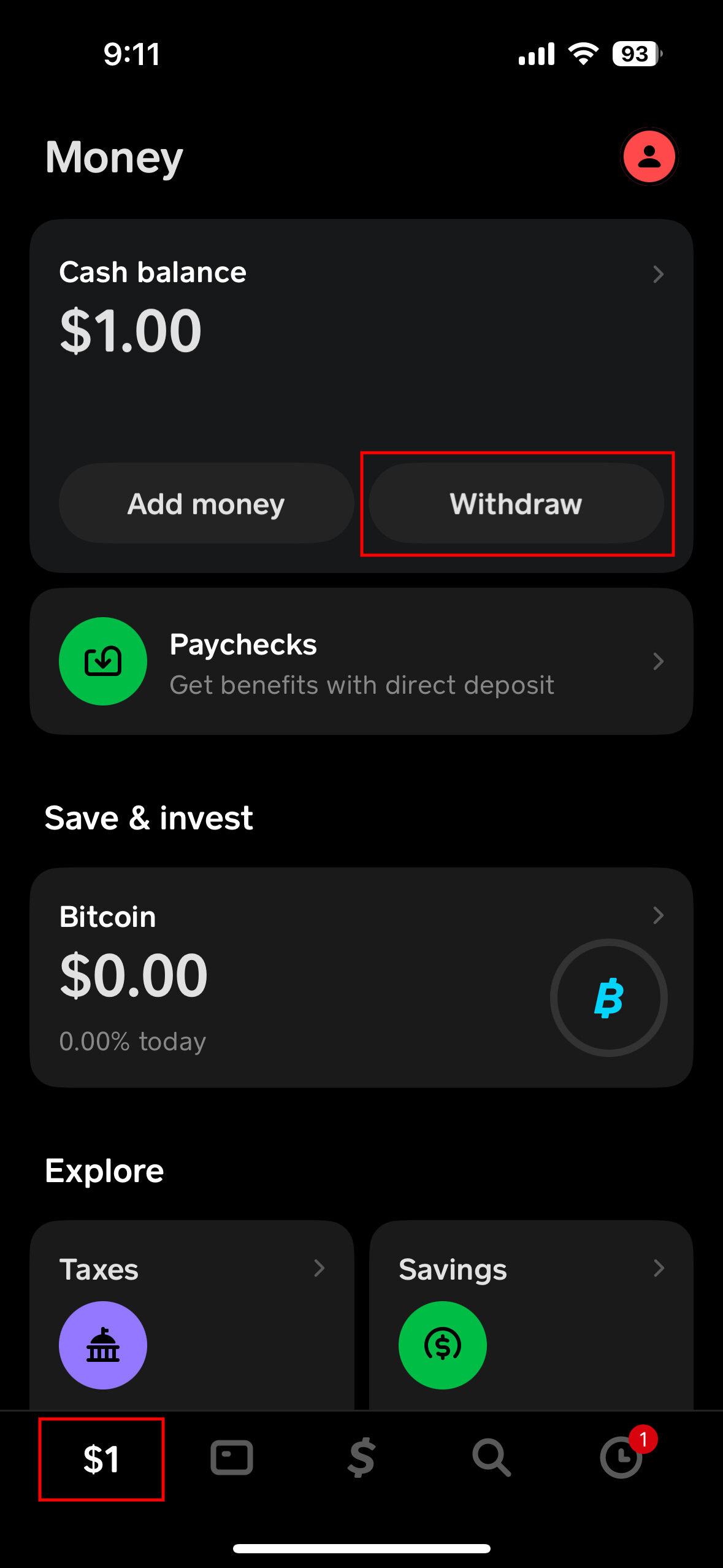
While digital transfers are efficient, there are times when physical “paper” money is a necessity. Cash App facilitates this through the Cash Card, a free, customizable Visa debit card linked directly to your Cash App balance. The Cash Card is the primary vehicle for moving money from the digital realm into the physical world.
ATM Withdrawals and Fee Mitigation
The most direct way to get physical cash is through an ATM. The Cash Card works at any ATM, but users should be aware of the costs involved. Cash App typically charges a $2.50 fee for ATM withdrawals, in addition to whatever fee the ATM operator charges.
However, savvy users can optimize this. Cash App offers ATM Fee Reimbursements for users who receive at least $300 in direct deposits into their Cash App account each month. Once you hit this threshold, Cash App will cover the fees for three ATM withdrawals every 31 days. This turns Cash App into a viable alternative to a traditional checking account, allowing you to access cash at any “out-of-network” ATM without the usual financial penalty.
The “Cash Back” Strategy at Retail Locations
A sophisticated alternative to using an ATM is the “Cash Back” method. Because the Cash Card functions as a standard Visa debit card, you can use it at grocery stores, pharmacies, and big-box retailers. By selecting “Debit” at the point-of-sale terminal and entering your PIN, you can often request “Cash Back” with your purchase.
This is a professional-grade personal finance hack: most retailers do not charge a fee for cash back. If you need $40 in cash, purchasing a small item like a pack of gum and requesting $40 back is significantly cheaper than paying $5.00 or more in combined ATM fees. This method ensures maximum liquidity with zero overhead.
3. Maximizing Financial Efficiency and Minimizing Fees
In the realm of personal finance, it is not just about how much money you make, but how much you keep. Every fee paid to a financial app is a reduction in your net worth. To get the most “cash” from Cash App, you must understand how to navigate its internal economy efficiently.
Using Cash App as a Direct Deposit Hub
One of the most effective ways to manage your money is to utilize Cash App’s direct deposit feature. By routing your paycheck or government benefits to Cash App, you unlock several financial advantages. As mentioned previously, this unlocks ATM fee reimbursements, but it also often allows you to access your funds up to two days earlier than traditional banks.
From an “Online Income” and “Side Hustle” perspective, this speed is invaluable. If you are a freelancer or gig worker, getting your cash 48 hours earlier can mean the difference between paying a bill on time or incurring a late fee. This proactive management of “float” is a hallmark of strong financial discipline.
Strategic Use of “Boosts” to Save Liquid Cash
While not a direct “withdrawal” method, Cash App Boosts are an essential tool for keeping more cash in your pocket. Boosts are instant rewards that offer discounts at specific merchants (e.g., 10% off at grocery stores or $1 off at coffee shops).
By using a Boost, you are effectively increasing your liquid cash. If you save $5 on a grocery bill using the Cash Card, that is $5 that remains in your balance—money that can later be cashed out or invested. In the context of “Online Income,” saving money is functionally equivalent to earning it. Integrating Boosts into your daily spending habits is a low-effort, high-reward strategy for capital preservation.
4. Security and Best Practices for Mobile Money Management
When dealing with digital-to-physical transfers, security is paramount. Your Cash App balance represents real-world purchasing power, and protecting it requires a professional approach to digital security.
Protecting Your Balance with Advanced Security Features
Before you even consider withdrawing cash, you must ensure your account is a fortress. Enable the “Security Lock” feature, which requires your passcode or biometric ID (FaceID/TouchID) for every transaction, including cashing out. Furthermore, enable “Activity Notifications” so you are alerted the instant any money moves in or out of your account.
In the world of “Financial Tools,” these settings are your first line of defense. If a malicious actor gains access to your phone, these hurdles prevent them from draining your balance to an external bank account or using your Cash Card at an ATM.
Identifying and Avoiding Financial Scams
As Cash App has grown in popularity, it has become a target for “cash-flipping” scams and phishing attempts. A common scam involves individuals promising to “double” your money if you send them a small amount first. From a professional “Money” perspective, it is vital to remember a fundamental rule of finance: if an investment sounds too good to be true, it is a scam.
Cash App staff will never ask for your sign-in code, PIN, or social security number outside of the app’s official verification prompts. They will never ask you to send money to “verify” your account. By maintaining a skeptical mindset and only sending money to known, trusted entities, you ensure that the cash you earn stays yours to use.
Conclusion: Mastering Your Financial Flow
Getting cash from Cash App is a straightforward process, but doing it optimally requires a strategic approach to personal finance. By understanding the difference between Standard and Instant transfers, leveraging the Cash Card for fee-free cash back, and utilizing direct deposits to unlock premium features, you transform a simple app into a powerful financial tool.
In the digital age, liquidity is king. Whether you are moving funds to a traditional bank for long-term investing or withdrawing physical currency for daily expenses, the goal is always the same: to move your money with the highest speed and the lowest cost possible. By following the strategies outlined in this guide, you can ensure that your digital balance is always accessible, secure, and working for your overall financial well-being.
aViewFromTheCave is a participant in the Amazon Services LLC Associates Program, an affiliate advertising program designed to provide a means for sites to earn advertising fees by advertising and linking to Amazon.com. Amazon, the Amazon logo, AmazonSupply, and the AmazonSupply logo are trademarks of Amazon.com, Inc. or its affiliates. As an Amazon Associate we earn affiliate commissions from qualifying purchases.