
For millions of graduates, the transition from the lecture hall to the professional world is marked by a significant financial milestone: the commencement of federal student loan repayment. While these loans represent an investment in one’s future, the complexity of the repayment system can often feel like a second job. Understanding how to pay back federal loans effectively is not just about writing a check every month; it is about strategic financial planning, leveraging government programs, and optimizing your cash flow to ensure long-term stability.
Navigating the landscape of the U.S. Department of Education’s offerings requires a blend of diligence and foresight. This guide provides a deep dive into the mechanics of federal repayment, offering a roadmap to help you move from debt-burdened to debt-free.
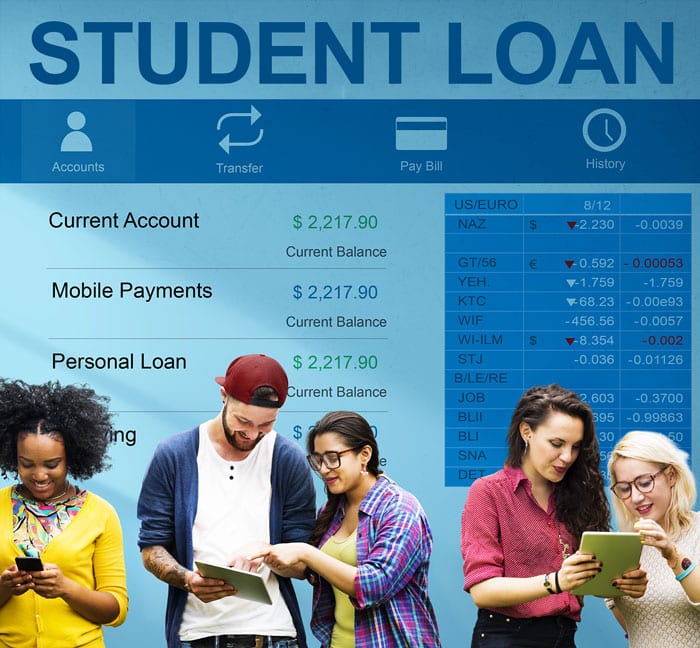
Mapping Your Debt: The Foundation of a Solid Repayment Strategy
Before you can tackle your debt, you must have a clear picture of what you owe and to whom. Unlike private loans, federal loans are managed by third-party “servicers” assigned by the government. These entities are your primary point of contact for everything from payment processing to switching plans.
Identifying Your Loan Servicer and Loan Types
The first step in any repayment journey is logging into the Federal Student Aid (FSA) website. Here, you will find your dashboard, which lists every federal loan under your name. It is crucial to distinguish between Subsidized and Unsubsidized Direct Loans. Subsidized loans do not accrue interest while you are in school or during your grace period, whereas Unsubsidized loans begin accruing interest from the moment they are disbursed. Knowing this distinction helps you prioritize which loans to target if you decide to make extra payments.
The Importance of the Grace Period
Most federal loans come with a six-month grace period after graduation, leaving school, or dropping below half-time enrollment. While it may be tempting to ignore your loans during this window, the grace period is the ideal time to organize your finances. Use these six months to build an emergency fund and research repayment plans so that when the first bill arrives, you are not caught off guard.
Navigating Repayment Plans: Choosing the Right Path for Your Income
The federal government offers a variety of repayment plans designed to accommodate different financial situations. Selecting the right one is perhaps the most critical decision you will make in your repayment journey.
Standard, Graduated, and Extended Plans
The Standard Repayment Plan is the default option. It features fixed monthly payments for up to 10 years. While it usually results in the highest monthly payment, it also ensures you pay the least amount of interest over the life of the loan.
If your current income is low but you expect it to rise steadily, the Graduated Repayment Plan might be more suitable. Payments start low and increase every two years. Conversely, if you have a high debt balance (over $30,000), the Extended Repayment Plan allows you to stretch payments over 25 years, significantly lowering the monthly requirement but increasing the total interest paid.
The Power of Income-Driven Repayment (IDR)
For those whose debt is high relative to their income, Income-Driven Repayment (IDR) plans are a financial lifeline. These plans—including the Saving on a Valuable Education (SAVE) plan, Income-Based Repayment (IBR), and Pay As You Earn (PAYE)—calculate your monthly payment based on a percentage of your discretionary income and family size.
The SAVE plan, in particular, has revolutionized federal repayment by increasing the income exemption, meaning many borrowers qualify for $0 monthly payments. Furthermore, if you make your full monthly payment under SAVE, the government covers any remaining interest that the payment didn’t touch, preventing your balance from ballooning. Most IDR plans also offer loan forgiveness on the remaining balance after 20 or 25 years of qualifying payments.
Leveraging Forgiveness and Discharge Programs

One of the greatest advantages of federal loans over private ones is the availability of loan forgiveness programs. These are designed to incentivize careers in public service or provide relief in cases of extreme hardship.
Public Service Loan Forgiveness (PSLF)
PSLF is arguably the most well-known federal assistance program. It is designed for those working in federal, state, local, or tribal government organizations or non-profit organizations. To qualify, you must make 120 qualifying monthly payments under an IDR plan while working full-time for a qualifying employer. After those ten years of service, the remaining balance on your Direct Loans is forgiven entirely tax-free. Consistency and meticulous record-keeping are key here, as you must certify your employment annually to ensure you remain on track.
Teacher Loan Forgiveness and Specialized Discharge
Educators working in low-income schools may be eligible for up to $17,500 in forgiveness after five consecutive years of service. Additionally, the government provides “discharge” options for specific circumstances, such as Total and Permanent Disability (TPD) or in cases where a school closed while the student was enrolled. While these are less common, they are vital protections that safeguard borrowers from debt they physically or legally cannot repay.
Advanced Strategies to Accelerate Your Progress
If your goal is to eliminate your debt as quickly as possible, simply following the minimum requirements of a repayment plan is rarely enough. You must be proactive and strategic with your surplus capital.
The “Debt Avalanche” vs. “Debt Snowball”
When you have multiple federal loans, you can choose how to allocate extra funds. The Debt Avalanche method focuses on paying off the loan with the highest interest rate first. This is mathematically the most efficient way to save money on interest.
The Debt Snowball method, however, focuses on paying off the smallest balance first to build psychological momentum. Because federal loans are often “grouped” by a servicer, you may need to specify that your overpayment be applied to the principal of a specific high-interest loan rather than being spread across all loans.
Utilizing Employer Contributions and Tax Deductions
Many modern employers offer student loan repayment assistance as a benefit. Under current tax laws (such as those extended by the CARES Act), employers can contribute up to $5,250 per year toward an employee’s student loans tax-free. This is “free money” that can drastically shorten your repayment timeline. Additionally, most borrowers can deduct up to $2,500 of student loan interest from their taxable income each year, providing a modest but helpful “tax shield” during the spring.
Managing Financial Hardship Without Risking Default
Life is unpredictable, and there may be times when you cannot afford even the minimum payment on an IDR plan. In these moments, it is essential to act quickly to protect your credit score and financial standing.
Deferment vs. Forbearance
Both deferment and forbearance allow you to temporarily stop making payments, but they function differently regarding interest. In Deferment (often granted for unemployment or economic hardship), the government may pay the interest on your subsidized loans. In Forbearance, interest continues to accrue on all loans and is often “capitalized” (added to the principal) once the period ends. These should be viewed as short-term fixes rather than long-term strategies.
Avoiding the Trap of Default
Defaulting on a federal loan happens after 270 days of non-payment and carries severe consequences, including wage garnishment and the loss of eligibility for future federal aid. If you find yourself slipping, contact your servicer immediately. The federal government is generally willing to work with borrowers to rehabilitate loans or consolidate them into a new Direct Consolidation Loan to get back into “Good Standing.”
Conclusion: Taking Control of Your Financial Narrative
Paying back federal loans is a marathon, not a sprint. It requires a deep understanding of the tools provided by the Department of Education and the discipline to apply them consistently. By identifying the right repayment plan, staying informed about forgiveness opportunities, and aggressively tackling principal when your budget allows, you can transform your student debt from a source of stress into a manageable part of your broader financial success.
Financial freedom is not just about the absence of debt; it is about the presence of choice. Every payment you make and every strategy you implement brings you one step closer to a future where your income belongs entirely to you. Be proactive, stay educated, and remain committed to the process—your future self will thank you.
aViewFromTheCave is a participant in the Amazon Services LLC Associates Program, an affiliate advertising program designed to provide a means for sites to earn advertising fees by advertising and linking to Amazon.com. Amazon, the Amazon logo, AmazonSupply, and the AmazonSupply logo are trademarks of Amazon.com, Inc. or its affiliates. As an Amazon Associate we earn affiliate commissions from qualifying purchases.