
In the rapidly evolving landscape of personal finance, the bridge between physical currency and digital assets has become a critical focal point for consumers. Cash App, developed by Block, Inc., has transformed from a simple peer-to-peer (P2P) payment service into a robust financial ecosystem. For many users, the Cash Card—a customizable Visa debit card linked to their Cash App balance—serves as their primary tool for daily transactions. However, a common challenge remains: how does one move physical “paper money” into this digital environment?
Understanding where and how to load your Cash App card is more than just a logistical necessity; it is a fundamental aspect of modern cash management. This guide explores the various retail locations, digital methods, and financial strategies available to ensure your digital wallet remains funded and ready for use.
The Evolution of the Cash App Ecosystem as a Financial Tool
Before diving into the “where,” it is essential to understand the “why.” Cash App has positioned itself as a viable alternative to traditional banking for millions of individuals, particularly those in the “underbanked” or “unbanked” sectors. By providing a routing and account number alongside a physical debit card, Cash App functions as a high-liquidity spending account.
The Transition from Peer-to-Peer to Modern Banking
Originally designed for splitting dinner bills or sending gift money, Cash App now offers features once reserved for legacy banks: direct deposits, stock trading, and Bitcoin integration. The Cash Card acts as the physical manifestation of this digital balance, allowing users to spend their funds at any retailer that accepts Visa. This transition has necessitated a more sophisticated approach to depositing funds, moving beyond mere bank transfers to include physical retail deposits.
Why Physical Cash Still Matters in a Digital Economy
Despite the rise of contactless payments and credit, cash remains a vital component of the economy. Whether it is tips earned in the service industry, gifts, or private sales, physical currency frequently needs to be digitized to pay for online services, subscriptions, or utility bills. The ability to “load” a Cash App card at a physical location bridges the gap between the tangible and the virtual, providing users with the flexibility to manage their money on their own terms.
Retail Partners: Where to Add Physical Cash to Your Account
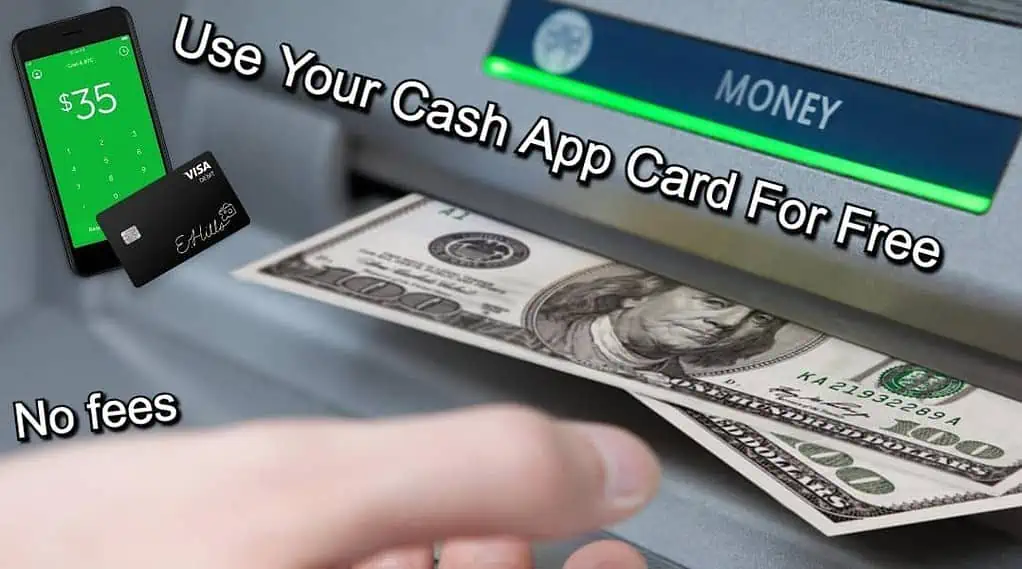
One of the most convenient ways to fund your Cash App balance is through “Paper Money” deposits at major retail chains across the United States. This feature allows users to walk into a store, hand over physical cash, and have it reflected in their digital balance almost instantly.
Major National Retailers and Convenience Stores
Cash App has established partnerships with a vast network of merchants. If you are wondering where to load your card, you are likely within a few miles of a participating location. Common retail partners include:
- Walmart: As the world’s largest retailer, Walmart provides widespread access for users to deposit funds at Customer Service desks or MoneyCenters.
- Walgreens and Duane Reade: These pharmacies offer convenient locations in both urban and suburban areas.
- 7-Eleven: Ideal for quick deposits at any time of day, many 7-Eleven locations support Cash App refills.
- CVS Pharmacy: Another ubiquitous option for those looking to top up their balance while running errands.
- Dollar General and Family Dollar: These locations are particularly vital for users in rural areas where larger big-box stores may be scarce.
- Rite Aid and Kum & Go: Regional favorites that broaden the accessibility of the Paper Money feature.
The Step-by-Step Process at the Register
Loading your card at a retail location does not actually require you to swipe your physical Cash Card. Instead, the process is handled through the app to ensure security and accuracy.
- Locate the Feature: Open Cash App and tap the “Banking” tab (the house or balance icon) on the bottom left.
- Find “Paper Money”: Select the Paper Money option. This will bring up a map of nearby participating locations.
- Generate a Barcode: Once at the store, select the location on your map and tap “Show Barcode.”
- Scan and Pay: Present this barcode to the cashier. They will scan it, you will hand over the cash (plus a small service fee), and the funds will be deposited into your account.
Fees and Limits: What You Need to Know
From a personal finance perspective, it is important to account for transaction costs. Most retail deposits incur a $1.00 fee per transaction, which is deducted from the amount you hand to the cashier. Furthermore, Cash App imposes certain limits on paper money deposits:
- $500 per transaction.
- $1,000 per 7-day rolling period.
- $4,000 per 30-day rolling period.

Understanding these constraints is vital for those who rely on Cash App for significant monthly expenses like rent or car payments.
Digital Alternatives for Loading Your Cash App Balance
While physical retail locations are essential for cash-heavy users, the majority of “loading” occurs through digital pipelines. These methods are often faster, cheaper (often free), and can be automated to improve your overall financial health.
Linking Bank Accounts and Debit Cards
The most common way to fund a Cash App card is by linking a traditional bank account or an existing debit card. By navigating to the “Linked Banks” section of the app, you can connect your accounts via Plaid, a secure third-party integration. Once linked, you can “Add Cash” instantly. This method is preferred for users who receive their primary income in a traditional bank but prefer the Cash App interface or its “Boost” rewards for daily spending.
Direct Deposit: Automating Your Personal Finance
For those using Cash App as their primary financial hub, direct deposit is the most efficient funding method. By providing your Cash App routing and account numbers to your employer, your paycheck can be deposited directly into your balance.
- Early Access: Cash App often makes funds available up to two days earlier than traditional banks.
- No Fees: Unlike retail deposits, there are no fees associated with receiving a direct deposit.
- Financial Organization: Automating your income stream reduces the “transactional friction” of manually moving money, ensuring your Cash Card is always ready for recurring bills.
Peer-to-Peer Transfers as a Funding Source
The core functionality of Cash App remains P2P transfers. Receiving money from friends, family, or clients is an immediate way to load your card. For freelancers or small business owners, using a Cash App Business account allows them to accept payments for services, which instantly populates the balance associated with their Cash Card. This creates a seamless loop of earning and spending within a single digital ecosystem.
Security and Optimization for Your Personal Finances
Whenever you are moving money—whether it’s $20 at a 7-Eleven or a $2,000 direct deposit—security should be your primary concern. Managing a digital wallet requires a proactive approach to financial safety and an understanding of how to maximize the value of your stored funds.
Verifying Transactions and Avoiding Scams
The digital nature of Cash App makes it a target for bad actors. To protect your funds:
- Enable Security Locks: Require a PIN or Touch ID/Face ID for every payment and “Add Cash” request.
- Verify Retailers: Only use the official “Paper Money” map within the app to find deposit locations. Never trust a third party claiming they can “load your card” remotely if you send them a code.
- Monitor Activity: Check your transaction history regularly. Because Cash App transactions are often instantaneous, identifying unauthorized activity early is crucial for dispute resolution.
Leveraging “Boosts” to Save Money on Every Purchase
One of the primary financial incentives for loading a Cash App card is the “Boost” program. Boosts are instant discount offers that can be applied to your Cash Card. For example, you might find a 5% discount at a grocery store or $1 off a coffee shop purchase.
- Strategy: Before loading cash at a retail location, check your available Boosts. If you know you are going to spend money at a specific merchant, ensure your card is funded specifically to take advantage of that discount. This effectively increases your purchasing power and acts as a passive form of saving.
The Future of Fintech and Cash Integration
The ability to load a Cash App card at a local pharmacy or via a sophisticated digital transfer represents the current pinnacle of financial “interoperability.” As we look forward, the distinction between “cash” and “digital balance” will likely continue to blur.
The Blurring Lines Between Digital Wallets and Traditional Banks
We are seeing a massive shift where digital wallets are incorporating more traditional banking features (like high-yield savings and lending) while traditional banks are scrambling to improve their mobile interfaces. Cash App’s “Paper Money” feature is a bridge. It acknowledges that as long as physical currency exists, there must be a way to integrate it into the digital economy without requiring a trip to a traditional bank teller.
By understanding the diverse array of locations and methods available to load a Cash App card, consumers can take full control of their liquidity. Whether you are depositing your weekly tips at a Dollar General or setting up a recurring transfer from a legacy bank, the goal is the same: creating a frictionless, secure, and efficient way to manage your personal finances in a digital-first world. In this context, the Cash App card is not just a piece of plastic; it is a versatile tool for financial empowerment.
aViewFromTheCave is a participant in the Amazon Services LLC Associates Program, an affiliate advertising program designed to provide a means for sites to earn advertising fees by advertising and linking to Amazon.com. Amazon, the Amazon logo, AmazonSupply, and the AmazonSupply logo are trademarks of Amazon.com, Inc. or its affiliates. As an Amazon Associate we earn affiliate commissions from qualifying purchases.