
In the rapidly evolving landscape of financial technology, peer-to-peer (P2P) payment applications have transitioned from being a convenience to a necessity. Among the frontrunners is Cash App, a versatile platform that has redefined how individuals handle their daily finances, from splitting a dinner bill to investing in Bitcoin. However, for the savvy personal finance enthusiast, the true cost of convenience is often hidden within a complex web of transaction fees and service charges. Understanding “how much Cash App charges” is not merely about knowing a few percentages; it is about mastering your cash flow and ensuring that your hard-earned money remains in your pocket rather than being eroded by avoidable costs.

This guide provides an exhaustive breakdown of the Cash App fee structure, categorized to help you navigate the platform’s financial tools with professional precision.
Understanding the Fundamentals of Cash App’s Fee Structure
At its core, Cash App is designed to be a low-cost entry point into the world of digital banking and P2P transfers. For the vast majority of casual users, the platform offers a suite of services that are entirely free. However, the business model relies on charging for premium speed and specific commercial or investment services.
The Cost of Standard vs. Instant Transfers
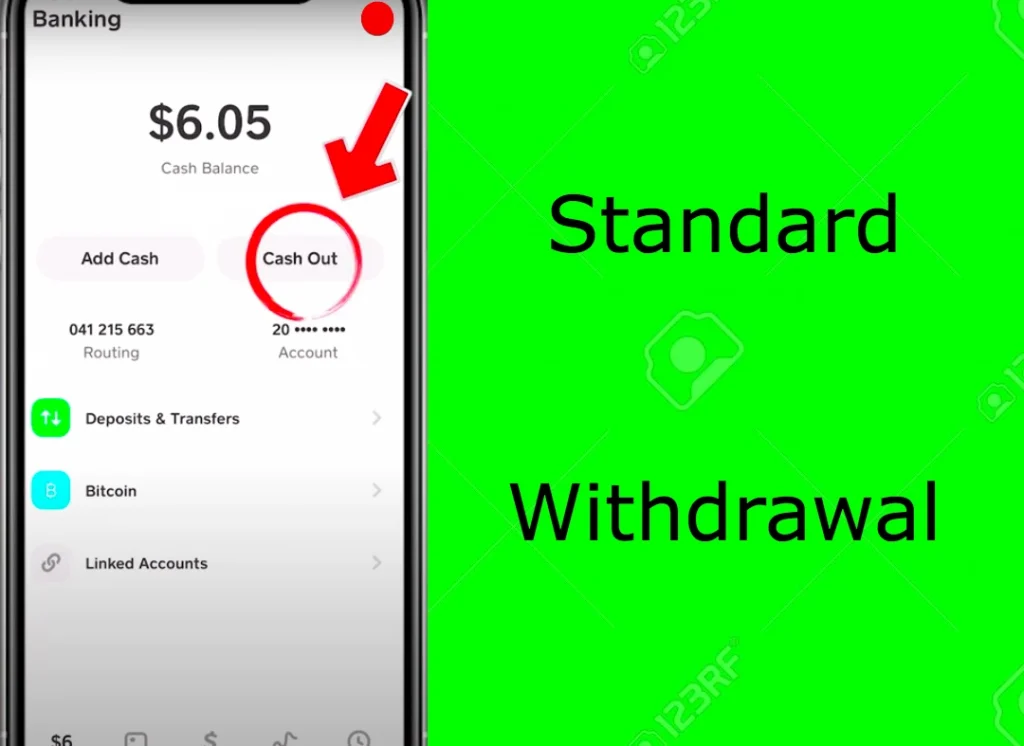
One of the most frequent points of interaction with Cash App is “cashing out”—the process of moving funds from your Cash App balance to your linked bank account or debit card. Cash App offers two distinct paths here, and the financial implications vary significantly.
The Standard Transfer is the cornerstone of the app’s free service model. It typically takes one to three business days to complete. For those who practice disciplined personal finance and plan their liquidity in advance, this is the preferred method because it carries a $0 fee.
Conversely, the Instant Transfer satisfies the modern demand for immediacy. When you opt for an instant deposit to your linked debit card, Cash App charges a fee ranging from 0.5% to 1.75%, with a minimum fee of $0.25. While a 1.75% fee might seem negligible on a $20 transaction, it becomes a significant financial leak on larger sums. For instance, moving $2,000 instantly could cost you $35. In the context of long-term wealth building, these recurring “convenience fees” can aggregate into substantial losses.
Sending Money to Friends and Family: When is it Free?
For personal accounts, sending money directly from your Cash App balance or a linked bank account is free. This is the primary reason for the app’s popularity in social settings. However, there is a specific caveat: credit card usage.
If you choose to fund a P2P payment using a linked credit card rather than your balance or a debit card, Cash App applies a 3% fee to the total. This fee is largely designed to cover the processing costs charged by credit card networks. From a personal finance perspective, using a credit card on a P2P app is generally discouraged, as it not only incurs this 3% fee but may also be treated by your credit card issuer as a “cash advance,” leading to high-interest rates and additional bank fees.
Managing Your Daily Spending: Cash Card and ATM Fees
Beyond digital transfers, Cash App has positioned itself as a primary spending tool through the Cash Card—a customizable Visa debit card linked to your app balance. While the card offers “Boosts” (instant discounts at various retailers), it also introduces potential costs associated with physical currency.
Using the Cash App Visa Debit Card
Obtaining the physical Cash Card is free, and there are no monthly maintenance fees, inactivity fees, or foreign transaction fees. This makes it an attractive tool for travelers and those looking to avoid the overhead associated with traditional “big bank” checking accounts. The financial “cost” here is primarily the opportunity cost of not earning interest on your balance, as Cash App is not a traditional savings account.
ATM Withdrawal Fees and Reimbursement Policies
The most common physical fee associated with Cash App is the ATM withdrawal charge. Cash App charges a flat $2.50 fee for every ATM transaction. This is in addition to whatever fee the ATM operator may charge.
However, Cash App offers a strategic workaround for dedicated users. If you receive at least $300 in direct deposits into your Cash App account per month, the platform will reimburse your ATM fees (up to $7 per withdrawal) for three withdrawals per 31-day period. This feature highlights the importance of consolidating your financial activities to unlock “premium” benefits without the premium price tag.

Business Accounts and Merchant Transaction Costs
For entrepreneurs, freelancers, and small business owners, Cash App offers a “Business Account” tier. While this provides a more professional interface for accepting payments, it shifts the fee burden from the sender to the receiver.
Personal vs. Business Account Fee Discrepancies
Unlike personal accounts, which can receive money for free, Cash App for Business accounts are charged a flat 2.75% processing fee on every payment received. This fee is automatically deducted before the funds reach your balance. It is important for users to correctly identify their account type; while it might be tempting to use a personal account for business transactions to avoid this fee, doing so violates the platform’s terms of service and can lead to account suspension or tax reporting complications.
The Impact on Small Business Margins
In the realm of business finance, a 2.75% fee is competitive with other processors like Square or PayPal. However, business owners must factor this into their pricing strategy. If your profit margins are thin, the transaction fee must be accounted for as a “Cost of Goods Sold” (COGS). For a business processing $5,000 a month through Cash App, the annual cost in fees would be $1,650—a figure that justifies a deep dive into whether the convenience of the app outweighs the cost compared to traditional merchant services.
Investing and Digital Assets: Bitcoin and Stock Fees
Cash App has aggressively expanded into the investment space, allowing users to buy Bitcoin and fractional shares of stocks. The fee structure in this niche is more dynamic and requires a closer look at market spreads.
Transaction Fees for Cryptocurrency Trading
Cash App is one of the most accessible platforms for purchasing Bitcoin, but that accessibility comes at a price. When you buy or sell Bitcoin, Cash App charges two types of fees:
- Service Fee: A transaction fee that is displayed at the time of purchase.
- Spread: An additional cost hidden in the difference between the market price and the price offered by the app.
These fees vary based on price volatility and trading volume. It is not uncommon for the total cost of a Bitcoin transaction to reach 2% to 3%. For long-term investors, these fees represent a high “entry load” compared to dedicated cryptocurrency exchanges.
Trading Stocks: Brokerage Fees and Regulatory Costs
On the surface, Cash App offers commission-free stock trading. You can buy as little as $1 of a company’s stock without paying a direct service fee to Cash App. However, users are still subject to government-mandated regulatory fees, such as those from the SEC and FINRA. While these are usually only a few cents per transaction, they are a reminder that no financial transaction is truly “free” in a regulated market.
Strategies to Minimize Fees and Optimize Your Financial Health
Mastering your finances involves more than just knowing what the fees are; it requires a strategy to circumvent them. To use Cash App as a professional-grade financial tool, one must be proactive.
Setting Up Direct Deposits for Fee Benefits
As mentioned previously, the “Magic Number” for Cash App users is $300 in monthly direct deposits. By routing a portion of your paycheck to the app, you not only unlock ATM fee reimbursements but also gain access to higher transaction limits and the “free” version of many features that would otherwise carry costs. This is a classic example of using a platform’s ecosystem to your advantage.
Choosing the Right Transaction Methods
To keep your Cash App experience 100% free, adhere to the following rules of thumb:
- Always choose “Standard Transfer” to your bank account and plan your withdrawals three days in advance.
- Never fund a payment with a credit card unless it is an absolute emergency.
- Use the Cash Card for spending to take advantage of “Boosts,” which can actually result in a net gain rather than a fee loss.
- Limit Bitcoin trading to long-term holds rather than frequent “day trading” to minimize the impact of the spread and service fees.
By understanding the granular details of how much Cash App charges, you transform a simple app into a powerful component of your personal finance strategy. In a world where “fee creep” can silently derail your financial goals, being an informed consumer is your best defense. Cash App is an incredibly efficient tool, provided you are the one in control of the transaction, rather than the transaction being in control of your balance.
aViewFromTheCave is a participant in the Amazon Services LLC Associates Program, an affiliate advertising program designed to provide a means for sites to earn advertising fees by advertising and linking to Amazon.com. Amazon, the Amazon logo, AmazonSupply, and the AmazonSupply logo are trademarks of Amazon.com, Inc. or its affiliates. As an Amazon Associate we earn affiliate commissions from qualifying purchases.