
In the rapidly evolving landscape of personal finance, the shift from traditional brick-and-mortar banking to agile, mobile-first solutions has been nothing short of revolutionary. Central to this transformation is the Cash App, a financial tool that has transitioned from a simple peer-to-peer (P2P) payment service into a comprehensive digital banking ecosystem. For many users, the Cash App Card—a Visa debit card linked directly to their balance—serves as the primary bridge between their digital funds and real-world utility. However, to maximize the potential of this financial tool, one must first understand the various strategies for effectively funding the account.

Whether you are looking to manage a daily budget, save for a specific goal, or simply maintain a liquid balance for emergencies, knowing how to put money on your Cash App card is a foundational skill in modern money management. This guide explores the diverse methods of funding your account, from digital transfers to retail deposits, while emphasizing financial best practices.
1. The Core Infrastructure: Funding via Linked Financial Institutions
The most common and efficient way to fund a Cash App card is through the integration of existing financial accounts. This method utilizes the Automated Clearing House (ACH) network and real-time debit processing to move money from traditional banks into the digital environment.
Leveraging Linked Debit Cards for Instant Funding
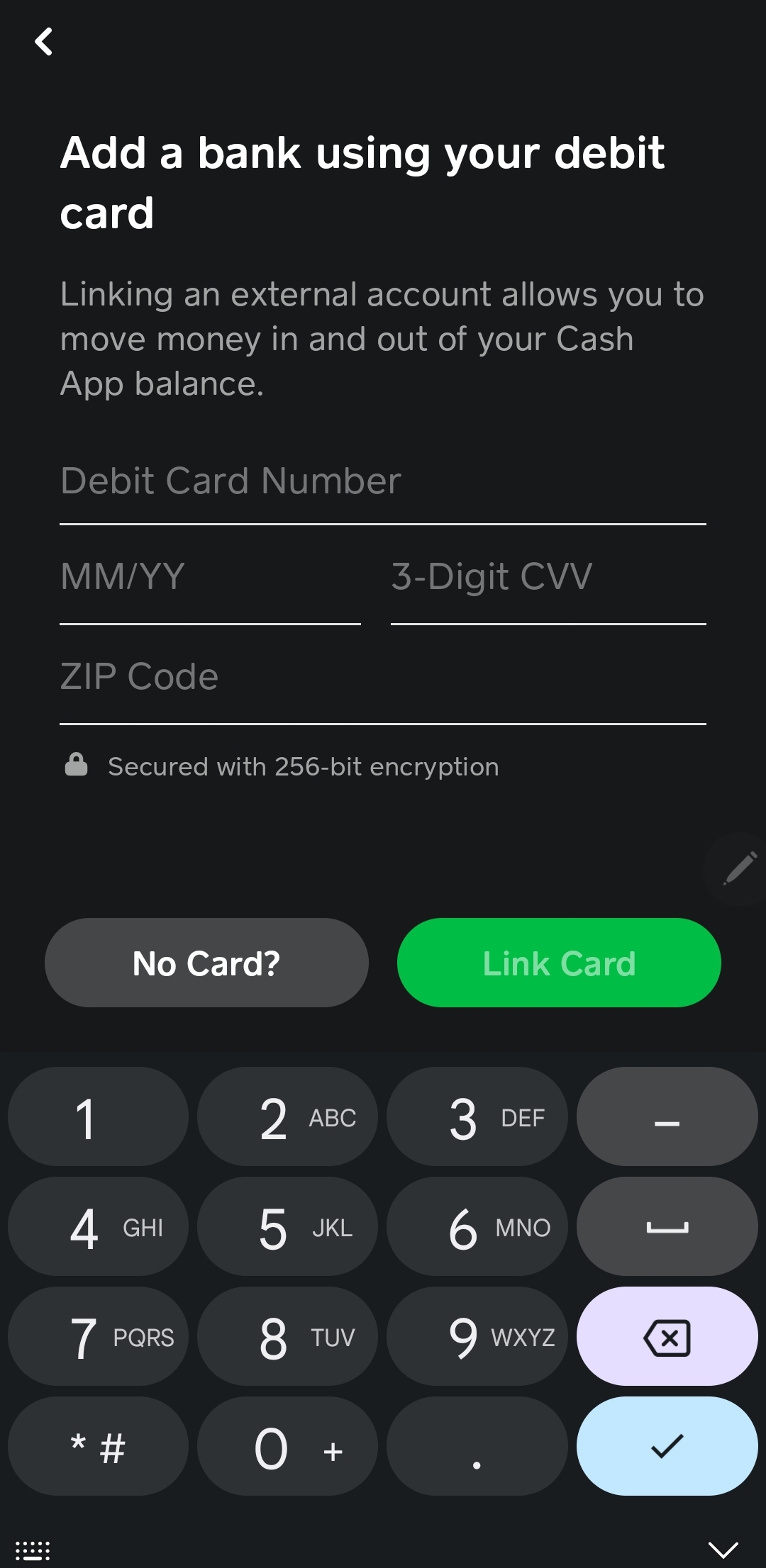
For most users, the primary source of funds is a linked debit card from a traditional bank or credit union. This creates a seamless “pull” mechanism where funds can be transferred instantly. By navigating to the “Banking” tab and selecting “Add Cash,” users can move specific denominations—ranging from small daily expenses to larger monthly allotments—directly onto their card. The professional advantage here is liquidity; because these transfers are typically instantaneous, the Cash App card becomes a highly responsive tool for real-time spending.
Utilizing Bank Accounts via Plaid
Beyond debit cards, Cash App allows for the direct linking of bank accounts using secure integration services like Plaid. While a debit card is ideal for instant transfers, linking a bank account directly is often necessary for larger movements of capital or for setting up the “Cash Out” feature to move money back into a traditional savings vehicle. From a personal finance perspective, this dual-link approach ensures that your digital wallet is never isolated from your broader financial portfolio.
Understanding Transfer Limits and Verification
To maintain a secure financial environment, Cash App imposes initial limits on how much money can be added or sent. For the strategic user, completing the identity verification process—which involves providing a full legal name, date of birth, and the last four digits of a Social Security Number—is essential. Verification unlocks higher transaction limits, allowing the Cash App card to function as a more robust primary spending tool rather than just a secondary account for minor purchases.
2. Bridging the Gap: Depositing Physical Cash at Retail Locations
One of the most significant hurdles for digital-only financial tools has historically been the handling of physical currency. Cash App has addressed this by partnering with a vast network of national retailers, effectively turning thousands of cash registers into “digital deposit windows.”
The Paper Money Deposit Feature
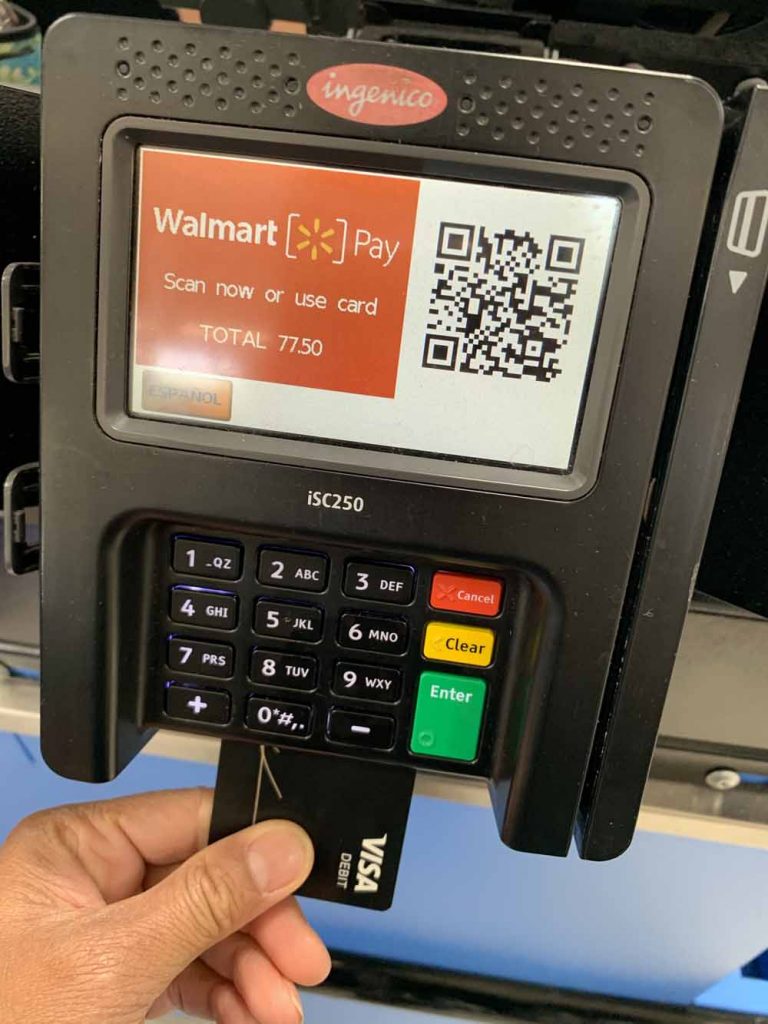
For individuals who receive a portion of their income in cash—such as those in the service industry or gig economy—the “Paper Money” feature is indispensable. Within the app’s map interface, users can locate participating merchants, including major chains like Walmart, Walgreens, 7-Eleven, and Family Dollar. By generating a unique barcode within the app, a user can hand physical bills to a cashier, who scans the code to credit the funds to the user’s digital balance.
Costs and Considerations of Cash Deposits
While convenient, utilizing retail locations for deposits introduces specific financial variables, most notably transaction fees. Most retailers charge a flat fee (often around $1) for this service. From a budgeting standpoint, it is important to factor these small costs into your financial planning. Frequent small deposits can lead to “fee leakage,” whereas consolidating cash for a single, larger deposit once a week is a more efficient way to manage your capital.
Safety Protocols for In-Person Deposits
When depositing physical cash, professional financial management dictates a high level of situational awareness. Users should ensure the transaction is completed and a receipt is provided before leaving the retail location. Since these funds are often available within minutes, verifying the updated balance on the app immediately after the transaction is a best practice that ensures the integrity of your digital ledger.
3. Direct Deposit: Converting the App into a Primary Financial Hub
For those seeking to move away from traditional banks entirely, the Direct Deposit feature transforms the Cash App card from a mere prepaid tool into a sophisticated checking account alternative. This method is the most “hands-off” way to ensure your card is consistently funded.
Setting Up Payroll and Government Stimulus
By providing an employer or a government agency with the routing and account numbers associated with their Cash App account, users can have their paychecks deposited directly into their balance. This is a strategic move for personal finance management because it eliminates the middle step of transferring money from a traditional bank to the app.
The Benefit of Early Payday Access
A significant professional draw for using Cash App as a direct deposit destination is the “Early Payday” feature. Cash App often processes ACH transfers as soon as they are notified by the sender, which can result in users receiving their wages up to two days earlier than they would at a traditional bank. In terms of cash flow management, having access to capital 48 hours early can be a critical advantage for meeting bill deadlines or capitalizing on investment opportunities.
Automating Your Savings and Bills
Once direct deposit is active, users can utilize “Auto-Invest” or scheduled transfer features. By automating the funding process, you remove the emotional friction of manual transfers. You can designate a portion of your incoming paycheck to remain on the card for daily expenses, while automatically diverting other portions toward Bitcoin or stock investments offered within the platform, effectively creating a self-sustaining financial ecosystem.
4. Peer-to-Peer Transfers and Business Income
The origin of Cash App remains one of its most potent funding sources: the ability to receive money from other individuals. This P2P functionality is not just for splitting dinner bills; it has become a legitimate channel for business income and side-hustle revenue.
Receiving Payments from Clients and Peers
For freelancers and independent contractors, the Cash App card can be funded by sharing a “Cashtag.” This unique identifier allows clients to send payments instantly. Unlike traditional checks that may take days to clear, P2P transfers are immediate. This rapid velocity of money is a hallmark of modern financial tools, allowing small business owners to reinvest their earnings or cover operating costs without the typical “waiting period” associated with legacy banking.
The Role of Cash App for Business Accounts
Users can designate their account as a “Business Account” to accept payments for goods and services. While this involves a small transaction fee (standard for merchant services), it provides a professional layer of transparency for tax reporting. This method of putting money on the card is particularly useful for those who manage “side hustles,” as it keeps business revenue distinct from personal bank transfers, simplifying end-of-year financial audits.
Requesting Funds and Reminders
A proactive way to fund your card is the “Request” feature. If you are owed money for shared expenses or services rendered, sending a formal request through the app serves as a professional nudge. This ensures that your card balance reflects the money you are actually owed, keeping your liquid assets at the level required for your planned expenditures.
5. Security Best Practices and Financial Oversight
Putting money on a Cash App card is only half of the equation; the other half is protecting that capital and managing it with discipline. As with any financial tool, the ease of movement must be balanced with rigorous security and oversight.
Implementing Security Locks and Alerts
To protect your funded balance, it is vital to enable the “Security Lock” feature, which requires a PIN or biometric authentication (Touch ID/Face ID) for every transaction. Additionally, enabling “Push Notifications” ensures that you are alerted the moment money is added to your card, whether via a retail deposit or a P2P transfer. This real-time oversight is the first line of defense against unauthorized activity and a key component of responsible digital asset management.
Managing Your Cash Balance as a Budgeting Tool
From a personal finance perspective, the Cash App card is an excellent tool for “envelope budgeting.” By only putting a specific amount of money on the card at the beginning of the week, you create a hard ceiling for discretionary spending (such as dining out or entertainment). This prevents the “lifestyle creep” that often occurs when spending is tied to a main savings account with a much larger balance.
Understanding FDIC Insurance and Account Safety
It is important for users to understand that while Cash App is a highly functional financial tool, it is a financial services platform, not a bank. However, through its partner banks (such as Sutton Bank), the funds in a Cash App account are often FDIC-insured once a user has a Cash Card. Understanding these nuances helps a professional user decide how much capital to keep on the card at any given time, ensuring that their money is not only accessible but also protected by the same standards governing traditional financial institutions.
In conclusion, putting money on a Cash App card is a multifaceted process that caters to various financial needs. By mastering linked bank transfers, retail deposits, direct deposits, and P2P income, you can turn a simple app into a powerful command center for your personal finances. In an age where the speed of transactions defines financial success, utilizing these funding methods effectively ensures that your capital is always where you need it, when you need it.
aViewFromTheCave is a participant in the Amazon Services LLC Associates Program, an affiliate advertising program designed to provide a means for sites to earn advertising fees by advertising and linking to Amazon.com. Amazon, the Amazon logo, AmazonSupply, and the AmazonSupply logo are trademarks of Amazon.com, Inc. or its affiliates. As an Amazon Associate we earn affiliate commissions from qualifying purchases.