
For the majority of individuals, a vehicle represents the second-largest purchase they will make in their lifetime, trailing only behind the acquisition of a primary residence. Consequently, the question of “where do you buy cars” is not merely a matter of geographical location or platform preference; it is a critical decision in personal finance and asset management. In an era of fluctuating interest rates and evolving market dynamics, understanding the financial implications of different purchasing avenues is essential for maintaining long-term fiscal health.
Choosing where to deploy your capital—whether through a traditional franchise dealership, a disruptive digital marketplace, or a private-party transaction—dictates the immediate cost, the financing structure, and the eventual total cost of ownership (TCO). This guide explores the strategic financial landscapes of car buying to help you navigate where to spend your money for the highest return on utility and value.
1. Traditional Dealerships vs. Digital Marketplaces: A Financial Comparison
The automotive retail landscape has split into two distinct financial models: the high-touch, negotiable environment of the traditional dealership and the fixed-price, high-convenience model of digital platforms. Each offers a different impact on your liquid assets and credit profile.
The Cost of Convenience in Online Shopping
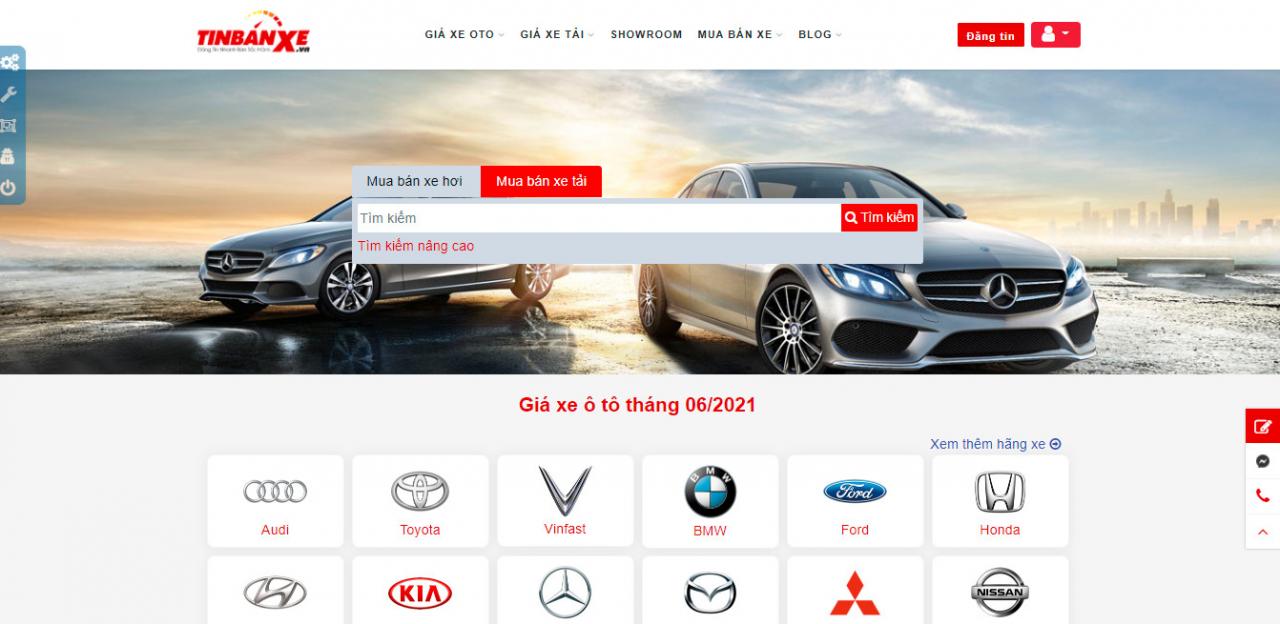
Digital marketplaces like Carvana, Vroom, and Shift have revolutionized the procurement process by prioritizing “frictionless” transactions. From a financial perspective, these platforms often carry a premium. Because these companies manage massive logistics networks and inspection facilities, the “sticker price” frequently includes a convenience margin.
However, for the busy professional, the money saved in “opportunity cost”—the time spent haggling at a lot—can be significant. Furthermore, online platforms offer extreme transparency in pricing, which eliminates the risk of “predatory markups” often found in physical showrooms. When buying online, the financial strategy shifts from negotiation to data-mining; the goal is to find a vehicle with a clean history and a price that aligns with wholesale valuations.
Negotiating the Best “Out-the-Door” Price at Local Dealerships
In contrast, the traditional dealership remains the primary arena for the savvy negotiator. The financial advantage here lies in the “out-the-door” price. Unlike online fixed-price models, physical dealerships have the flexibility to move on price to meet monthly sales quotas.
To maximize your money at a dealership, one must decouple the vehicle price from the financing and the trade-in value. Dealerships often use “four-square” marketing to obfuscate the actual cost of the car by focusing on the monthly payment. By securing independent financing beforehand, you transform the dealership from a lender back into a simple retail outlet, often allowing you to shave thousands off the MSRP through aggressive price anchoring and competitive bidding between rival franchises.
2. Certified Pre-Owned (CPO) and the Economics of Depreciation
Where you buy a car is often dictated by your tolerance for depreciation. New cars are notorious for losing approximately 20% of their value in the first year and up to 60% within five years. To protect your net worth, the savvy investor looks toward the “sweet spot” of the used market.
Why the Two-Year Sweet Spot is a Financial Goldmine
The most efficient use of capital in the automotive market is often found in the Certified Pre-Owned (CPO) segment of a franchise dealership. These vehicles are typically off-lease returns, aged two to three years.
By purchasing in this niche, the original owner has already absorbed the steepest part of the depreciation curve. You, the second owner, acquire an asset that is mechanically similar to a new vehicle but at a 30-40% discount. Furthermore, CPO vehicles come with manufacturer-backed warranties that mitigate the “tail risk” of expensive out-of-pocket repairs, which can otherwise devastate a monthly budget. In the world of personal finance, a CPO vehicle represents a hedge against both depreciation and mechanical volatility.
Private Party Transactions: High Risk, High Reward for Your Wallet
For those focused on absolute bottom-line savings, platforms like Facebook Marketplace, Craigslist, or specialized enthusiast forums offer the lowest entry price. By removing the “middleman” (the dealer), you eliminate the overhead costs associated with commissions, facility maintenance, and detailing.
From a money-management perspective, private party buys require higher liquidity, as these are often cash transactions. The financial risk is higher—there is no “lemon law” protection for private sales in most jurisdictions—but the reward is the ability to purchase an asset at or near its actual wholesale value. This provides the buyer with immediate equity, meaning if they needed to liquidate the asset six months later, they could likely do so without a financial loss.
3. Financing Your Asset: Navigating Interest Rates and Loan Terms
Regardless of where you buy, how you pay for the car is what ultimately determines the impact on your long-term wealth. A car is a depreciating asset, and paying high interest on a declining value is a recipe for a “wealth leak.”
Credit Unions vs. Dealership Financing: Where the Savings Are
One of the most common financial mistakes is accepting “captive financing” at a dealership without shopping around. While manufacturers occasionally offer 0% APR on new models (which is essentially free money), their standard rates are often marked up to provide the dealership with “reserve” income.
Smart money moves toward Credit Unions. As member-owned cooperatives, credit unions typically offer interest rates 1% to 3% lower than traditional banks or dealership finance departments. Over a 60-month loan on a $35,000 vehicle, this difference can save a consumer upwards of $2,000 in interest. Always secure a pre-approval from a credit union before deciding where to buy; it serves as a financial “floor” that the dealer must beat to earn your business.
The Lease vs. Buy Dilemma: Calculating Long-Term Wealth Impact
Leasing is often criticized in the personal finance community as “paying for the most expensive years of a car’s life.” While true from a pure equity standpoint, leasing can be a strategic move for business owners or those who prioritize cash flow over ownership.
When you buy, you are building equity in an asset, albeit a depreciating one. When you lease, you are simply paying for the “use” of the asset. For those in high-income brackets, leasing through a business can provide significant tax write-offs under Section 179 of the tax code (depending on vehicle weight and usage). However, for the average consumer looking to build wealth, the most sound financial move is to “buy and hold”—purchasing a reliable vehicle and driving it long after the loan is paid off to maximize the “zero-payment” years.
4. Hidden Costs and Asset Management Strategies
The purchase price is only the beginning of the financial lifecycle of a vehicle. Where you buy and what you buy must be viewed through the lens of Total Cost of Ownership (TCO).
Factoring in Insurance, Maintenance, and Resale Value
A $30,000 European luxury sedan and a $30,000 Japanese compact SUV have vastly different impacts on your bank account over five years. High-end brands often come with “premium” maintenance costs and higher insurance premiums due to expensive parts.
Before committing to a purchase location, research the “5-Year Cost to Own” data provided by financial analysts like Kelley Blue Book or Edmunds. A car that holds its resale value (high residual value) is essentially a safer “savings account” for your money. If you buy a vehicle with a 60% residual value versus one with a 30% residual value, you are effectively several thousand dollars wealthier at the end of the term.
Tax Implications and Business Write-Offs for Vehicle Purchases
For entrepreneurs and freelancers, where you buy your car might be influenced by tax strategy. If a vehicle is used more than 50% for business, it becomes a depreciable business asset.
In some tax jurisdictions, purchasing a vehicle over a certain Gross Vehicle Weight Rating (GVWR)—typically 6,000 lbs—allows for accelerated depreciation. This can result in a massive tax deduction in the year of purchase, effectively lowering the “real cost” of the car by thousands of dollars. Consulting with a financial advisor or CPA before choosing where to buy can reveal whether a luxury SUV might actually be a more “affordable” business move than a standard sedan due to these specific tax incentives.
Conclusion: The Financial Architecture of the Car Buy
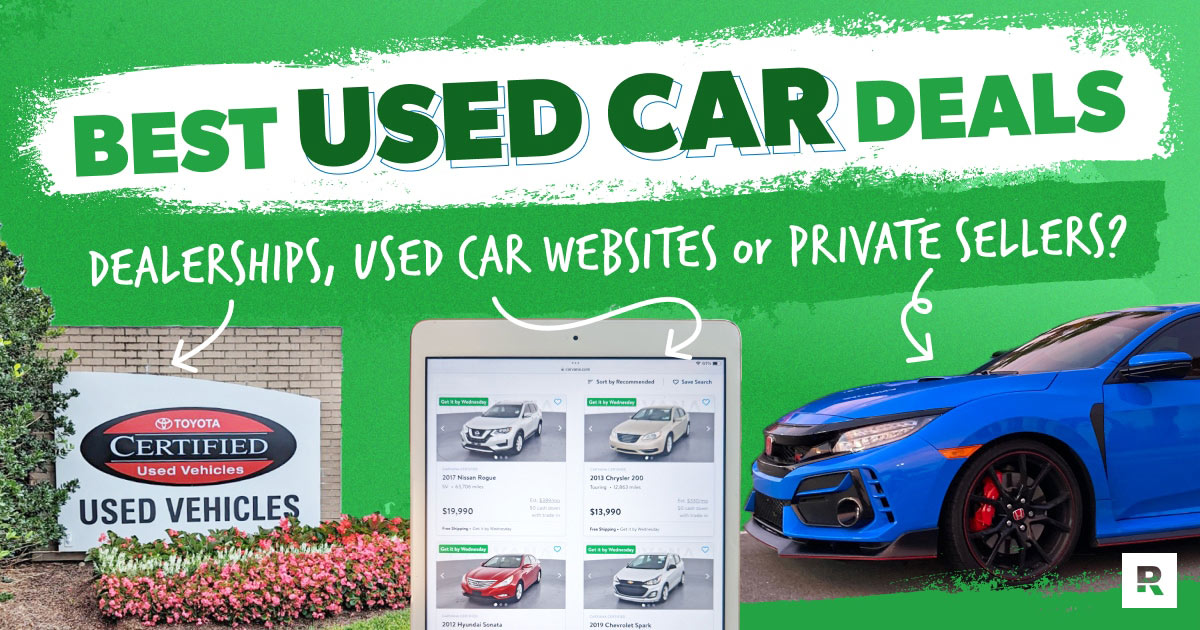
The question “where do you buy cars” is ultimately a question of how you value your capital. If you prioritize liquidity and low risk, a CPO vehicle from a reputable dealer with credit union financing is the gold standard. If you prioritize the lowest possible purchase price to preserve cash for other investments, the private market is your battlefield.
By viewing a car not as a lifestyle accessory, but as a significant line item in your personal balance sheet, you can navigate these various markets with a focus on value, equity, and long-term financial stability. In the end, the best place to buy a car is wherever the math yields the lowest total cost of ownership and the highest retention of your hard-earned wealth.
aViewFromTheCave is a participant in the Amazon Services LLC Associates Program, an affiliate advertising program designed to provide a means for sites to earn advertising fees by advertising and linking to Amazon.com. Amazon, the Amazon logo, AmazonSupply, and the AmazonSupply logo are trademarks of Amazon.com, Inc. or its affiliates. As an Amazon Associate we earn affiliate commissions from qualifying purchases.