
Car insurance is often viewed as a mandatory burden—a monthly or semi-annual “tax” on the privilege of driving. However, for those focused on personal finance and wealth building, car insurance represents one of the most flexible recurring expenses in a household budget. Unlike fixed costs like rent or a mortgage, insurance premiums are dynamic, influenced by a myriad of variables that you can often control.
In an era of rising inflation and increasing repair costs, the price of premiums has surged globally. To secure the cheapest car insurance without sacrificing necessary protection, one must treat the process with the same analytical rigor as a stock investment or a business acquisition. This guide explores the strategic maneuvers required to minimize costs, maximize value, and integrate insurance management into a broader financial strategy.
1. Understanding the Variables: What Drives Your Insurance Premiums?
To reduce the cost of car insurance, you must first understand the “underwriting” process—the method insurance companies use to assess the risk of insuring you. From a financial perspective, insurers are essentially betting on the probability of a payout. The lower they perceive your risk to be, the lower your premium will be.
Demographic Factors and the Geography of Risk
While some factors like age and gender are beyond your immediate control, understanding how they influence your “Money” profile is essential. Younger drivers are statistically more likely to be involved in accidents, leading to higher rates. However, your location is a massive variable. Moving just a few zip codes away can drastically alter your premium based on local crime rates, traffic density, and the frequency of weather-related claims in that area. If you are considering a relocation for work or lifestyle, checking the insurance implications of a new neighborhood is a savvy financial move.
Vehicle Make, Model, and Resale Value
The vehicle you choose to drive is perhaps the single most significant determinant of your insurance cost. From a personal finance standpoint, “total cost of ownership” includes more than just a car loan and fuel. High-performance sports cars or luxury SUVs are more expensive to insure because they are more costly to repair and more attractive to thieves. Conversely, vehicles with high safety ratings and moderate engine power often qualify for lower rates. Before purchasing a vehicle, always run an insurance quote to see how it fits into your long-term budget.
The Role of Credit Scores in Financial Underwriting
In many jurisdictions, insurance companies use a “credit-based insurance score.” This is a controversial but common practice where insurers link your credit history to your likelihood of filing a claim. From a money management perspective, this reinforces the importance of maintaining a high credit score. By paying down debt and ensuring timely payments across all financial obligations, you aren’t just lowering your interest rates; you are actively lowering your car insurance premiums.
2. Strategic Comparison Shopping: Mastering the Marketplace
The insurance market is highly competitive. To get the cheapest car insurance, you cannot afford to be a passive consumer. Brand loyalty in the insurance industry often comes with a “loyalty penalty,” where long-term customers are charged more than new acquisitions because the company assumes they won’t shop around.
The Importance of Annual Quote Comparisons
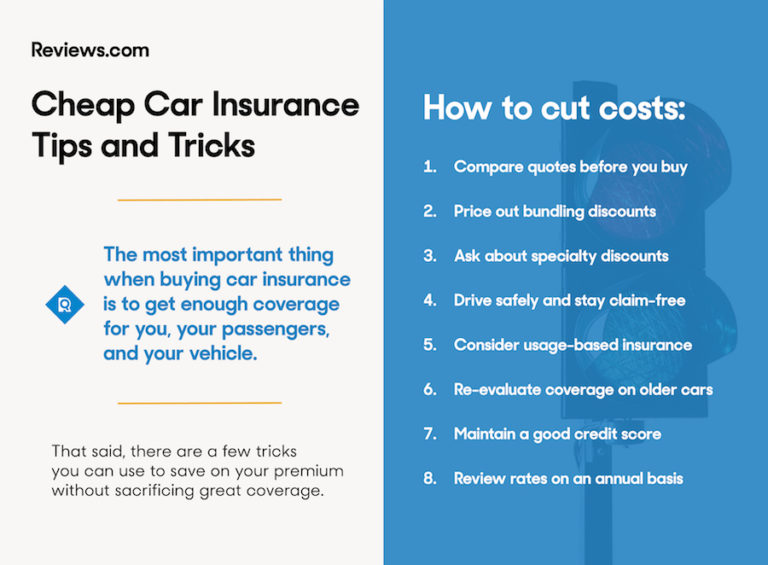
The most effective way to save money on car insurance is to shop for new quotes at least once a year, or whenever a major life event occurs (such as getting married, buying a home, or turning 25). Financial experts recommend getting at least three to five quotes from different providers. Because each company uses a proprietary algorithm to calculate risk, the “cheapest” provider for one individual might be the most expensive for another.
Independent Agents vs. Direct Insurers
There are two primary ways to shop: through direct-to-consumer websites or through independent insurance agents. Direct insurers allow you to cut out the middleman, which can sometimes result in lower fees. However, independent agents have access to “broker-only” markets and can compare multiple companies simultaneously. For a complex financial portfolio, an agent might find “niche” insurers that offer better rates for your specific situation that you wouldn’t find on a standard comparison site.
Evaluating Coverage Limits and “Total Protection”
When looking for the cheapest insurance, it is tempting to opt for the state-minimum coverage. From a financial stability perspective, this is often a mistake. If you have significant assets (savings, a home, investments), a minimum-coverage policy could leave you vulnerable to a lawsuit that wipes out your net worth. The goal is to find the cheapest premium for the correct amount of coverage, not just the lowest absolute number.
3. Leveraging Discounts and Policy Adjustments

Most insurance companies offer a suite of discounts that are not automatically applied to your account. You must be proactive in identifying and requesting these to optimize your personal cash flow.
Bundling and Multi-Policy Savings
One of the most effective brand-loyalty strategies that actually benefits the consumer is “bundling.” By combining your car insurance with homeowners, renters, or life insurance, companies frequently offer discounts ranging from 10% to 25%. This streamlines your financial life by centralizing your bills while providing a significant “bulk discount” on your premiums.
Professional, Academic, and Lifestyle Discounts
Insurers often provide lower rates for specific groups that they perceive as “low risk.” This includes members of certain professional organizations, alumni associations, or even employees of specific large corporations. Additionally, “Good Student” discounts for high school or college students with a 3.0 GPA or higher can save families hundreds of dollars a year. If you have recently retired or started working from home, you should also report your reduced annual mileage, as fewer miles on the road equals a lower probability of an accident.
Strategic Use of Deductibles
Adjusting your deductible is a direct lever you can pull to change your premium. A deductible is the amount you pay out-of-pocket before insurance kicks in. Increasing your deductible from $500 to $1,000 can reduce your comprehensive and collision premiums by as much as 15% to 30%. From a money management standpoint, this is a calculated risk. As long as you have a healthy emergency fund that can cover the higher deductible, you can “self-insure” for small amounts to save a significant amount on fixed monthly costs.
4. Technology and Behavioral Insurance: The New Frontier
The digital transformation of the finance sector has introduced “Telematics,” a technology-driven way to secure the cheapest car insurance based on how you actually drive, rather than just your demographic profile.
Telematics and Usage-Based Insurance (UBI)
Many modern insurers offer programs that track your driving habits via a smartphone app or a device plugged into your car’s OBD-II port. These programs monitor hard braking, rapid acceleration, speed, and the time of day you drive. For safe drivers who don’t drive frequently at night, telematics can result in discounts of up to 40%. This is an excellent tool for those looking to gamify their personal finances; by driving more cautiously, you are directly contributing to your savings account.
Pay-Per-Mile Models for Low-Mileage Drivers
If you live in an urban environment or work remotely, you may find that traditional insurance models are inefficient. “Pay-per-mile” insurance companies charge a small base rate plus a few cents for every mile driven. This is a highly transparent financial model that allows you to control your insurance costs based on your lifestyle choices. If you choose to bike or take public transit one week, your insurance bill for that period will reflect those savings.
5. Maintaining a Long-Term Savings Mindset
Getting the cheapest car insurance is not a one-time event; it is an ongoing process of financial maintenance. Your actions today will dictate your premiums for the next three to five years.
Protecting Your Driving Record
In the world of personal finance, your driving record is an asset. A single speeding ticket or an at-fault accident can cause your premiums to spike by 20% to 50% for several years. The “interest” you pay on that one mistake in the form of higher premiums can total thousands of dollars over time. Practicing defensive driving and adhering to traffic laws is, quite literally, a profitable habit.
The Financial Trap of Small Claims
Just because you have insurance doesn’t mean you should always use it. If you have a minor “fender bender” where the repair cost is only slightly higher than your deductible, it is often financially wiser to pay for the repair out-of-pocket. Filing a claim can cause you to lose “claims-free” discounts and trigger a rate hike that costs more in the long run than the repair itself. Treat your insurance as a safety net for catastrophic financial loss, not a maintenance plan for minor dents.
Conclusion: Integrating Insurance into Your Wealth Strategy
Securing the cheapest car insurance is a multifaceted endeavor that requires a blend of market research, lifestyle adjustments, and disciplined financial behavior. By understanding the underlying mechanics of insurance pricing, comparison shopping with regularity, and leveraging technology like telematics, you can reclaim hundreds—or even thousands—of dollars annually.
In the context of personal finance, every dollar saved on an unoptimized expense like car insurance is a dollar that can be redirected toward an IRA, a brokerage account, or high-yield savings. Optimization is not about being “cheap”; it is about being efficient with your capital. By applying these strategies, you ensure that your car insurance serves its purpose as a protective financial tool without becoming an unnecessary drain on your journey toward financial independence.
aViewFromTheCave is a participant in the Amazon Services LLC Associates Program, an affiliate advertising program designed to provide a means for sites to earn advertising fees by advertising and linking to Amazon.com. Amazon, the Amazon logo, AmazonSupply, and the AmazonSupply logo are trademarks of Amazon.com, Inc. or its affiliates. As an Amazon Associate we earn affiliate commissions from qualifying purchases.