
In the landscape of personal finance, car insurance often represents one of the most significant recurring expenses for the average household. Unlike a fixed mortgage or a subscription service, auto insurance premiums are dynamic, influenced by a complex web of actuarial data, market trends, and individual financial behaviors. For those looking to optimize their monthly cash flow, the question “what car insurance is cheaper?” is not merely about finding the lowest number on a quote; it is about understanding the intersection of risk management and financial efficiency.
Achieving a lower premium requires a multi-faceted approach that looks beyond surface-level advertisements. It involves a deep dive into how insurance companies evaluate your financial profile and how you can leverage specific financial tools and habits to minimize your overhead while maintaining robust protection for your assets.
Understanding the Variables: What Drives Premium Costs?
The cost of car insurance is essentially a price tag placed on risk. From a financial perspective, insurers are looking at the probability that they will have to pay out a claim and how much that claim might cost. Several variables dictate this price, and understanding them is the first step toward reducing your expenses.
Demographic Factors and the Impact of Credit Scores
In the realm of personal finance, your credit score is more than just a gateway to loans; in many states, it is a primary determinant of your insurance premium. Actuarial data suggests a strong correlation between financial responsibility and driving safety. Individuals with high credit scores are statistically less likely to file claims. Consequently, improving your credit health—by reducing debt-to-income ratios and ensuring timely payments—can lead to a direct and significant reduction in insurance costs. From a money management perspective, the “cheapest” insurance is often unlocked through the disciplined maintenance of one’s overall financial profile.
The Role of Vehicle Value and Safety Ratings
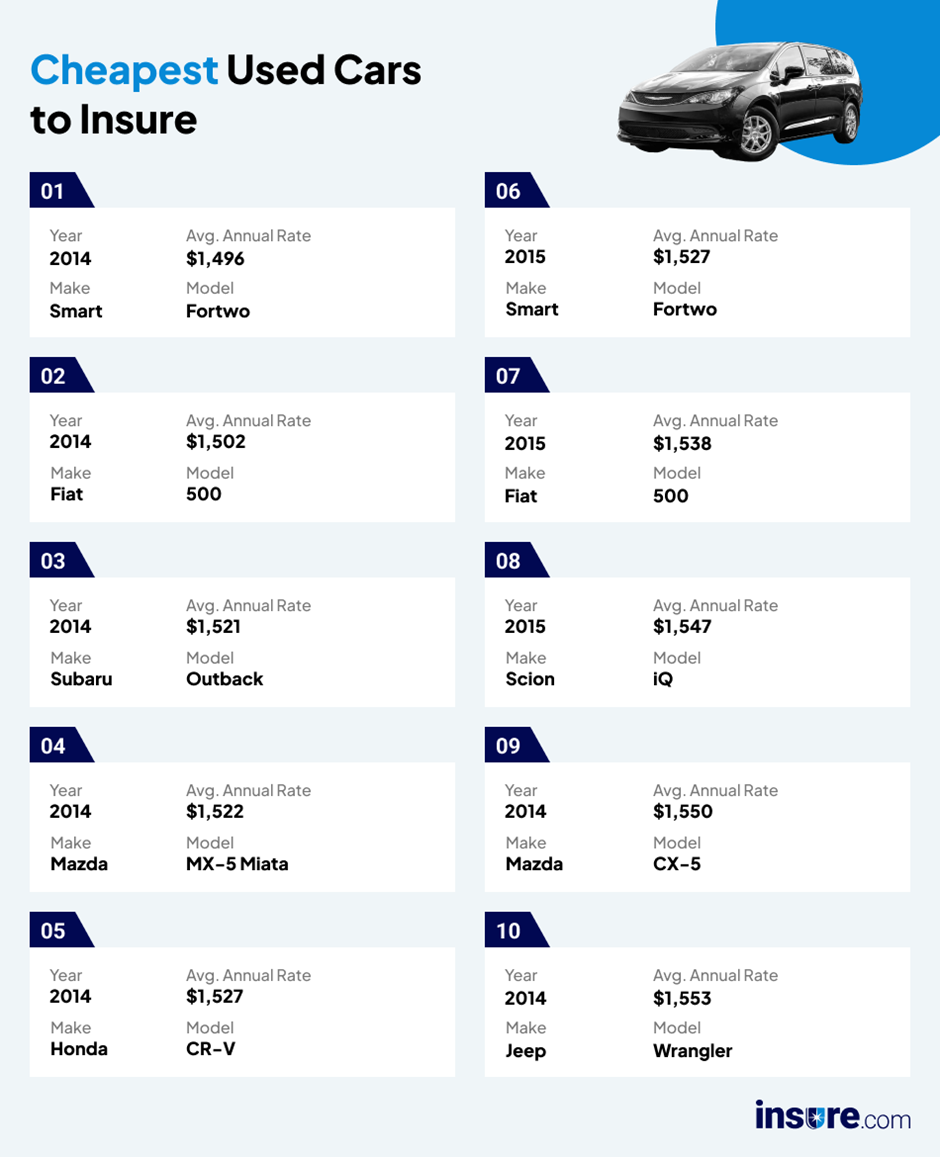
The asset you are insuring is the second major variable. A high-performance luxury vehicle is more expensive to insure not just because of its market value, but because of the specialized labor and parts required for repairs. Conversely, vehicles with high safety ratings and advanced driver-assistance systems (ADAS) often command lower premiums. When purchasing a vehicle with the intent of saving money, one must look at the “total cost of ownership,” which includes the annual insurance premium. A cheaper car with poor safety ratings may actually cost more in the long run than a slightly more expensive model that insurers deem low-risk.
Strategic Ways to Lower Your Monthly Premiums
Once you understand what drives the costs, you can implement specific financial strategies to drive those costs down. These methods require a proactive approach to your personal balance sheet.
Optimizing Deductibles for Long-Term Savings
One of the most immediate ways to lower a premium is to increase the deductible—the amount you pay out-of-pocket before insurance kicks in. From a financial planning standpoint, this is a trade-off between monthly cash flow and emergency fund readiness. If you have a robust emergency fund, opting for a $1,000 deductible instead of a $500 deductible can reduce your comprehensive and collision coverage premiums by 15% to 30%. This is a strategic move: you are essentially “self-insuring” for minor incidents to save a guaranteed amount of money every month.
Bundling and Multi-Policy Discounts
Insurers prize customer retention. From a corporate strategy perspective, it is cheaper for an insurance company to keep an existing customer than to acquire a new one. This leads to “bundling” discounts. If you hold your renters, homeowners, or life insurance with the same carrier as your auto insurance, you can often see a reduction of 10% to 25% across all policies. This creates a synergistic financial effect where the cumulative savings across your entire insurance portfolio significantly outweigh the benefits of seeking the absolute lowest price for each individual policy from separate providers.
Comparing Providers: Who Consistently Offers the Best Rates?
Not all insurance companies are created equal. Their business models dictate their pricing structures, and identifying which model aligns with your financial situation is key to finding the cheapest coverage.
Regional vs. National Carriers
While national giants like Geico, State Farm, and Progressive dominate the airwaves with massive marketing budgets, regional carriers often offer more competitive rates for specific geographic profiles. National carriers use broad data sets, whereas regional insurers may have a more nuanced understanding of local risks, such as weather patterns or local repair costs. For a consumer focused on personal finance, it is a mistake to ignore smaller, mutual insurance companies. These organizations are owned by policyholders rather than shareholders, which can sometimes result in lower overhead and more competitive pricing returned to the members.
Usage-Based Insurance (UBI) and Pay-Per-Mile Models
For those who work from home or have short commutes, the cheapest car insurance is often found through technology-driven, usage-based models. Programs that utilize telematics—either through a smartphone app or an onboard device—track driving habits such as braking, speed, and mileage. If you are a low-mileage, safe driver, these programs can offer discounts of up to 40%. This shifts insurance from a static annual cost to a variable cost that you can actively control through your behavior, much like managing a utility bill.
The Hidden Costs of “Cheap” Insurance
In the world of finance, the lowest price is not always the best value. It is vital to distinguish between a “low premium” and “financial security.”
Coverage Gaps and Liability Risks
Choosing the “cheapest” insurance often means opting for the state-minimum liability limits. While this saves money in the short term, it creates massive financial vulnerability. If you are at fault in an accident and the damages exceed your low limits, your personal assets—including your savings, home equity, and future wages—could be at risk. A sound financial strategy involves finding the cheapest premium for adequate coverage, rather than the cheapest premium overall. This often means carrying liability limits that reflect your net worth to ensure that a single accident doesn’t lead to financial ruin.
The Financial Impact of Poor Claims Service
An insurance policy is essentially a contract for future service. A company that offers an incredibly low rate but has a reputation for denying claims or providing poor customer service can end up being the most expensive option. If a claim takes months to process, you may find yourself paying for a rental car out-of-pocket or facing delays in returning to work. When evaluating “cheaper” options, it is essential to research the “claims-paying ability” and customer satisfaction ratings of the firm. A slightly higher premium with a reliable carrier is a form of risk mitigation that protects your time and your sanity.
Future-Proofing Your Auto Insurance Strategy
The insurance market is not static; it fluctuates based on inflation, the cost of auto parts, and even legal environments. To keep your insurance costs low over the long term, you must treat it as a recurring financial audit.
Periodic Rate Audits and Policy Reviews
Many consumers fall into the trap of “price walking,” where an insurer gradually increases rates over several years, banking on the fact that the customer won’t take the time to shop around. To combat this, it is a best practice to conduct a comprehensive rate audit every 12 to 24 months. By obtaining quotes from at least three different competitors, you can ensure that your current carrier is still providing a market-competitive rate. If you find a better deal, you can either switch or use that quote as leverage to ask your current provider for a loyalty discount or a rate match.
Adjusting Coverage as Assets Age
The financial utility of certain coverages changes as your vehicle depreciates. For an older car with a low market value, the cost of “Collision” and “Comprehensive” coverage may eventually exceed the potential payout in the event of a total loss. A common rule of thumb in personal finance is that if the annual cost of these coverages exceeds 10% of the car’s total value, it may be time to drop them. By transitioning to a “Liability Only” policy for an aging asset, you can slash your premium significantly, redirecting those funds into a savings account for your next vehicle purchase.
In conclusion, finding cheaper car insurance is an exercise in strategic financial management. It requires a balance of improving your personal financial profile, understanding the mechanics of insurance pricing, and remaining vigilant against the “loyalty tax” imposed by long-term carriers. By viewing car insurance as a manageable financial variable rather than a fixed burden, you can protect your assets while keeping more of your hard-earned money in your own pocket.
aViewFromTheCave is a participant in the Amazon Services LLC Associates Program, an affiliate advertising program designed to provide a means for sites to earn advertising fees by advertising and linking to Amazon.com. Amazon, the Amazon logo, AmazonSupply, and the AmazonSupply logo are trademarks of Amazon.com, Inc. or its affiliates. As an Amazon Associate we earn affiliate commissions from qualifying purchases.