
In the modern era of high-frequency trading and digital wallets that track wealth to the tenth decimal place, the fraction “1/8” might seem like a relic of a bygone era. However, for those navigating the worlds of personal finance, investing, and business strategy, this specific numerical value represents much more than a simple mathematical division. It is a cornerstone of financial history, a driver of modern fractional investing, and a critical metric in understanding market movements.
Understanding what 1/8 means in a financial context requires peeling back the layers of how markets were built and how they are currently evolving. From the “pieces of eight” that fueled early global commerce to the fractional share revolution of the 21st century, the journey of 1/8 is a masterclass in the democratization of wealth.
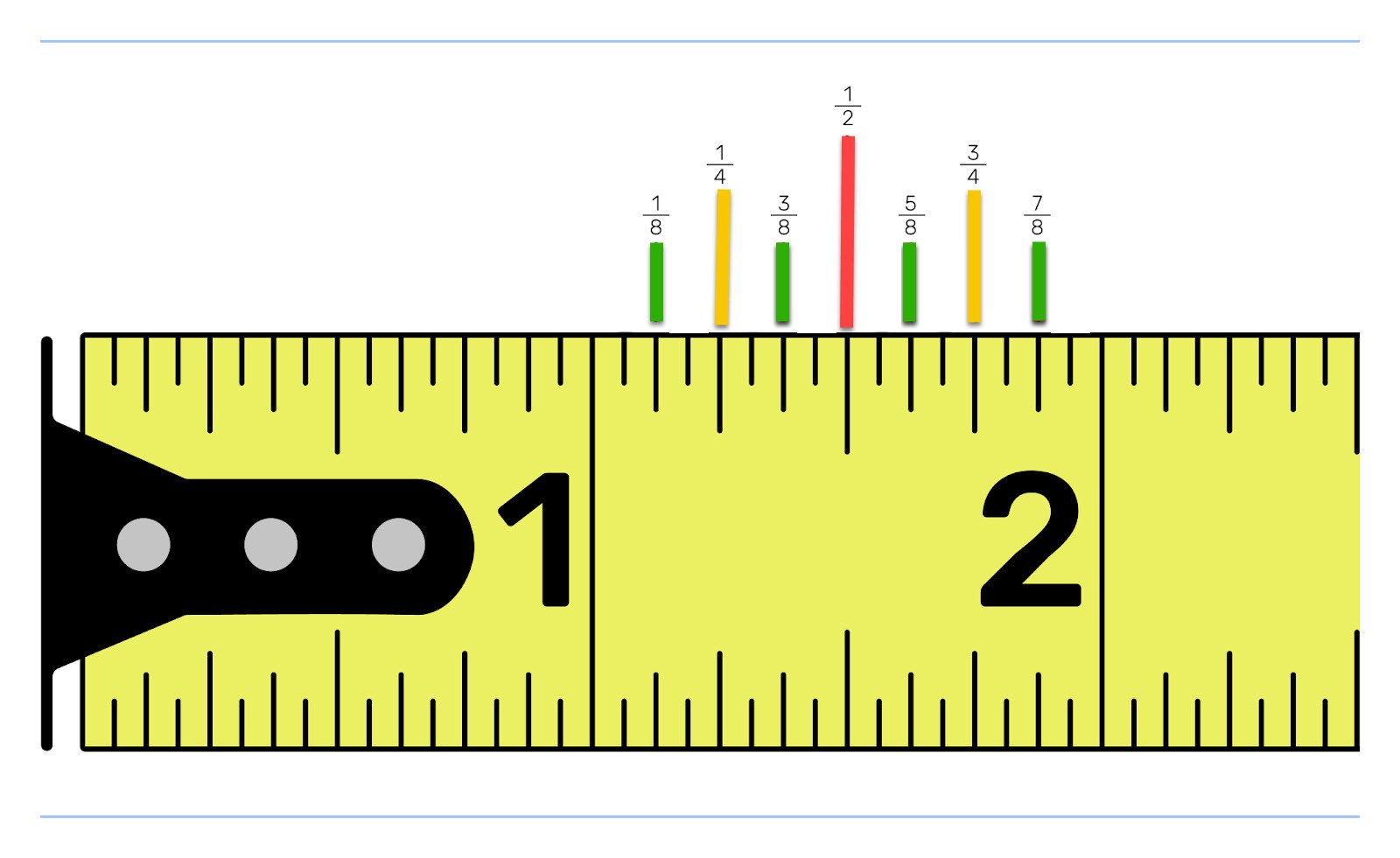
The Historical Significance of 1/8 in the Stock Market
To understand the weight of 1/8, one must look at the history of the New York Stock Exchange (NYSE). Until the turn of the millennium, stock prices in the United States were not quoted in decimals like $10.50 or $20.75. Instead, they were quoted in fractions, with the “eighth” being the standard increment for price movements.
The Origin of “Pieces of Eight”
The use of eighths in the American financial system dates back to the 18th century. At the time, the most reliable and widely used currency in the Americas was the Spanish silver dollar, also known as the “piece of eight.” These coins were physically designed to be chopped into eight smaller pieces, or “bits,” to provide change for transactions. Two bits equaled a quarter, and four bits equaled a half-dollar. When the NYSE was founded under the Buttonwood Agreement in 1792, traders adopted this Spanish system. This legacy persisted for over two centuries, meaning that if a stock price moved “up a bit,” it literally meant it had increased by 1/8 of a dollar, or 12.5 cents.
The Shift to Decimalization
The transition from fractions to decimals was a landmark event in financial history. On January 29, 2001, the NYSE and the American Stock Exchange completed their move to decimalization. Before this shift, the minimum “tick size” (the smallest amount a price could move) was 1/8 of a dollar. Critics argued that this system benefited market makers by keeping “spreads”—the difference between the buy and sell price—wide. By moving to decimals, the minimum increment dropped to $0.01, significantly reducing costs for individual investors and increasing market liquidity. While 1/8 is no longer the required increment, its influence remains in the way older traders conceptualize market depth and volatility.
Why the Fraction Persisted
You might wonder why a modern economy clung to 1/8 for so long. The primary reason was tradition and the perceived stability of larger increments. Proponents of the fractional system argued that 1/8 provided a psychological floor that prevented hyper-volatility. However, as technology improved and trading volumes exploded, the 12.5-cent gap became an unnecessary tax on the average person’s portfolio. The move away from 1/8 marked the beginning of the “pro-retail” era of investing we see today.
Fractional Investing: How 1/8 of a Share Changes the Game
While the stock market moved away from 1/8 as a pricing increment, the concept has been reborn in a much more exciting way: fractional share investing. Today, “what is 1/8” is often a question asked by a new investor looking to buy a piece of a high-priced company like Berkshire Hathaway or Amazon without needing thousands of dollars upfront.
Democratizing Access to Blue-Chip Stocks
In the past, if a stock was trading at $1,000 and you only had $125, you were locked out of the market. Modern financial tools and brokerage apps have solved this through fractional ownership. Buying 1/8 of a share allows an individual to participate in the growth of a high-value asset with a relatively small capital outlay. This has shifted the focus from “how many shares can I buy?” to “how many dollars can I invest?” For the average worker starting a side hustle or saving from their primary income, 1/8 of a share is a viable entry point into wealth creation.
The Power of Dollar-Cost Averaging
Fractional shares are the engine behind “dollar-cost averaging” (DCA), a core strategy in personal finance. When you set an automated investment of $50 a week into an S&P 500 ETF or a tech stock, you are rarely buying whole shares. Instead, you are accumulating fractions—1/8 here, 1/20 there. Over time, these fragments compound. This approach removes the emotional stress of “timing the market” and allows even those on a tight budget to build a diversified portfolio that mirrors the holdings of institutional investors.
Portfolio Rebalancing and Precision
For the sophisticated personal financier, 1/8 represents a level of precision in portfolio management. If your target allocation for a specific sector is 12.5% (which is exactly 1/8 of your total portfolio), fractional shares allow you to hit that target precisely. Without the ability to buy fractions, your portfolio’s weightings would be dictated by the price of the shares, rather than your actual risk tolerance and financial goals.
The Role of 1/8 in Interest Rates and Bond Yields
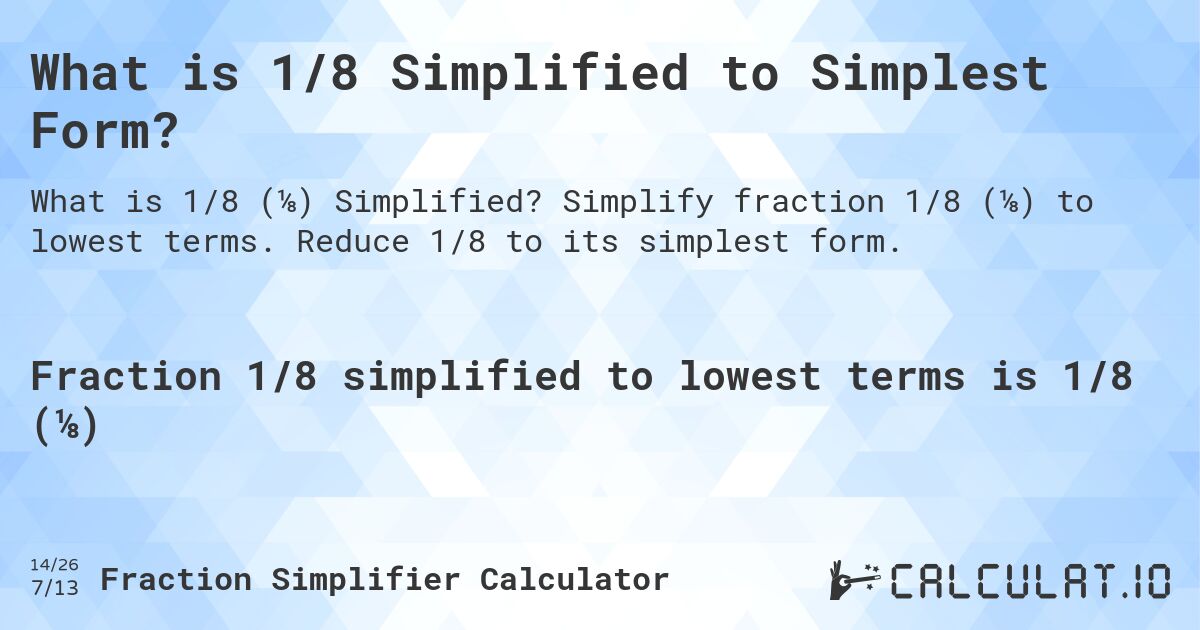
Beyond the stock market, 1/8 remains a critical figure in the world of fixed income and lending. If you have ever applied for a mortgage or looked at a corporate bond, you have likely seen interest rates quoted in eighths of a percent.
The “Eighth” in Mortgage Lending
When the Federal Reserve adjusts interest rates, or when banks set their prime rates, the increments often fall on 1/8th intervals (e.g., 5.125%, 5.250%, 5.375%). While 0.125% (the decimal equivalent of 1/8) might seem negligible, on a $400,000 mortgage over 30 years, an extra 1/8 of a percent can result in thousands of dollars in additional interest payments. For a borrower, understanding the impact of 1/8 is essential for long-term financial planning and debt management.
Yield Spreads and Basis Points
In the professional investing world, 1/8 of a percent is often discussed in “basis points.” One basis point is 1/100th of a percentage point. Therefore, 1/8 of a percent is equal to 12.5 basis points. Traders and institutional investors watch these 12.5-point movements with intense scrutiny. In the bond market, where billions of dollars move based on minute fluctuations in yield, 1/8 of a percent can represent a massive shift in capital value. Understanding this “micro-movement” is what separates amateur savers from professional wealth managers.
Impact on Business Finance and Commercial Loans
For business owners, 1/8 is a common factor in commercial loan agreements and lines of credit. Often, a bank will offer a rate of “LIBOR plus 1/8” or “SOFR plus 1/8.” This tiny margin is how banks generate profit while staying competitive. A business leader who understands that 1/8 of a percent can affect their bottom line is better equipped to negotiate terms and manage the company’s debt-to-equity ratio.
Calculating Value: 1/8 in Real Estate and Business Equity
The fraction 1/8 also plays a vital role in the structural side of business finance—specifically in equity splits, commissions, and real estate ownership.
Equity Splits in Startups
When a founder is looking to bring on early employees or seed investors, 12.5% (1/8) is a common equity milestone. It represents a significant stake that conveys a high level of trust and skin in the game, yet leaves enough room for future rounds of funding. For a professional looking at a job offer with stock options, understanding that an 1/8th stake in a company that eventually goes public can lead to generational wealth is a key component of career strategy.
Real Estate Commissions and Co-Ownership
In the real estate market, while the standard 6% commission is well-known, various referral fees and co-brokerage agreements often break down into fractions of that total. Furthermore, in “Tenancy in Common” (TIC) arrangements, investors may own 1/8 of a commercial property. This allows for diversification across multiple properties rather than sinking all capital into a single building. Being able to calculate the ROI on a 1/8th share of a multi-unit development is a fundamental skill for any serious real estate investor.
Tax Implications of Fractional Ownership
From a financial tool perspective, owning 1/8 of an asset comes with specific tax considerations. Whether it is 1/8 of a rental property or 1/8 of a business, the IRS requires precise reporting of gains, losses, and depreciation relative to that specific fraction. Using financial software to track these “eighths” ensures that an investor is not overpaying on taxes while maximizing their legal deductions.
The Future of Micro-Fractions in the Digital Economy
As we move further into the 21st century, the concept of 1/8 is being pushed even further by the digital economy. We are transitioning from a world of “eighths” to a world of “satoshi-level” precision.
Beyond the Eighth: The Crypto Influence
In the cryptocurrency market, the smallest unit of a Bitcoin is a Satoshi, which is one hundred-millionth of a Bitcoin. While 1/8 of a Bitcoin is currently a significant amount of money, the mindset of the modern digital investor has been trained to think in even smaller fractions. This “fractional-first” mentality is now bleeding back into traditional finance, forcing legacy institutions to update their tools to handle hyper-fractionalized assets.
The Integration of AI and Financial Tools
New AI-driven financial tools are making the management of these fractions invisible to the user. Whether it is an app that rounds up your coffee purchase to the nearest dollar and invests the “1/8” of a dollar into a diversified fund, or a robo-advisor that rebalances your portfolio using 1/8th increments, technology has made the math of fractions seamless. The “what is 1/8” question is increasingly answered by algorithms that optimize our wealth in the background.
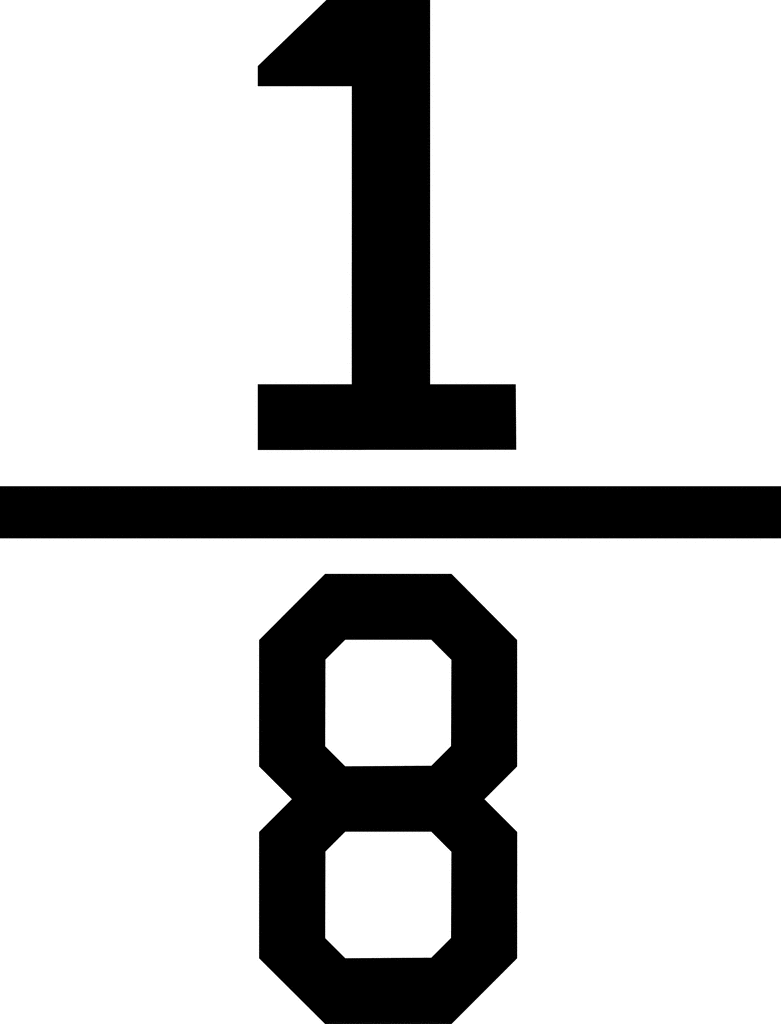
Conclusion: Why 1/8 Still Matters
In conclusion, 1/8 is not just a fraction; it is a financial building block. It represents the transition from the physical “pieces of eight” of the 1700s to the fractional shares that allow a teenager with a smartphone to own a piece of the world’s largest companies today. Whether it is the interest rate on your home, the equity in your startup, or the slippage in a stock trade, 1/8 remains a vital measurement of value. By mastering the history and application of this fraction, you gain a deeper insight into the mechanics of money, allowing you to make more informed, professional, and profitable financial decisions.
aViewFromTheCave is a participant in the Amazon Services LLC Associates Program, an affiliate advertising program designed to provide a means for sites to earn advertising fees by advertising and linking to Amazon.com. Amazon, the Amazon logo, AmazonSupply, and the AmazonSupply logo are trademarks of Amazon.com, Inc. or its affiliates. As an Amazon Associate we earn affiliate commissions from qualifying purchases.