
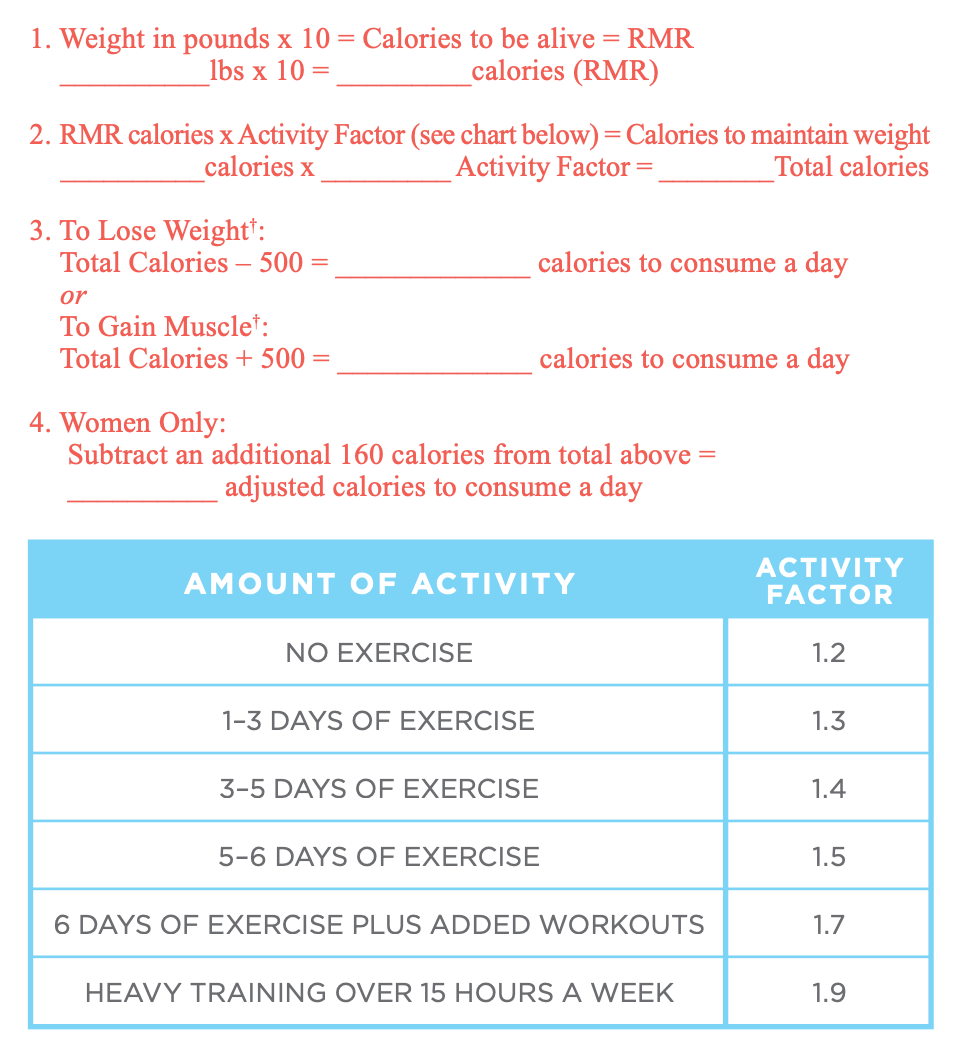
In the early eras of health and fitness, determining one’s caloric needs was an exercise in guesswork and rudimentary mathematics. Individuals relied on standardized charts or static formulas developed in clinical settings decades ago. However, the intersection of health and technology has revolutionized this process. Today, determining calorie intake is less about manual calculation and more about leveraging sophisticated software, artificial intelligence, and biometric sensors.
As we move deeper into the decade, the “quantified self” movement has turned the human body into a data stream. This article explores how technology—from AI-driven predictive modeling to wearable hardware—now serves as the primary engine for determining precise caloric requirements with clinical-grade accuracy.
The Evolution of Metabolic Tracking: From Manual Math to AI Precision
Historically, the gold standard for determining calorie intake was the Mifflin-St Jeor equation or the Harris-Benedict formula. While these mathematical models provided a baseline, they were inherently flawed because they treated human metabolism as a static variable. They could not account for daily fluctuations in non-exercise activity thermogenesis (NEAT), hormonal shifts, or metabolic adaptation.
The Limitations of Legacy Formulas
Legacy formulas rely on four primary inputs: age, gender, weight, and height. In a digital-first world, these inputs are viewed as “static data.” The problem with static data is that it fails to capture the dynamic reality of human biology. For instance, two individuals with identical biometric markers may have vastly different Basal Metabolic Rates (BMR) due to muscle density or thyroid function—nuances that a pen-and-paper formula simply cannot see.
AI-Driven Predictive Modeling for TDEE
Modern tech has solved this through the implementation of artificial intelligence and machine learning. Total Daily Energy Expenditure (TDEE) is now calculated using “dynamic data.” Advanced software platforms now utilize recursive algorithms that adjust your caloric ceiling based on real-time feedback. If an individual logs their food and weight over a fourteen-day period, machine learning models can identify the specific “energy gap,” determining the exact maintenance calories required with a margin of error far lower than traditional formulas. These algorithms “learn” the user’s metabolic speed, adjusting recommendations automatically as the user loses or gains weight.
The Ecosystem of Wearable Tech and Biometric Feedback
The hardware on our wrists and fingers has become the most vital tool in the quest to determine calorie intake. Wearable technology has bridged the gap between theoretical expenditure and actual biological activity.
Smartwatches and Photoplethysmography (PPG)
Devices such as the Apple Watch, Garmin, and Whoop use PPG sensors to monitor heart rate variability (HRV) and resting heart rate. By processing these signals through proprietary algorithms, these devices can estimate active calorie burn with increasing precision. Tech developers are now integrating multi-wavelength sensors that can distinguish between high-intensity intervals and low-level stress, ensuring that the “calories burned” metric—which directly dictates “calories allowed”—is not artificially inflated.
Integrating Continuous Glucose Monitors (CGMs) for Metabolic Clarity
Perhaps the most significant technological leap in determining caloric needs is the consumerization of Continuous Glucose Monitors (CGMs). Originally medical devices for diabetics, tech companies like Levels and Nutrisense have repurposed them for the general fitness market. By tracking blood glucose responses to specific foods in real-time, these tools allow users to determine their “caloric efficiency.” If a specific caloric intake causes massive glucose spikes and crashes, the software may suggest a recalibration of macronutrient ratios or a reduction in total intake to maintain metabolic flexibility. This represents a shift from quantity-based tracking to quality-and-response tracking.

Software Solutions: The Role of Mobile Apps in Caloric Auditing
While hardware tracks expenditure, software is responsible for auditing intake. The sophistication of nutritional databases and the user interface of mobile applications have turned calorie counting from a chore into a seamless data-entry process.
Database Accuracy and Machine Learning Image Recognition
The primary hurdle in determining calorie intake has always been the accuracy of food logging. Tech leaders in this space are now utilizing computer vision—a branch of AI—to identify food items via a smartphone camera. Instead of searching a database for “avocado toast,” users can simply point their camera at the plate. The software analyzes the volume, estimates the weight using depth-sensors (LiDAR), and cross-references the image with massive nutritional libraries. This reduces user error and provides a more honest reflection of caloric intake.
The Impact of API Integration across Health Platforms
We no longer live in a world of siloed data. The modern tech ecosystem relies on the “Health API.” When a smart scale (like those from Withings) records a weight change, that data is instantly pushed to a nutrition app (like MyFitnessPal or Cronometer), which then communicates with a fitness tracker (like Oura). This interconnectedness allows the software to determine calorie intake holistically. If the scale moves up while activity levels remain constant, the API-connected ecosystem can automatically throttle the recommended daily calorie goal without the user having to press a single button.
Digital Security and Data Privacy in Health Tracking
As we rely more on technology to determine our caloric needs and manage our metabolic health, we generate an unprecedented amount of sensitive biometric data. This has moved the conversation from “how many calories” to “how is my data protected?”
Protecting Sensitive Biometric Information
Health tech companies are increasingly adopting end-to-end encryption to protect user profiles. Because metabolic data is often linked to identity, location, and even insurance-relevant health markers, digital security is now a fundamental feature of any reputable calorie-tracking software. The transition to “Local Processing”—where the AI calculates your caloric needs on your device rather than in the cloud—is a growing trend aimed at enhancing privacy while maintaining high-speed calculations.
The Future of Decentralized Health Data
We are seeing the early stages of blockchain integration in health tech. Decentralized health platforms allow users to own their metabolic data, potentially “renting” it to researchers in exchange for tokens while keeping their identity anonymous. This shift ensures that the technology used to determine calorie intake serves the user first, rather than being a tool for third-party data aggregators.
Future Trends: Genomic Mapping and Personalized Tech
The final frontier in determining calorie intake lies in the integration of nutrigenomics. Technology is now moving toward analyzing an individual’s DNA to determine how their body processes specific nutrients.
By uploading a genetic profile to a nutrition-tech platform, a user can discover if they have a genetic predisposition to slow carbohydrate metabolism or high fat sensitivity. Future iterations of health apps will likely combine this genetic “blueprint” with real-time biometric data from wearables. This will move us away from “calories” as a universal unit and toward a personalized “energy score,” where the tech determines intake based on your unique genetic and environmental context.
In conclusion, determining calorie intake has transitioned from a manual, error-prone task to a high-tech discipline. Through the synergy of AI, sophisticated wearables, and interconnected software ecosystems, we can now map our nutritional needs with a level of precision that was once reserved for elite athletes and clinical laboratories. As these technologies continue to evolve, the “guesswork” of nutrition will be replaced by a seamless, data-driven experience, allowing for optimized health and performance through the power of the digital algorithm.
aViewFromTheCave is a participant in the Amazon Services LLC Associates Program, an affiliate advertising program designed to provide a means for sites to earn advertising fees by advertising and linking to Amazon.com. Amazon, the Amazon logo, AmazonSupply, and the AmazonSupply logo are trademarks of Amazon.com, Inc. or its affiliates. As an Amazon Associate we earn affiliate commissions from qualifying purchases.