
The question of how much a currency is “worth” is deceptively simple. If you look at a one-dollar bill, its face value is clearly printed: one dollar. However, in the complex world of global finance, value is never static. The worth of the United States Dollar (USD) is a multi-dimensional concept that fluctuates based on purchasing power, international exchange rates, and its status as the world’s primary reserve currency.
For investors, business owners, and everyday consumers, understanding the value of the US currency is essential for navigating the modern financial landscape. To determine what the dollar is truly worth, we must look beyond the paper and ink and examine the economic machinery that gives it power.

The Foundations of US Currency Value: From Gold to Fiat
To understand the current worth of the US dollar, one must first understand what backs it. Historically, the value of the dollar was tied to a physical commodity—gold. Under the Bretton Woods system established after World War II, the dollar was convertible to gold at a fixed rate, and other global currencies were pegged to the dollar.
The Transition to Fiat Currency
In 1971, the United States officially moved away from the gold standard, transitioning to a “fiat” currency system. A fiat currency has no intrinsic value and is not backed by a physical commodity like gold or silver. Instead, its worth is derived from the “full faith and credit” of the U.S. government. Today, the dollar’s value is sustained by economic stability, military might, and the legal requirement that it be accepted for all debts, public and private.
The Role of the Federal Reserve
The Federal Reserve, the central bank of the United States, plays a pivotal role in determining the dollar’s worth. Through monetary policy, the Fed manages the money supply and sets interest rates. When the Fed increases the money supply too rapidly, the value of each individual dollar typically decreases. Conversely, by tightening the money supply or raising interest rates, the Fed can strengthen the dollar’s value relative to other assets and currencies.
Measuring the Dollar’s Worth: Internal vs. External Value
When economists discuss the value of the US currency, they generally distinguish between two different measurements: internal purchasing power and external exchange value.
Purchasing Power and the Impact of Inflation
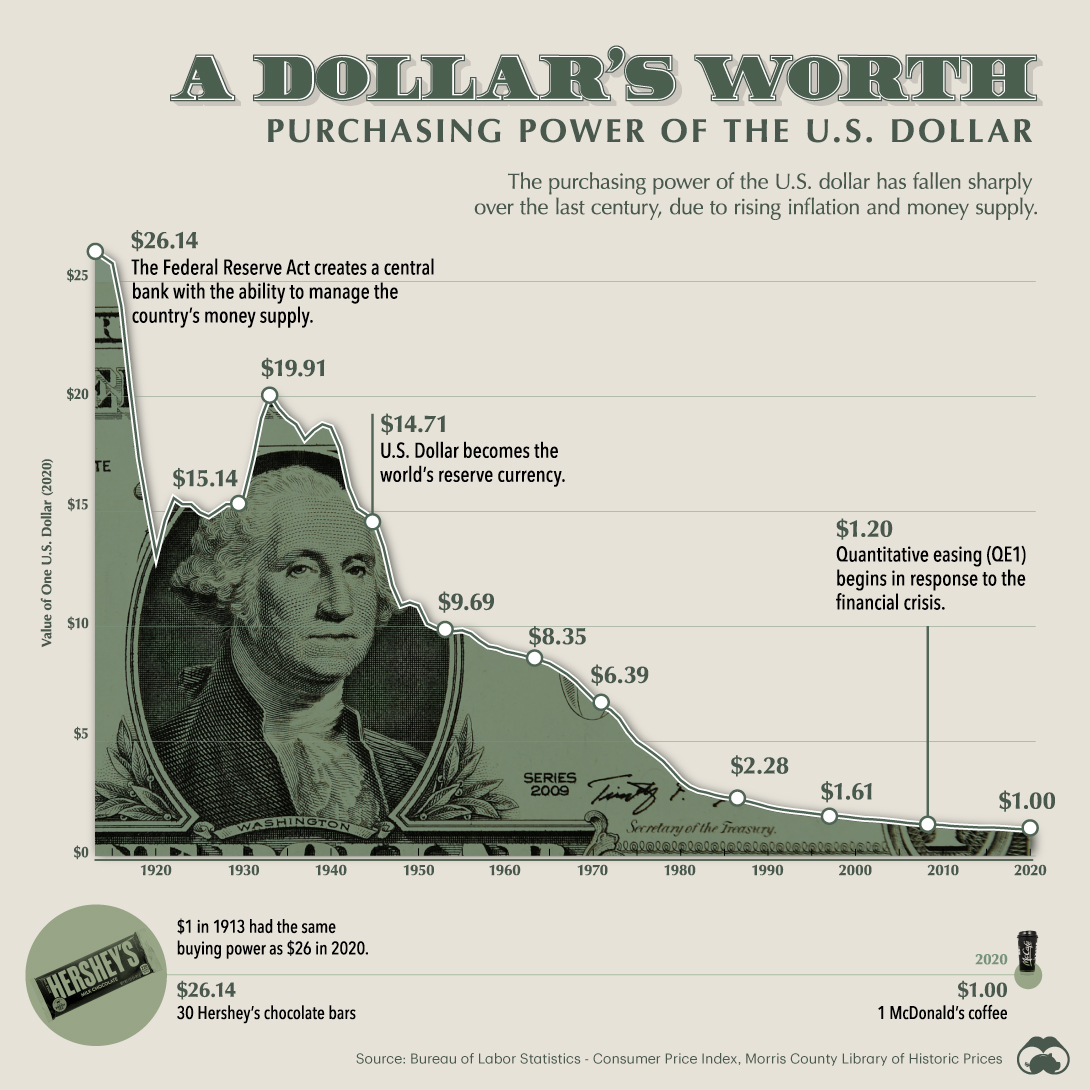
Internal value refers to how much a dollar can buy within the United States. This is most commonly measured by the Consumer Price Index (CPI), which tracks the cost of a “basket” of goods and services over time. When inflation is high, the purchasing power of the dollar declines—meaning your money is worth “less” because it buys fewer groceries, gallons of gas, or months of rent. Over the last century, the US dollar has lost over 95% of its internal purchasing power, a natural result of long-term inflationary targets set by central banks.
The US Dollar Index (DXY)
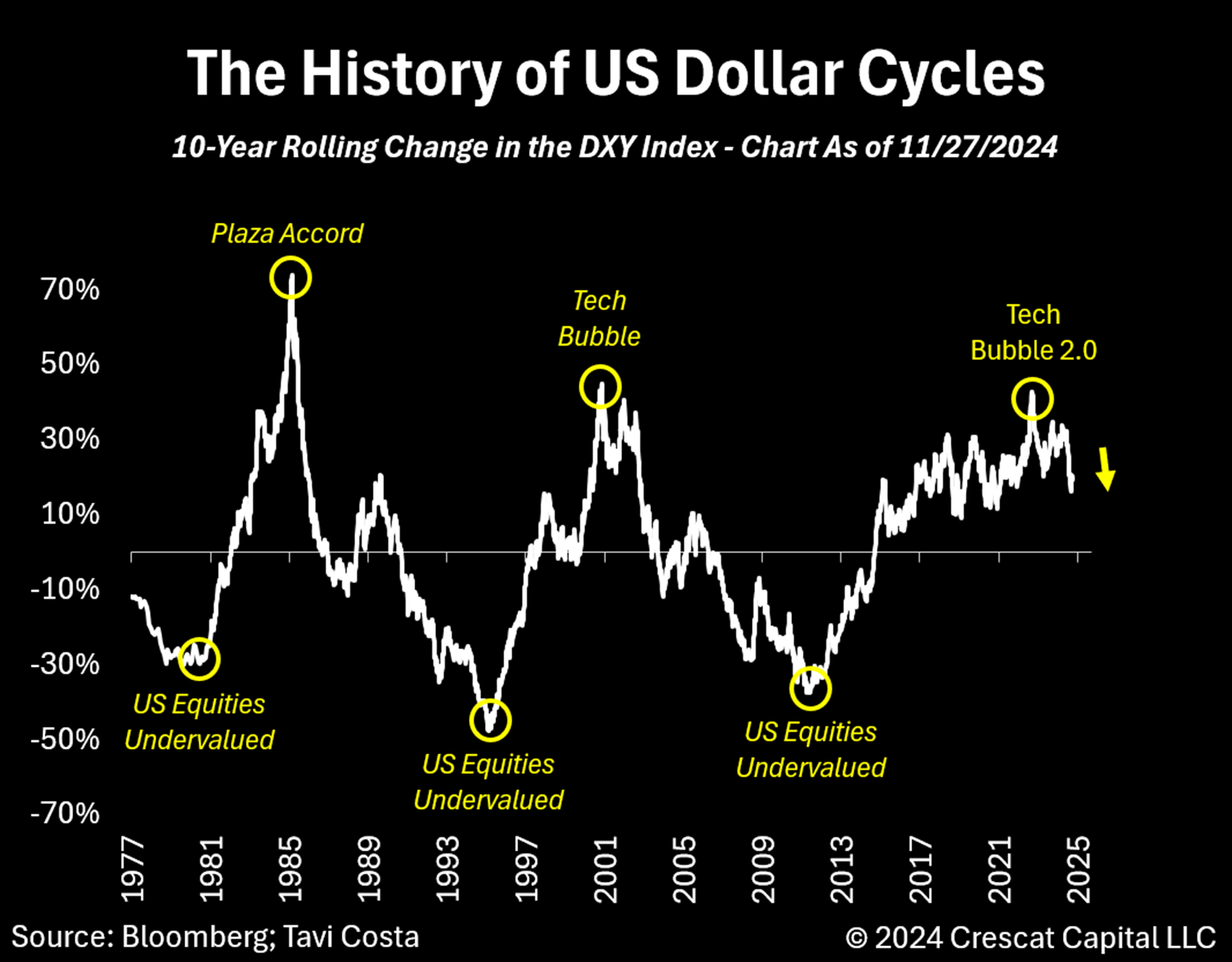
To measure the dollar’s worth on the global stage, traders use the US Dollar Index (DXY). This index tracks the value of the USD against a basket of six major world currencies: the Euro, Japanese Yen, British Pound, Canadian Dollar, Swedish Krona, and Swiss Franc. When the DXY is high, the dollar is “strong,” meaning it can buy more foreign currency. When the DXY is low, the dollar is “weak.” A strong dollar makes foreign travel and imported goods cheaper for Americans but makes US exports more expensive for the rest of the world.
Foreign Exchange (Forex) Market Dynamics
In the Forex market, the worth of the dollar is determined by supply and demand. If international investors want to buy US Treasuries or invest in American tech companies, they must first buy dollars. This increased demand drives up the “price” (value) of the currency. Factors such as political stability, GDP growth, and trade balances all influence how much a foreign entity is willing to pay for a single US dollar.
The US Dollar as the Global Reserve Currency
One of the primary reasons the US currency maintains a high value despite significant national debt is its status as the world’s “reserve currency.” This status grants the dollar a level of demand that no other currency currently enjoys.
Why Central Banks Hold USD
Central banks around the world hold massive quantities of US dollars in their reserves. This is done to stabilize their own currencies, facilitate international trade, and provide a cushion during economic crises. Because the US has the largest and most liquid bond market in the world, the dollar is seen as the safest place to store wealth. As long as the world views the US as a stable economic environment, the demand for dollars remains high, propping up its value.
The Petrodollar and Global Trade
The “worth” of the dollar is also reinforced by its dominance in global commodity markets. Most notably, oil is priced and traded almost exclusively in US dollars—a system often referred to as the “Petrodollar” system. If a country wants to buy oil from Saudi Arabia or the UAE, they generally need US dollars to complete the transaction. This creates a perpetual, global structural demand for US currency, ensuring it remains valuable even during periods of domestic economic cooling.
Factors Influencing Modern Currency Fluctuations
The value of the US dollar is never static; it reacts in real-time to global events and economic data. Understanding these drivers is key for anyone involved in investing or international business.
Interest Rates and Yield Spreads
Perhaps the most significant driver of the dollar’s worth in the short term is the interest rate environment. When the Federal Reserve raises interest rates, US Treasury bonds offer higher returns (yields). This attracts “hot money” from global investors looking for the best return on their capital. To buy these high-yielding bonds, they must purchase dollars, which drives the currency’s value upward. This is why the dollar often strengthens when the Fed takes a “hawkish” or aggressive stance on interest rates.
Geopolitical Stability and “Safe Haven” Status
In times of global turmoil—whether it be a pandemic, a war, or a financial collapse—investors flee “risky” assets like emerging market currencies or stocks and move into “safe havens.” The US dollar is considered the ultimate safe haven. Paradoxically, even when the source of global instability is centered in the West, the dollar often gains value because it is perceived as the “least dirty shirt in the laundry.” This flight to quality provides a floor for the dollar’s value during times of uncertainty.
The Future Outlook: Challenges to the Dollar’s Dominance
While the US dollar remains the heavyweight champion of global finance, its future value is a subject of intense debate. Several emerging trends could impact how much the US currency is worth in the coming decades.
De-dollarization Trends
In recent years, several nations—most notably the BRICS nations (Brazil, Russia, India, China, and South Africa)—have explored ways to trade in their own local currencies to reduce their reliance on the USD. This process, known as de-dollarization, aims to insulate these economies from US sanctions and Fed-driven volatility. If a significant portion of global trade moves away from the dollar, the structural demand for the currency could drop, potentially leading to a long-term decline in its global exchange value.
Digital Currencies and CBDCs
The rise of digital assets presents both a challenge and an opportunity for the dollar. While decentralized cryptocurrencies like Bitcoin were designed as alternatives to fiat money, the US government is exploring the creation of a Central Bank Digital Currency (CBDC)—a “digital dollar.” A digital version of the USD could modernize payment systems and maintain the dollar’s relevance in a digital-first global economy. However, it also faces competition from other nations, such as China, which has already launched its own digital Yuan.
Long-Term Fiscal Health
Ultimately, the worth of any currency is a reflection of the economic health of the nation that issues it. With US national debt surpassing $34 trillion, some economists worry that the long-term value of the dollar could be threatened by “debt monetization” (printing money to pay off debt). If global investors lose confidence in the US government’s ability to manage its fiscal affairs, the “full faith and credit” that backs the dollar could begin to erode.
Conclusion
So, how much is the US currency worth? The answer depends on your perspective. To a consumer at a grocery store, it is worth the goods it can be traded for today—a value that is slowly being chipped away by inflation. To a foreign exchange trader, it is a volatile asset whose value is measured against the Euro or the Yen. To a central banker, it is the bedrock of the global financial system.
While the US dollar faces challenges from rising debt and geopolitical shifts, it currently remains the most powerful and widely used currency on the planet. Its worth is sustained by a unique combination of historical momentum, military strength, and a deep, liquid financial market. For the foreseeable future, the dollar will likely remain the standard by which all other measures of wealth are judged, even as its internal and external values continue their eternal dance of fluctuation.
aViewFromTheCave is a participant in the Amazon Services LLC Associates Program, an affiliate advertising program designed to provide a means for sites to earn advertising fees by advertising and linking to Amazon.com. Amazon, the Amazon logo, AmazonSupply, and the AmazonSupply logo are trademarks of Amazon.com, Inc. or its affiliates. As an Amazon Associate we earn affiliate commissions from qualifying purchases.