
For residents of the Lone Star State, managing personal finances requires a keen eye on one of the largest line items in any household budget: health insurance. Texas represents one of the most complex insurance markets in the United States, characterized by a high degree of competition among providers but also significant variability in costs based on geography, age, and coverage levels. Understanding “how much” health insurance costs in Texas is not just about the monthly premium; it is about calculating the total financial risk and leveraging available tools to protect your wealth.
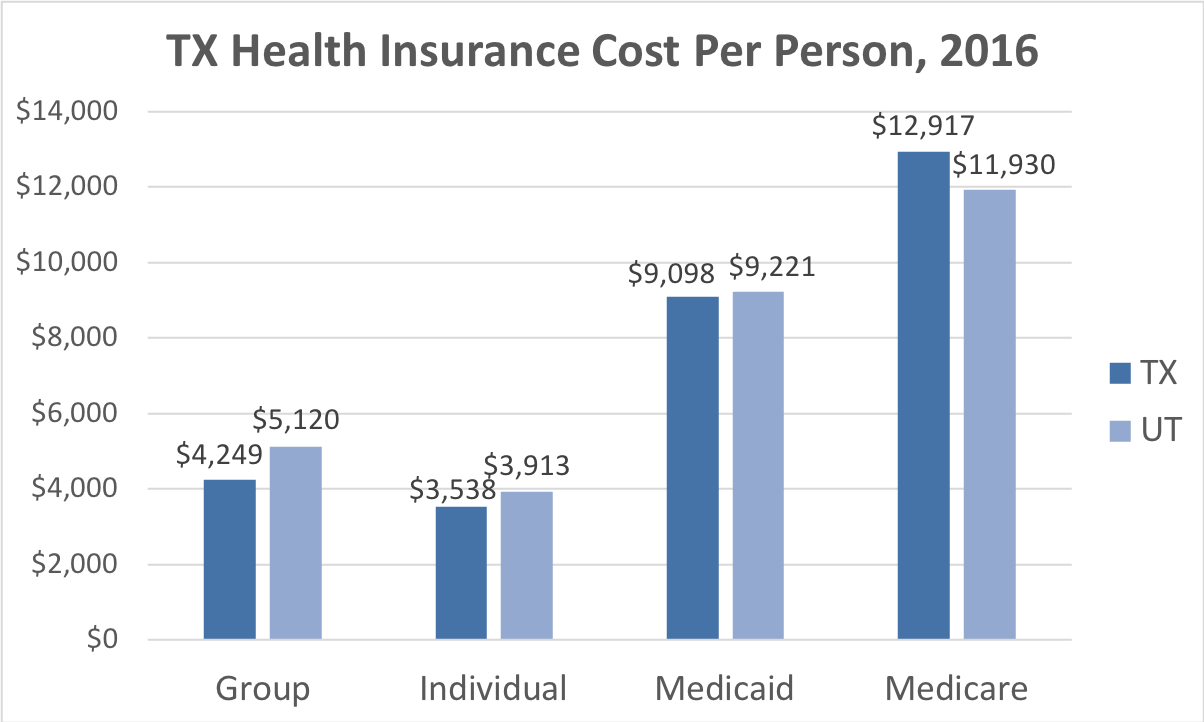
In this guide, we will break down the financial architecture of Texas health insurance, exploring the variables that dictate pricing and the strategic ways Texans can optimize their healthcare spending.
Understanding the Primary Cost Drivers of Texas Health Plans
The cost of health insurance in Texas is not a flat rate. Because Texas utilizes the federal marketplace (HealthCare.gov) and maintains a robust private market, prices are determined by a specific set of actuarial factors allowed under the Affordable Care Act (ACA).
Age and Location: Why Your Zip Code Matters
Age is perhaps the most significant legal determinant of health insurance premiums in Texas. Generally, older applicants can be charged up to three times more than younger applicants for the same coverage. From a financial planning perspective, this means healthcare costs must be projected to rise significantly as one approaches retirement.
Geography also plays a critical role. Texas is divided into several “rating areas.” A resident in a high-competition urban hub like Dallas or Houston may find more aggressive pricing and a wider variety of plans than someone in a rural part of West Texas or the Panhandle, where fewer providers might lead to higher premiums due to lack of competition and higher costs of delivering care in remote areas.
Plan Metal Levels: Choosing Your Financial Exposure
The “Metal Level” system—Bronze, Silver, Gold, and Platinum—does not refer to the quality of medical care but rather the distribution of financial responsibility between the insurer and the policyholder.
- Bronze Plans: These have the lowest monthly premiums but the highest out-of-pocket costs when you need care. They are often the choice for those who want “catastrophic” protection to prevent bankruptcy but don’t expect frequent doctor visits.
- Silver Plans: These represent the middle ground and are the most popular in Texas. They are particularly important because they are the only plans eligible for “Cost-Sharing Reductions” (CSRs) for lower-income households.
- Gold and Platinum Plans: These carry high monthly premiums but offer the lowest deductibles and copays. From a budgeting standpoint, these are preferred by individuals with chronic conditions who require predictable monthly expenses rather than large, unexpected medical bills.
Tobacco Use and Premium Surcharges
Texas insurers are permitted to charge tobacco users up to 50% more in premiums. This “tobacco surcharge” is one of the few personal lifestyle factors that can legally impact your rate. For a family budget, this can translate to thousands of dollars in additional annual expenses, making smoking cessation a significant “financial” win as much as a health one.
Average Monthly Premiums: What Texans Are Paying
While prices fluctuate annually, examining the averages provides a benchmark for personal budgeting. In Texas, the average monthly premium for an individual on a benchmark Silver plan typically ranges between $450 and $550 for a 40-year-old, though this varies wildly based on the factors mentioned above.
Individual vs. Family Coverage Costs
When moving from individual to family coverage, the math isn’t always linear. In Texas, a family’s premium is generally the sum of the premiums for each individual family member (though only the three oldest children under 21 are usually counted toward the total premium). For a family of four with parents in their late 30s, monthly premiums can easily exceed $1,200 to $1,600 before any subsidies are applied. This highlights the necessity of evaluating employer-sponsored insurance versus the individual market.
The Role of the ACA Marketplace
The majority of Texans who do not have insurance through an employer look to the federal Marketplace. The marketplace is designed to be a competitive environment where private companies like Blue Cross Blue Shield of Texas, Ambetter, and Oscar Health vie for market share. The “sticker price” on the marketplace is often high, but the majority of Texans qualify for financial assistance that brings the “net cost” down significantly.

Off-Exchange and Private Insurance Options
For those who do not qualify for subsidies—often high-earning self-employed individuals—looking “off-exchange” can sometimes provide more flexibility. Private plans may offer different networks (such as broader PPOs) that aren’t available on the marketplace. However, it is vital to ensure these plans are “ACA-compliant,” meaning they cover pre-existing conditions and essential health benefits, to avoid the financial ruin of a denied claim.
Factoring in Out-of-Pocket Expenses and Total Cost of Ownership
To truly understand “how much” health insurance is, one must look past the premium and calculate the Maximum Out-of-Pocket (MOOP) limit. This is the absolute most you would have to pay in a calendar year for covered services.
Deductibles, Copays, and Coinsurance
A “low-cost” plan with a $300 premium might carry a $9,000 deductible. If you have an accident in February, your “cheap” insurance just cost you $9,000 plus your premiums.
- The Deductible: The amount you pay before the insurance company starts to pay.
- Copays/Coinsurance: Your share of the costs (either a flat fee or a percentage) after the deductible is met.
When comparing plans, a “Total Cost of Ownership” (TCO) approach is best:(Annual Premium) + (Expected Out-of-Pocket Costs) = TCO.
Network Types: HMO, PPO, and EPO Financial Implications
The structure of the provider network directly impacts your wallet.
- HMO (Health Maintenance Organization): Usually the most affordable but requires referrals and limits you strictly to in-network doctors.
- PPO (Preferred Provider Organization): Most expensive but offers the greatest flexibility to see specialists without referrals and provides some coverage for out-of-network care.
- EPO (Exclusive Provider Organization): A middle-ground option that doesn’t require referrals but offers no coverage for out-of-network care except in emergencies. In Texas, many marketplace plans have shifted toward HMO or EPO models to keep premiums lower.
Leveraging Financial Assistance and Tax Credits
Texas has not expanded Medicaid, which makes the role of federal subsidies even more critical for managing healthcare costs. For many, these subsidies are the difference between being insured and being priced out of the market.
Premium Tax Credits (Subsidies) Explained
The Advance Premium Tax Credit (APTC) is a federal subsidy that lowers your monthly insurance payment. It is based on your estimated household income for the year. In Texas, if your income falls between 100% and 400% of the Federal Poverty Level (FPL)—and currently even higher due to the Inflation Reduction Act enhancements—you likely qualify. For many Texans, these credits can reduce a $500 premium to under $50.
Cost-Sharing Reductions (CSRs)
If you earn between 100% and 250% of the FPL and choose a Silver-level plan, you qualify for CSRs. These are “hidden” subsidies that lower your deductible, copayments, and out-of-pocket maximum. From a wealth-management perspective, a Silver plan with CSRs often provides the best value in the Texas market, offering Gold-level benefits at Silver-level prices.
Health Savings Accounts (HSAs) as a Wealth-Building Tool
For those who are healthy and looking to optimize their finances, a High Deductible Health Plan (HDHP) compatible with an HSA is a powerful strategy.
- Triple Tax Advantage: Contributions are tax-deductible, growth is tax-free, and withdrawals for medical expenses are tax-free.
- Long-term Investing: Unlike Flexible Spending Accounts (FSAs), HSA funds roll over every year. In Texas, where many individuals are entrepreneurs or contractors, the HSA serves as a secondary retirement account that protects against future healthcare costs.

Conclusion: Making the Financially Sound Choice
Determining the cost of health insurance in Texas requires looking beyond the monthly bill. It is a balancing act between fixed costs (premiums) and variable risks (deductibles and out-of-pocket maximums).
To secure the best financial outcome:
- Analyze your medical history: If you utilize healthcare often, pay the higher premium for a Gold plan to cap your out-of-pocket exposure.
- Check for subsidies: Use the Marketplace tools to see if your income entitles you to tax credits that can slash your costs.
- Consider the HSA: If you are disciplined with your savings and relatively healthy, use an HDHP to lower your premiums and build a tax-advantaged health nest egg.
In the Texas market, being an informed consumer is the most effective way to ensure that your health insurance protects not just your physical well-being, but your financial future as well.
aViewFromTheCave is a participant in the Amazon Services LLC Associates Program, an affiliate advertising program designed to provide a means for sites to earn advertising fees by advertising and linking to Amazon.com. Amazon, the Amazon logo, AmazonSupply, and the AmazonSupply logo are trademarks of Amazon.com, Inc. or its affiliates. As an Amazon Associate we earn affiliate commissions from qualifying purchases.