
Navigating the landscape of personal finance often feels like walking through a dense fog. Whether you are looking to purchase your first home, upgrade to a larger vehicle, or commit to a significant life milestone, the central question remains the same: “How much can I actually afford?” In the modern financial era, the “How Much Can I Afford” calculator has evolved from a simple spreadsheet to a sophisticated digital tool designed to provide clarity, confidence, and a roadmap to fiscal responsibility.
Understanding the mechanics of these calculators is about more than just plugging in numbers; it is about understanding the delicate balance between your aspirations and your economic reality. This article explores the intricacies of affordability tools, the variables that dictate your purchasing power, and how to use these insights to build a sustainable financial future.
The Mechanics of Financial Planning Tools
At its core, an affordability calculator is a predictive model. It takes a snapshot of your current financial health and projects it against a potential future obligation. While many people view these tools as a way to find the “maximum” amount a bank might lend them, the most effective way to use them is to determine the “optimal” amount you should spend to maintain your quality of life.
Beyond Simple Math: What the Calculator Really Measures
Most users assume that an affordability calculator simply subtracts expenses from income. However, high-quality tools delve deeper. They measure liquidity, debt capacity, and long-term solvency. The calculator analyzes your “discretionary income”—the money left over after all mandatory obligations are met. By identifying this margin, the tool helps you visualize how a new monthly payment will impact your ability to save for retirement, invest in the market, or maintain an emergency fund.
The Role of Debt-to-Income (DTI) Ratios
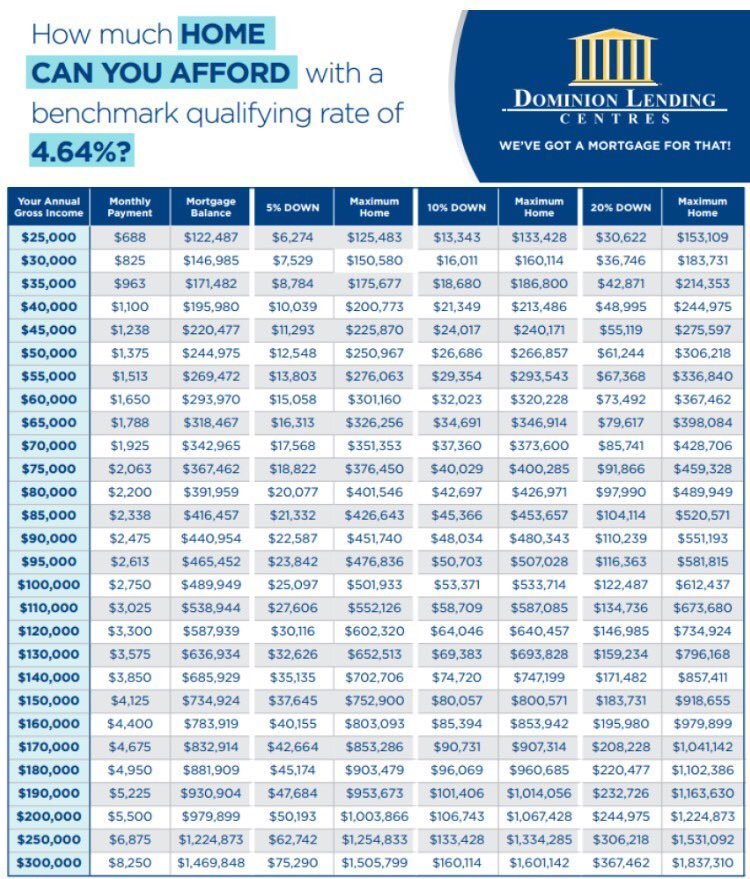
The “engine” behind most affordability calculators is the Debt-to-Income (DTI) ratio. This is the percentage of your gross monthly income that goes toward paying debts. Lenders typically look for a “front-end” ratio (housing costs only) of around 28% and a “back-end” ratio (all debts including credit cards and student loans) of 36% or less. A robust calculator will allow you to toggle these percentages, showing you how a slight decrease in your existing debt can exponentially increase your purchasing power for a new asset.
Input Variables That Define Your Purchasing Power
The accuracy of any calculator is entirely dependent on the quality of the data provided. To get a realistic picture of your financial standing, you must look beyond the surface-level figures and consider the nuances of your income and expenses.
Gross Monthly Income vs. Net Take-Home Pay
One of the most common pitfalls in personal finance is budgeting based on gross income rather than net income. While banks use gross income to determine loan eligibility, your daily life is funded by your “take-home” pay—the amount that hits your bank account after taxes, health insurance, and 401(k) contributions. A professional-grade affordability calculator should allow you to input both. If you calculate affordability based on your $10,000 gross monthly salary but ignore the $3,000 taken out for taxes and benefits, you risk becoming “house poor”—owning a beautiful asset but having no cash left for groceries or leisure.
The Impact of Down Payments and Interest Rates
Your “upfront” capital is the strongest lever you have in the affordability equation. A larger down payment does two things: it reduces the principal loan amount and often secures a lower interest rate. Interest rates are the “silent” variable. Even a 1% difference in an interest rate on a 30-year mortgage can result in tens of thousands of dollars in extra costs over the life of the loan. Affordability calculators allow you to run “what-if” scenarios, showing how waiting six months to save a larger down payment or improve your credit score can fundamentally change what you can afford.
Factoring in Recurring Monthly Debts
To get an honest result, you must be transparent with the calculator regarding your existing liabilities. This includes student loans, car payments, minimum credit card payments, and even child support or alimony. Many people overlook “soft” debts like subscription services or private memberships, but in the eyes of a comprehensive financial plan, every dollar committed elsewhere is a dollar that cannot go toward your new purchase.
The Hidden Costs of Asset Acquisition
A common mistake made by consumers is equating the “monthly loan payment” with the “total cost of ownership.” An affordability calculator is only useful if it accounts for the secondary and tertiary costs associated with a purchase.
Property Taxes, Insurance, and Maintenance
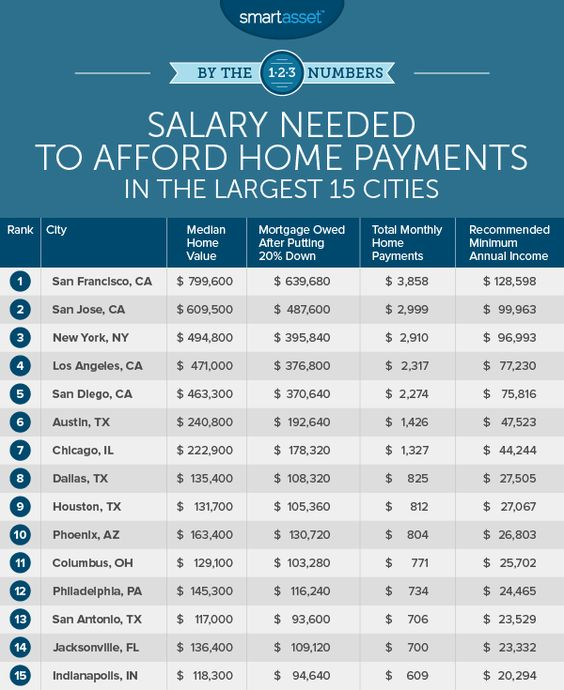
When calculating how much home you can afford, the mortgage is only part of the story. Property taxes and homeowners insurance can add hundreds, if not thousands, of dollars to your monthly obligation. Furthermore, the “1% Rule” of maintenance—the idea that you should set aside 1% of the home’s value annually for repairs—must be factored into your budget. If a calculator tells you that you can afford a $2,500 monthly mortgage payment, you must ensure that this figure includes PITI (Principal, Interest, Taxes, and Insurance) and leaves room for the eventual leaky roof or broken water heater.
The “Lifestyle Creep” Factor in Budgeting
Financial affordability is not static; it is dynamic. As your income grows, so do your expectations. This is known as “lifestyle creep.” A calculator provides a snapshot of today, but a professional financial strategy looks at tomorrow. When using these tools, it is wise to build in a “buffer” for inflation and lifestyle changes. If you are planning to start a family or transition to a new career path, your future expenses will likely rise. Therefore, the “maximum” the calculator says you can afford today might be a “dangerous” amount to commit to for the next decade.
Strategic Use of Calculators in Different Life Stages
The way you interact with an affordability calculator should change depending on where you are in your financial journey. A young professional has different risk tolerances and goals than someone nearing the peak of their earning years.
For First-Time Buyers: Navigating the Unknown
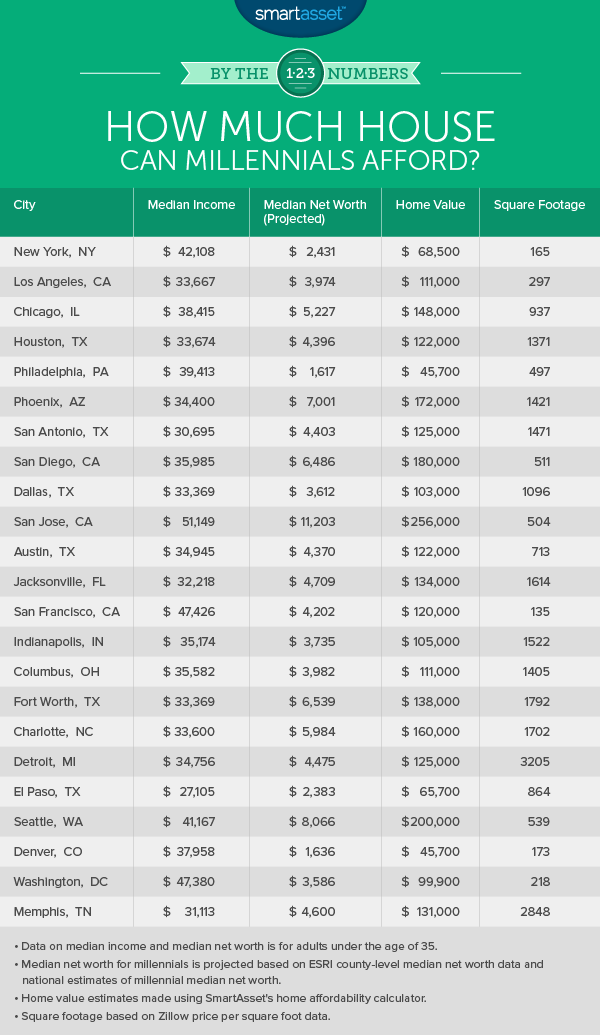
For those making their first major purchase, the calculator serves as an educational tool. It demystifies the relationship between credit scores and interest rates. First-time buyers should use the calculator to determine their “comfort zone” rather than their “ceiling.” By staying 10-15% below the maximum loan amount suggested by the calculator, a first-time buyer retains the flexibility to handle the unexpected costs that inevitably arise when transitioning from renting to owning.
For Upgraders: Managing Equity and New Debt
For those who already own assets and are looking to “move up,” the calculator becomes a tool for managing equity. It helps determine how much of the profit from a current sale should be rolled into the next purchase versus being diverted into long-term investments. In this stage, the calculator helps balance the desire for a better lifestyle with the necessity of maintaining a healthy debt-to-equity ratio. It ensures that the “upgrade” doesn’t compromise the progress made in the previous years of wealth building.
Moving from Calculation to Action
The “How Much Can I Afford” calculator is a starting point, not a destination. Once you have the data, the real work begins: the implementation of a disciplined financial strategy.
Building a Sustainable Financial Future
The ultimate goal of using an affordability tool is to achieve “financial peace.” This state is reached when your monthly obligations are well within your means, allowing you to sleep soundly regardless of market volatility. Use the results of your calculation to set a hard limit on your search. If the calculator says your limit is $400,000, do not look at houses priced at $425,000. Emotional attachment to an asset you cannot afford is the quickest way to financial distress.
From Data to Decisions
In conclusion, the “How Much Can I Afford” calculator is an indispensable asset in the toolkit of the modern investor and consumer. By providing a clear-eyed view of income, debt, and interest, it empowers individuals to make decisions based on logic rather than emotion. However, the tool is only as good as the honesty of the user. By including all hidden costs, accounting for net income, and leaving a margin for life’s surprises, you can use these calculations to build a life that is not just “affordable,” but truly prosperous. Remember, the goal is not to see how much debt you can carry, but how much wealth you can create while living a life you enjoy.
aViewFromTheCave is a participant in the Amazon Services LLC Associates Program, an affiliate advertising program designed to provide a means for sites to earn advertising fees by advertising and linking to Amazon.com. Amazon, the Amazon logo, AmazonSupply, and the AmazonSupply logo are trademarks of Amazon.com, Inc. or its affiliates. As an Amazon Associate we earn affiliate commissions from qualifying purchases.