
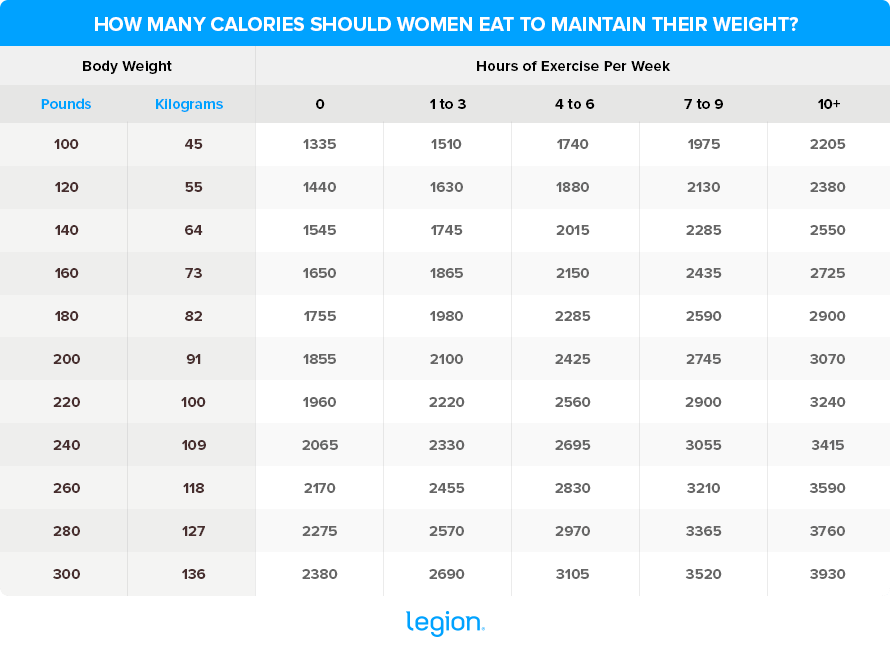
In the modern era of bio-optimization, the age-old question, “How many calories should I intake?” has evolved from a matter of guesswork into a complex data science challenge. Gone are the days of relying solely on static, printed charts or the back of cereal boxes for nutritional guidance. Today, the intersection of health and technology—often referred to as “HealthTech”—has revolutionized how we calculate, track, and optimize our energy consumption. By utilizing advanced algorithms, wearable sensors, and artificial intelligence, individuals can now determine their specific caloric needs with unprecedented accuracy.
The Evolution of Metabolic Algorithms: Beyond the Basics
To understand how many calories you should intake, technology first looks at your Basal Metabolic Rate (BMR). Historically, this was calculated using manual formulas like the Harris-Benedict equation or the Mifflin-St Jeor equation. While these provided a baseline, they were often inaccurate because they could not account for individual variances in muscle mass or hormonal fluctuations.
From Static Formulas to Machine Learning
The latest software applications in the health tech space have moved beyond these static equations. Modern platforms utilize machine learning (ML) to refine caloric estimates based on user feedback. For instance, if a user logs a specific caloric intake and their weight remains stagnant despite an “estimated” deficit, the software’s algorithm adjusts the user’s metabolic profile in real-time. This iterative process creates a dynamic “Total Daily Energy Expenditure” (TDEE) model that is far more accurate than any manual calculation.
The Role of Predictive Analytics
Predictive analytics is another frontier in calculating caloric needs. High-end fitness platforms now analyze years of anonymized data from millions of users to predict how a specific body type will react to certain caloric thresholds. By identifying patterns in age, activity level, and body composition, these tools provide a data-backed roadmap for weight management, muscle gain, or metabolic maintenance.
Wearable Technology and Real-Time Energy Expenditure
The most significant hurdle in answering “how many calories should I intake” is accurately measuring the “output” side of the equation. This is where wearable technology—ranging from smartwatches to Oura rings—plays a critical role.
Bio-sensors and PPG Technology
Modern wearables utilize Photoplethysmography (PPG) and multi-axis accelerometers to track movement and heart rate variability (HRV). By constantly monitoring heart rate, these devices can distinguish between a leisurely walk and a high-intensity interval training (HIIT) session. This data is fed into proprietary software that calculates active calorie burn. When combined with your BMR, these gadgets provide a real-time view of your daily energy needs, allowing you to adjust your intake on the fly based on your actual activity level rather than a weekly average.
The Accuracy Gap and Sensor Calibration
While tech has come a long way, the “accuracy gap” remains a topic of discussion in the tech community. Early wearables were notorious for overestimating calorie burn. However, current-generation gadgets utilize improved sensor calibration and “edge computing”—processing data directly on the device—to reduce latency and improve precision. High-end devices now include skin temperature sensors and sweat composition analysis, providing a holistic view of metabolic stress that informs how much fuel (calories) the body requires for recovery.
AI-Powered Nutrition Apps and Automated Logging
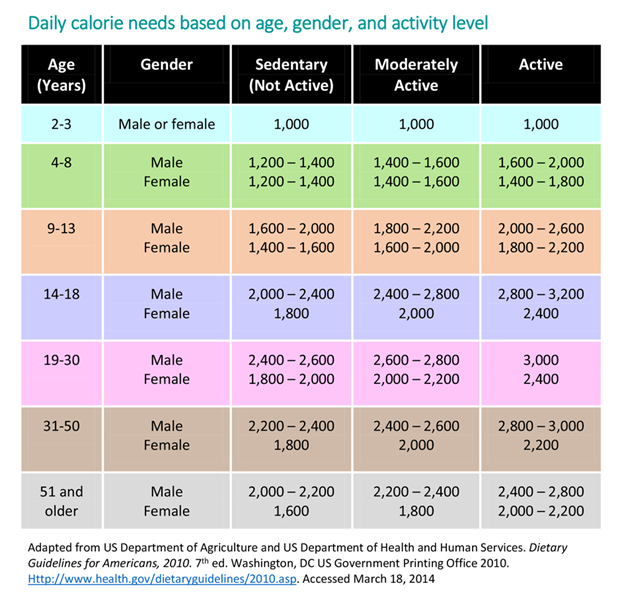
Knowing how many calories you should intake is only half the battle; knowing how many you are intaking is the other. The software ecosystem has moved toward automating the tedious process of food logging, using AI to lower the barrier to entry for users.
Computer Vision: Identifying Calories via Camera
One of the most impressive leaps in nutrition tech is the integration of computer vision. Apps like SnapCalorie or Lose It! utilize neural networks to identify food items through a smartphone camera. By analyzing the volume and type of food on a plate, the AI can estimate caloric content with a degree of accuracy that often surpasses manual entry. These tools are trained on massive datasets of food images, allowing them to differentiate between a 4-ounce chicken breast and a 6-ounce one, significantly refining the user’s daily intake data.
Natural Language Processing (NLP) in Diet Tracking
For items that cannot be easily photographed, Natural Language Processing (NLP) has simplified the process. Instead of searching through a database for “Large Latte with Oat Milk and two pumps of vanilla,” users can simply speak or type a natural sentence. The software deconstructs the sentence into its nutritional components. This technological convenience ensures that the data fed into the caloric “budget” is as complete as possible, leading to better outcomes for the end-user.
Data Privacy and the Ethics of Health Monitoring
As we integrate more technology into our nutritional habits, we must address the “digital footprint” created by our biological data. The question of “how many calories should I intake” is now inextricably linked to “who has access to my metabolic data?”
Protecting Sensitive Biometric Data
Nutritional apps and wearable manufacturers collect some of the most intimate data imaginable—heart rates, sleep patterns, body weight, and eating habits. In the tech industry, the focus has shifted toward robust encryption and GDPR/HIPAA compliance. Leading companies are now utilizing “differential privacy,” a technique that allows them to learn about population health trends without being able to identify specific individuals. As a user, choosing platforms that prioritize data sovereignty is as important as the accuracy of the calorie counter itself.
The Future of Interoperability
The true power of health tech lies in interoperability. When your smart scale, your fitness tracker, and your nutrition app all talk to each other via APIs (Application Programming Interfaces), you get a 360-degree view of your health. Ecosystems like Apple Health and Google Fit act as central hubs for this data. This synchronization ensures that if your scale detects a rise in body fat, your nutrition app can automatically suggest a lower caloric intake for the following week, creating a seamless, tech-driven feedback loop.
Implementing a Tech-First Nutritional Strategy
For those looking to leverage technology to optimize their caloric intake, the approach should be systematic and data-driven. It is not just about downloading an app; it is about building a personal “Health Stack.”
Integrating Smart Gadgets for a Holistic View
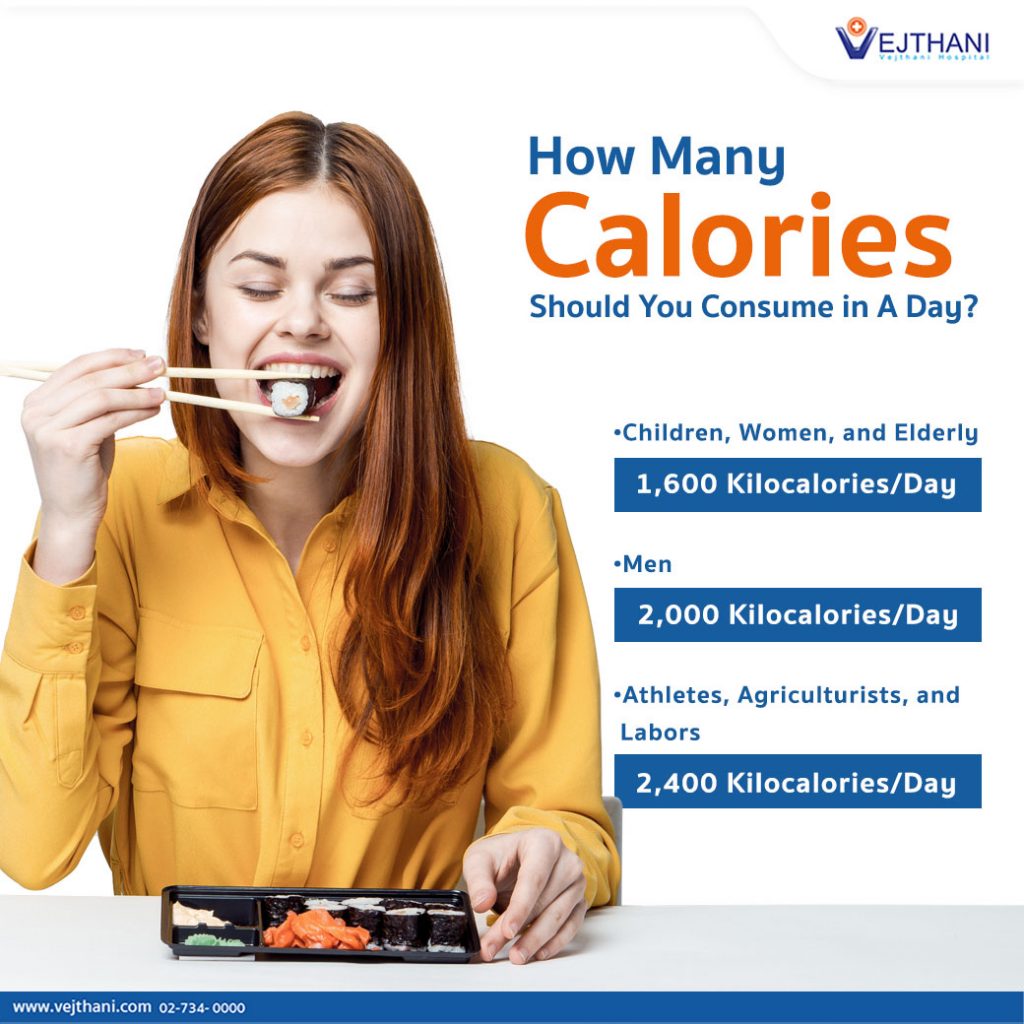
A complete “Health Stack” typically includes a wearable for output tracking, a smart scale for body composition analysis, and a sophisticated software platform for input logging. By integrating these tools, you remove the “human error” factor. For example, if your wearable detects a “high strain” day, your integrated nutrition app might recommend an additional 300 calories of carbohydrates to facilitate glycogen replenishment. This is “precision nutrition” in action—a far cry from the generic 2,000-calorie-a-day recommendation found on legacy labels.
Avoiding “Data Fatigue” in Personal Wellness
While the tech is powerful, the industry is also beginning to recognize the risk of “data fatigue.” Constant monitoring can lead to an obsessive focus on numbers rather than well-being. The next generation of health tech is moving toward “quiet” interfaces—tools that provide insights only when necessary rather than flooding the user with raw data. The goal is to use technology as a silent partner that answers “how many calories should I intake” through subtle nudges and automated adjustments, allowing the user to focus on their life rather than their spreadsheet.
In conclusion, determining your ideal caloric intake is no longer a matter of trial and error. Through the clever application of AI, wearable sensors, and integrated software ecosystems, we can now map our metabolic needs with surgical precision. As these technologies continue to evolve, the “one-size-fits-all” approach to nutrition will become a relic of the past, replaced by a personalized, tech-driven manual for the human body.
aViewFromTheCave is a participant in the Amazon Services LLC Associates Program, an affiliate advertising program designed to provide a means for sites to earn advertising fees by advertising and linking to Amazon.com. Amazon, the Amazon logo, AmazonSupply, and the AmazonSupply logo are trademarks of Amazon.com, Inc. or its affiliates. As an Amazon Associate we earn affiliate commissions from qualifying purchases.