
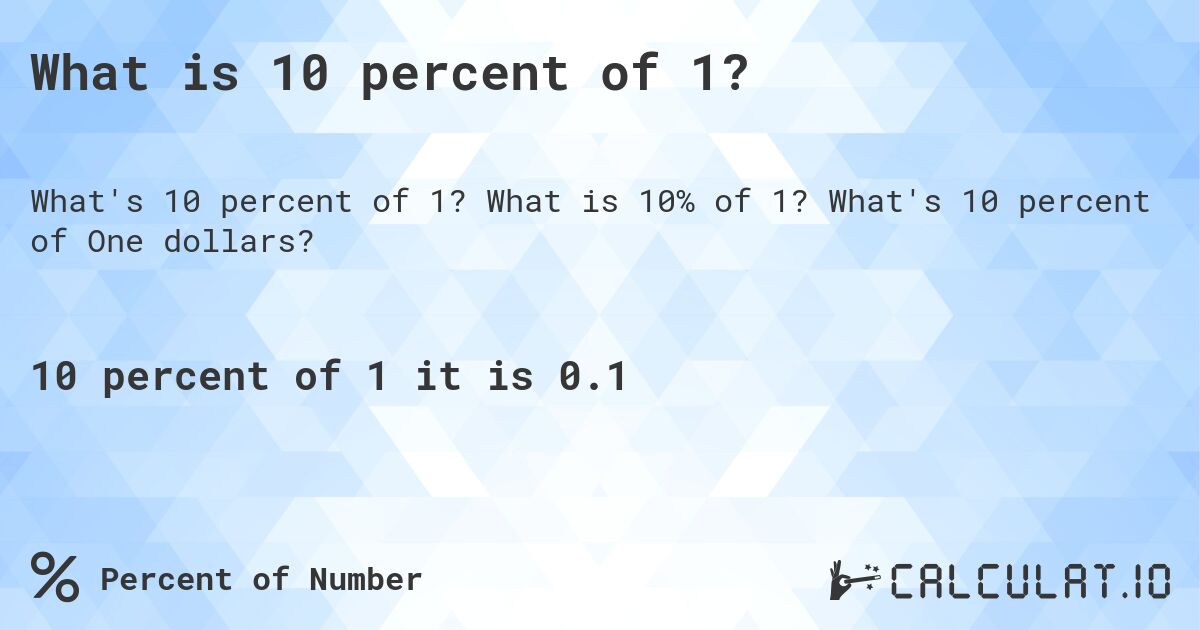
In the world of personal finance, the number ten is more than just a digit; it is a psychological threshold and a mathematical powerhouse. When we ask, “What is 10 of my income worth?” or “What is the value of 10%?” we are often touching upon the most fundamental rule of wealth accumulation: the decile strategy. Whether it is saving 10% of a paycheck, investing 10% in high-risk assets, or dedicating 10% of a business budget to research and development, this specific proportion has become the gold standard for sustainable growth.
Understanding the weight of this percentage requires looking beyond simple arithmetic. It involves analyzing compound interest, the psychology of scarcity versus abundance, and the strategic deployment of capital in an increasingly volatile global economy. This article explores how the “10% rule” functions as a catalyst for long-term financial independence and professional stability.
The Mathematical Foundation: Why 10% is the Magic Number for Wealth
The reason 10% is frequently cited by financial advisors and wealth managers is not arbitrary. It represents a balance between “living for today” and “securing tomorrow.” Mathematically, a consistent 10% allocation toward productive assets creates a trajectory that can outpace inflation and wage stagnation over a 30-year career.
The Psychology of the Tenth
Psychologically, the human brain perceives 10% as a “manageable sacrifice.” Behavioral economics suggests that most individuals can adjust their lifestyle to a 90% budget without feeling a significant decline in their quality of life. This is often referred to as the “invisible margin.” When you automate a 10% deduction from your gross income, the brain recalibrates its spending habits to fit the remaining 90%. Over time, this creates a “wealth-building floor” that exists independently of your discretionary spending.
Compound Interest and the Long-Term Horizon
The true power of 10% is revealed through the lens of compound interest. If an individual earning a median salary begins investing 10% of their income at age 25 into a diversified index fund with an average 7% annual return, the “10%” becomes a multimillion-dollar corpus by retirement. The magic lies in the consistency. Unlike “timing the market,” the 10% rule relies on “time in the market.” By consistently capturing 10% of every dollar earned, an investor captures the market’s growth across all cycles—bulls, bears, and plateaus.
Strategic Allocation: Where Should Your 10% Go?
Simply setting aside 10% is only half the battle. The “Money” niche dictates that capital must be deployed efficiently to maximize its utility. In a modern financial ecosystem, the destination of your 10% should be prioritized based on liquidity needs, tax implications, and risk tolerance.
Building an Unshakeable Emergency Fund
Before one can look toward the stock market or real estate, the first application of the 10% rule should be the emergency fund. Financial stability is built on a foundation of liquid cash. Experts suggest that 10% of monthly income should be diverted into a high-yield savings account (HYSA) until at least three to six months of expenses are covered. This acts as a “financial shock absorber,” preventing you from taking on high-interest debt when life’s inevitable surprises occur.
Retirement Accounts and Tax-Advantaged Growth
Once the foundation is set, the 10% should transition into tax-advantaged vehicles such as a 401(k), 403(b), or an Individual Retirement Account (IRA). In these environments, the 10% works twice as hard. First, it reduces your taxable income in the present (for Traditional accounts). Second, it grows tax-free or tax-deferred, ensuring that the government does not erode your compound interest over the decades. For many, a 10% contribution is also the threshold required to maximize employer matching—essentially gaining a 100% return on investment before the money even hits the market.
High-Yield Debt Liquidation
In some cases, the most effective “investment” for your 10% is the repayment of debt. If you are carrying credit card debt at a 22% interest rate, no stock market investment (averaging 7–10%) can outpace the cost of that debt. In this scenario, dedicating 10% of your income toward “debt-snowballing” or “debt-avalanching” provides a guaranteed return equal to the interest rate of the loan. Clearing these hurdles is a prerequisite for true wealth building.
Scaling Beyond the Basics: 10% in Business and Side Hustles
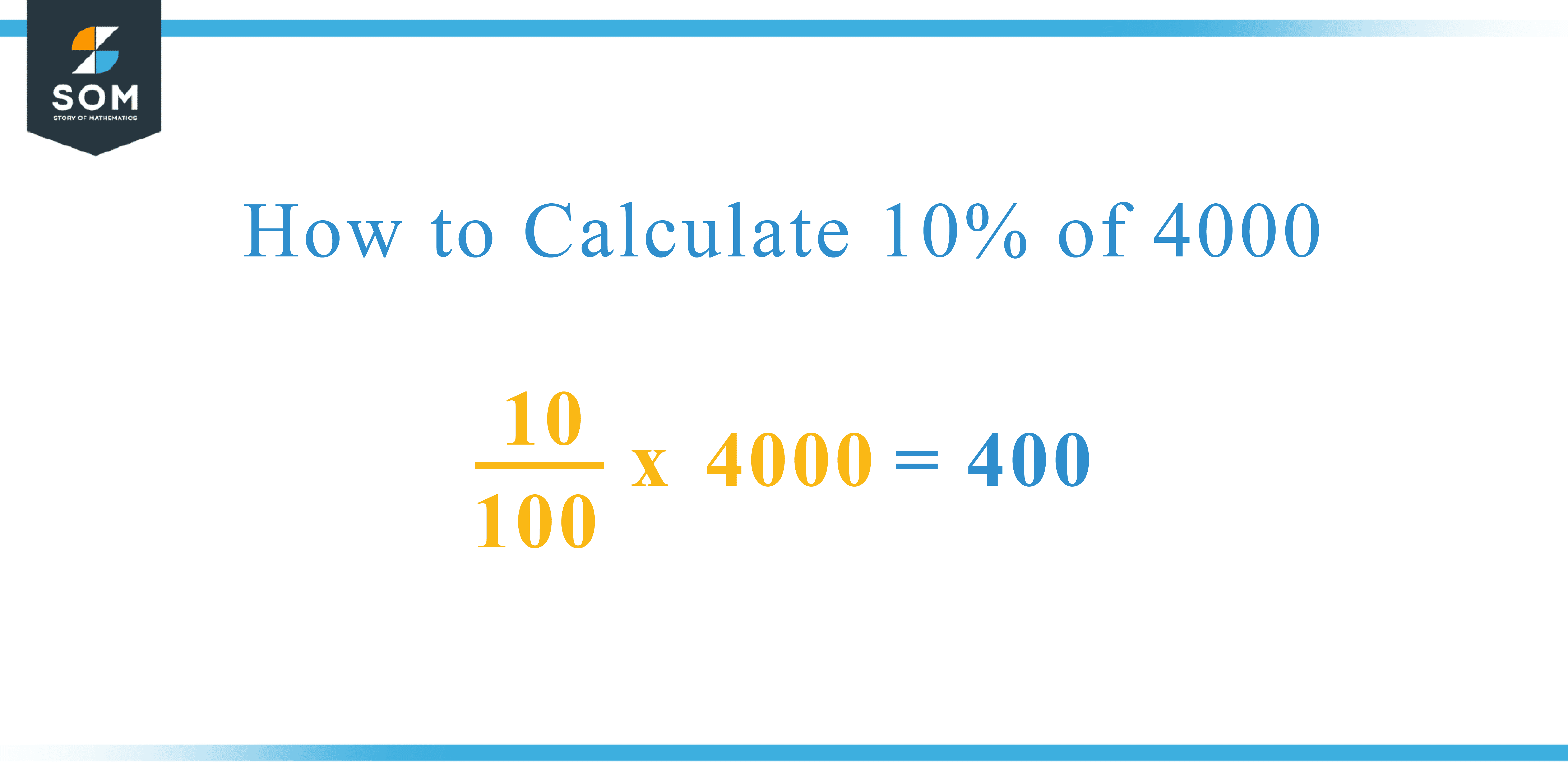
The 10% rule is not limited to personal paychecks; it is equally vital for entrepreneurs, freelancers, and those engaged in side hustles. In the corporate world, the “10% rule” often separates stagnant companies from industry leaders.
Reinvesting in Professional Development
For the individual, 10% of “online income” or side hustle earnings should be earmarked for professional development. This could mean purchasing advanced software, attending industry conferences, or obtaining certifications. In the digital economy, your skills are your primary asset. By reinvesting 10% of your earnings back into your “Human Capital,” you ensure that your earning potential continues to scale upward, effectively “inflating” the value of that 10% over time.
The “Tithe” of Innovation: Funding New Ventures
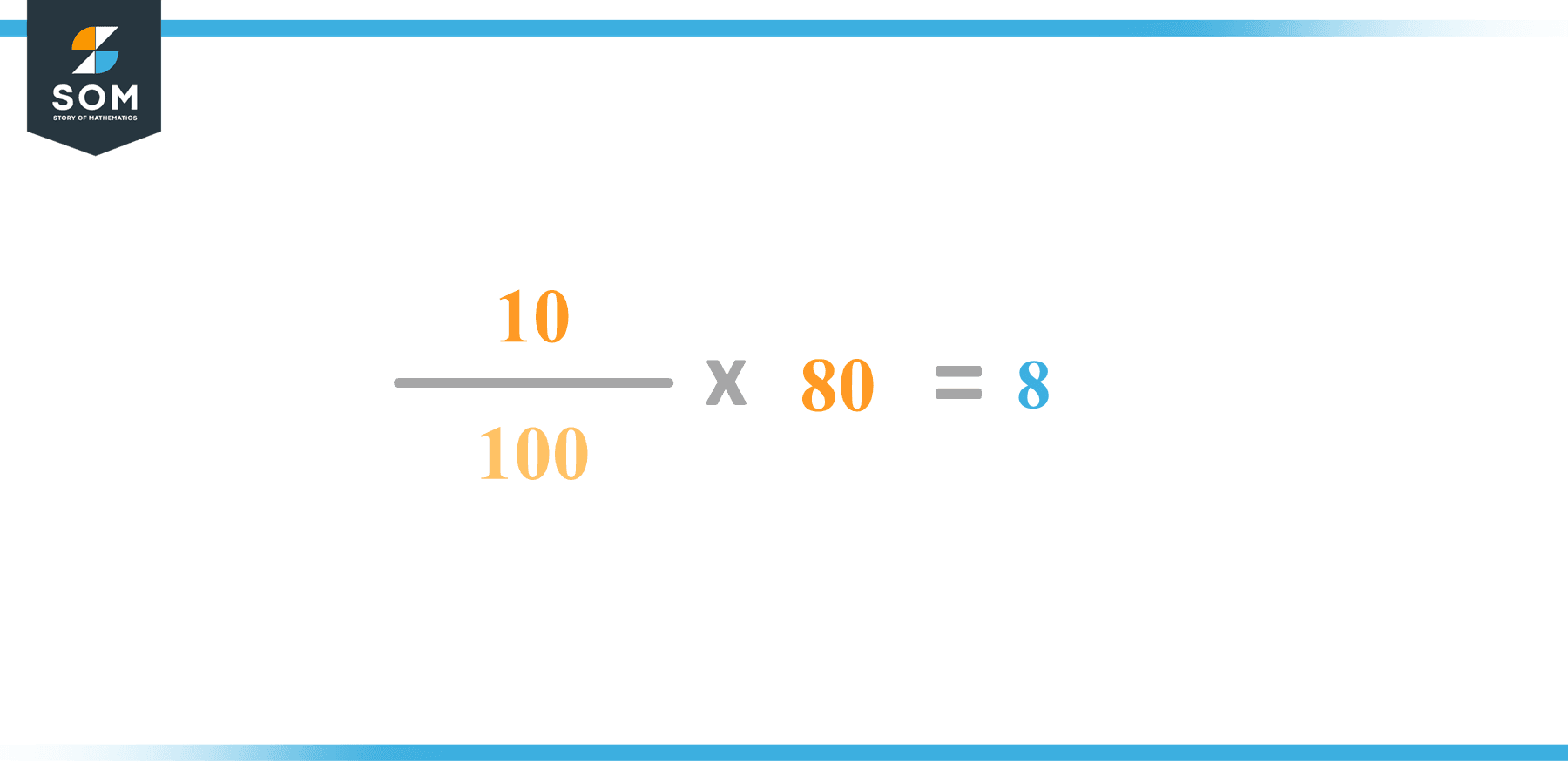
For small business owners, dedicating 10% of gross revenue to “Innovation and Risk” is a strategy used by some of the most successful firms in history. This fund allows a business to experiment with new marketing channels, test new product lines, or pivot during market shifts without endangering the core operations. It is the “R&D” budget of the solo entrepreneur. When a side hustle generates $1,000, setting aside $100 for “future experiments” creates a low-stakes environment for growth and diversification.
Digital Tools and Automation for the 10% Strategy
In the modern era, managing “what is 10 of” your income doesn’t have to be a manual chore. The intersection of money and technology has provided tools that make the 10% rule effortless.
FinTech Solutions for Seamless Saving
Micro-investing apps and neo-banks have revolutionized how we handle the decile. Features like “round-ups” or “percentage-based transfers” allow users to automate the 10% rule. For example, some platforms allow you to set a rule where 10% of every incoming deposit is automatically moved to a “Vault” or an “Investment Bucket.” This removes the “decision fatigue” associated with saving and ensures the 10% is prioritized before discretionary spending can occur.
Portfolio Tracking and Rebalancing Software
As your 10% contributions grow into a substantial portfolio, digital tools become essential for maintaining the health of those investments. Professional-grade financial tools now allow retail investors to track their asset allocation in real-time. If your 10% has been going into aggressive growth stocks and that sector suddenly balloons, your portfolio may become “top-heavy.” Rebalancing software helps you redirect your next 10% contribution into underrepresented sectors, ensuring a diversified and resilient financial future.
Common Pitfalls and How to Overcome Them
Despite its simplicity, the 10% rule is often derailed by common financial traps. Understanding these pitfalls is crucial for anyone looking to turn a small percentage into a significant fortune.
The Lifestyle Creep Challenge
Lifestyle creep is the phenomenon where as your income increases, your expenses rise at the same (or faster) rate. When you get a 10% raise, the temptation is to upgrade your car or move into a more expensive apartment. To combat this, one must apply the “10% of the New” rule. Every time you receive a raise, at least 50% of that raise should be diverted to savings or investments, while the original 10% rule remains applied to the base. This ensures that your “10%” grows in absolute dollar terms as your career progresses.
Inflation and the Need for Adjusted Contributions
While 10% is a powerful starting point, the reality of inflation means that the purchasing power of your savings can diminish. This is why the “Money” niche emphasizes investing over mere saving. Keeping 10% of your income in a standard checking account is a losing strategy over a decade. To overcome inflation, the 10% must be “put to work” in assets that historically outpace the Consumer Price Index (CPI), such as equities, real estate, or inflation-protected securities (TIPS).
Conclusion: The Long-Term Value of the Decile
Answering the question “What is 10 of my income?” is the first step toward financial literacy. It is a commitment to the future self. By mastering the 10% rule, an individual transforms from a passive earner into an active wealth builder. Whether you are using that 10% to clear debt, fund a retirement account, or launch a side hustle, the consistency of the decile is what creates the momentum.
In an era of economic uncertainty, the 10% rule provides a clear, actionable framework. It is a reminder that wealth is rarely the result of a single windfall, but rather the cumulative effect of small, disciplined choices made over time. Start with 10%, automate the process, and let the mathematics of the modern financial system do the rest. Your future self will view that 10% not as a sacrifice, but as the foundation of your freedom.
aViewFromTheCave is a participant in the Amazon Services LLC Associates Program, an affiliate advertising program designed to provide a means for sites to earn advertising fees by advertising and linking to Amazon.com. Amazon, the Amazon logo, AmazonSupply, and the AmazonSupply logo are trademarks of Amazon.com, Inc. or its affiliates. As an Amazon Associate we earn affiliate commissions from qualifying purchases.