
Travel is often one of the most significant discretionary expenses in a household budget. For the financially savvy, the quest for the cheapest flights is not merely about “saving a few bucks”—it is an exercise in asset management, market timing, and capital optimization. In the world of personal finance, travel hacking is the equivalent of dividend reinvestment; it is about extracting the maximum possible value from every dollar spent.
Understanding how to navigate the complex landscape of airline pricing requires a shift in perspective. You must view the airline industry not as a service provider, but as a high-frequency trading floor where prices fluctuate based on sophisticated algorithms, global economic shifts, and consumer behavior patterns. By applying financial principles to airfare acquisition, you can significantly reduce your overhead, allowing you to reallocate those funds toward investments, retirement accounts, or higher-quality experiences.
The Macroeconomics of Airfare Pricing
To master the art of finding cheap flights, one must first understand the economic engine that drives the industry. Airlines operate on razor-thin margins and utilize a practice known as “yield management.” This is a variable pricing strategy based on anticipating and influencing consumer behavior to maximize revenue from a fixed, time-limited resource (an airplane seat).
Supply, Demand, and Dynamic Pricing Algorithms
At its core, airfare is governed by the law of supply and demand, but with a digital twist. Airlines use complex AI-driven algorithms that adjust prices in real-time. These systems analyze historical data, competitor pricing, and even local events to determine the “willingness to pay” of a specific demographic at a specific moment.
From a financial standpoint, this means that there is no “fixed cost” for a flight. Instead, there is a price floor and a price ceiling. Your goal is to enter the market when the price is closest to the floor. This requires a contrarian approach: buying when others are not. Traveling during “shoulder seasons” or mid-week shifts the supply-demand curve in your favor, allowing you to capture the same asset (the seat) at a fraction of the peak-market price.
The Concept of “Value Arbitrage” in Booking
In finance, arbitrage is the simultaneous purchase and sale of an asset in different markets to profit from a difference in price. In travel, we use a similar concept. “Value arbitrage” involves identifying price discrepancies between different booking platforms, currencies, or departure points.
For example, a flight booked on a localized version of an airline’s website (paying in Pesos vs. Dollars) may yield a lower price due to currency exchange rate lags or regional promotions. Furthermore, “positioning flights”—booking a cheap domestic flight to a major hub to catch a significantly discounted international fare—is a classic arbitrage move. You are effectively breaking a large, expensive transaction into smaller, optimized segments to reduce the total capital outlay.
Leveraging Financial Tools for Travel Capital
For the disciplined individual, credit is not a liability; it is a tool for leverage. The strategic use of financial products is perhaps the most powerful method for reducing travel costs to near-zero. This is not about debt; it is about redirected spending.
Maximizing Point Accrual through Everyday Spending
The most efficient way to “fund” your travel is through the accumulation of transferable loyalty points. By treating your daily expenses—groceries, utilities, and business costs—as opportunities for point generation, you are essentially creating a secondary currency.
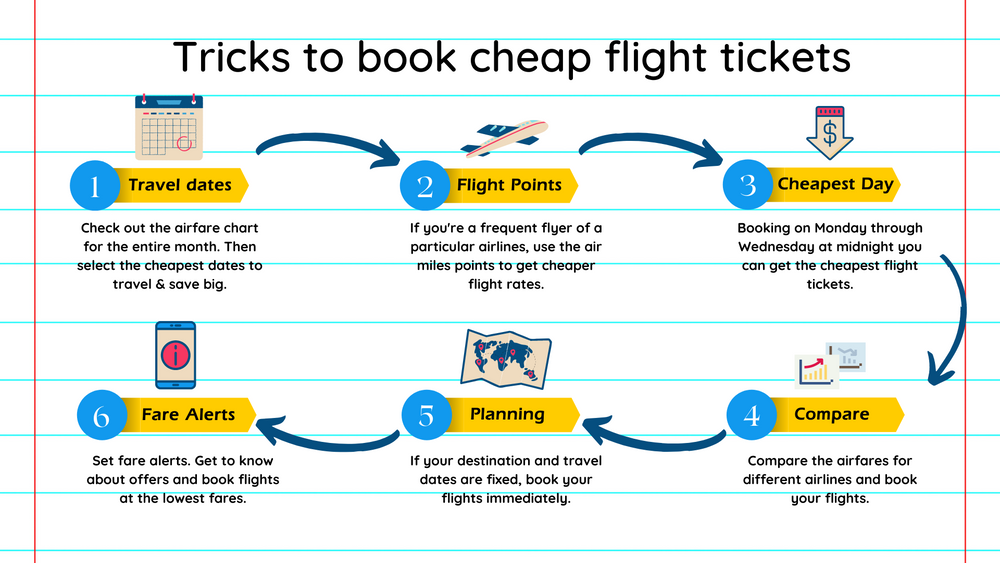
A sophisticated financial strategy involves using high-yield rewards cards that offer “multipliers” on specific categories. If a card offers 4x points on dining, every meal out becomes a 4% or 5% rebate toward future airfare. When these points are transferred to airline partners rather than redeemed for cash back, their value often triples. In the world of personal finance, this is a high-yield investment with a guaranteed return, provided the balance is paid in full every month to avoid interest charges.
The ROI of Annual Fees vs. Travel Benefits
Many people shy away from premium credit cards because of their high annual fees, often ranging from $250 to $695. However, a professional financial analysis usually reveals a high Return on Investment (ROI).
If a card costs $550 a year but provides a $300 travel credit, a $100 fee credit for Global Entry, and access to airport lounges (which offsets the cost of expensive terminal food and beverage), the “effective” cost is negligible. More importantly, these cards often grant access to “Insider Fares” or 25-35% point rebates when booking through specific portals. When evaluating a financial tool for travel, always look past the sticker price to the net-asset value it provides to your lifestyle.
Strategic Budgeting and Timing Frameworks
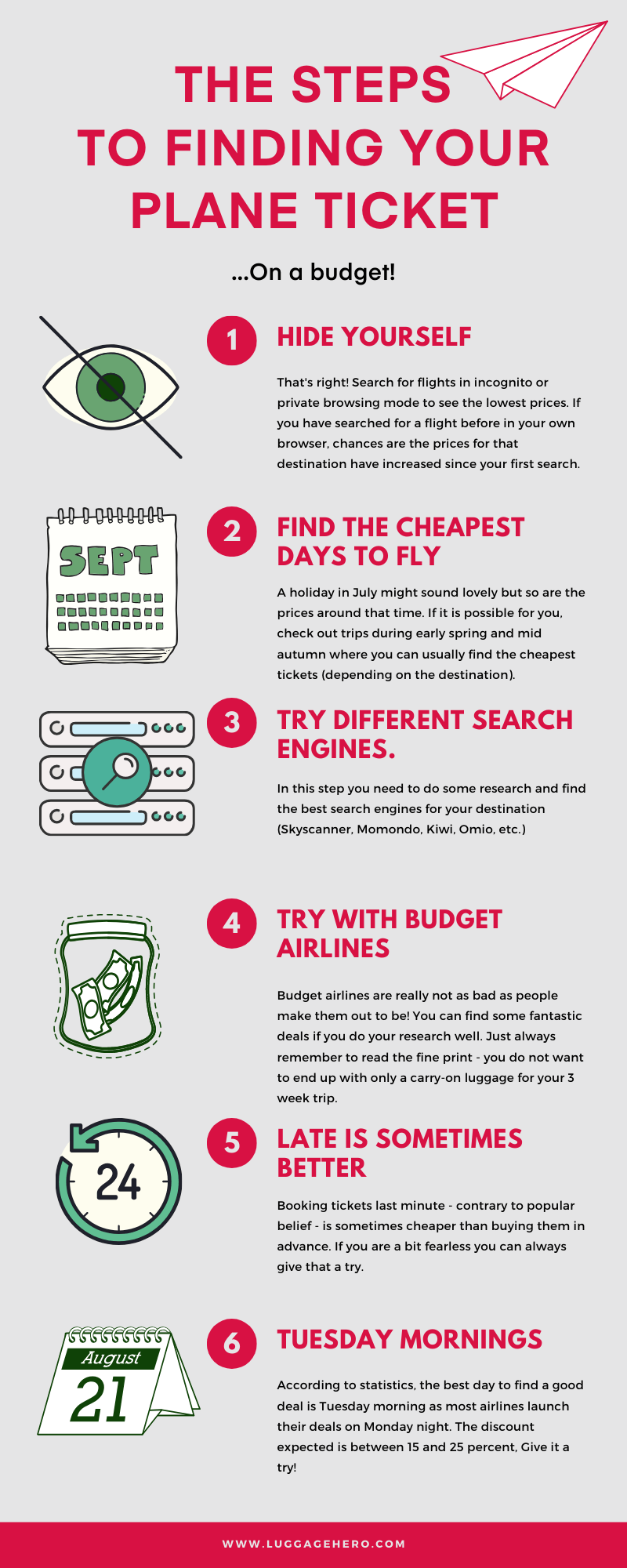
In investing, market timing is often discouraged, but in airfare, it is essential. To get the cheapest flights, you must approach the purchase with the same discipline as a limit order in the stock market.
The Goldilocks Window: Timing Your Capital Allocation
There is a mathematical “sweet spot” for purchasing tickets. Buying too early means you miss out on promotional volatility; buying too late means you are at the mercy of desperate business-traveler pricing. For domestic flights, the financial “Goldilocks Window” is typically 1 to 3 months before departure. For international routes, it expands to 2 to 8 months.
Setting “price alerts” is the equivalent of setting a “buy” trigger on a brokerage account. By using tools that track price movements, you remove the emotional impulse to buy when prices spike. You wait for the dip. Understanding these cyclical patterns allows you to keep your liquid capital in your own high-yield savings accounts for as long as possible before committing it to a non-refundable travel asset.
Currency Arbitrage and Regional Pricing Disparities
A lesser-known financial tactic is “Point of Sale” (POS) optimization. The price of a flight can change based on where the transaction is perceived to originate. By using a VPN or simply visiting the “Global” version of an airline’s site, you can sometimes find lower fares intended for local residents of a lower-income economy.
Additionally, always be mindful of the currency in which you are checking out. Some booking sites apply a “convenience fee” for currency conversion that is far higher than the mid-market rate. By using a credit card with no foreign transaction fees and choosing to pay in the local currency of the airline’s home country, you can save an additional 2-5% on the total transaction. These small percentages, compounded over multiple trips, represent significant annual savings.
Advanced Cost-Reduction Tactics
For those looking to push their financial optimization to the limit, there are advanced strategies that require a deeper understanding of airline ticketing logic. These tactics are the “alternative investments” of the travel world—higher risk, but potentially higher reward.
Hidden-City Ticketing and Financial Risk Management
Hidden-city ticketing is the practice of booking a flight with a layover in your actual destination and simply skipping the second leg of the journey. This happens because airlines often charge more for a direct flight to a popular hub than for a connecting flight that passes through that same hub.
While this can offer massive savings, it requires a risk management assessment. Airlines generally dislike this practice, and doing it frequently can result in the forfeiture of loyalty points or the cancellation of the remainder of an itinerary. From a financial perspective, you must weigh the immediate cash savings against the long-term “brand equity” you have built with that carrier. It is a tactical move that should be used sparingly and only with carry-on luggage.
Utilizing Low-Cost Carriers as a Lean Business Model
The rise of Ultra-Low-Cost Carriers (ULCCs) has mirrored the rise of discount brokerages. They offer a “stripped-down” product for a base price, allowing the consumer to pay only for the services they value.
To make this financially viable, you must adopt a “lean” approach to travel. Every “add-on”—from seat assignments to checked bags—is a fee that erodes your savings. If you can travel with a single personal item and forgo the in-flight soda, you can often fly across continents for less than the cost of a tank of gas. This is the ultimate expression of frugal personal finance: stripping an expensive service down to its bare utility to preserve your capital for things that truly matter.

Conclusion: The Long-Term Wealth Impact of Smart Travel
Finding the cheapest flights is not a hobby; it is a financial discipline. When you successfully reduce a $1,200 international fare to a $400 fare through timing, arbitrage, and point leverage, you have “earned” $800 in tax-free income. If you travel twice a year and invest those savings into a diversified index fund with a 7% average annual return, over 20 years, your “cheap flights” could grow into a six-figure addition to your net worth.
By viewing every flight search through the lens of personal finance, you transform from a passive consumer into a strategic market participant. The goal is clear: minimize the cost of the journey so you can maximize the value of the destination—and your financial future.
aViewFromTheCave is a participant in the Amazon Services LLC Associates Program, an affiliate advertising program designed to provide a means for sites to earn advertising fees by advertising and linking to Amazon.com. Amazon, the Amazon logo, AmazonSupply, and the AmazonSupply logo are trademarks of Amazon.com, Inc. or its affiliates. As an Amazon Associate we earn affiliate commissions from qualifying purchases.