
The term “equity market” often conjures images of bustling trading floors, flashing tickers, and the relentless pursuit of financial gains. While these popular depictions capture a sliver of its essence, the equity market is a sophisticated and indispensable component of the global financial system, serving as a critical engine for economic growth and wealth creation. At its core, an equity market is where ownership stakes in companies, known as shares or stocks, are bought and sold. Understanding its mechanisms, purposes, and inherent dynamics is crucial for anyone looking to navigate the world of finance, from individual investors to large institutional entities.
This deep dive will demystify the equity market, breaking down its fundamental definitions, operational mechanics, critical roles in the economy, and the inherent risks and opportunities it presents to participants.
Decoding the Equity Market: A Fundamental Overview
To grasp the full scope of the equity market, one must first understand the fundamental concepts that underpin it. It’s more than just a place to trade; it’s a vibrant ecosystem where capital is exchanged for ownership, and future growth is envisioned.
Defining Equity and Shares
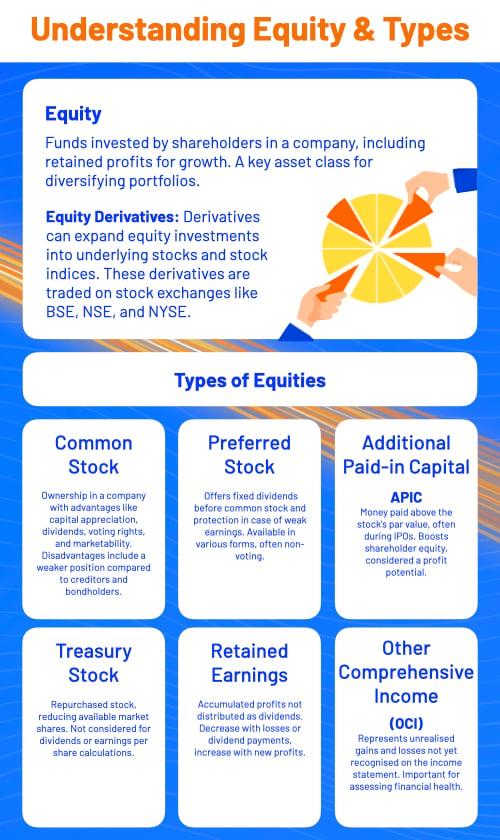
At the heart of the equity market lies the concept of “equity.” In business terms, equity represents the value of ownership interest in a company. When a company issues shares, it is essentially dividing its ownership into smaller, transferable units. Each share represents a fractional ownership claim on the company’s assets and earnings.
For investors, holding shares means becoming a part-owner of the company. This ownership typically comes with certain rights, most notably the right to vote on corporate matters (like electing the board of directors) and the right to a share of the company’s profits, often distributed as dividends. The value of these shares can fluctuate based on a multitude of factors, including company performance, industry trends, economic conditions, and investor sentiment.
The Core Purpose of Equity Markets
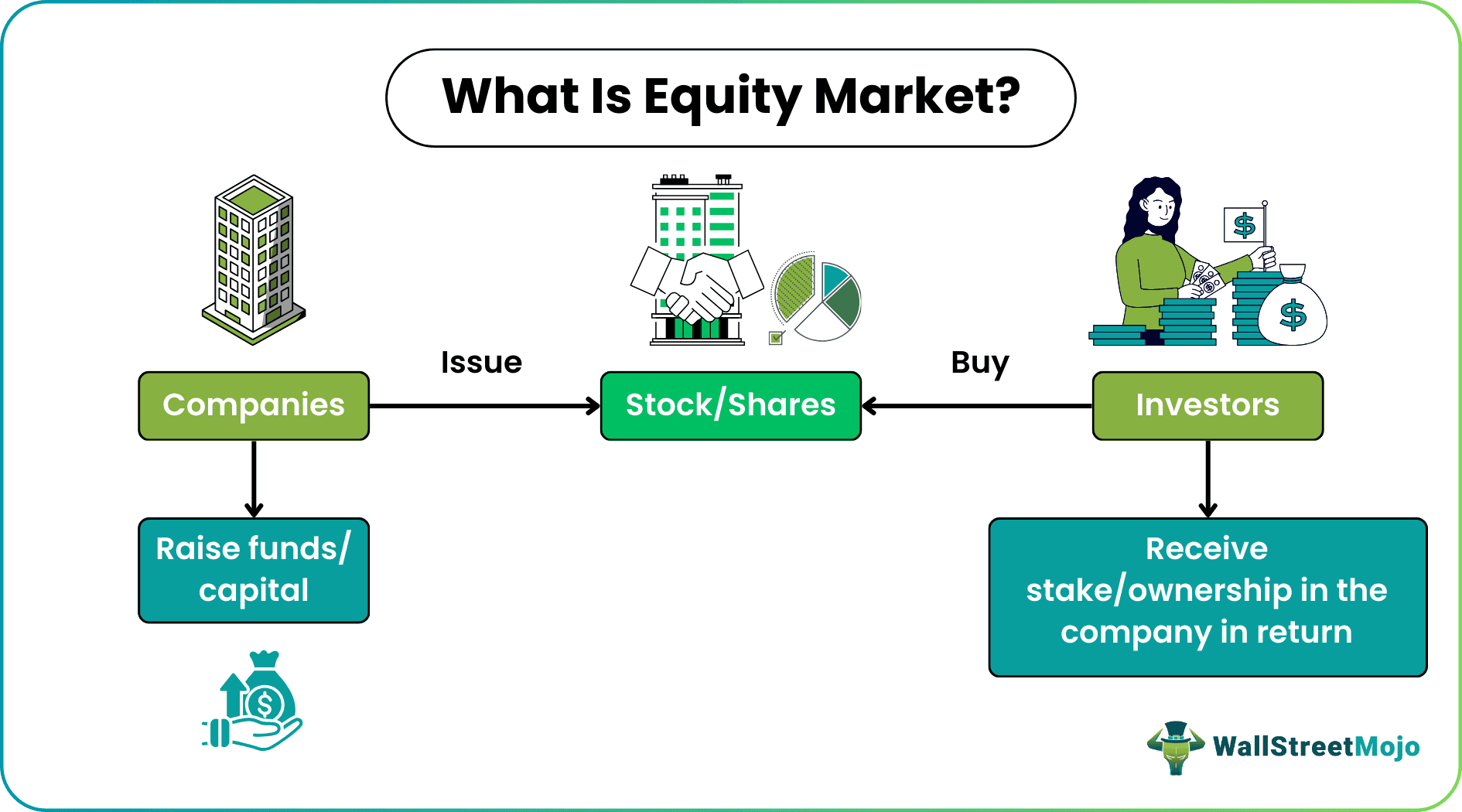
The primary purpose of an equity market is twofold: to facilitate capital raising for businesses and to provide a platform for investors to buy and sell those ownership stakes. For companies, issuing equity is a vital way to raise capital without incurring debt. This fresh capital can be used to fund expansion, research and development, acquisitions, or to simply bolster working capital. By selling shares to the public, companies can access a vast pool of funds that might otherwise be unavailable.
For investors, the equity market offers an opportunity to participate in the potential growth and success of businesses. It allows individuals and institutions to deploy their capital with the expectation of generating returns through capital appreciation (when the share price increases) and/or dividend income. Furthermore, equity markets provide liquidity, meaning investors can generally buy or sell their shares with relative ease, offering flexibility that other illiquid investments might lack.
The Anatomy of Equity Trading: Primary vs. Secondary Markets
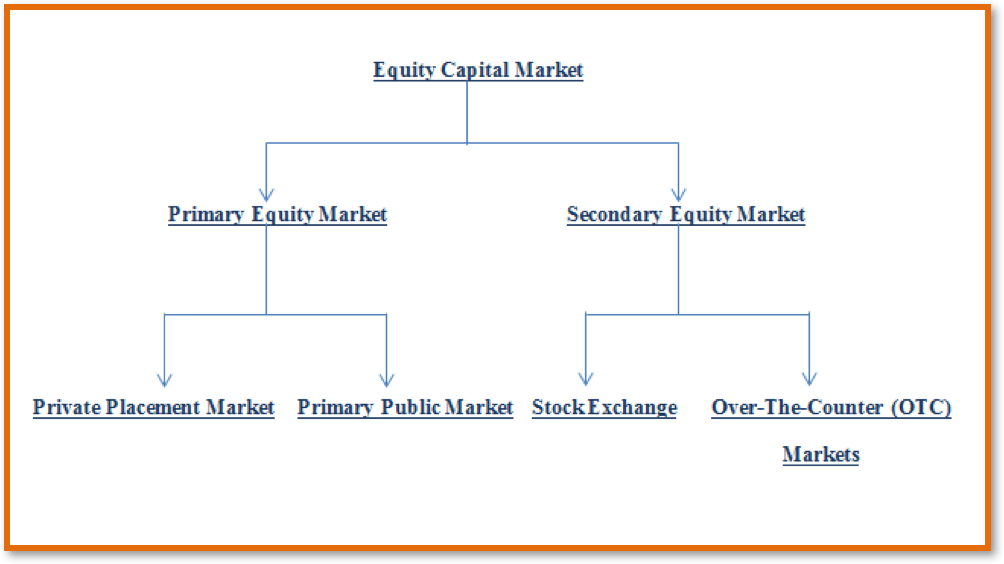
The journey of a share from its initial issuance to subsequent trading among investors involves distinct stages, each facilitated by different market mechanisms. Understanding these stages — the primary and secondary markets — is essential for comprehending how shares are valued and traded.
The Primary Market: Issuance and IPOs
The primary market is where new securities are created and sold for the first time. This is the crucial initial stage where companies raise capital directly from investors. The most common and well-known form of primary market activity for equity is the Initial Public Offering (IPO).
In an IPO, a privately held company sells its shares to the public for the very first time, effectively transitioning from private to public ownership. This process typically involves investment banks that underwrite the offering, helping the company determine the offering price, market the shares, and distribute them to investors. Other primary market activities include follow-on public offerings (FPOs) where a company that is already publicly traded issues new shares, or rights issues where existing shareholders are given the right to purchase new shares. The capital raised in the primary market goes directly to the issuing company, providing it with the funds it needs to grow.
The Secondary Market: Trading and Liquidity
Once shares have been issued in the primary market, they begin trading on the secondary market. This is the more familiar and dynamic aspect of the equity market, where investors buy and sell existing shares from each other. Major stock exchanges like the New York Stock Exchange (NYSE), NASDAQ, London Stock Exchange (LSE), and Tokyo Stock Exchange (TSE) are prominent examples of secondary markets.
Crucially, the issuing company does not receive any proceeds from trades in the secondary market; money changes hands exclusively between investors. The secondary market’s primary function is to provide liquidity. It ensures that investors can sell their shares when they wish, making their initial investment in the primary market more attractive. Without a robust secondary market, investors would be hesitant to buy shares in the first place, as they would have no easy way to divest their holdings. The prices in the secondary market are determined by the forces of supply and demand, constantly reflecting new information and investor expectations.
Key Participants in the Equity Ecosystem
A diverse range of participants interacts within the equity market, each playing a distinct role:
- Issuers: Companies that raise capital by selling shares.
- Investors: Individuals (retail investors) and institutions (pension funds, mutual funds, hedge funds, insurance companies) who buy and sell shares with the aim of generating returns.
- Brokers: Financial intermediaries who execute trades on behalf of investors.
- Underwriters (Investment Banks): Facilitate primary market issuance (IPOs, FPOs).
- Exchanges: Provide the platform and infrastructure for trading shares.
- Regulators: Government bodies (e.g., SEC in the US) that oversee and enforce rules to ensure fair and orderly markets and protect investors.
The Multifaceted Role and Benefits of Equity Markets
Beyond simply facilitating transactions, equity markets play a profound and indispensable role in the broader economic landscape, contributing to growth, capital allocation, and corporate accountability.
Fueling Economic Growth: Capital Formation
One of the most significant contributions of equity markets is their role in capital formation. By providing companies with access to a broad base of investors, these markets enable businesses to raise substantial amounts of capital. This capital is then deployed to finance innovation, expand operations, create jobs, and invest in research and development. In essence, equity markets channel savings from investors into productive investments within the economy, acting as a powerful catalyst for economic expansion and technological advancement. A healthy equity market is often a strong indicator of a dynamic and growing economy.
Wealth Creation and Investor Participation
For individual and institutional investors, the equity market serves as a primary vehicle for wealth creation. Over long periods, equity investments have historically outperformed many other asset classes, offering the potential for significant returns through both capital appreciation and dividend income. This wealth-building capacity allows individuals to save for retirement, fund education, and achieve various financial goals.
The democratic nature of equity markets also allows ordinary individuals to own a piece of the world’s largest and most successful companies, fostering widespread participation in corporate profits and economic progress. This accessibility, largely driven by technological advancements and reduced trading costs, has empowered a new generation of investors to engage directly with the market.
Price Discovery and Corporate Governance
Equity markets are incredibly efficient mechanisms for price discovery. The continuous buying and selling activity, driven by a multitude of participants reacting to new information, ensures that share prices generally reflect the collective wisdom and expectations of the market regarding a company’s future earnings and prospects. This dynamic pricing mechanism provides valuable signals for capital allocation, guiding investors towards companies with strong fundamentals and growth potential.
Furthermore, equity markets play a crucial role in corporate governance. As shareholders, investors have certain rights and can exert influence over corporate management. Companies listed on exchanges are typically subject to stringent reporting requirements and public scrutiny, promoting transparency and accountability. The threat of a falling share price or activist shareholders can incentivize management to act in the best interests of the company and its owners, contributing to better corporate performance and ethical conduct.
Navigating the Dynamics: Risks and Opportunities for Investors
While the equity market offers substantial benefits and opportunities, it is also characterized by inherent risks that investors must understand and manage effectively. A balanced perspective, acknowledging both the upside potential and the downside vulnerabilities, is key to successful investing.
Inherent Risks: Volatility, Systemic, and Idiosyncratic
Investing in the equity market is never without risk. One of the most prominent characteristics is volatility, meaning share prices can fluctuate significantly and unpredictably over short periods. This volatility is influenced by economic data, geopolitical events, company-specific news, and shifts in investor sentiment.
Beyond general market fluctuations, investors face several categories of risk:
- Systemic Risk (Market Risk): This is the risk that affects the entire market or a large segment of it, such as a recession, interest rate hikes, or a global pandemic. It cannot be diversified away.
- Idiosyncratic Risk (Specific Risk): This risk is specific to a particular company or industry, such as poor management decisions, a product recall, or increased competition in a niche market. This type of risk can be mitigated through diversification across different companies and sectors.
- Liquidity Risk: Although equity markets are generally liquid, some smaller stocks might be difficult to sell quickly without significantly impacting their price.
Understanding and assessing these risks is paramount. Investors must be prepared for the possibility of capital loss and align their investment decisions with their risk tolerance and financial goals.
Capitalizing on Opportunities: Growth, Dividends, and Diversification
Despite the risks, the equity market presents numerous opportunities for generating returns and building wealth.
- Growth Potential: Investing in companies with strong growth prospects can lead to significant capital appreciation as their businesses expand and their earnings increase. Identifying innovative companies or those in emerging industries can unlock substantial long-term gains.
- Dividend Income: Many mature and profitable companies distribute a portion of their earnings to shareholders as dividends. For income-focused investors, dividend-paying stocks can provide a steady stream of income, which can also be reinvested to compound returns over time.
- Diversification: By investing in a diversified portfolio of stocks across different industries, geographies, and company sizes, investors can mitigate idiosyncratic risks. A well-diversified portfolio aims to reduce overall risk without necessarily sacrificing potential returns, as the underperformance of one investment can be offset by the strong performance of others.
Strategies for Prudent Investment
Successful navigation of the equity market typically involves a thoughtful strategy. This includes:
- Long-Term Horizon: Investing with a long-term perspective often helps to smooth out short-term market volatility, allowing investors to benefit from the compounding effect of returns.
- Research and Due Diligence: Thoroughly researching companies, understanding their business models, financial health, and competitive landscape, is crucial before making investment decisions.
- Asset Allocation: Deciding how to distribute investments across different asset classes (stocks, bonds, cash, etc.) based on risk tolerance, age, and financial goals.
- Regular Review and Rebalancing: Periodically reviewing the portfolio and making adjustments to ensure it remains aligned with investment objectives and risk parameters.
Beyond the Basics: Types of Securities and Global Reach
While the core concept of shares remains constant, the equity market offers various types of securities and operates on a global scale, providing diverse avenues for investment.
Common Stock vs. Preferred Stock
Most discussions about equity refer to common stock, which represents direct ownership, typically carries voting rights, and offers the potential for higher capital appreciation. However, another type of equity security exists: preferred stock. Preferred stock usually pays a fixed dividend, similar to bonds, and typically does not carry voting rights. In the event of liquidation, preferred stockholders have a higher claim on assets than common stockholders but are subordinate to bondholders. While offering more stability, preferred stock often has limited upside potential compared to common stock.
Understanding Indices and Market Benchmarks
Equity market performance is often measured and communicated through stock market indices. An index is a statistical measure of the performance of a basket of stocks representing a specific market or segment. Famous examples include the S&P 500 (representing 500 large US companies), the Dow Jones Industrial Average, the FTSE 100 (UK), the DAX (Germany), and the Nikkei 225 (Japan). These indices serve as benchmarks against which individual portfolios and fund managers’ performances are measured, providing a snapshot of overall market health and direction. Investors can also invest in funds (ETFs or mutual funds) that track these indices, offering broad market exposure.
The Global Interconnectedness of Equity Markets
Today’s equity markets are profoundly interconnected, operating on a global scale. Major stock exchanges worldwide facilitate cross-border investments, allowing investors to diversify geographically and access growth opportunities in different economies. Political events, economic data, and corporate news from one part of the world can ripple through global markets, affecting asset prices everywhere. This interconnectedness highlights the importance of understanding global macroeconomic trends and the impact of international events on investment portfolios. The rise of digital trading platforms has further democratized access to international markets, making global diversification more accessible than ever before.
In conclusion, the equity market is a sophisticated and indispensable pillar of modern finance. It is a powerful engine for capital formation, wealth creation, and economic growth, offering both significant opportunities and inherent risks. A comprehensive understanding of its structure, functions, and dynamics is fundamental for any investor seeking to participate effectively and prudently in this vital financial arena. By embracing a strategy built on knowledge, research, and a long-term perspective, investors can navigate its complexities and potentially harness its immense power to achieve their financial aspirations.
aViewFromTheCave is a participant in the Amazon Services LLC Associates Program, an affiliate advertising program designed to provide a means for sites to earn advertising fees by advertising and linking to Amazon.com. Amazon, the Amazon logo, AmazonSupply, and the AmazonSupply logo are trademarks of Amazon.com, Inc. or its affiliates. As an Amazon Associate we earn affiliate commissions from qualifying purchases.