
The transition from a traditional corporate environment to a home-based business model is no longer just a lifestyle choice; it is a strategic financial move. In the modern economy, the barriers to entry for entrepreneurship have reached historic lows, while the potential for high-margin returns has increased. However, the difference between a struggling side hustle and a thriving enterprise lies in financial discipline, strategic capital allocation, and a deep understanding of revenue mechanics. To start a home-based business that is not only sustainable but also scalable, one must view the home office not just as a room, but as a lean, profit-generating machine.
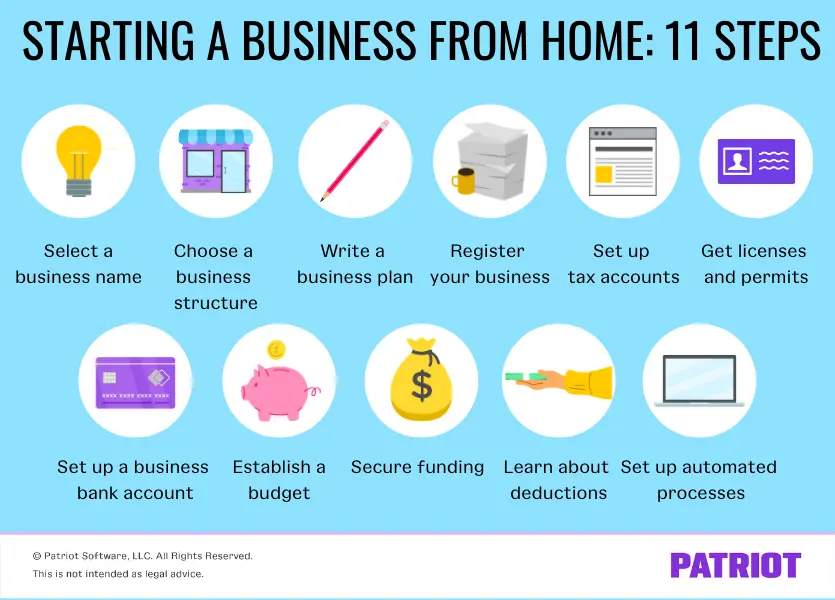
1. Establishing a Robust Financial Foundation
Before the first product is sold or the first service is rendered, a successful entrepreneur must conduct a rigorous audit of their financial starting point. Unlike a venture-backed startup, a home-based business often relies on personal capital, making the management of “burn rates” and “initial investment” critical to survival.
Assessing Start-up Costs and Initial Capital
The primary advantage of a home-based business is the reduction of overhead, but “low cost” does not mean “no cost.” A professional financial assessment begins with a line-item budget of essential expenditures. This includes hardware, specialized software licenses, initial inventory, and legal filing fees. It is vital to categorize these into “sunk costs” (one-time purchases) and “recurring expenses” (monthly utilities, internet, and subscriptions). By identifying the minimum viable capital required to launch, you avoid the common pitfall of over-leveraging personal credit for non-essential assets.
Bootstrapping vs. External Financing
Most home-based entrepreneurs choose to “bootstrap”—funding the business entirely through personal savings and early revenue. This method offers the highest level of financial control and eliminates debt servicing costs. However, for businesses requiring significant upfront inventory or equipment, exploring micro-loans or Small Business Administration (SBA) grants may be necessary. The decision to take on debt should be governed by a projected Return on Investment (ROI) analysis. If the cost of the loan is lower than the projected growth rate the capital will facilitate, debt can be a strategic tool rather than a burden.
Managing the “Burn Rate” and Personal Runway
In the world of finance, the “burn rate” refers to the speed at which you spend your capital before reaching profitability. For the home business owner, this must be balanced against your “personal runway”—the amount of time your personal savings can sustain your lifestyle while the business grows. A professional approach involves maintaining a separate emergency fund of 6–12 months of living expenses, ensuring that the pressure of personal bills does not lead to desperate, short-term business decisions that sacrifice long-term profit.
2. Optimizing Revenue Streams and Profit Margins
Profitability in a home-based setting is often a matter of volume and margin. Without the prestige of a physical storefront, the business must rely on the superior value of its offerings and the efficiency of its delivery.
Diversifying Income for Financial Stability
Relying on a single client or a single product line is a significant financial risk. To build a resilient business, an entrepreneur should look for “correlated” and “non-correlated” income streams. For example, a home-based consultant might offer high-ticket one-on-one sessions (active income) while simultaneously selling a digital course or an e-book (passive income). This diversification creates a financial cushion; if the demand for services dips, the product sales can sustain the cash flow.
Value-Based Pricing Strategies
One of the most common financial errors made by home-based business owners is “cost-plus” pricing or, worse, undercutting the competition to the point of insolvency. Professional financial strategy dictates value-based pricing: setting rates based on the economic impact you provide to the client. If your home-based service saves a client $10,000, charging $2,000 is an easy sell, regardless of how many hours it took you to complete. High margins are essential for home businesses because they provide the capital necessary for future reinvestment and growth.

Subscription Models and Recurring Revenue
The “holy grail” of business finance is the recurring revenue model. Whether it is a monthly retainer for services or a subscription box for products, predictable monthly income drastically lowers the cost of customer acquisition. From a financial planning perspective, recurring revenue makes it significantly easier to forecast future earnings, manage inventory cycles, and secure business credit lines.
3. Tax Efficiency and Legal Financial Structures
The way a business is structured legally has profound implications for how much of your hard-earned money stays in your pocket. Navigating the complexities of tax law is often what separates the amateur from the professional.
Choosing the Right Business Entity
In the initial stages, many entrepreneurs operate as Sole Proprietors due to the ease of setup. However, as revenue grows, transitioning to an LLC (Limited Liability Company) or an S-Corp can offer significant tax advantages. For instance, an S-Corp election may allow a business owner to save on self-employment taxes by splitting income between a “reasonable salary” and shareholder distributions. Consulting with a tax professional to determine the most tax-efficient structure is an investment that pays for itself through reduced liabilities.
Maximizing the Home Office Deduction
The Internal Revenue Service (IRS) and other global tax authorities offer specific deductions for those who use a portion of their home exclusively for business. This includes a percentage of rent or mortgage interest, utilities, insurance, and home maintenance. To qualify, the space must be used regularly and exclusively for business. Keeping meticulous records and photographic evidence of the workspace is essential to defending these deductions in the event of an audit.
Separation of Personal and Business Finances
A fundamental rule of business finance is the absolute separation of funds. Mixing personal and business expenses—a practice known as “commingling”—not only makes accounting a nightmare but can also jeopardize the “corporate veil,” potentially exposing personal assets to business liabilities. Opening a dedicated business bank account and using a business credit card for all company-related purchases is the first step toward professional financial management.
4. Scalability and Long-Term Wealth Management
Starting a home-based business is the first step toward financial independence, but the ultimate goal is to move from “owning a job” to “owning an asset.” This requires a shift in focus from daily operations to long-term wealth accumulation.
Reinvesting Profits for Compounded Growth
In the early years, the temptation to spend profits on lifestyle upgrades is high. However, the most successful home-based entrepreneurs practice “delayed gratification.” By reinvesting a significant portion of net income back into the business—whether through better equipment, outsourced labor, or marketing—you trigger a compounding effect. Every dollar reinvested should be viewed through the lens of efficiency: will this dollar save me time or generate two more dollars?
Monitoring Cash Flow and Financial Health
Profit is not the same as cash flow. A business can be profitable on paper but fail because the cash is tied up in accounts receivable or inventory. Utilizing financial tools like QuickBooks, Xero, or specialized cash-flow forecasting software is non-negotiable. An insightful entrepreneur reviews their Profit and Loss (P&L) statement, Balance Sheet, and Cash Flow Statement monthly. These documents serve as the “flight instruments” of the business, indicating when it is safe to expand and when it is necessary to tighten the belt.

Exit Strategies and Asset Valuation
Even if you never plan to sell your home-based business, you should build it as if you were. This means creating “Standard Operating Procedures” (SOPs) and ensuring the business can function without your constant physical presence. A business that depends entirely on the owner’s labor has a low valuation. A business that has documented systems, a loyal customer base, and predictable revenue is an asset that can be sold for a multiple of its annual earnings. Viewing your business as an investable asset changes the way you make daily financial decisions, driving you toward building something of lasting value.
In conclusion, starting a home-based business is a sophisticated financial undertaking that requires a blend of micro-management and macro-vision. By establishing a solid capital foundation, optimizing for high-margin revenue, navigating the complexities of tax law, and focusing on long-term scalability, an entrepreneur can transform their home into a powerful engine for wealth creation. The journey is demanding, but for those who master the money mechanics of the home office, the financial rewards and the freedom they provide are unparalleled.
aViewFromTheCave is a participant in the Amazon Services LLC Associates Program, an affiliate advertising program designed to provide a means for sites to earn advertising fees by advertising and linking to Amazon.com. Amazon, the Amazon logo, AmazonSupply, and the AmazonSupply logo are trademarks of Amazon.com, Inc. or its affiliates. As an Amazon Associate we earn affiliate commissions from qualifying purchases.