
The digital landscape has transformed from a secondary marketplace into the primary engine of global commerce. For the modern entrepreneur, starting an internet business is no longer just a pursuit of passion; it is a strategic financial move designed to build a scalable, high-margin asset. Unlike traditional brick-and-mortar establishments, internet businesses offer the unique advantage of low overhead costs and a global reach, allowing for a level of capital efficiency that was previously unthinkable. However, the ease of entry into the digital space often masks the financial complexity required to sustain and scale a venture.
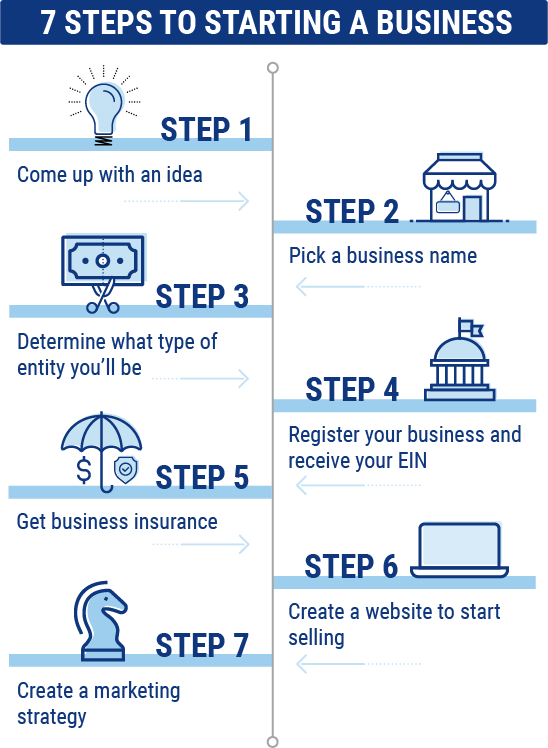
To succeed in this environment, one must move beyond the “side hustle” mentality and adopt a rigorous financial framework. This guide outlines the essential steps to starting an internet business through the lens of capital management, revenue optimization, and long-term wealth creation.
Establishing Your Revenue Model and Market Positioning
The foundation of any successful internet business lies in its ability to generate consistent, predictable cash flow. Before a single line of code is written or a product is sourced, an entrepreneur must determine how the business will extract value from the market. This requires a deep dive into revenue models and an understanding of where the highest profit margins reside.
Identifying High-Margin Digital Products
In the realm of online income, not all products are created equal. Physical e-commerce, while lucrative, often suffers from thin margins due to shipping costs, inventory management, and manufacturing overhead. Conversely, digital products—such as software-as-a-service (SaaS), digital courses, and proprietary data—offer near-zero marginal costs. Once the initial investment in development is made, every subsequent sale is almost entirely profit. To maximize your financial return, focus on products that solve high-value problems for a specific niche, allowing for premium pricing and high-profit retention.
The Subscription Economy and Recurring Revenue
One of the most powerful financial drivers in the modern internet business is the shift toward recurring revenue. Transactional models, where a customer buys once and never returns, require a constant, expensive influx of new leads. Subscription models, however, create a “compounding” effect on your balance sheet. By securing monthly or annual recurring revenue (MRR/ARR), you stabilize your cash flow, making it easier to forecast growth and reinvest in the business. When choosing your niche, consider how you can turn a one-time solution into a continuous service that provides ongoing value to the client and steady income to the business.
Financing Your Digital Venture: From Bootstrapping to Capital Injection
Every business requires capital, but the source of that capital significantly impacts your equity and control. In the early stages of an internet business, the financial strategy usually falls into two categories: lean bootstrapping or seeking external investment.
The Art of Lean Bootstrapping
Bootstrapping is the process of building a business from the ground up using nothing but personal savings and the revenue generated by the business itself. This path is highly favored by those who wish to maintain 100% ownership and creative control. To bootstrap effectively, you must embrace “frugal innovation.” This means using low-cost tools, automating processes early to save on labor costs, and focusing strictly on activities that generate immediate ROI. The primary financial goal during the bootstrapping phase is reaching “ramen profitability”—the point where the business generates enough profit to cover the founder’s basic living expenses, thereby ensuring the survival of the venture.

Navigating Seed Funding and Venture Capital
For internet businesses with high upfront development costs or those in “winner-take-all” markets, bootstrapping may be too slow. In these cases, seeking external capital through angel investors or venture capital (VC) firms becomes necessary. This path involves trading equity for a significant cash injection, which is then used to aggressively capture market share. However, this comes with increased financial scrutiny and the expectation of a massive “exit” (such as an acquisition or IPO) within five to seven years. Entrepreneurs must weigh the benefits of rapid scaling against the dilution of their personal stake in the company.
Building a Sustainable Financial Infrastructure
As the business begins to generate revenue, the complexity of managing that money increases. A common pitfall for new internet entrepreneurs is the failure to separate personal finances from business operations, which leads to “leaky” buckets and tax complications.
Optimizing Payment Gateways and Cash Flow
Cash flow is the lifeblood of an internet business. Choosing the right financial tools to facilitate transactions is critical. Payment gateways like Stripe, PayPal, or specialized merchant accounts carry different fee structures that can eat into your margins if not monitored. Furthermore, you must manage the “cash gap”—the time between when you pay for expenses (like advertising or hosting) and when you receive payment from customers. Efficient cash flow management involves maintaining a “cash buffer” of at least three to six months of operating expenses to weather market fluctuations or sudden drops in traffic.
Tax Compliance and International Business Structures
The internet knows no borders, but tax authorities do. An internet business often operates across multiple jurisdictions, each with its own tax laws regarding sales tax (VAT/GST) and corporate income tax. From a financial perspective, it is essential to establish a robust legal entity—such as an LLC or a C-Corp—early on to protect personal assets and optimize tax liabilities. Sophisticated founders may also look into “tax-advantaged” structures or jurisdictions that offer incentives for digital entrepreneurs. Engaging a specialized accountant who understands the nuances of digital commerce is an investment that pays for itself in the form of avoided penalties and maximized tax deductions.
Scaling for Profitability: Growth Tactics and Exit Strategies
Starting the business is only the first phase. To turn an internet business into a significant financial asset, one must master the art of scaling—increasing revenue without a proportional increase in costs.
Reinvesting Profits for Exponential Growth
Once the business is profitable, the founder faces a choice: take the profits as personal income or reinvest them into the business. For those looking to build a high-value asset, reinvestment is the key. This typically involves shifting capital toward Customer Acquisition Cost (CAC) optimization. By identifying the most profitable marketing channels—be it paid search, affiliate marketing, or content-driven SEO—you can systematically “buy” growth. The financial metric to watch here is the LTV/CAC ratio (Lifetime Value to Customer Acquisition Cost). A healthy internet business should aim for an LTV that is at least three times the CAC, ensuring that every dollar spent on growth yields a significant return.
Evaluating Valuation and Potential Exit Paths
An internet business is more than just a source of monthly income; it is an asset that can be sold. The valuation of an online business is usually based on a multiple of its SDE (Seller’s Discretionary Earnings) or EBITDA (Earnings Before Interest, Taxes, Depreciation, and Amortization). Small to mid-sized internet businesses often sell for 3x to 5x their annual profit. Understanding these metrics allows the entrepreneur to “build to sell.” By documenting processes, diversifying traffic sources, and ensuring clean financial records, you increase the “transferability” of the business. Whether you plan to sell to a private equity firm, a strategic competitor, or through an online marketplace, having a clear exit strategy ensures that you capture the full financial value of the entity you have built.

Conclusion
Starting an internet business is one of the most effective paths to financial independence in the 21st century. However, it requires a disciplined approach to money management, a keen understanding of revenue models, and a long-term perspective on asset building. By focusing on high-margin products, choosing the right financing path, establishing a professional financial infrastructure, and scaling with an eye toward a future exit, you transform a digital idea into a robust financial engine. In the digital economy, the most successful entrepreneurs are those who treat their internet business not just as a website, but as a sophisticated investment vehicle.
aViewFromTheCave is a participant in the Amazon Services LLC Associates Program, an affiliate advertising program designed to provide a means for sites to earn advertising fees by advertising and linking to Amazon.com. Amazon, the Amazon logo, AmazonSupply, and the AmazonSupply logo are trademarks of Amazon.com, Inc. or its affiliates. As an Amazon Associate we earn affiliate commissions from qualifying purchases.