
The Amazon ecosystem has become an integral part of modern consumer life, offering everything from daily essentials to high-end electronics. For many, the Amazon credit card—whether the Store Card or the Visa Signature version—is the key to unlocking significant rewards and financing flexibility. However, a credit card is only as beneficial as the strategy used to manage it. Understanding how to pay your Amazon credit card is not merely a matter of clicking a button; it is a fundamental component of personal finance management, interest mitigation, and credit score optimization.

This guide explores the logistical nuances of making payments while providing a deep dive into the financial strategies necessary to ensure your Amazon credit card remains an asset rather than a liability.
Navigating the Payment Channels: How to Successfully Pay Your Bill
The first step in financial mastery is understanding the mechanics of the tools you use. Amazon offers several credit products, primarily issued through two different financial institutions: Synchrony Bank (for the Amazon Store Card) and Chase Bank (for the Amazon Visa cards). Knowing which card you hold is essential for directing your payments correctly.
The Digital-First Approach: Using the Amazon App and Bank Portals
For most users, managing payments through a mobile app or web portal is the most efficient method. If you hold the Amazon Prime Visa, your account is managed through the Chase Mobile app or the Chase online portal. If you hold the Amazon Store Card, you will likely interface with the Synchrony Bank Amazon portal.
To pay through these portals, you must link a checking or savings account. Once linked, you can choose to pay the “Minimum Payment,” the “Statement Balance,” or a custom “Current Balance.” From a financial health perspective, paying the statement balance in full every month is the gold standard, as it ensures you are not charged interest on your purchases.
Automated Payments: Ensuring Consistency and Avoiding Late Fees
One of the most effective ways to protect your credit score is to set up “AutoPay.” Late payments are the single most significant factor in credit score calculations, and even a one-day delay can result in late fees and potential interest rate hikes.
When setting up AutoPay, you can usually choose to pay the minimum amount or the full statement balance. For those with a fluctuating income, setting the AutoPay to the “Minimum Amount” ensures you are never “late,” while allowing you to manually go in and pay the remaining balance to avoid interest. This “safety net” strategy prevents accidental oversights during busy months.
Traditional and Alternative Methods: Phone and Mail-in Payments
While digital payments are the norm, both Chase and Synchrony provide traditional avenues. Paying by phone is an excellent fallback if you lack internet access or encounter a technical glitch on the website. Mail-in payments, while slower, remain an option for those who prefer physical record-keeping. However, when using mail, it is crucial to send the payment at least seven to ten business days before the due date to account for postal delays and processing times.
Optimizing Your Cash Flow: Financial Strategies for Amazon Cardholders
Paying your bill is a transaction; managing your debt is a strategy. To truly benefit from an Amazon credit card, you must understand how the timing and amount of your payments impact your overall financial health.
Understanding APR and the Cost of Carrying a Balance
The Annual Percentage Rate (APR) on retail-branded credit cards is often significantly higher than the national average. If you carry a balance from month to month, the interest charges can quickly eclipse any rewards or “5% back” benefits you earned on your purchases.
To manage this, view your Amazon card as a “convenience tool” rather than a “loan tool.” By paying the balance in full within the grace period (usually 21–25 days after the statement closes), you effectively receive an interest-free loan for the duration of the billing cycle.
The “Full Balance” Philosophy: Avoiding Interest Entirely
The most successful credit card users follow a simple rule: if you cannot afford to pay for the item in cash today, do not put it on the card—unless you are using a specific 0% financing offer. Paying the statement balance in full every month is the only way to ensure that your “cash back” is actual profit. If you earn $50 in rewards but pay $60 in interest because you carried a balance, the card is costing you money rather than making you money.
Strategic Payment Timing: Aligning Statements with Paychecks
Many cardholders find success by changing their payment due date to align with their monthly cash flow. If you get paid on the 1st and 15th of the month, setting your Amazon payment due date for the 17th ensures that the funds are available. Most issuers allow you to change your due date once or twice a year, which can be a powerful tool for budgeting and ensuring you never miss a payment.
Decoding Amazon’s Special Financing: Promotion vs. Practicality
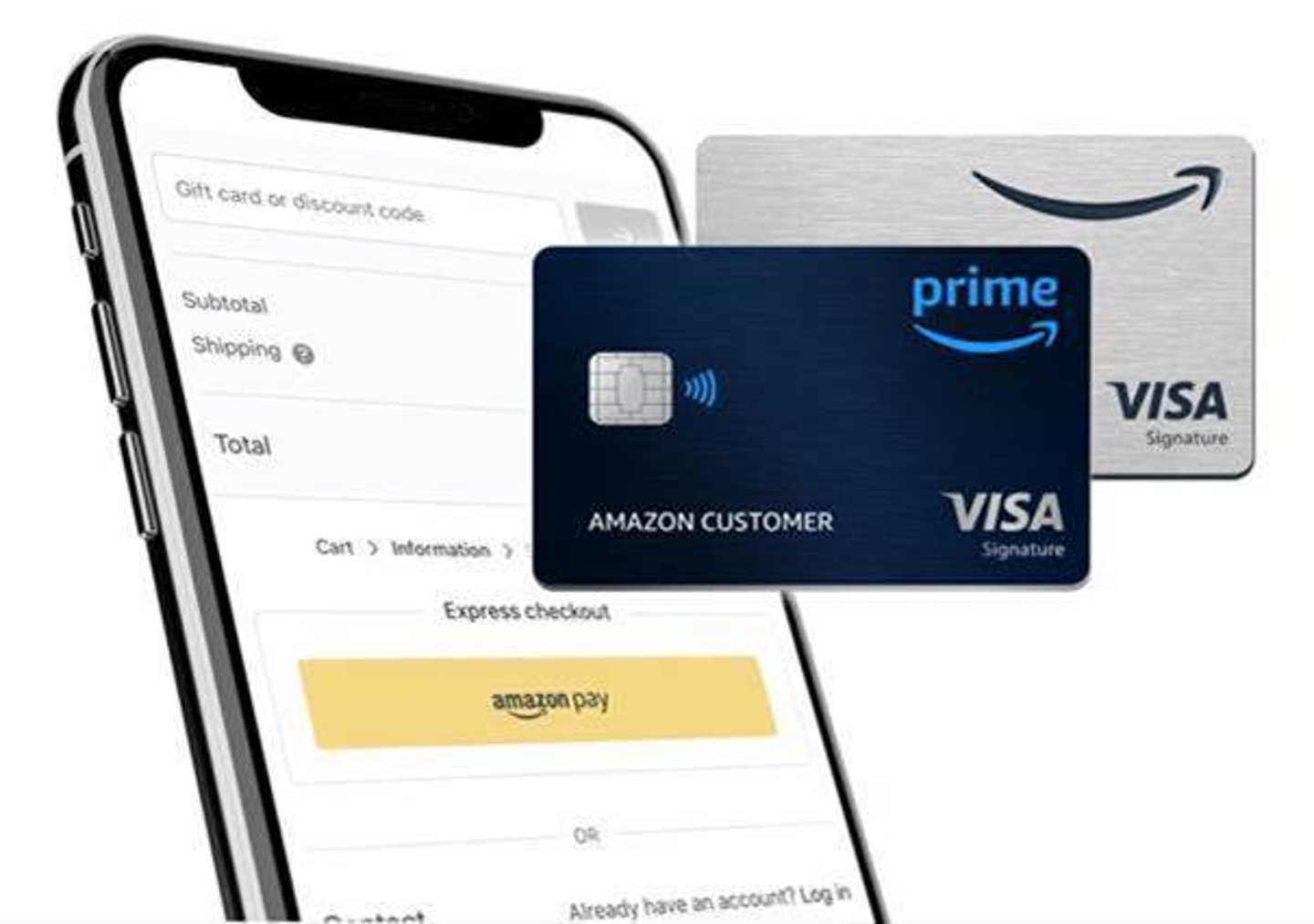
One of the unique draws of the Amazon credit ecosystem is the “Special Financing” or “Equal Monthly Payments” offers on high-ticket items. While these can be useful, they require a higher level of financial literacy to navigate safely.
0% APR Equal Monthly Payments: A Budgeting Tool
For large purchases, such as a laptop or furniture, Amazon often offers the option to split the cost into 6, 12, or 24 equal monthly payments at 0% APR. This is a legitimate way to manage cash flow without incurring interest. However, it is important to remember that these payments are added to your “Minimum Payment Due” each month. You must ensure your monthly budget can absorb this increased fixed cost.
The Trap of Deferred Interest: What You Need to Know
Some Amazon Store Card offers use “Deferred Interest.” This is fundamentally different from a 0% APR offer. With deferred interest, if you do not pay the entire balance off by the end of the promotional period, the bank will charge you interest retroactively from the original date of purchase.
For example, if you buy a $1,000 TV and have $1 left on the balance when the promotion expires, you may be hit with interest on the full $1,000 for the entire 12-month period. When paying off these promotional balances, always aim to finish the payments one month early to avoid this costly “interest cliff.”
Choosing Between Cash Back Rewards and Financing
Amazon often makes you choose: do you want the 5% cash back, or do you want the 0% financing? From a financial perspective, if you have the cash on hand, taking the 5% back is almost always the superior choice. Financing should be reserved for essential purchases that you cannot pay for upfront but can reliably afford over a set period.
Protecting and Growing Your Credit Score with Your Amazon Account
Your Amazon credit card is a reflection of your financial reliability to the rest of the lending world. How you handle your payments directly impacts your ability to get a mortgage, a car loan, or lower insurance rates.
Utilization Ratios: Why Paying Mid-Cycle Matters
Credit utilization—the amount of credit you use compared to your total limit—accounts for 30% of your FICO score. If you have a $1,000 limit and spend $900 on Amazon, your utilization is 90%, which can negatively impact your score even if you pay it off in full at the end of the month.
To mitigate this, consider making “mid-cycle payments.” By paying down your balance a few days before your statement closing date (not the due date), you ensure that a lower balance is reported to the credit bureaus. This keeps your utilization low and your credit score high.
Building a Positive Payment History
Length of credit history and payment consistency are vital. If you have an Amazon card that you’ve held for years, keep it active and in good standing. Even a small, monthly recurring payment (like a Prime subscription) that is automatically paid off can help maintain a “thick” credit file.
The Long-Term Impact on Your Financial Portfolio
Consistent, responsible management of an Amazon credit card signals to issuers like Chase or Synchrony that you are a low-risk borrower. Over time, this leads to automatic credit limit increases. A higher credit limit, provided you do not increase your spending, further lowers your credit utilization and strengthens your overall financial profile.

Conclusion
Paying your Amazon credit card is the final, and most important, step in the consumer cycle. By mastering the various payment channels, adopting a “full balance” payment philosophy, and navigating promotional offers with caution, you transform your credit card from a simple payment method into a sophisticated financial tool.
Remember that the goal of using any credit product is to make your money work for you. By avoiding high-interest debt and leveraging your payment history to build a robust credit score, you ensure that your Amazon purchases contribute to your long-term financial stability rather than detracting from it. Professional credit management is a habit, and every monthly payment is an opportunity to reinforce your commitment to financial health.
aViewFromTheCave is a participant in the Amazon Services LLC Associates Program, an affiliate advertising program designed to provide a means for sites to earn advertising fees by advertising and linking to Amazon.com. Amazon, the Amazon logo, AmazonSupply, and the AmazonSupply logo are trademarks of Amazon.com, Inc. or its affiliates. As an Amazon Associate we earn affiliate commissions from qualifying purchases.