
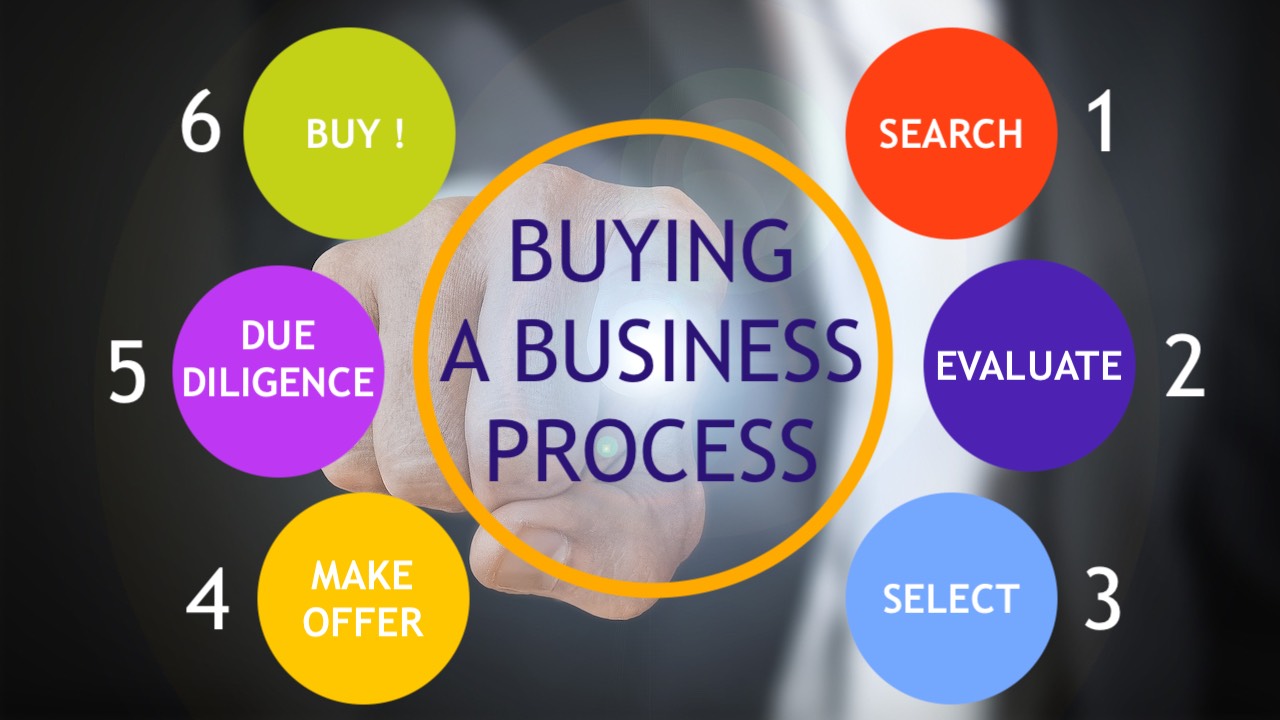
In the modern economic landscape, the dream of business ownership is shifting. While the “garage startup” narrative remains popular, a more sophisticated and statistically safer path has emerged: acquisition entrepreneurship. Instead of building from scratch and facing the high failure rates of infancy, many investors and aspiring CEOs are choosing to buy existing, profitable enterprises. Buying a business is a complex financial maneuver that requires a blend of investment discipline, forensic accounting, and strategic negotiation. This guide explores the multifaceted process of acquiring a company, from the initial search to the final closing.

Preparation and Strategy: Defining Your Investment Thesis
Before looking at a single profit and loss statement, an investor must establish a clear investment thesis. Buying a business is as much about financial fit as it is about operational capability. Without a roadmap, you risk falling into “analysis paralysis” or, worse, acquiring a company that you are ill-equipped to manage.
Identifying Your “Why” and Risk Tolerance
Every buyer has a different motivation. Some are “financial buyers” looking for a passive income stream to diversify a portfolio, while others are “operator buyers” looking to replace their corporate salary with the autonomy of ownership. Your risk tolerance will dictate the industry you choose. For instance, a service-based business with recurring contracts offers stability but lower growth, whereas a manufacturing firm might offer higher margins but requires significant capital expenditure and carries higher operational risk.
Financial Readiness and Sourcing Capital
Acquiring a business requires more than just a down payment; it requires a deep understanding of your “dry powder.” Most small to mid-market acquisitions are funded through a combination of personal equity, debt, and seller financing. In the United States, the Small Business Administration (SBA) 7(a) loan program is a popular vehicle, often allowing buyers to acquire a business with as little as 10% down. However, you must also account for working capital—the cash needed to keep the lights on and payroll met during the transition period—and closing costs, which include legal and accounting fees.
The Search Phase: Finding and Vetting Potential Targets
Once the financial foundation is set, the search begins. Finding the right business is often a marathon, not a sprint, typically taking between six months to two years. The market for buying businesses is divided into the “main street” market (businesses under $1M in value) and the “lower-middle market” (businesses valued between $5M and $50M).
Deal Sourcing: Brokers vs. Proprietary Outreach
There are two primary ways to find a business. The first is through business brokers and online marketplaces like BizBuySell or Axial. These deals are “on-market,” meaning they are packaged and ready for sale, but they often command higher prices due to competition. The second method is proprietary outreach—contacting business owners directly who haven’t listed their companies yet. While this requires more effort and “cold” networking, it often results in more favorable terms and less competition.
Preliminary Analysis: The Quality of Earnings
When you find a target, the first document you will review is the Confidential Information Memorandum (CIM) or a simple “teaser.” Here, the focus must be on Seller’s Discretionary Earnings (SDE) or EBITDA (Earnings Before Interest, Taxes, Depreciation, and Amortization). SDE is common in smaller businesses and represents the total financial benefit to a single owner. You must look for “add-backs”—expenses the current owner ran through the business that a new owner wouldn’t (like a personal car lease). Be wary of excessive add-backs that artificially inflate the perceived profitability of the company.
Due Diligence: Peeling Back the Layers

Due diligence is the most critical phase of the acquisition process. This is the period after an Letter of Intent (LOI) is signed where the buyer has the right to “open the hood” and verify every claim the seller has made. In the world of finance, this is where deals either solidify or die.
Financial Due Diligence: Beyond the P&L
Financial due diligence involves more than just checking bank statements. You must reconcile the seller’s internal books with their official tax returns. Discrepancies here are a major red flag. You are looking for trends in gross margins, customer concentration (if one customer represents more than 20% of revenue, the risk is high), and the aging of accounts receivable. A healthy business should show consistent or growing cash flow over a three-to-five-year period, unaffected by one-time anomalies.
Operational and Legal Scrutiny
Beyond the numbers, you must evaluate the “intangibles.” This includes reviewing employee contracts, leases, and intellectual property. Are there key employees who might leave once the owner sells? Are the supplier contracts transferable? Legal due diligence also involves checking for any pending litigation, liens against business assets, or environmental liabilities. Understanding the “transferability” of the business is key; if the business relies entirely on the current owner’s personal relationships to generate revenue, it may not be a viable acquisition.
Valuation and Deal Structure: Crafting the Offer
How much is a business worth? The answer is rarely a fixed number. Business valuation is a mix of objective math and subjective negotiation. Most small businesses are valued based on a multiple of their SDE or EBITDA.
Common Valuation Methods
While a “Discounted Cash Flow” (DCF) analysis is common in corporate finance, small business acquisitions usually rely on “Market Multiples.” For example, a stable HVAC company might trade at 3x to 4x its annual SDE. A high-growth SaaS (Software as a Service) company might trade at a multiple of its revenue. The multiple is influenced by the industry, the systems the owner has in place, and the prevailing interest rates. The goal for a buyer is to pay a multiple that allows for a healthy “Debt Service Coverage Ratio” (DSCR)—meaning the business profits can comfortably pay back the loans used to buy it while still providing a profit to the owner.
Financing the Deal: Seller Notes and Earn-outs
Price is only one lever; structure is the other. A common tool is the “Seller Note,” where the buyer pays a portion of the price over time (usually 3–5 years) with interest. This keeps the seller “in the game” and ensures they are incentivized to see the buyer succeed. Another sophisticated tool is the “Earn-out,” where a portion of the purchase price is only paid if the business hits certain profit targets after the sale. This bridges the gap when a seller thinks the business is worth more than the buyer is currently willing to pay based on historical data.
Closing the Deal and Post-Acquisition Integration
The final stage is the legal transfer of ownership. This involves the drafting of an Asset Purchase Agreement (APA) or a Stock Purchase Agreement (SPA). Most small business deals are asset purchases, as they allow the buyer to “step up” the basis of the assets for tax depreciation and avoid inheriting the seller’s unknown past liabilities.
Finalizing the Legal Framework
At closing, funds are wired, often through an escrow agent, and the keys (both physical and digital) are handed over. This is the culmination of months of legal drafting regarding non-compete agreements—ensuring the seller doesn’t start a rival shop next door—and training agreements, where the seller stays on for a few weeks or months to transition client relationships and operational knowledge.
The First 90 Days: Transitioning Ownership
The “Money” aspect of buying a business doesn’t end at closing; it shifts toward capital preservation and growth. The first 90 days are critical for stabilizing the investment. The new owner must focus on “low-hanging fruit”—immediate improvements in billing cycles, cutting redundant costs, or implementing modern software to increase efficiency. The goal is to ensure that the cash flow remains steady while the new owner learns the nuances of the industry. Successful acquisition entrepreneurs don’t look to change everything on Day 1; they look to protect the existing cash flow that justified the investment in the first place.
In conclusion, buying a business is one of the most effective ways to build wealth, provided it is approached with a disciplined, analytical mindset. By focusing on rigorous due diligence, sensible valuation multiples, and a clear transition strategy, an investor can bypass the “startup” phase and move directly into the role of a profitable business leader. It is a journey of turning capital into a living, breathing financial engine.
aViewFromTheCave is a participant in the Amazon Services LLC Associates Program, an affiliate advertising program designed to provide a means for sites to earn advertising fees by advertising and linking to Amazon.com. Amazon, the Amazon logo, AmazonSupply, and the AmazonSupply logo are trademarks of Amazon.com, Inc. or its affiliates. As an Amazon Associate we earn affiliate commissions from qualifying purchases.