
Launching a small business is one of the most significant financial undertakings an individual can pursue. While the creative and operational aspects of a startup are often highlighted in mainstream media, the underlying architecture of any successful venture is its financial health. Starting a business is not merely about having a great idea; it is about capital allocation, risk management, and the mastery of cash flow. In this guide, we will explore the essential financial pillars of starting a small business, focusing on how to secure funding, manage expenditures, and build a sustainable revenue model that ensures long-term profitability.
1. Capitalization and Funding Strategies: Fueling the Vision
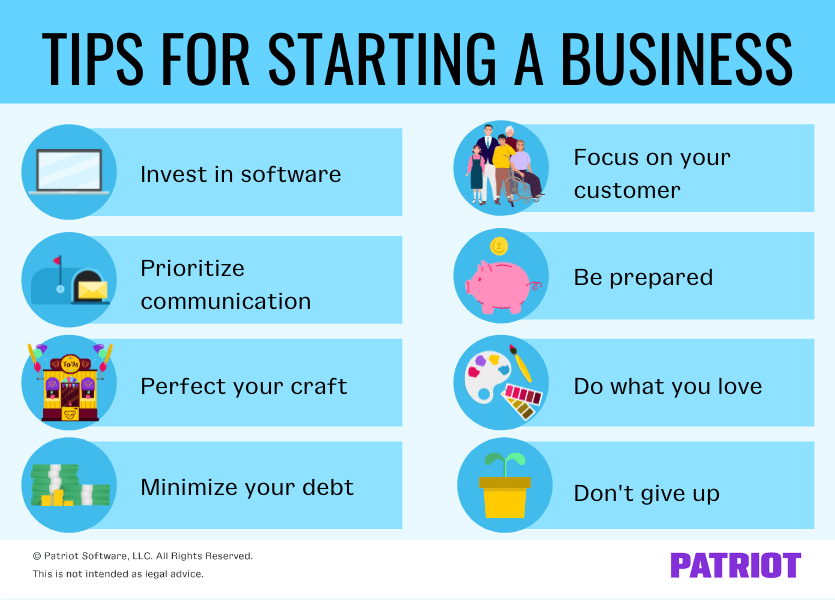
The first hurdle for any entrepreneur is identifying where the initial capital will come from. Without a robust funding strategy, even the most innovative concepts can fail to gain traction. The choice of funding influences not only the speed of growth but also the level of control the founder retains over the entity.
Bootstrapping vs. External Funding
Bootstrapping involves using personal savings and initial sales revenue to fund the business. This method allows for 100% ownership and forces a lean operational style, which can be beneficial for long-term fiscal discipline. However, it often limits the pace of expansion. Conversely, seeking external funding—such as angel investors or venture capital—provides a significant injection of cash that can catalyze rapid growth. The trade-off is equity; founders must be prepared to give up a percentage of their business and potentially a seat on the board. For most small businesses, a middle-ground approach using “friends and family” rounds or small seed investments is common.
Navigating Small Business Loans and Grants
Debt financing remains a cornerstone of the small business world. Small Business Administration (SBA) loans offer competitive interest rates and long repayment terms, making them an attractive option for those who do not wish to dilute their equity. To qualify, entrepreneurs must present a rigorous business plan and a strong credit history. Additionally, many sectors offer government or private grants. Unlike loans, grants do not require repayment, but they are highly competitive and often come with strict requirements regarding how the money is spent.
Understanding the Cost of Capital
Every dollar a business brings in has a cost associated with it. If you take a loan, the cost is the interest rate. If you take investment, the cost is the future value of the equity you surrendered. A sophisticated entrepreneur calculates the “Weighted Average Cost of Capital” (WACC) to ensure that the return on their business activities exceeds the cost of the money used to fund those activities. If your business generates a 10% return but your debt costs 12%, you are technically losing value even if you are “making money.”
2. Financial Planning: Budgeting and Cash Flow Management
Once capital is secured, the focus shifts to meticulous planning. A business without a budget is a ship without a compass. Financial planning involves forecasting future performance while maintaining a granular view of current expenditures.
Estimating Startup Costs and Burn Rate
Underestimating the cost of entry is a frequent cause of business failure. Startup costs generally fall into two categories: capital expenditures (one-time purchases like equipment or property) and operating expenses (recurring costs like rent, insurance, and utilities). Entrepreneurs must calculate their “burn rate”—the amount of money the company loses each month before reaching profitability. Knowing your burn rate allows you to calculate your “runway,” or how many months the business can survive before it needs more capital or must become self-sustaining.
Creating a Realistic Cash Flow Projection
Profit is not the same as cash. A business can be profitable on paper while being insolvent in practice. This occurs when there is a mismatch between when expenses are paid and when revenue is collected. A cash flow projection is a monthly breakdown of money flowing in and out. By anticipating months where cash might be tight—perhaps due to seasonal fluctuations or delayed client payments—you can arrange for lines of credit in advance, ensuring that payroll and vendors are always paid on time.
Building an Emergency Fund for Business
Just as in personal finance, a business needs a “rainy day” fund. Market volatility, supply chain disruptions, or sudden regulatory changes can impact revenue overnight. Financial experts typically recommend keeping three to six months of operating expenses in a liquid high-yield account. This reserve acts as a buffer, allowing the business to pivot or weather a crisis without the immediate threat of bankruptcy.
3. Revenue Models and Profitability Optimization
The ultimate goal of any small business is to generate a return on investment (ROI). Achieving this requires a deep understanding of how value is converted into currency through various revenue models and pricing strategies.
Choosing the Right Revenue Model
How your business earns money is as important as what it sells. Common models include transactional (one-time sales), subscription (recurring monthly or annual fees), and freemium (basic services for free with paid upgrades). For a small business, recurring revenue models are often the most financially stable because they provide a predictable income stream, making financial forecasting much more accurate. High-margin service models, where the cost of goods sold (COGS) is low, also offer a faster path to profitability.
Pricing Strategies and the Value-Price Gap
Setting the right price is a delicate balance between covering costs and remaining competitive. A “Cost-Plus” pricing strategy ensures that every sale covers the direct cost of the product plus a fixed percentage for overhead and profit. However, “Value-Based” pricing—setting prices based on the perceived value to the customer—often yields higher margins. It is essential to understand your “Break-Even Point,” which is the exact volume of sales required to cover all fixed and variable costs. Any sale beyond this point contributes directly to your net profit.
Managing Overheads and Operational Efficiency
As a business grows, “bracket creep” can occur, where overhead costs expand faster than revenue. Successful small business owners practice “Lean Accounting,” constantly reviewing line items to eliminate waste. This might involve renegotiating vendor contracts, outsourcing non-core functions to reduce full-time salary burdens, or utilizing automation to increase output per employee. Every dollar saved in operational expenses is a dollar added directly to the bottom line.
4. Tax Optimization and Legal Financial Structures
The way a business is legally structured has a profound impact on its tax liability and the owner’s personal financial exposure. Navigating the tax code effectively can save a small business thousands of dollars annually.
Choosing the Right Entity for Tax Efficiency
The choice between a Sole Proprietorship, an LLC, an S-Corp, or a C-Corp is primarily a financial decision. For many small business owners, an S-Corp is attractive because it allows the owner to be treated as an employee, potentially reducing self-employment taxes by taking a portion of income as a distribution rather than a salary. Conversely, a C-Corp might be better if the goal is to reinvest all profits back into the company at a lower corporate tax rate. Consulting with a tax professional during the startup phase is vital to ensure the structure aligns with long-term financial goals.
Deductions and Credits for New Small Businesses
The tax code provides numerous incentives for entrepreneurs. Most startup costs up to a certain threshold can be deducted in the first year of operation. Furthermore, business owners can leverage deductions for home offices, travel, equipment depreciation (Section 179 deductions), and even health insurance premiums. Understanding the difference between a tax deduction (which lowers taxable income) and a tax credit (which provides a dollar-for-dollar reduction in taxes owed) is key to optimizing the year-end financial position.
5. Financial Tools and Infrastructure for Growth
In the modern era, managing the finances of a small business is made significantly easier through technology. Implementing the right financial “stack” early on prevents costly errors and provides real-time insights into the company’s health.
Automated Accounting and Bookkeeping
Gone are the days of manual ledgers and shoeboxes full of receipts. Cloud-based accounting software like QuickBooks, Xero, or FreshBooks allows for real-time tracking of income and expenses. These tools can sync with business bank accounts and credit cards, automating much of the data entry. More importantly, they generate essential financial statements—Balance Sheets, Income Statements (P&L), and Cash Flow Statements—at the click of a button, providing the data needed for informed decision-making.
Payment Processing and Treasury Management
The speed at which you collect money (Accounts Receivable) is vital. Utilizing efficient payment processors like Stripe, Square, or PayPal ensures that customers can pay easily via credit card or ACH, reducing the time money spends “in transit.” Additionally, as the business accumulates cash, treasury management becomes important. Small business owners should look for business checking accounts that offer interest or cash-back rewards, ensuring that even idle capital is working to increase the company’s net worth.
The Role of Financial Key Performance Indicators (KPIs)
Finally, starting a small business requires a commitment to data-driven management. Founders should identify 3–5 financial KPIs to monitor weekly. These might include the “Gross Margin” (the percentage of revenue that exceeds COGS), “Customer Acquisition Cost” (CAC), and the “Lifetime Value” (LTV) of a customer. When the LTV is significantly higher than the CAC, the business has a financially viable engine for growth. Monitoring these metrics allows the owner to make proactive adjustments rather than reactive ones, securing the financial future of the enterprise.
By focusing on these financial fundamentals—from the initial capitalization to the implementation of sophisticated accounting tools—entrepreneurs can build a small business that is not only operational but fiscally resilient and poised for sustainable profit.
aViewFromTheCave is a participant in the Amazon Services LLC Associates Program, an affiliate advertising program designed to provide a means for sites to earn advertising fees by advertising and linking to Amazon.com. Amazon, the Amazon logo, AmazonSupply, and the AmazonSupply logo are trademarks of Amazon.com, Inc. or its affiliates. As an Amazon Associate we earn affiliate commissions from qualifying purchases.