
Starting a small business is often romanticized as a journey of passion and creativity. However, from a purely fiscal perspective, a business is a financial vehicle designed to generate a return on investment. Whether you are looking to replace your nine-to-five income or build a scalable enterprise, the transition from “idea” to “entity” requires a rigorous understanding of capital, cash flow, and financial infrastructure.
To succeed in today’s competitive landscape, an entrepreneur must move beyond the “hustle” mindset and adopt the discipline of a Chief Financial Officer. This guide explores the essential financial steps to starting a small business, focusing on how to secure your capital, optimize your revenue models, and build a foundation for long-term wealth.
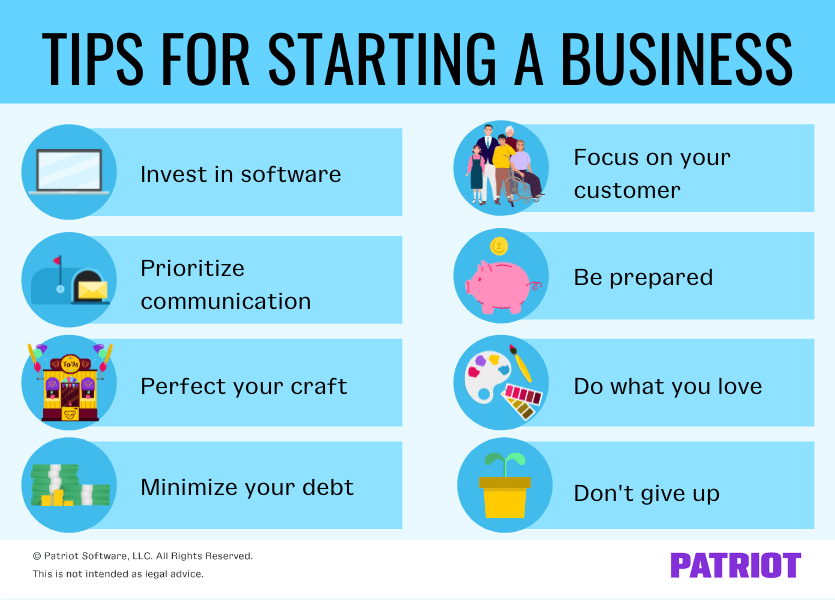
Laying the Economic Foundation: Budgeting and Initial Capital
Every business begins with a cost, and the primary reason for early-stage failure is undercapitalization. Before selling a single product or service, you must determine exactly how much “runway” you have. Runway refers to the number of months your business can operate before it runs out of money, assuming no revenue is coming in.
Assessing Start-up Costs and Burn Rate
Your first task is to differentiate between one-time startup costs and recurring operating expenses. One-time costs include legal incorporation fees, initial inventory, equipment, and website development. Recurring expenses—your monthly “burn rate”—include rent, software subscriptions, insurance, and marketing.
To create an accurate budget, use a bottom-up approach. Instead of guessing, get actual quotes for every line item. Financial experts suggest having at least six to twelve months of operating expenses in reserve. This safety net allows you to make strategic decisions based on data rather than desperate decisions based on a dwindling bank balance.
Bootstrapping vs. Seeking External Funding
How you fund your business dictates your level of control and your financial risk.
- Bootstrapping: This involves using personal savings and early revenue to fund growth. It allows for 100% ownership and forces extreme financial discipline. However, growth may be slower because you are limited by your own capital.
- Debt Financing: Taking out a small business loan or using a business credit card. While this provides immediate liquidity, it introduces the burden of interest payments, which can strangle a young company’s cash flow.
- Equity Financing: Bringing on investors in exchange for a percentage of the company. This is ideal for high-growth models that require significant upfront capital, but it means sharing future profits and decision-making power.
Revenue Models and Profitability Planning
A business without a clear path to profitability is merely an expensive hobby. To start a business that actually makes money, you must define your revenue model and understand your unit economics—the direct revenues and costs associated with a single unit of what you sell.
Identifying High-Margin Business Opportunities
Not all businesses are created equal in terms of profit potential. Service-based businesses (consulting, digital marketing, coaching) often have high margins because they have low overhead and no physical inventory. Product-based businesses (e-commerce, manufacturing) have lower margins but offer better scalability through automation.
When choosing your niche, analyze the “Gross Margin.” If it costs you $50 to acquire and deliver a product that sells for $100, your gross margin is 50%. In the “Money” niche, the goal is to identify models where margins remain stable even as you scale. High-margin businesses provide a buffer against inflation and unexpected market shifts.
Pricing Strategies for Sustainable Growth
Pricing is perhaps the most powerful lever in business finance. Many new entrepreneurs make the mistake of “cost-plus” pricing—taking the cost of the item and adding a small markup. A more sophisticated approach is “value-based pricing,” where you price based on the financial impact or perceived value you provide to the client.
Furthermore, consider the “Lifetime Value” (LTV) of a customer. It is far more expensive to acquire a new customer than to retain an existing one. By implementing recurring revenue models—such as subscriptions, retainers, or memberships—you create a predictable cash flow that makes financial forecasting significantly more accurate.
Navigating Business Finance and Financial Infrastructure
Once the business is live, the focus shifts from raising money to managing it. Effective financial management requires the right tools and a strict separation between personal and professional assets.
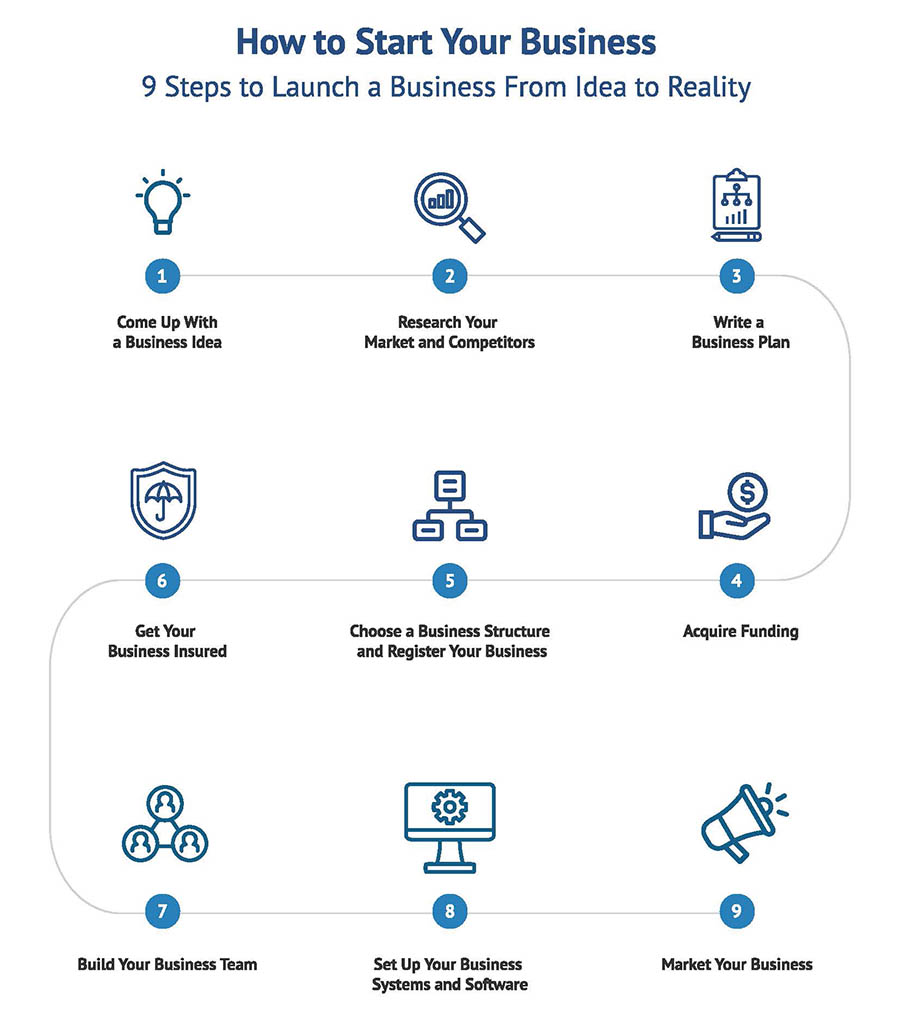
Essential Banking and Accounting Tools
The moment you receive your first dollar of revenue, you must have a dedicated business bank account. Co-mingling personal and business funds is a recipe for legal trouble and accounting nightmares.
Modern financial tools have made it easier than ever to track every cent. Cloud-based accounting software like QuickBooks, Xero, or FreshBooks allows you to automate invoicing and categorize expenses in real-time. Additionally, using “neobanks” designed for startups—such as Mercury or Relay—can provide better integration with digital payment processors like Stripe or PayPal, ensuring that your financial data flows seamlessly into your ledger.
Managing Cash Flow and Working Capital
Profit is not the same as cash. A business can be “profitable” on paper but go bankrupt because its cash is tied up in unpaid invoices or unsold inventory. This is the challenge of working capital.
To maintain a healthy cash flow, you should aim to shorten your “Cash Conversion Cycle.” This means getting paid by customers as quickly as possible while negotiating longer payment terms with your suppliers. Implementing “Net 30” or “Net 60” terms with vendors while requiring upfront deposits from clients is a classic financial strategy to ensure you always have liquidity to cover your immediate obligations.
Tax Strategies and Legal Financial Compliance
Taxation is often the largest single expense for a small business. Proper planning can save you thousands of dollars annually, which can then be reinvested back into the business.
Choosing the Right Business Structure for Tax Efficiency
The legal structure you choose—Sole Proprietorship, LLC, S-Corp, or C-Corp—has massive implications for how you are taxed.
- Sole Proprietorship: Simple to set up but offers no liability protection and subjects all income to self-employment tax.
- LLC (Limited Liability Company): Provides a shield for personal assets. For many small business owners, electing to be taxed as an S-Corp can be a game-changer. It allows the owner to pay themselves a “reasonable salary” and take the remaining profit as a distribution, which is not subject to self-employment taxes (Social Security and Medicare).
- C-Corp: Generally reserved for businesses planning to go public or seek venture capital, as it involves double taxation on dividends but offers the most robust legal protections.
Deductions and Financial Risk Management
Understanding what constitutes a “deductible business expense” is vital. From home office deductions to professional development and travel, legitimate expenses reduce your taxable income. However, documentation is key. The IRS (or your local tax authority) requires a clear paper trail.
Beyond taxes, financial risk management involves insurance. General liability insurance, professional indemnity insurance, and cyber insurance are not just costs; they are investments that protect the business from catastrophic financial loss. In the world of money, protecting your downside is just as important as capturing the upside.
Scaling for Long-Term Wealth Generation
The ultimate goal of starting a small business is often to build an asset that grows in value over time. Scaling requires a shift from “doing the work” to “building the system” that does the work.
Reinvesting Profits vs. Personal Income
In the early stages, it is tempting to increase your personal lifestyle as soon as the business becomes profitable. However, the most successful entrepreneurs practice “delayed gratification.” By reinvesting profits back into the business—hiring talent, upgrading technology, or increasing marketing spend—you take advantage of compounding growth.
A disciplined approach involves setting a fixed salary for yourself and treating any “excess” profit as capital for expansion. This keeps the business lean and ensures that you are building equity, not just a high-paying job for yourself.
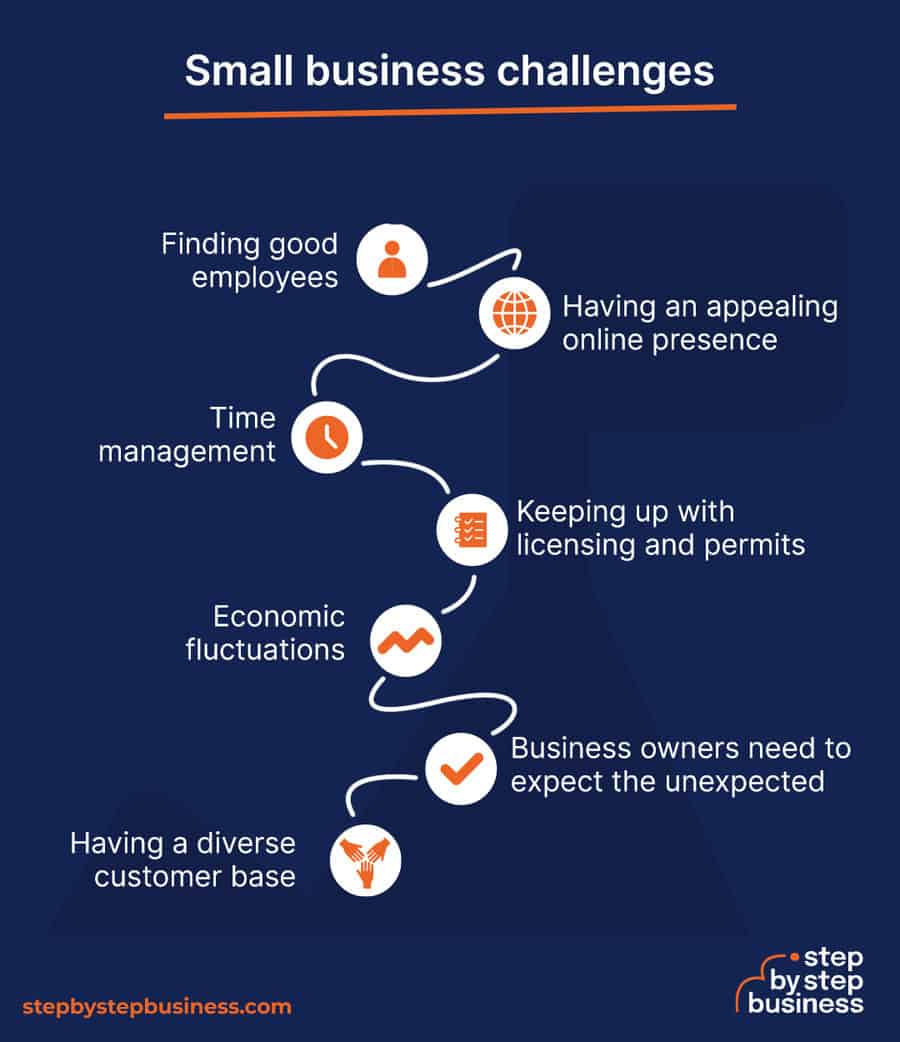
Preparing for an Exit Strategy or Acquisition
Even if you are just starting, you should think about the “end game.” Is this a lifestyle business meant to provide an income, or is it an entity you intend to sell?
Businesses are typically valued as a multiple of their EBITDA (Earnings Before Interest, Taxes, Depreciation, and Amortization). To maximize this value, you must ensure that the business can operate without you. If the business relies entirely on your personal brand or your daily labor, its market value is significantly lower. By building robust financial systems, documented processes, and a diversified client base, you turn your small business into a valuable financial asset that can eventually be sold to a competitor or a private equity firm.
In conclusion, starting a small business is a series of calculated financial moves. By mastering the art of budgeting, optimizing your revenue streams, leveraging the right financial tools, and planning for tax efficiency, you transform a simple idea into a powerful engine for wealth creation. Success in business isn’t just about what you make; it’s about what you keep and how you grow it.
aViewFromTheCave is a participant in the Amazon Services LLC Associates Program, an affiliate advertising program designed to provide a means for sites to earn advertising fees by advertising and linking to Amazon.com. Amazon, the Amazon logo, AmazonSupply, and the AmazonSupply logo are trademarks of Amazon.com, Inc. or its affiliates. As an Amazon Associate we earn affiliate commissions from qualifying purchases.