
In an era defined by volatile markets, fluctuating inflation rates, and an ever-evolving landscape of digital transactions, the question of “how do we save” has transformed from a simple household chore into a sophisticated strategic necessity. Saving is no longer just about putting spare change into a ceramic jar; it is about building a fortress of financial security that can withstand the pressures of modern life. To master the art of saving today requires a blend of behavioral psychology, disciplined budgeting, and the savvy use of financial technology.
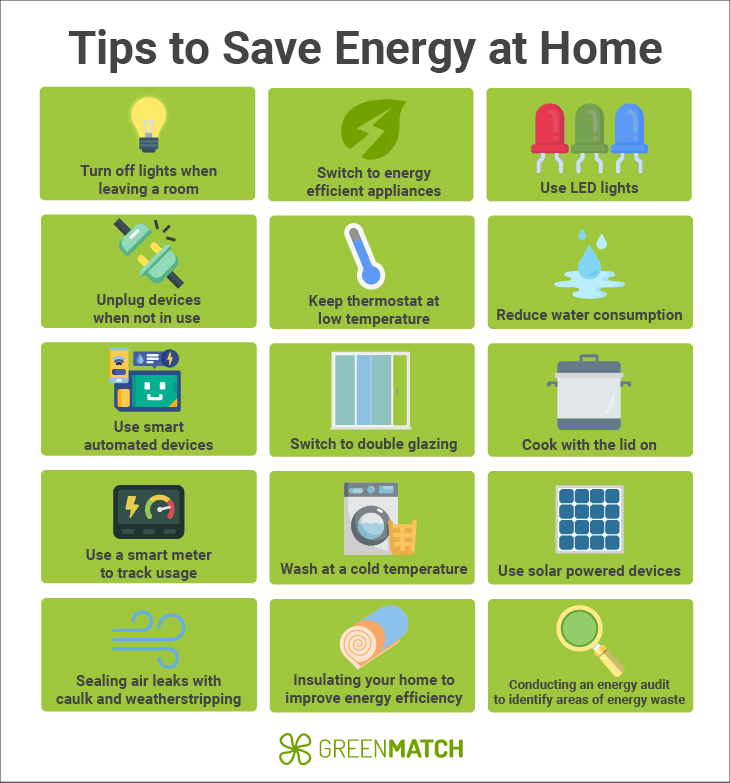
Effective saving is the cornerstone of personal finance. It provides the capital for investment, the safety net for emergencies, and the freedom to make life choices without the paralyzing fear of insolvency. This guide explores the multi-faceted approach required to build and maintain wealth through intentional saving strategies.
1. Understanding the Psychology of Saving
Before looking at spreadsheets or bank statements, we must address the psychological barriers that prevent us from retaining wealth. Human evolution has wired us for immediate gratification—a survival mechanism from our ancestors who had to consume resources when they were available. In a modern consumerist society, this instinct often works against us.
The Challenge of Delayed Gratification
The core of saving is delayed gratification: choosing a future benefit over a present desire. Behavioral economists have long studied “hyperbolic discounting,” a phenomenon where people choose smaller, immediate rewards over larger, later rewards. To save effectively, we must reframe our mindset to view “future us” as a person we care about deeply. When we put money aside, we aren’t losing it; we are purchasing future freedom.
Overcoming Lifestyle Inflation
Lifestyle inflation occurs when an increase in income leads to a proportional increase in spending. As we earn more, we tend to upgrade our cars, our housing, and our dining habits, often leaving our net savings rate stagnant. To combat this, successful savers practice “stealth wealth” or “relative frugality,” where they maintain their standard of living even as their salary grows, directing the surplus into high-interest accounts or investments.
The Power of Habits and Small Wins
Saving is a marathon, not a sprint. The “Latte Factor,” popularized by financial experts, suggests that small, daily expenses can add up to significant sums over decades. While skipping a coffee won’t make you a millionaire overnight, the discipline required to evaluate small purchases builds the “frugality muscle” necessary to make better decisions on larger expenses, such as home purchases or vehicle financing.
2. Strategic Budgeting Frameworks for the Modern Earner
A budget is not a restriction; it is a blueprint for your money’s mission. Without a plan, money tends to disappear into the “black hole” of miscellaneous expenses. To answer “how do we save,” we must look at the most effective frameworks for tracking and allocating capital.
The 50/30/20 Rule
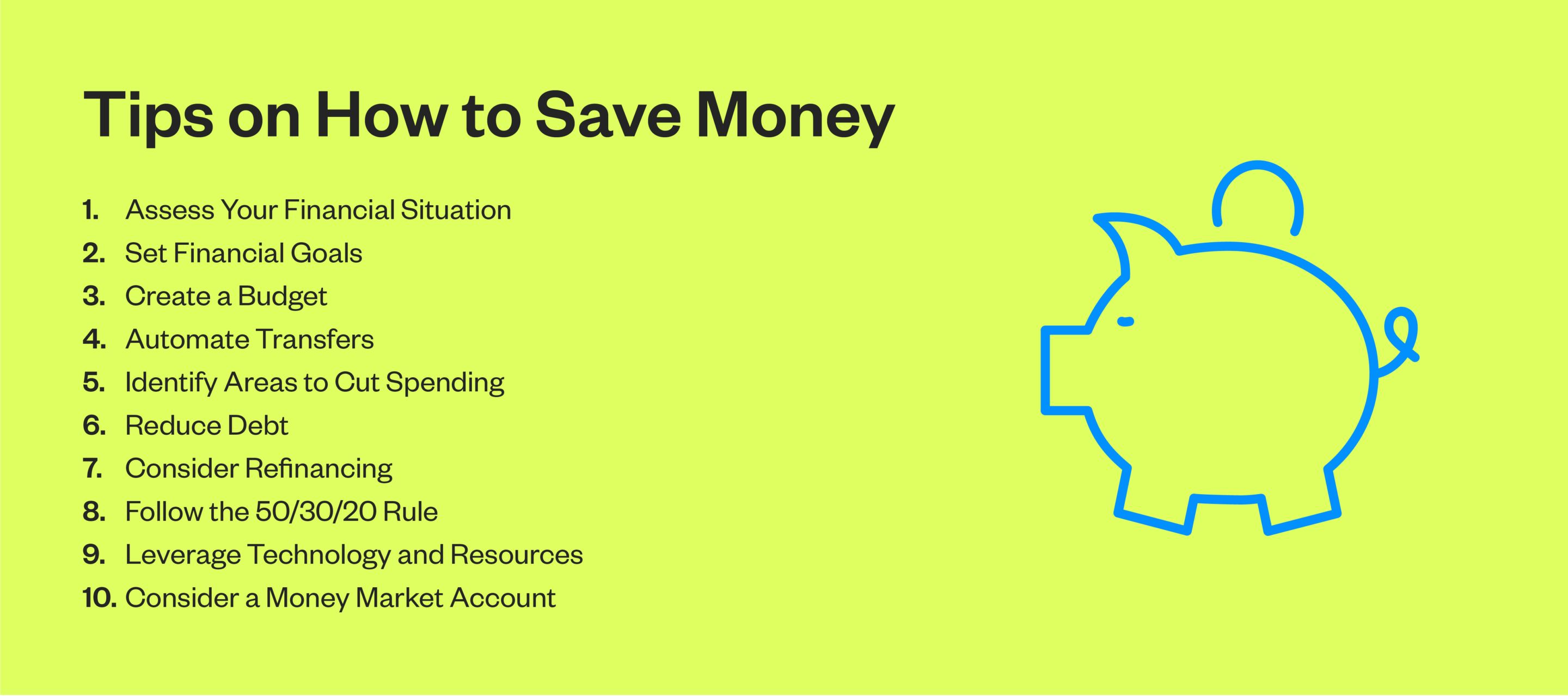
One of the most popular and accessible methods is the 50/30/20 rule. This framework suggests allocating 50% of your after-tax income to “Needs” (housing, utilities, groceries), 30% to “Wants” (entertainment, hobbies, dining out), and a minimum of 20% to “Savings and Debt Repayment.” This structure ensures that saving is prioritized as a non-negotiable line item rather than an afterthought at the end of the month.
Zero-Based Budgeting
For those who require more granular control, Zero-Based Budgeting (ZBB) is the gold standard. In this system, every single dollar of income is assigned a specific job. If you earn $5,000 in a month, you must account for where all $5,000 goes—whether it’s $2,000 for rent, $1,000 for savings, or $50 for a streaming service. By giving every dollar a name, you eliminate “leaky” spending and ensure that your savings goals are met with precision.
The “Pay Yourself First” Philosophy
This is perhaps the most effective psychological trick in the personal finance playbook. Instead of budgeting what is left over after spending, you set aside your savings goal the moment your paycheck hits your account. By treating your savings like a mandatory bill that must be paid to your future self, you force your lifestyle to adapt to the remaining balance, rather than hoping there will be something left to save at the end of the month.
3. Automating Your Path to Financial Freedom
In the digital age, willpower is often our weakest link. The most successful savers remove the element of choice entirely by leveraging automation. When the process of saving becomes invisible and automatic, the friction of decision-making is removed, leading to consistent growth over time.
Direct Deposit Splitting
Most modern payroll systems allow employees to split their direct deposits into multiple accounts. By directing a fixed percentage or dollar amount of your salary into a separate savings or brokerage account before it even touches your primary checking account, you bypass the temptation to spend it. This “out of sight, out of mind” approach is remarkably effective at building wealth.
Utilizing “Round-Up” Tools and Micro-Saving Apps
For those who find it difficult to start, micro-saving tools offer a low-barrier entry point. These apps link to your debit card and round up every transaction to the nearest dollar, transferring the difference into a dedicated savings or investment account. While the amounts are small—pennies at a time—the cumulative effect over a year can result in hundreds or even thousands of dollars saved without any conscious effort.
Scheduled Recurring Transfers
Setting up a recurring transfer from a checking account to a High-Yield Savings Account (HYSA) on a specific date (usually payday) ensures that your emergency fund or “sinking funds” (for specific goals like a wedding or a car) are consistently funded. Automation acts as a hedge against human error and emotional spending.
4. Optimizing Expenses Without Sacrificing Quality of Life
To maximize the “how” of saving, we must look at the outflow. Saving isn’t just about earning more; it’s about optimizing the value of every dollar spent. This requires a surgical look at our recurring costs and lifestyle choices.
The Subscription Audit
In the “subscription economy,” many individuals are paying for services they no longer use or value. A quarterly subscription audit involves reviewing bank statements to identify recurring charges—from streaming platforms and gym memberships to software and magazine subscriptions. Canceling unused services can immediately reclaim significant portions of a monthly budget.
Negotiating Fixed Costs
Many people view bills like insurance, internet, and phone plans as static. However, these are often negotiable. By calling providers annually to ask for loyalty discounts or comparing rates with competitors, a consumer can save hundreds of dollars a year. This “found money” can then be redirected straight into a high-interest savings vehicle.
Mastering the “Big Three”: Housing, Transportation, and Food
While small savings are important, the most significant impact on a savings rate comes from optimizing the “Big Three.”
- Housing: Considering a roommate, downsizing, or refinancing a mortgage can save thousands.
- Transportation: Opting for a reliable used car over a luxury lease eliminates high monthly payments and insurance premiums.
- Food: Meal prepping and reducing the frequency of dining out or ordering delivery is often the single fastest way to increase a monthly savings rate.
5. The Long Game: Strategic Placement of Savings
How we save is inextricably linked to where we put that money. In an inflationary environment, cash sitting in a traditional, low-interest checking account actually loses value over time. To save effectively, we must use the right tools for different financial horizons.
The Emergency Fund: The Foundation of Security
The first goal of any saving strategy should be the creation of an emergency fund—typically three to six months of essential living expenses. This fund should be kept in a High-Yield Savings Account (HYSA), which offers significantly higher interest rates than standard accounts while maintaining liquidity. This fund acts as insurance against job loss, medical emergencies, or unexpected repairs, preventing you from going into high-interest debt when life happens.
Sinking Funds for Intentional Spending
Sinking funds are accounts dedicated to specific, anticipated expenses, such as holiday gifts, a new roof, or a vacation. By saving a small amount for these goals every month, you avoid the “financial shock” of a large one-time expense. This allows you to spend money guilt-free because it has already been saved for that specific purpose.
Inflation-Protected Savings and Tax-Advantaged Accounts
For long-term saving, we must look beyond liquid cash. Utilizing accounts like a 401(k), 403(b), or an Individual Retirement Account (IRA) allows your savings to grow tax-deferred or tax-free. Furthermore, for those looking to protect their purchasing power against inflation, vehicles like I-Bonds or Treasury bills provide a secure way to save while earning a return that keeps pace with or exceeds the Consumer Price Index (CPI).
Conclusion: Saving as a Lifestyle
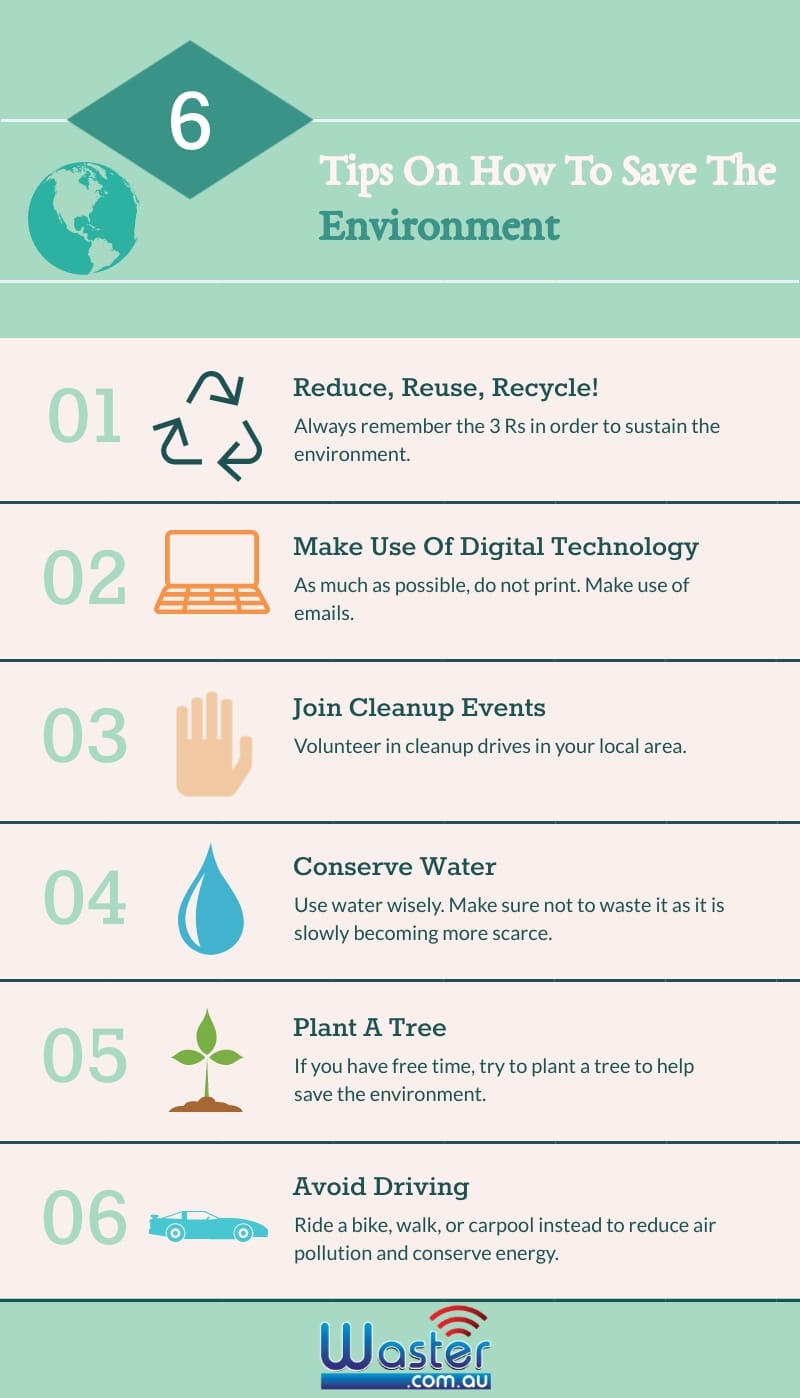
The question of “how do we save” does not have a single answer, but rather a collection of intentional habits and strategic decisions. It begins with the psychological shift of prioritizing your future self, continues through the implementation of disciplined budgeting frameworks, and is sustained by the power of automation and expense optimization.
Saving is not an act of deprivation; it is an act of empowerment. It is the process of reclaiming your time and your future. By mastering these strategies, you move from a state of financial fragility to a position of strength, ensuring that no matter which way the economic winds blow, your financial foundation remains unshakable. In the end, we save so that we can live—not just for today, but for every tomorrow that follows.
aViewFromTheCave is a participant in the Amazon Services LLC Associates Program, an affiliate advertising program designed to provide a means for sites to earn advertising fees by advertising and linking to Amazon.com. Amazon, the Amazon logo, AmazonSupply, and the AmazonSupply logo are trademarks of Amazon.com, Inc. or its affiliates. As an Amazon Associate we earn affiliate commissions from qualifying purchases.