
In an era characterized by economic volatility, rising inflation, and the ever-present temptation of consumerism, the question “How can you save?” has transitioned from a simple inquiry into a vital survival strategy. Saving is not merely the act of hoarding currency; it is a sophisticated discipline that involves psychological shifts, strategic planning, and the utilization of modern financial tools. Whether you are looking to build a safety net for unforeseen circumstances or aiming for long-term wealth accumulation, understanding the mechanics of saving is the first step toward financial sovereignty.
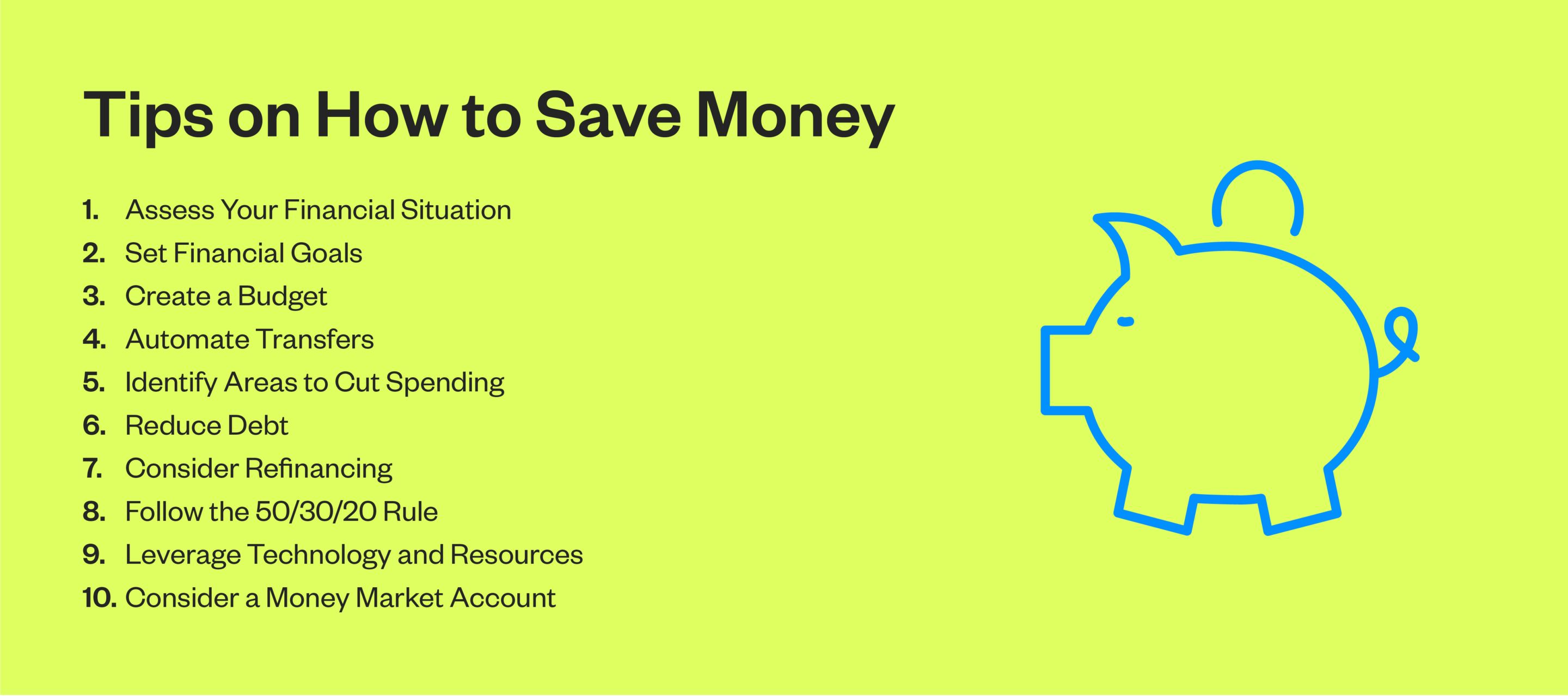
This guide explores the multifaceted approach to saving, focusing on high-impact strategies that range from foundational budgeting to advanced tax optimization and investment-driven growth.
1. Mastering the Art of Strategic Budgeting and Expense Analysis
The foundation of any successful savings plan is a clear understanding of cash flow. You cannot save what you do not track. Strategic budgeting is the process of aligning your spending with your values and long-term goals, rather than simply restricting your lifestyle.
The 50/30/20 Rule as a Financial Blueprint
One of the most effective frameworks for beginners and experienced savers alike is the 50/30/20 rule. This method suggests allocating 50% of your after-tax income to “Needs” (housing, utilities, groceries), 30% to “Wants” (dining out, entertainment, hobbies), and 20% to “Savings and Debt Repayment.” By categorizing your expenses this way, you create a structural boundary that ensures saving is a priority rather than an afterthought. If your needs exceed 50%, it serves as a diagnostic signal that you may need to downsize your fixed costs or seek ways to increase your primary income.
Identifying and Eliminating “Phantom” Expenses
In the digital age, many financial leaks are invisible. These “phantom expenses” often take the form of forgotten subscription services, premium memberships that go unused, or incremental “convenience fees” associated with delivery apps. To save effectively, conduct a quarterly audit of your bank statements. Look for recurring charges that no longer provide equivalent value. Consolidating streaming services or switching to annual billing cycles for essential software can yield significant annual savings with minimal impact on your daily quality of life.
Leveraging Financial Technology for Real-Time Monitoring
The manual ledger is a relic of the past. Today, sophisticated financial apps can sync with your accounts to provide real-time visualizations of your spending habits. Tools that utilize AI to categorize expenses allow you to see exactly where your money goes. By setting “spending alerts,” you can gamify the process of saving, challenging yourself to stay under budget in specific categories and redirecting those “wins” into a dedicated savings account.
2. Optimizing Debt Management to Accelerate Savings
A common misconception is that saving and debt repayment are mutually exclusive. In reality, high-interest debt is the greatest predator of your saving potential. To save effectively, you must address the liabilities that are eroding your net worth through compounding interest.
The Math Behind High-Interest Debt vs. Savings Rates
If you have a credit card balance with an 18% APR and a savings account offering a 4% yield, every dollar you put into savings instead of paying off that debt results in a net loss of 14%. Mathematically, paying down high-interest debt is a guaranteed return on investment. Once the high-interest barriers are removed, the capital previously allocated to interest payments can be redirected entirely into your savings engine.
Strategic Repayment: Snowball vs. Avalanche
To free up cash flow for saving, you must choose a debt repayment strategy that fits your psychological profile. The “Debt Avalanche” method focuses on paying off the debt with the highest interest rate first, saving you the most money over time. Conversely, the “Debt Snowball” method focuses on paying off the smallest balances first to build psychological momentum. Whichever method you choose, the goal is the same: to eliminate interest leaks so that your income can finally work for you, not your creditors.
Utilizing Balance Transfers and Refinancing
For those with significant high-interest debt, saving can feel impossible. However, utilizing financial tools like 0% APR balance transfer credit cards or low-interest personal consolidation loans can provide the breathing room necessary to start a savings fund. By reducing the interest rate on your liabilities, more of your monthly payment goes toward the principal, accelerating the journey toward a debt-free status where 100% of your surplus income can be saved.
3. Building Robust Reservoirs: Emergency Funds and High-Yield Vehicles

Once you have a budget and a debt management plan, the next step in answering “how can you save” is determining where to put the money. Not all savings accounts are created equal, and the location of your funds can significantly impact their growth.
The Essential Emergency Fund
Financial experts generally recommend maintaining an emergency fund that covers three to six months of essential living expenses. This fund acts as your personal insurance policy against job loss, medical emergencies, or major home repairs. The psychological peace of mind provided by a fully-funded emergency account prevents you from raiding your long-term investments or falling back into high-interest debt when life becomes unpredictable.
Moving Beyond Traditional Savings Accounts
To maximize your savings, you must move away from “big bank” savings accounts that offer near-zero interest. Instead, look toward High-Yield Savings Accounts (HYSA) or Money Market Funds (MMF). These vehicles currently offer significantly higher interest rates, allowing your idle cash to keep pace with—or even exceed—inflation. In an HYSA, your money remains liquid and FDIC-insured, making it the ideal home for both your emergency fund and short-term goals like a house down payment or a wedding.
The Power of “Paying Yourself First”
The most successful savers do not save what is left over after spending; they spend what is left over after saving. By setting up an automated transfer that moves a portion of your paycheck into a separate savings account the moment it hits your bank, you remove the element of human error and temptation. Automation treats your savings goal as a non-negotiable bill that must be paid every month, ensuring consistent growth regardless of your fluctuating willpower.
4. Investing as the Ultimate Form of Long-Term Saving
To truly master how you save, you must recognize that “saving” for the long term actually means “investing.” Cash loses purchasing power over time due to inflation. To save for retirement or multi-generational wealth, your money must be put to work in the markets.
Harnessing the Power of Compounding Interest
Albert Einstein famously called compound interest the eighth wonder of the world. By reinvesting the earnings from your savings, you create a snowball effect where your money generates more money. The earlier you start, the less you actually have to “save” out of your own pocket to reach your goals. A person who starts saving $500 a month at age 25 will likely have significantly more at retirement than someone who starts saving $1,500 a month at age 45, purely due to the time-value of money.
Utilizing Tax-Advantaged Accounts
In the realm of personal finance, what you keep is more important than what you earn. Tax-advantaged accounts like the 401(k), 403(b), or Individual Retirement Accounts (IRAs) are powerful tools for saving. Contributions to traditional versions of these accounts reduce your taxable income today, while Roth versions allow your savings to grow and be withdrawn tax-free in the future. Furthermore, many employers offer a “match” on 401(k) contributions—this is essentially a 100% return on your savings and should be the first priority for anyone looking to optimize their finances.
Diversification and Low-Cost Index Funds
For the average person, the most effective way to save through investing is not by picking individual stocks, but by utilizing low-cost index funds or Exchange-Traded Funds (ETFs). These funds track the performance of the entire market (like the S&P 500), providing instant diversification and minimizing risk. By keeping fees low and staying invested through market cycles, you ensure that your savings grow in tandem with the global economy.
5. Cultivating a Wealth-Building Mindset and Avoiding Lifestyle Creep
Finally, the question of “how can you save” is as much about psychology as it is about mathematics. The greatest enemy of the modern saver is “lifestyle creep”—the tendency to increase spending as income rises.
The Psychology of Intentional Spending
Saving does not require a life of deprivation; it requires a life of intention. Practice the “72-hour rule” for non-essential purchases: if you see something you want, wait three days before buying it. Often, the impulse fades, and you realize the purchase wouldn’t have added true value to your life. Redirecting that impulsive spending into your brokerage account is a powerful way to build wealth over time.
Redefining Wealth and Success
Many people fail to save because they are focused on looking wealthy rather than being wealthy. True wealth is the freedom to control your time, which is only possible when you have a significant gap between your income and your expenses. By prioritizing financial independence over status symbols, you create a sustainable lifestyle that allows for consistent, long-term saving.
The Power of Incremental Improvements
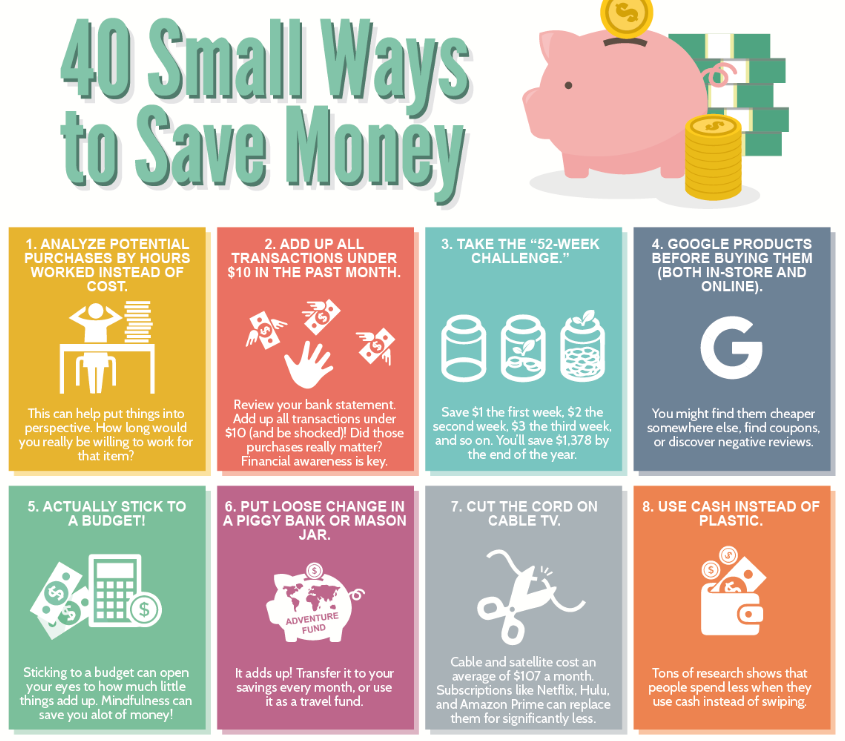
If saving 20% of your income feels impossible today, start with 1%. In six months, move it to 2%. Small, incremental changes are easier to sustain than radical lifestyle overhauls. Over time, these small adjustments compound into a robust financial foundation that provides security, opportunity, and the freedom to live life on your own terms.
In conclusion, saving is a holistic process. It begins with the clarity of a budget, is protected by the elimination of debt, is nurtured in high-yield accounts, and is multiplied through strategic investing. By applying these principles, you transform “saving” from a chore into a powerful engine for personal and financial growth.
aViewFromTheCave is a participant in the Amazon Services LLC Associates Program, an affiliate advertising program designed to provide a means for sites to earn advertising fees by advertising and linking to Amazon.com. Amazon, the Amazon logo, AmazonSupply, and the AmazonSupply logo are trademarks of Amazon.com, Inc. or its affiliates. As an Amazon Associate we earn affiliate commissions from qualifying purchases.