
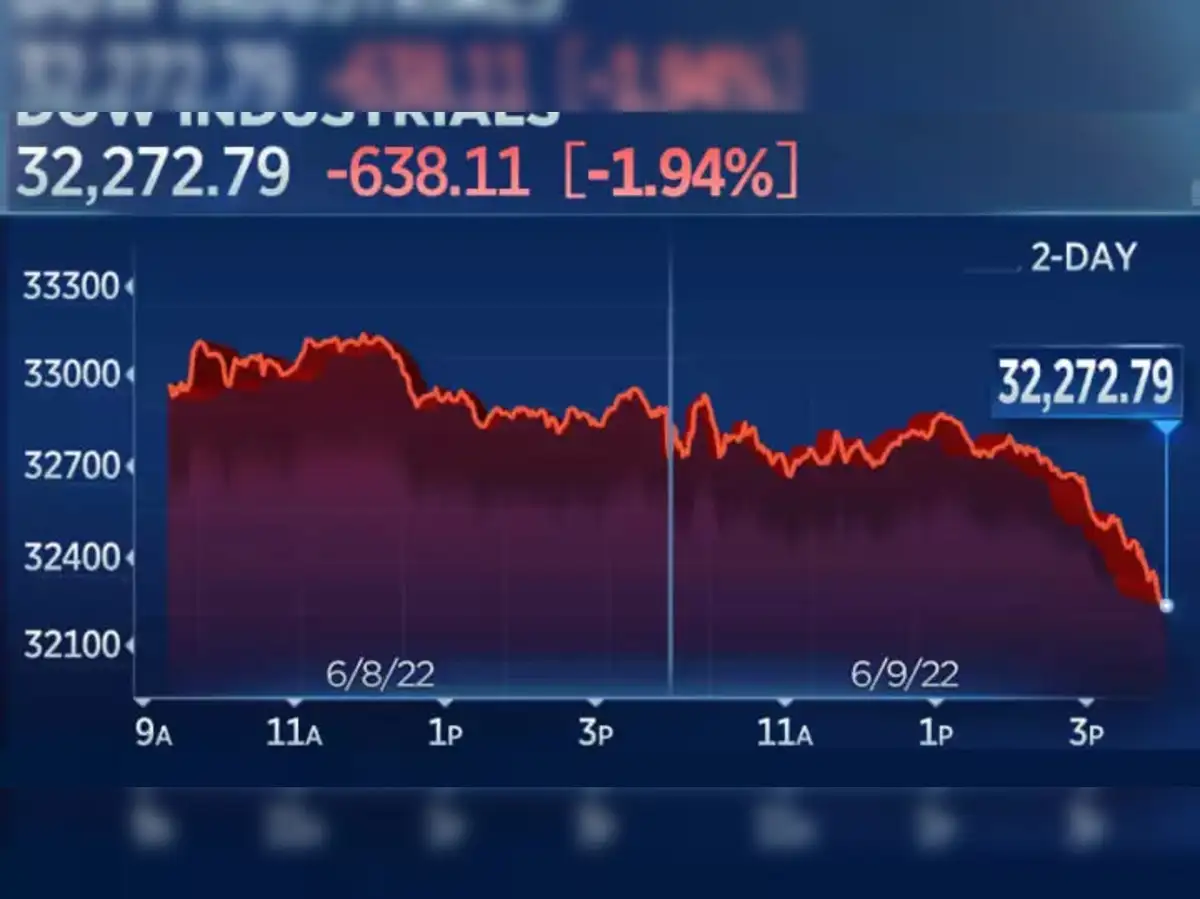
The Dow Jones Industrial Average (DJIA), often referred to simply as “the Dow,” is one of the most watched stock market indices in the world. Comprising 30 prominent “blue-chip” companies listed on stock exchanges in the United States, it serves as a barometer for the overall health of the American economy. When the Dow experiences a significant drop, it sends ripples of concern through the financial world, prompting investors, policymakers, and the general public to ask: why is the Dow down?
Market fluctuations are rarely the result of a single isolated event. Instead, a downward trend in the Dow is typically the culmination of various macroeconomic pressures, corporate performance shifts, and psychological factors. To understand the current trajectory of the market, one must look beyond the red numbers on a screen and analyze the fundamental forces at play.
The Macroeconomic Factors Pressuring the Dow Jones
The broader economic environment is the primary driver of market sentiment. When the Dow moves lower, it is often reacting to changes in the “big picture” variables that dictate the cost of doing business and the purchasing power of consumers.
Interest Rates and the Federal Reserve’s Stance
Perhaps the most significant influence on the Dow in recent years has been the Federal Reserve’s monetary policy. When inflation rises above the central bank’s target, the Fed typically raises interest rates to cool the economy. For the 30 companies in the Dow—many of which are capital-intensive industrial giants—higher interest rates mean higher borrowing costs.
When it becomes more expensive for corporations to finance expansion or manage debt, their bottom lines are squeezed. Furthermore, higher interest rates make fixed-income investments, like Treasury bonds, more attractive compared to stocks. As investors rotate their capital out of equities and into safer yields, the Dow inevitably faces downward pressure.
Inflationary Pressures and Consumer Spending
Inflation is a double-edged sword for the companies within the Dow. While some firms can pass increased costs on to consumers, persistent inflation eventually erodes the purchasing power of the average household. The DJIA includes major consumer-facing brands like Walmart, Coca-Cola, and Disney. When consumers spend more on essentials like gas and groceries, they have less discretionary income for the products and services offered by these Dow components. A slowdown in consumer demand leads to lowered revenue expectations, which is a fast-track to a declining stock price.
Geopolitical Tensions and Global Trade Disruptions
The Dow is composed of multinational corporations with complex global supply chains and significant international sales. Geopolitical instability—whether it be trade wars, regional conflicts, or sanctions—can disrupt these operations overnight. For example, an escalation in global tensions can lead to a spike in energy prices, which increases transportation and manufacturing costs for the industrial companies that form the backbone of the Dow. Uncertainty is the enemy of the stock market; when the global political landscape looks precarious, investors tend to retreat, causing the index to slide.
Sector-Specific Performance and Corporate Earnings
Because the Dow Jones is a price-weighted index of only 30 companies, the poor performance of even a few key members can drag the entire average down. Understanding “why the Dow is down” requires a look at the specific challenges facing these corporate titans.
The Weight of Tech and Industrials in the DJIA
While the Dow is more diversified than the tech-heavy Nasdaq, it still contains massive technology and industrial players like Microsoft, Apple, and Caterpillar. If the tech sector faces a correction due to overvaluation or regulatory scrutiny, the Dow feels the impact. Similarly, the industrial sector is highly sensitive to the economic cycle. If data suggests a slowdown in manufacturing or a decline in construction spending, the industrial heavyweights in the Dow will see their share prices fall, pulling the index down with them.
Quarterly Earnings Reports: Missed Expectations and Lowered Guidance
Four times a year, companies release their quarterly earnings reports. These are pivotal moments for the Dow. A “miss”—where a company fails to meet the earnings per share (EPS) or revenue targets set by analysts—often results in an immediate sell-off.

Even more impactful than past performance is “guidance”—the company’s forecast for future quarters. If a Dow component like Goldman Sachs or Boeing issues a cautious outlook citing supply chain woes or declining demand, the market reacts by repricing the stock downward. Because the Dow is price-weighted, a large price drop in a high-priced stock like UnitedHealth Group can have a disproportionate effect on the index’s total value.
The Impact of Rising Operational Costs on Blue-Chip Giants
Blue-chip companies are often characterized by their stability, but they are not immune to the rising costs of labor and raw materials. In a tight labor market, companies must offer higher wages to attract and retain talent, which eats into profit margins. Additionally, fluctuations in commodity prices—such as the cost of aluminum for aerospace or ingredients for food and beverage companies—can lead to “margin compression.” When investors see that companies are working harder but earning less profit per dollar of sales, they may reevaluate the stock’s valuation, leading to a decline in the Dow.
Market Sentiment and Behavioral Finance
The stock market is not always a rational machine; it is a reflection of human psychology and collective behavior. Often, the reason the Dow is down has more to do with “mood” than “math.”
The Role of Investor Fear and the VIX Index
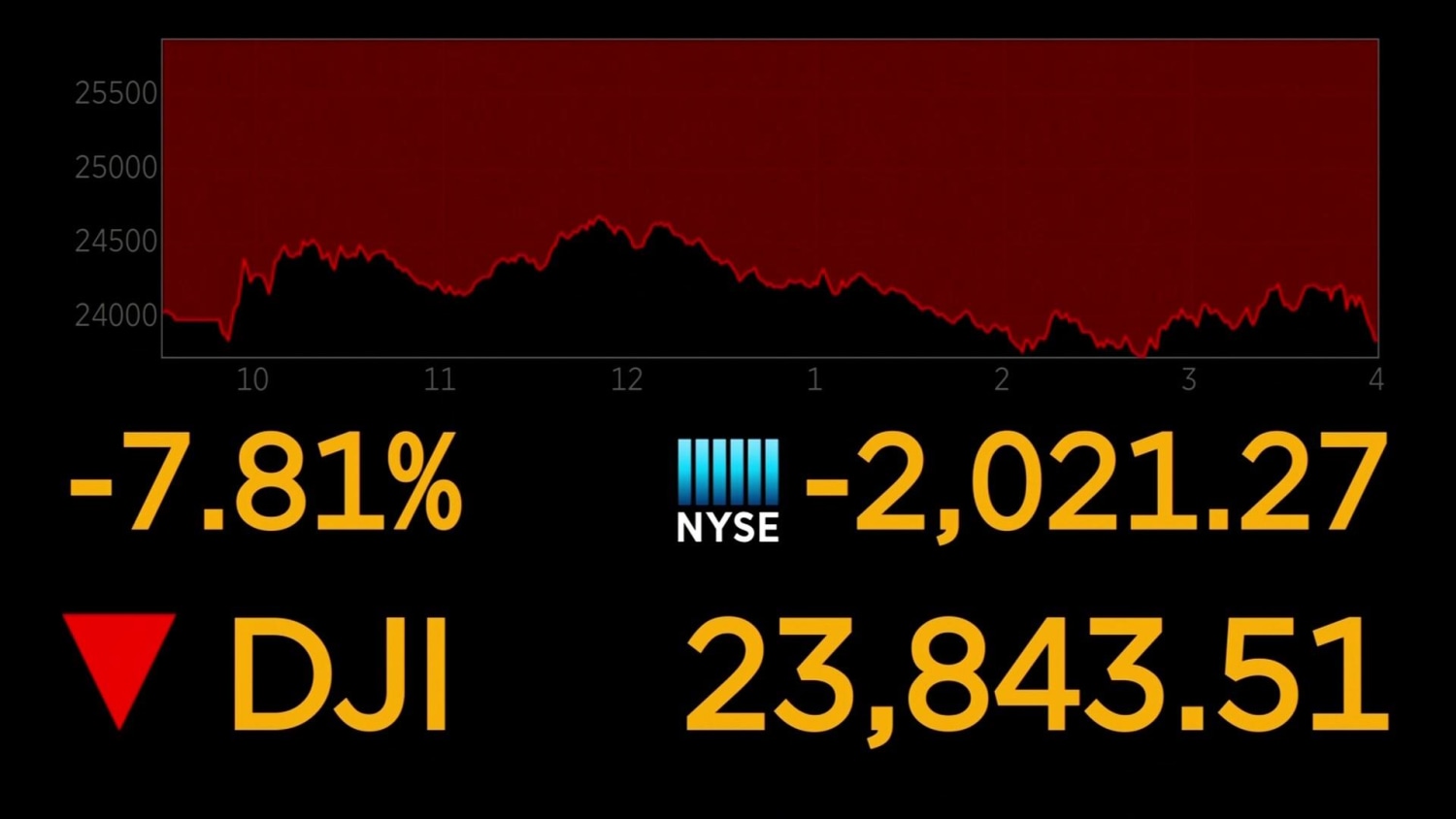
The CBOE Volatility Index, or the VIX, is often called the “fear gauge.” When the VIX spikes, it indicates that investors are nervous about the future and are buying protective options. This atmosphere of fear can lead to “panic selling,” where investors dump their holdings regardless of a company’s fundamental strength. In these scenarios, the Dow can drop significantly in a single day as a “herd mentality” takes over. Once a downward trend establishes itself, it can become a self-fulfilling prophecy as more investors sell to avoid further losses.
Algorithmic Trading and the Domino Effect
In the modern financial era, a significant portion of trading is executed by high-frequency algorithms rather than humans. These algorithms are often programmed to sell when certain “technical levels” are breached. For instance, if the Dow falls below its 200-day moving average, it may trigger a wave of automated sell orders. This can lead to rapid, sharp declines that seem disconnected from any specific news event. These “flash” movements contribute to the volatility that characterizes a down market.
Profit-Taking and Institutional Rebalancing
Sometimes, the Dow is down simply because it was “up” for too long. After a prolonged bull market, institutional investors—such as pension funds and mutual funds—may engage in profit-taking. They sell their winning positions to lock in gains and rebalance their portfolios. If several large institutions decide to trim their exposure to equities simultaneously, the increased supply of shares on the market will drive prices down. This is often viewed as a healthy market “correction,” but for the casual observer, it appears as a concerning dip in the index.
How Investors Should Respond to a Downward Trend
When the Dow is down, the natural instinct for many investors is to react with alarm. However, professional financial management requires a more calculated approach to market downturns.
Long-Term Perspective vs. Short-Term Noise
Historical data shows that the Dow Jones, despite periodic crashes and bear markets, has an upward trajectory over the long term. For an investor with a 10, 20, or 30-year horizon, a weekly or monthly dip in the Dow is often just “noise.” The key is to distinguish between a temporary market correction and a fundamental shift in the economy. Maintaining a disciplined investment strategy and resisting the urge to “time the market” is often the most successful path to wealth accumulation.
Diversification and Defensive Investing Strategies
A declining Dow highlights the importance of diversification. While the Dow represents large-cap U.S. stocks, a well-rounded portfolio might also include small-cap stocks, international equities, bonds, and real estate. During times when the Dow is struggling, defensive sectors—such as utilities, healthcare, and consumer staples—often hold their value better than growth-oriented sectors. Investors may look toward “dividend aristocrats” within the Dow—companies with a long history of increasing dividends—to provide a steady income stream even when share prices are falling.
Identifying Buying Opportunities During Market Corrections
To the seasoned investor, a down market is often seen as a “sale.” When the Dow drops, the valuations of world-class companies often become more attractive. If the underlying business remains strong despite the falling stock price, it may be an opportune time to increase positions. This approach, known as value investing, relies on the principle that the market occasionally misprices high-quality assets due to short-term fear. By focusing on fundamental business health—cash flow, debt levels, and competitive advantages—investors can navigate a down Dow with confidence, looking forward to the eventual recovery.
In conclusion, when the Dow is down, it is the result of a complex interplay between federal policy, corporate health, and market psychology. While the headlines may seem dire, understanding these underlying mechanisms allows investors to move past the panic and make informed, strategic decisions for their financial future.
aViewFromTheCave is a participant in the Amazon Services LLC Associates Program, an affiliate advertising program designed to provide a means for sites to earn advertising fees by advertising and linking to Amazon.com. Amazon, the Amazon logo, AmazonSupply, and the AmazonSupply logo are trademarks of Amazon.com, Inc. or its affiliates. As an Amazon Associate we earn affiliate commissions from qualifying purchases.