
In the modern financial landscape, the lines between software applications and traditional financial institutions have become increasingly blurred. For millions of users, Venmo is the primary interface for splitting dinner bills, paying rent, or receiving side-hustle income. However, as users entrust larger sums of money to the platform, a critical question arises: What bank is Venmo?
To manage your personal finances effectively, it is essential to understand that Venmo is not a bank in the legal or traditional sense. Instead, it is a financial technology (fintech) platform that operates through a complex network of partnerships with established banking institutions. Understanding this structure is vital for assessing the security of your funds, the extent of your insurance coverage, and how the platform fits into your broader financial strategy.
The Core Identity: Is Venmo a Bank?
To understand “what bank is Venmo,” one must first distinguish between a user interface and a financial back-end. Venmo is a service provided by PayPal, Inc., a giant in the digital payment space. While Venmo offers features that mimic a checking account—such as a debit card, direct deposit, and the ability to hold a balance—it does not possess a national banking charter.
The Distinction Between Fintech and Traditional Banking
A traditional bank, such as JPMorgan Chase or Bank of America, is a chartered institution regulated by the Office of the Comptroller of the Currency (OCC) or state agencies. These institutions are permitted to take deposits and use those funds to issue loans.
Venmo, conversely, is classified as a Money Services Business (MSB). Its primary function is to facilitate the transfer of funds between parties. Because it lacks a banking charter, Venmo cannot “hold” your money in the same way a vault does; instead, it acts as a digital ledger that moves money through the existing banking infrastructure. When you see a balance in your Venmo app, you are looking at a digital representation of funds that are ultimately housed in custodial accounts at partner banks.
The Role of PayPal and The Bancorp Bank
Venmo was acquired by Braintree in 2012, which was subsequently acquired by PayPal in 2013. This corporate lineage is important because Venmo leverages PayPal’s massive financial infrastructure.
When users sign up for a Venmo Debit Card, they often notice a different name on the back of the card: The Bancorp Bank, N.A. This is the answer to the technical question of “what bank is Venmo” regarding its card services. The Bancorp Bank is a “white-label” provider that handles the backend regulatory and processing requirements for many fintech companies. Additionally, for the Venmo Credit Card, the issuer is Synchrony Bank. These partnerships allow Venmo to offer sophisticated financial tools without having to navigate the immense regulatory burden of becoming a full-scale bank itself.
Security and Regulation: How Your Money is Protected
For any participant in the modern economy, the safety of their capital is the highest priority. In a traditional bank, your money is protected by the Federal Deposit Insurance Corporation (FDIC). Because Venmo is a fintech platform, the nature of this protection is more nuanced and depends heavily on how you use the app.
FDIC Insurance and “Pass-Through” Coverage
One of the most common misconceptions is that all money sitting in a Venmo balance is automatically FDIC-insured. In reality, FDIC insurance on Venmo is generally “pass-through” insurance. This means that Venmo moves your funds into an account at a partner bank (like The Bancorp Bank) that is covered by the FDIC.
However, this coverage typically only applies to users who have completed specific actions, such as verifying their identity or signing up for a Venmo Debit Card or Direct Deposit. If you are an unverified user simply holding a balance from a P2P transfer, your funds may not be covered by federal insurance in the event of a platform failure. This makes it a sound financial practice to “sweep” your Venmo balance into a traditional, insured bank account regularly rather than using the app as a long-term savings vehicle.
Regulatory Oversight of Electronic Fund Transfers
Even though Venmo isn’t a bank, it must comply with strict financial regulations. In the United States, Venmo is governed by the Electronic Fund Transfer Act (EFTA), implemented through Regulation E. This provides consumers with protections against unauthorized transactions and errors.
If someone gains unauthorized access to your Venmo account and drains your linked bank account, your liability is limited—provided you report the theft within a specific timeframe. This regulatory framework ensures that while Venmo operates as a tech company, it adheres to the same consumer protection standards as the “Big Four” banks regarding transaction disputes and fraud.
Integrating Venmo into Your Personal Finance Strategy
Understanding the mechanics of Venmo allows users to move beyond simple peer-to-peer transfers and use the platform as a sophisticated financial tool. When used correctly, Venmo can bridge the gap between social interaction and disciplined money management.
Using the Venmo Debit and Credit Card
For many, the Venmo Debit Mastercard is the primary way they interact with their digital balance in the physical world. Because the card is issued by The Bancorp Bank, it is accepted anywhere Mastercard is recognized. This allows users to spend their “Venmo money” directly without waiting 1–3 days for a standard bank transfer.
The Venmo Credit Card, issued by Synchrony Bank, offers an even more integrated experience. It automatically categorizes spending and offers cash-back rewards that can be used to fund your Venmo balance or even purchase cryptocurrency. From a wealth-building perspective, using these tools allows for a “closed-loop” financial system where rewards and balances are easily tracked within a single ecosystem.
Managing Direct Deposits and Cash Flows
Venmo has increasingly positioned itself as a primary banking alternative by offering Direct Deposit features. Users can have their paychecks deposited directly into their Venmo account, often receiving funds up to two days earlier than they would with a traditional bank.
For individuals who struggle with the high fees or minimum balance requirements of traditional “brick-and-mortar” banks, Venmo provides a low-barrier entry to digital finance. However, financial advisors often suggest that while Venmo is excellent for liquidity (spending money), it should not replace a high-yield savings account (HYSA) for accumulation (saving money), as Venmo balances typically do not earn interest.
Venmo for Business: Managing Side Hustles and Small Ventures
The rise of the “gig economy” has forced Venmo to evolve. Many users now use the platform to accept payments for freelance work, craft sales, or consulting services. This introduces a new layer of financial complexity regarding taxation and liquidity management.
The Shift in Tax Reporting Requirements
As of recent IRS updates, third-party settlement organizations like Venmo are required to report gross payments for goods and services that exceed certain thresholds (currently moving toward a $600 annual threshold) via Form 1099-K.
This is a critical distinction for the “Money” niche: payments labeled as “Personal” (friends and family) are not reported, but payments sent to “Business Profiles” are. Users must be diligent in separating their personal “pizza money” from their professional income to avoid complications during tax season. Using a dedicated Venmo Business Profile ensures that your bookkeeping remains clean and that you are taking advantage of the platform’s professional features.
Transaction Fees and Business Liquidity
While personal transfers are generally free when funded by a bank account or debit card, business transactions incur a fee (typically around 1.9% + $0.10). For a small business owner, this fee must be factored into the pricing of goods and services.
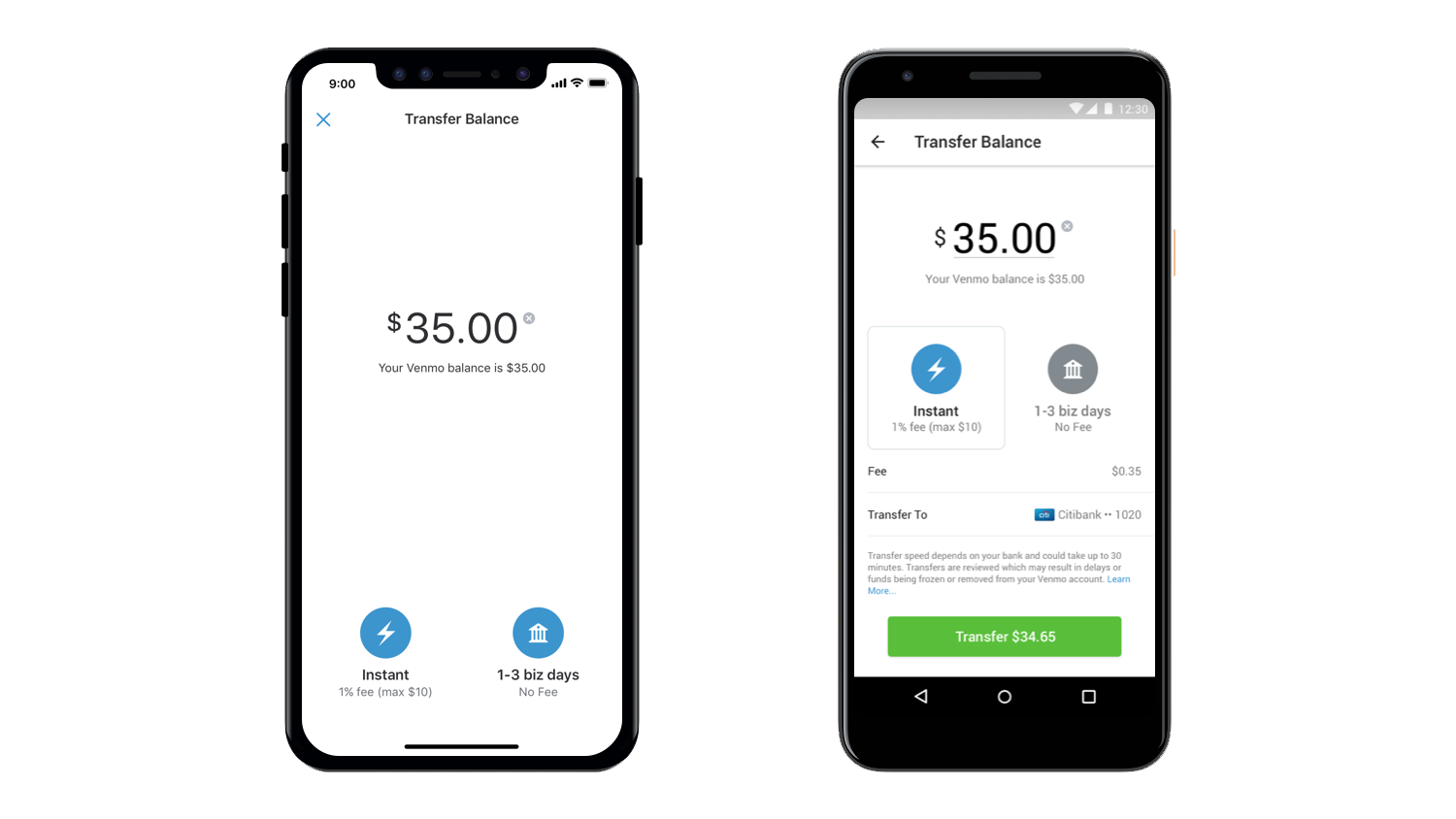
Furthermore, the “Instant Transfer” feature, which moves money from Venmo to a traditional bank account in minutes, carries a 1.75% fee. For high-volume users, these small percentages can significantly impact profit margins. Part of smart financial management is timing your transfers—opting for the free 1–3 day standard transfer whenever possible to maximize your bottom line.
The Future of Banking: Neo-Banks vs. Traditional Institutions
The existence of Venmo represents a broader shift toward “Neo-banking”—a movement where user experience and digital accessibility take precedence over physical branches. While we have identified “what bank is Venmo” (The Bancorp Bank and Synchrony), the larger trend is the decentralization of financial services.

Why the Distinction Matters for Your Financial Health
As we move toward a cashless society, the distinction between a “platform” and a “bank” will continue to fade. However, for the consumer, the distinction remains vital for risk management. A traditional bank account is built for stability and long-term storage; a fintech platform like Venmo is built for velocity and social convenience.
For a healthy financial life, one should utilize both. Use your traditional bank for your emergency fund, mortgage payments, and long-term investments where FDIC security is absolute. Use Venmo for the daily “velocity” of your money—splitting costs, managing small-scale business income, and enjoying the convenience of a modern, mobile-first financial interface.
By understanding that Venmo is a tech layer sitting atop a traditional banking foundation, you can navigate the digital economy with confidence, ensuring that your money is not just easy to spend, but also safe, regulated, and working toward your long-term financial goals.
aViewFromTheCave is a participant in the Amazon Services LLC Associates Program, an affiliate advertising program designed to provide a means for sites to earn advertising fees by advertising and linking to Amazon.com. Amazon, the Amazon logo, AmazonSupply, and the AmazonSupply logo are trademarks of Amazon.com, Inc. or its affiliates. As an Amazon Associate we earn affiliate commissions from qualifying purchases.