
In the current digital landscape, the distinction between a simple website and a sophisticated web application has become the cornerstone of the modern software industry. While a website primarily delivers information, a web application (web app) is designed for interaction, allowing users to perform specific tasks, manipulate data, and experience a level of functionality that rivals traditional desktop software. From the collaborative power of Google Docs to the complex data visualization of Trello, web apps are the engines driving digital transformation.
Building a web app is a multi-layered engineering challenge that requires a deep understanding of frontend interactivity, backend logic, and cloud infrastructure. This guide provides a technical roadmap for developers and tech enthusiasts looking to navigate the complexities of modern web development, focusing on robust architecture, security, and scalable deployment.

1. Conceptualization and Tech Stack Selection
The success of a web application is often decided before the first line of code is written. Choosing the right technology stack is a critical decision that impacts performance, scalability, and the speed of development.
Defining the Core Functionality and MVP
Before diving into code, developers must define the Minimum Viable Product (MVP). In a technical context, this means identifying the primary data flow and user interactions. Will the app require real-time updates (like a chat app), or is it a data-heavy management system? Defining these requirements helps in selecting the right protocols—such as WebSockets for real-time communication versus standard RESTful APIs for CRUD (Create, Read, Update, Delete) operations.
Choosing the Right Frontend Framework
The frontend is the user’s gateway to your application. Modern web development has moved away from vanilla JavaScript toward powerful frameworks that handle state management and UI updates efficiently.
- React: Developed by Meta, React uses a virtual DOM and component-based architecture, making it ideal for highly interactive interfaces.
- Vue.js: Known for its gentle learning curve and excellent documentation, Vue is a versatile choice for both small and large-scale applications.
- Angular: A comprehensive, “batteries-included” framework by Google, best suited for large-scale enterprise applications that require strict structure and TypeScript integration.
Backend Paradigms: Choosing the Engine
The backend manages the logic, database interactions, and server-side processing. Popular choices include:
- Node.js: Utilizing JavaScript on the server side allows for a unified language across the stack (Full-stack JS), facilitating rapid development and high concurrency through its non-blocking I/O.
- Python (Django/Flask): Python is the gold standard for applications involving AI, machine learning, or complex data processing due to its extensive library support.
- Go (Golang): For high-performance microservices, Go offers superior speed and concurrency management, making it a favorite for cloud-native applications.
2. Building the Architecture and Database Design
A web application is only as strong as its structural foundation. Architecture defines how different components of the software communicate and how data is stored.
Monolithic vs. Microservices Architecture
Choosing an architectural pattern is a foundational step. A Monolithic architecture houses all components—the UI, the API, and the database access—in a single codebase. This is often easier to develop and deploy initially. However, as applications grow, many teams transition to Microservices. In this model, the application is broken down into small, independent services that communicate over a network. This allows for independent scaling and the ability to use different technologies for different functions.
Relational vs. Non-Relational Databases
Data is the lifeblood of any web app. Developers must choose between:
- Relational Databases (SQL): Systems like PostgreSQL or MySQL are ideal for structured data where complex relationships and data integrity (ACID compliance) are paramount.
- NoSQL Databases: Systems like MongoDB or Cassandra offer flexibility for unstructured data and are designed to scale horizontally, making them suitable for big data and real-time web apps.
- Caching Layers: To improve performance, integrating an in-memory data store like Redis can significantly reduce database load by caching frequently accessed data.
API Design and Communication
Modern web apps rely on APIs (Application Programming Interfaces) to bridge the gap between the frontend and the backend. REST (Representational State Transfer) remains the standard for most web apps, utilizing HTTP methods like GET, POST, and DELETE. However, GraphQL has gained significant traction by allowing the frontend to request exactly the data it needs, reducing over-fetching and improving performance on mobile devices.
3. The Development Workflow and Modern Tooling
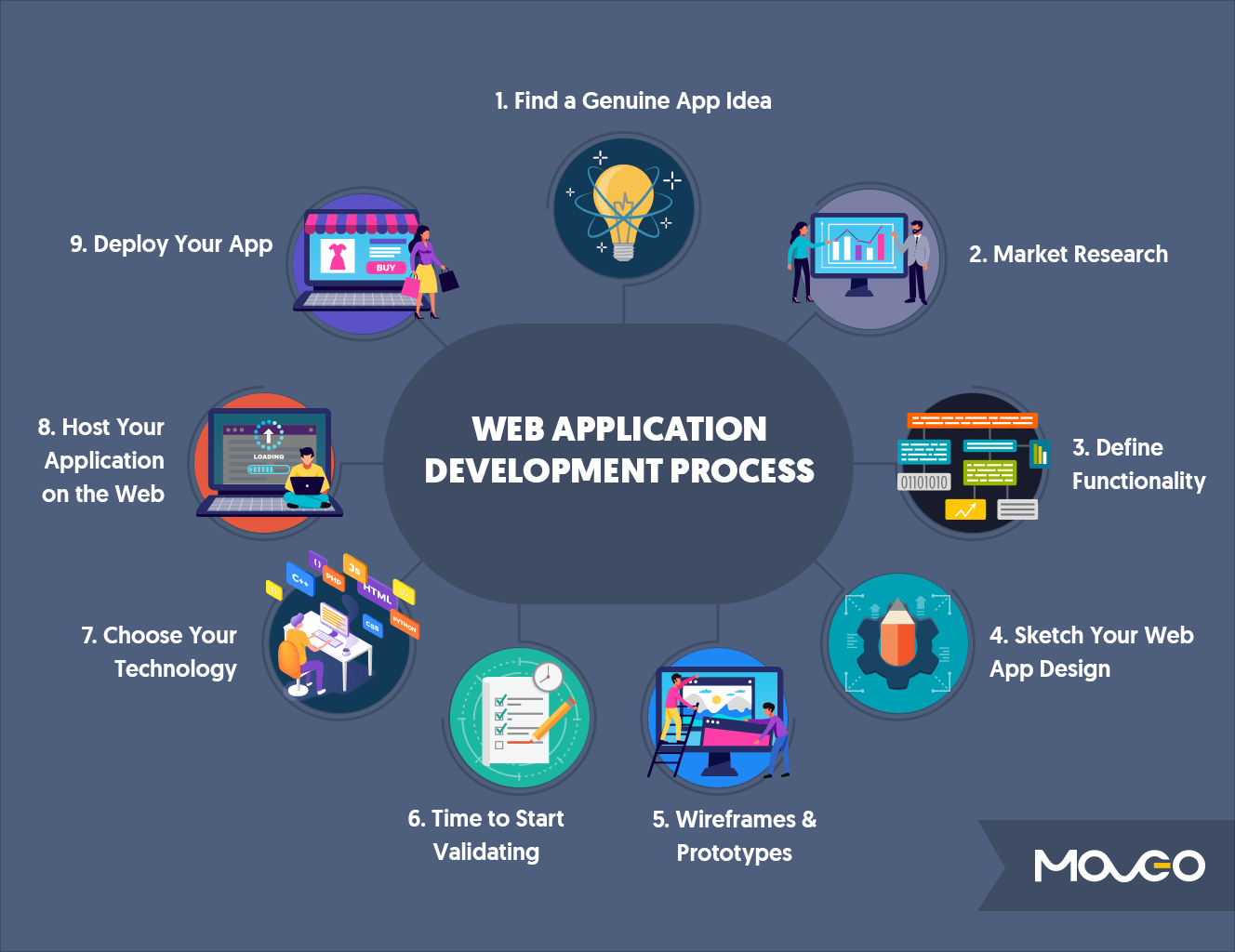
The “how” of making a web app involves more than just writing code; it involves a disciplined workflow and the utilization of tools that ensure code quality and team collaboration.
Version Control with Git
In modern software engineering, Git is non-negotiable. It allows developers to track changes, revert to previous states, and collaborate through branching strategies. Platforms like GitHub or GitLab provide the infrastructure for code reviews and repository management, ensuring that the master branch remains stable while new features are developed in isolation.
Integrating AI and Automation in Coding
The rise of AI-powered development tools, such as GitHub Copilot and Tabnine, has transformed the coding process. These tools use machine learning to suggest code snippets, write boilerplate code, and even identify potential logic errors. While they do not replace the need for architectural understanding, they significantly accelerate the development cycle by handling repetitive tasks.
Containerization with Docker
One of the greatest challenges in web development is the “it works on my machine” syndrome. Docker solves this by packaging the application and all its dependencies into a “container.” This container runs identically across any environment—be it a developer’s local laptop, a testing server, or a production cloud environment. This ensures consistency and simplifies the deployment process.
4. Prioritizing Digital Security and Testing
A web application that is not secure is a liability. Security must be baked into the development lifecycle rather than added as an afterthought.
Implementing Authentication and Authorization
Security starts with knowing who the user is. Implementing OAuth 2.0 or JSON Web Tokens (JWT) allows for secure, stateless authentication. Furthermore, developers must implement Role-Based Access Control (RBAC) to ensure that users can only access the data and functions they are authorized to use.
Automated Testing Frameworks
To ensure the application functions as intended, a robust testing suite is essential:
- Unit Testing: Testing individual components or functions (e.g., using Jest or Mocha).
- Integration Testing: Ensuring that different modules of the application work together correctly.
- End-to-End (E2E) Testing: Using tools like Cypress or Selenium to simulate real user behavior in a browser environment, verifying the entire flow from login to checkout.
Protecting Against Vulnerabilities
Developers must be vigilant against the OWASP Top 10 vulnerabilities. This includes preventing SQL injection by using parameterized queries, protecting against Cross-Site Scripting (XSS) by sanitizing user input, and ensuring all data transmission is encrypted via HTTPS (TLS/SSL). Regular security audits and dependency updates are required to patch newly discovered vulnerabilities in third-party libraries.
5. Deployment, Scalability, and Cloud Infrastructure
Once the application is built and tested, it must be hosted on a server where users can access it. Modern deployment focuses on automation and high availability.
Cloud Hosting Providers
The days of managing physical servers are largely over. Cloud providers offer scalable infrastructure:
- AWS (Amazon Web Services): The most comprehensive platform, offering everything from simple hosting (S3/CloudFront) to complex serverless computing (AWS Lambda).
- Vercel and Netlify: Excellent for frontend-heavy applications, offering seamless integration with Git and automatic global distribution via CDNs (Content Delivery Networks).
- Google Cloud Platform (GCP) and Azure: Powerful alternatives that provide deep integration with data analytics and enterprise tools.
CI/CD Pipelines for Seamless Integration
Continuous Integration and Continuous Deployment (CI/CD) is a DevOps practice where code changes are automatically built, tested, and deployed to production. Tools like Jenkins, GitHub Actions, or CircleCI allow teams to release updates multiple times a day with confidence, knowing that the automated pipeline will catch errors before they reach the end-user.

Performance Monitoring and Scalability
Building a web app is a continuous process. Once live, tools like New Relic, Datadog, or Sentry are used to monitor server health, track application errors, and analyze performance bottlenecks. If the app experiences a surge in traffic, Horizontal Scaling (adding more server instances) or Vertical Scaling (increasing the power of existing servers) ensures the application remains responsive.
In conclusion, making a web app is a sophisticated engineering endeavor that bridges the gap between creative design and technical precision. By selecting a modern tech stack, designing a resilient architecture, maintaining a disciplined development workflow, and prioritizing security, developers can build applications that are not only functional but also scalable and secure in an ever-evolving digital ecosystem.
aViewFromTheCave is a participant in the Amazon Services LLC Associates Program, an affiliate advertising program designed to provide a means for sites to earn advertising fees by advertising and linking to Amazon.com. Amazon, the Amazon logo, AmazonSupply, and the AmazonSupply logo are trademarks of Amazon.com, Inc. or its affiliates. As an Amazon Associate we earn affiliate commissions from qualifying purchases.